Verdict
Head-to-head · Best Mesh Wi-Fi Systems

eero Pro 7 vs TP-Link Deco BE63 Tri-Band Wi-Fi 7 BE10000

Which is the better buy? Side-by-side on rating, price, strengths, and watch-outs — with the published ratings we averaged to get there.

Verdict is reader-supported. As an Amazon Associate we earn from qualifying purchases. Some links on this page are affiliate links — if you click through and buy, we may earn a small commission at no extra cost to you. Our ratings are sourced from independent publications, not sponsors.
The short answer

TP-Link Deco BE63 Tri-Band Wi-Fi 7 BE10000 comes out ahead by a clear margin (4.0 vs 4.5). The gap is mostly about Budget-conscious buyers seeking reliable Wi-Fi 7 performance — read the strengths below before deciding.

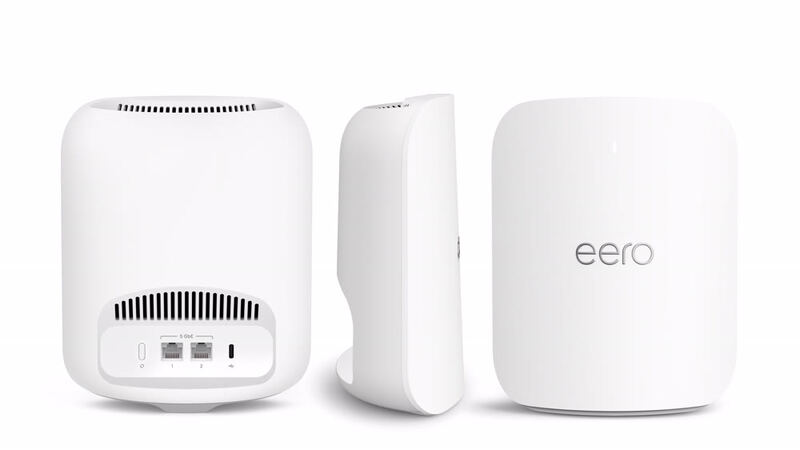
eero Pro 7
Ranked #5 in Best Mesh Wi-Fi Systems
eero Pro 7
5 sources$299.99as of Aug 1

The eero Pro 7 puts Wi-Fi 7 into a mesh system aimed at large homes and thick walls. PCMag's John R. Delaney called it reliable for streaming and gaming, and Residential Tech Today's Rob Stott reported a significant coverage improvement in a home with challenging architecture. Reviewers also flagged the premium price and the limited advanced customization on offer. It suits people who want dependable mesh networking without complex configuration, though shoppers watching cost will find cheaper routes.

Strengths
  • Solid Wi-Fi 7 mesh system with strong performance
  • Easy setup and management through mobile app
  • Good coverage for large homes with thick walls
Watch-outs
  • Higher price point compared to some competitors
  • Limited customization options for advanced users
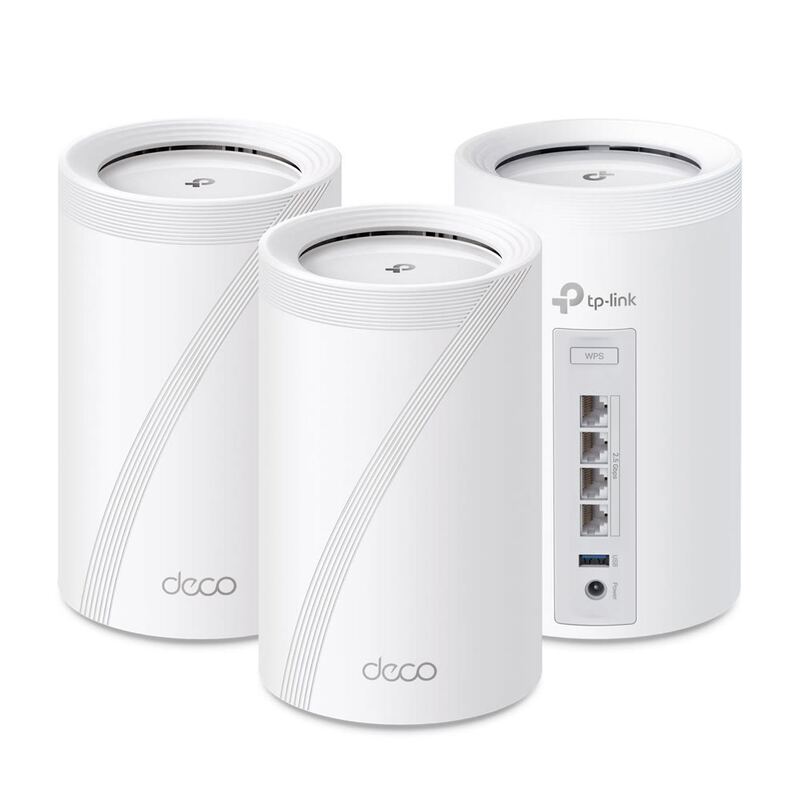
TP-Link Deco BE63 Tri-Band Wi-Fi 7 BE10000
Higher ratedRanked #1 in Best Mesh Wi-Fi Systems
TP-Link Deco BE63 Tri-Band Wi-Fi 7 BE10000
4 sources

The TP-Link Deco BE63 is one of the cheaper ways into Wi-Fi 7 mesh networking, with tri-band support and strong coverage across a large home. PCMag's John R. Delaney rated its whole-home performance highly, and Tom's Hardware called out the value it offers among budget-friendly Wi-Fi 7 routers. Reviewers did flag Ethernet port limitations and fussy mesh node placement, both of which matter more to advanced users. Homeowners who want reliable Wi-Fi 7 performance without premium pricing are the fit; anyone needing maximum networking flexibility should look at higher-end kits.

Strengths
  • Supports Wi-Fi 7 standard for future-proof connectivity
  • Tri-band design provides dedicated channels for different types of traffic
  • Affordable pricing compared to other Wi-Fi 7 mesh systems
Watch-outs
  • Limited Ethernet port configuration compared to competitors
  • Mesh node placement may require careful planning for optimal performance

How they stack up

eero Pro 7

The eero Pro 7 provides solid performance and easy setup, but it's more expensive than the TP-Link Deco BE63 and doesn't match the budget-friendly appeal of the TP-Link Deco BE23. Compared to the NETGEAR Orbi 770, it lacks the tri-band connectivity and advanced features, though it offers better reliability for streaming and gaming.

TP-Link Deco BE63 Tri-Band Wi-Fi 7 BE10000

The TP-Link Deco BE63 offers the most affordable entry into Wi-Fi 7 mesh networking, but it lacks the Ethernet port flexibility of the Asus ZenWifi BQ16 Pro and doesn't match the setup ease of the eero Pro 7. It's less reliable than the NETGEAR Orbi 770 in maintaining consistent speeds and doesn't provide the same performance as the Eero 7 in demanding scenarios.

Specs side-by-side

Speceero Pro 7TP-Link Deco BE63 Tri-Band Wi-Fi 7 BE10000
WiFi StandardWi-Fi 7Wi-Fi 7
Bands2.4GHz/5GHz/6GHzTri-band
Coverage AreaUp to 5,000 sq ftUp to 3,500 sq ft (1-pack)
Max Speedup to 3.9 GbpsUp to 10000 Mbps
Ethernet Ports44 x 2.5 GbE WAN/LAN, 1 x USB 3.0
Number of Nodes31
Processor1.5 GHz quad-core CPU1.5 GHz quad-core processor
← See the full ranking of best mesh wi-fi systems