Verdict
Head-to-head · Best Audio Interfaces

Focusrite Vocaster Two vs Universal Audio Volt Series

Which is the better buy? Side-by-side on rating, price, strengths, and watch-outs — with the published ratings we averaged to get there.

Verdict is reader-supported. As an Amazon Associate we earn from qualifying purchases. Some links on this page are affiliate links — if you click through and buy, we may earn a small commission at no extra cost to you. Our ratings are sourced from independent publications, not sponsors.
The short answer

Focusrite Vocaster Two and Universal Audio Volt Series score essentially the same (4.4 vs 4.4). Pick the one whose trade-offs match your priorities — the strengths and watch-outs below are where they actually differ.

Focusrite Vocaster Two
Ranked #5 in Best Audio Interfaces
Focusrite Vocaster Two
5 sources$106.48as of Jul 31

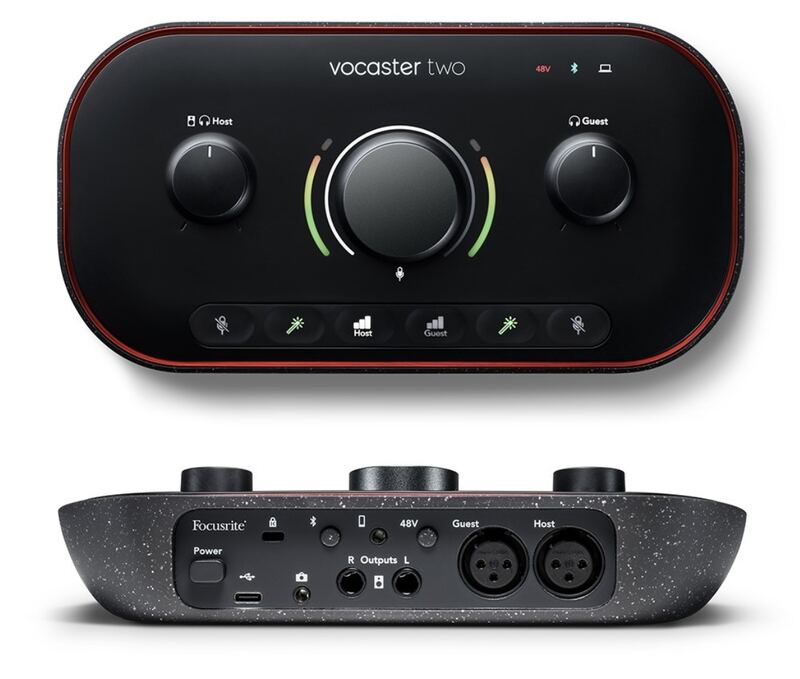
Focusrite built the Vocaster Two for podcasters: two XLR inputs, phone connectivity with mix-minus, and Bluetooth in a compact chassis. Reviewers found it easy to set up and rated the audio quality solid, but $299 is steep if you only record occasionally. It plays well with macOS and iPad, though the deeper features live in the Vocaster Hub software. It covers a lot of ground that most users will never touch, which makes it a better fit for serious podcasters who want one box that does everything.

Strengths
  • Includes two XLR inputs with phantom power support
  • Built-in phone connection with mix-minus for echo reduction
  • Bluetooth connectivity for wireless audio input
Watch-outs
  • Expensive compared to basic audio interfaces at $299
  • Requires dedicated software (Vocaster Hub) for advanced features
Universal Audio Volt Series
Ranked #4 in Best Audio Interfaces
Universal Audio Volt Series
5 sources3 derived$199as of Jul 31

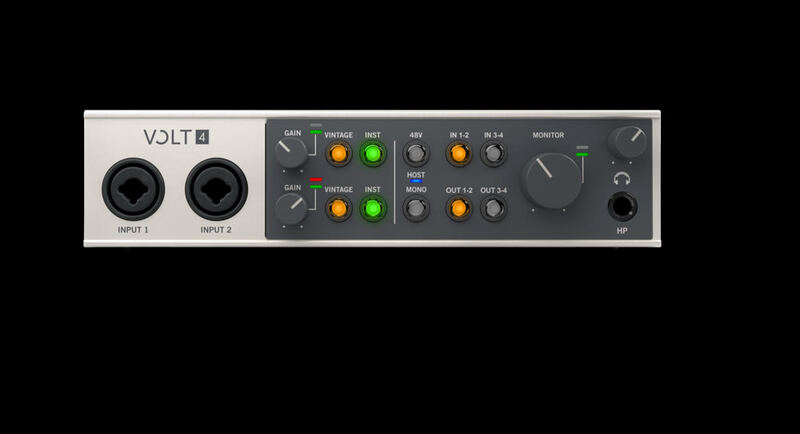
The Universal Audio Volt 476P sits at the top of the Volt series, with four analog preamp inputs and two headphone outputs against the Volt 476's two inputs and one headphone output. Reviewers praised its studio-grade tracking, helped by selectable UREI 1176-derived compression models and vintage tube preamp emulation. It runs bus-powered in limited configurations, and the software bundle includes Ableton Live Lite and Celemony Melodyne. Some setups will need a dedicated power supply, and reviewers found the smooth plastic knobs ergonomically suboptimal. Bedroom producers and beginning recordists who want a full-featured 24-bit/192 kHz AD/DA interface with the I/O for multi-mic tracking sessions are the target.

Strengths
  • Four analog preamp inputs with UREI 1176-derived compression model presets
  • Vintage toggle emulates characteristics of the Universal Audio tube 610 console preamplifier
  • Supports bus-powered operation via USB-C cable in limited configurations
Watch-outs
  • Requires dedicated power supply in some setups due to higher power draw
  • Smooth plastic knobs may be ergonomically suboptimal for some users

Derived means the reviewer published no score, so one was inferred from their written verdict. Everything else is a number the publisher printed. How we rank.

How they stack up

Focusrite Vocaster Two

The Focusrite Vocaster Two is unique in its phone connectivity with mix-minus and Bluetooth capabilities, features absent in the Universal Audio Volt Series and the Audient iD4 MkII. However, it's more expensive than the Behringer UMC22 and lacks the technical performance and build quality of the Focusrite Scarlett 2i2 4th Gen, making it less suitable for users needing raw audio quality or budget-conscious buyers.

Universal Audio Volt Series

The Universal Audio Volt Series stands out with its UREI 1176-derived compression models and vintage tube preamp emulation, features not found in the Focusrite Scarlett 2i2 4th Gen or the Audient iD4 MkII. While it's more expensive than the Behringer UMC22, it offers studio-grade tracking capabilities that the budget option lacks, and unlike the Focusrite Vocaster Two, it's designed for multi-mic tracking rather than podcasting.

Specs side-by-side

SpecFocusrite Vocaster TwoUniversal Audio Volt Series
Inputs2 XLR4
OutputsStereo 3.5mm jack, Camera output2
ConnectivityUSB-C, Bluetooth
Sample Rate48kHz24-bit/192 kHz
Bit Depth24-bit24-bit
PreampsJFET
PowerBus-powered via USB-CBus-powered via USB-C in limited configurations
Headphone Jack1/4" jack1/4" jack
← See the full ranking of best audio interfaces