Verdict
Head-to-head · Best Handheld Gaming PCs

GPD Win 3 vs Steam Deck OLED

Which is the better buy? Side-by-side on rating, price, strengths, and watch-outs — with the published ratings we averaged to get there.

Verdict is reader-supported. As an Amazon Associate we earn from qualifying purchases. Some links on this page are affiliate links — if you click through and buy, we may earn a small commission at no extra cost to you. Our ratings are sourced from independent publications, not sponsors.
The short answer

Steam Deck OLED comes out ahead by a clear margin (4.0 vs 4.5). The gap is mostly about Visual quality enthusiasts — read the strengths below before deciding.

GPD Win 3
Ranked #6 in Best Handheld Gaming PCs
GPD Win 3
2 sourcesall derived$798.95as of Jul 31

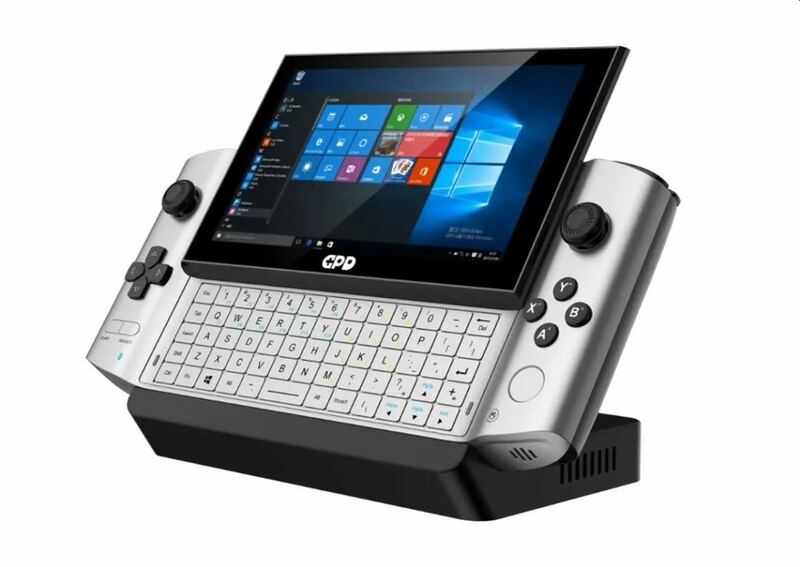
The GPD Win 3 is a Windows PC the size of a handheld: a 5.5-inch 720p touchscreen that slides up to reveal a keyboard, running Intel's 11th gen Tiger Lake-U processor with Iris Xe graphics. Reviewers described a Switch-like design with an integrated controller that switches between gamepad and mouse modes. Performance is solid for something this small, but users reported poor controller button feedback and accidental key presses while sliding the screen. Portable gaming and productivity tasks fit it; long typing sessions don't.

Strengths
  • 5.5-inch 720p touchscreen with sliding keyboard design
  • Intel Tiger Lake-U processor (i5-1135G7 or i7-1165G7) with integrated Iris Xe graphics
  • 16 GB LPDDR4X RAM running at 4,266 MHz for improved gaming performance
Watch-outs
  • Controller buttons have weak feedback compared to Sony DualShock or Nintendo Switch
  • Display sliding mechanism occasionally registers unintended key presses during use
Steam Deck OLED
Higher ratedRanked #1 in Best Handheld Gaming PCs
Steam Deck OLED
4 sourcesall derived$1,075as of Jul 31

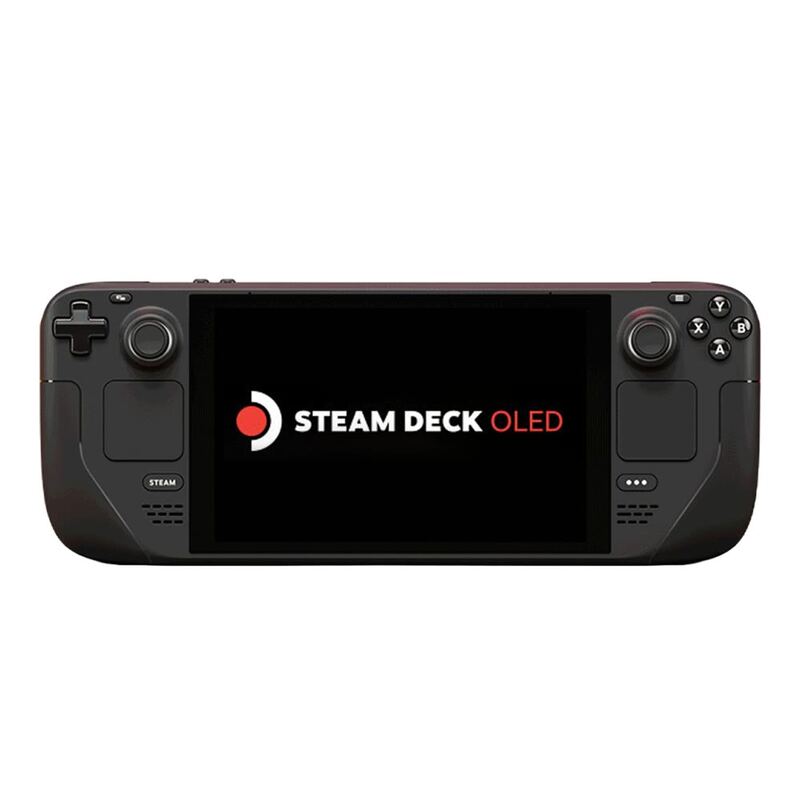
The Steam Deck OLED's headline change is the screen, and reviewers backed it up on color accuracy, HDR support, and the 90Hz refresh rate. Birchtree rated the display well above the original LCD model, calling it 'spectacular' and 'eye-searingly delightful.' Wi-Fi 6E, slightly longer battery life, and quieter fans round out the update. Reviewers still hear the fans in a quiet room, and the battery gain is modest. It's for anyone who wants better visual quality and performance than the original Steam Deck offered, less so for those chasing endurance or silence.

Strengths
  • OLED screen delivers exceptional color reproduction and HDR support with 1,000 nits max brightness
  • 90Hz refresh rate improves game smoothness and reduces input latency
  • Quieter fans compared to the original Steam Deck model
Watch-outs
  • Fan noise still audible in quiet environments, though improved from original
  • Battery life improvement is marginal and not as good as Nintendo Switch

Derived means the reviewer published no score, so one was inferred from their written verdict. Everything else is a number the publisher printed. How we rank.

How they stack up

GPD Win 3

The GPD Win 3 offers a unique sliding keyboard design and Windows compatibility, unlike the Steam Deck OLED or Valve Steam Deck OLED which are Linux-based. However, it lacks the performance of the MSI Claw 8 and Lenovo Legion Go S, and its controller feedback is inferior to the ASUS ROG Ally X's button layout.

Steam Deck OLED

The Steam Deck OLED excels in display quality over the Valve Steam Deck OLED with its vibrant HDR and 1,000 nits peak brightness, though the latter offers better battery life and a more refined overall experience. Compared to the MSI Claw 8, it lacks the larger 8-inch screen and superior battery capacity, but provides a more polished SteamOS experience.

Specs side-by-side

SpecGPD Win 3Steam Deck OLED
ProcessorIntel Core i5-1135G7 or i7-1165G7Revised AMD 'Van Gogh' 6nm
Display5.5-inch 1280 x 7207.4" OLED
Memory16 GB LPDDR4X16GB LPDDR5 6400MT/s
Storage1 TB NVMe SSD512GB and 1TB options
Battery44 Wh
GraphicsIntel Iris Xe Graphics G78 RDNA 2 CUs, 1.6GHz
Refresh Rate60 Hz90Hz
← See the full ranking of best handheld gaming pcs