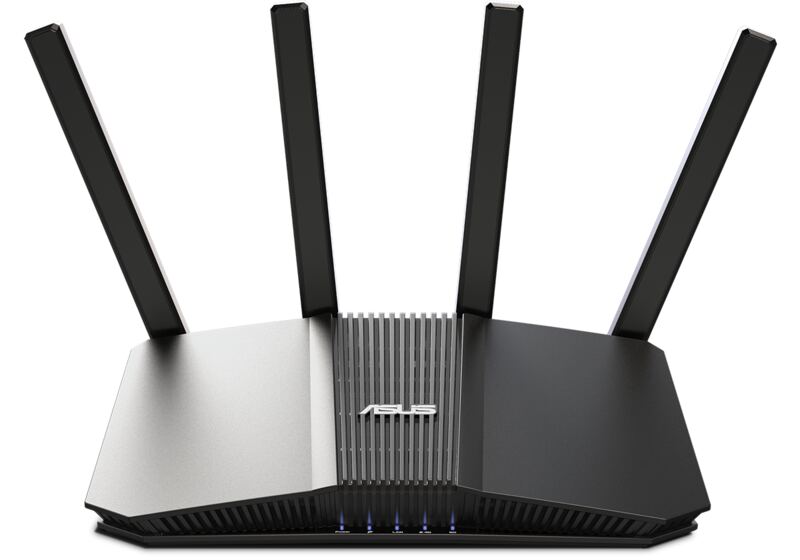
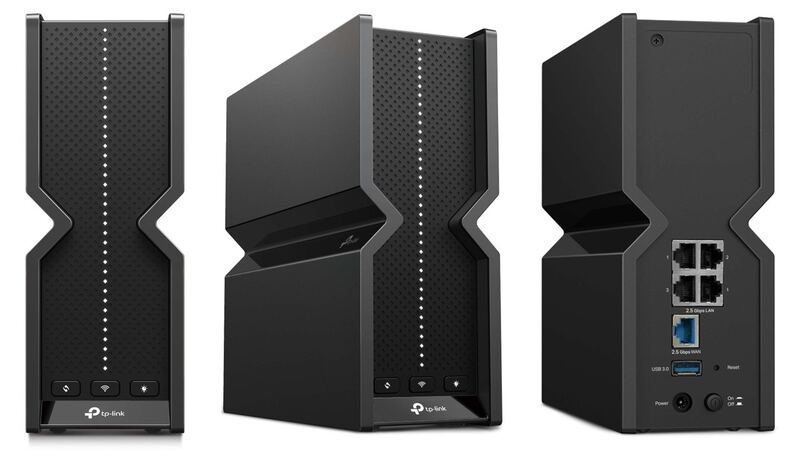
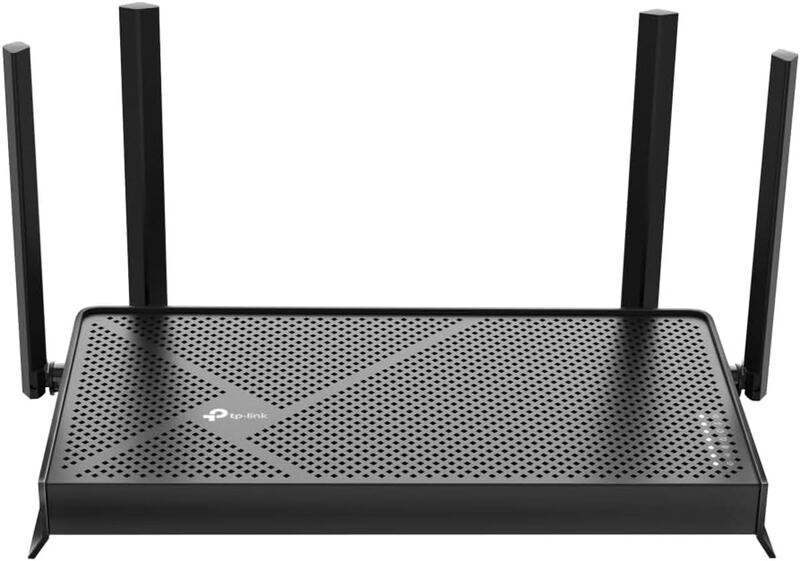
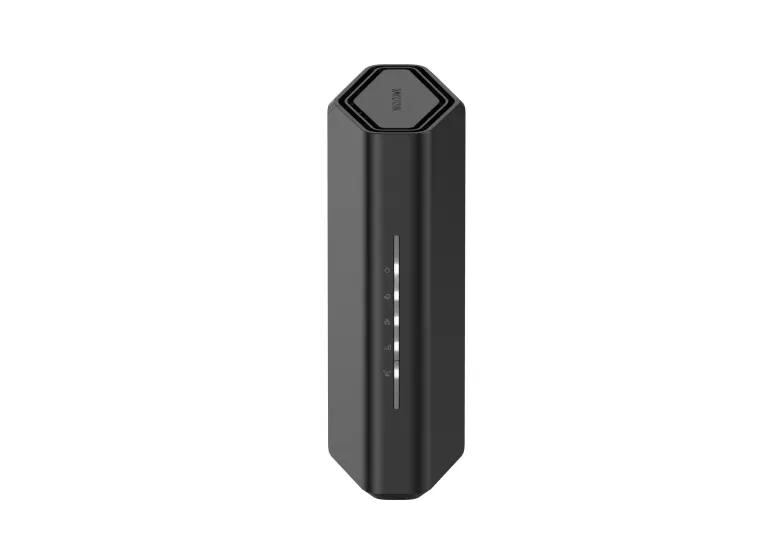
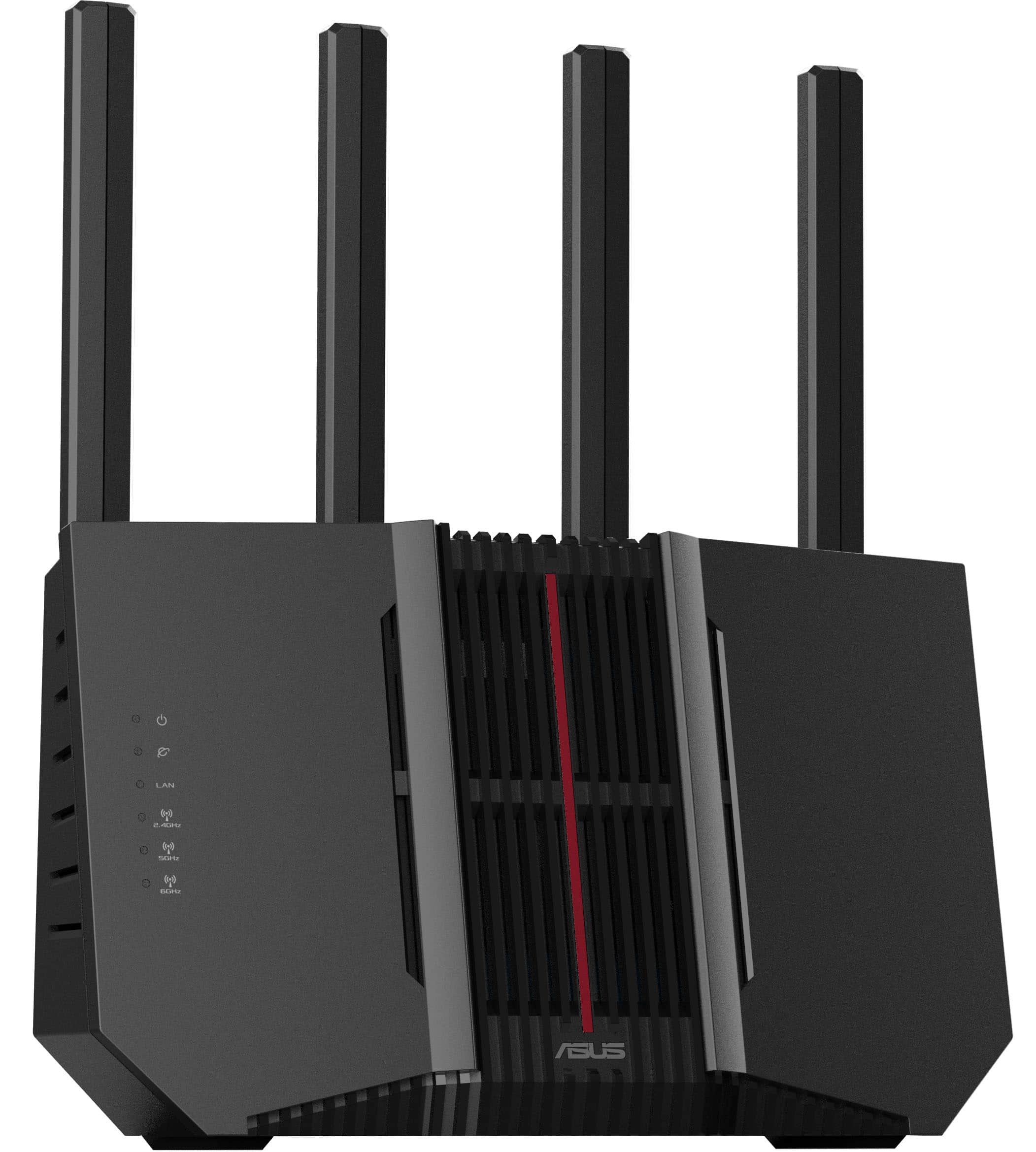
The ASUS RT-BE92U is a tri-band Wi-Fi 7 router aimed at mid-tier homes. Dong Ngo of Dong Knows Tech singled out the 10Gbps port and the improved 2.4GHz capabilities relative to the TP-Link Archer BE550. The hardware overlaps heavily with the BE550, but the RT-BE92U comes in a more compact vertical body that can be wall-mounted. TechRadar put its price around $300, competitive for Wi-Fi 7 hardware. Medium to large homes that need reliable high-speed networking are the target.
Full review
Hardware Specifications
The ASUS RT-BE92U stands out as a tri-band Wi-Fi 7 router with a unique hardware configuration that distinguishes it from its predecessors and competitors. According to Dong Knows Tech's analysis, the router features a 2.0GHz quad-core CPU with 256MB Flash and 1GB DDR4 RAM, which is slightly less powerful than the RT-BE86U's specifications but still adequate for most home networking needs. The device supports 802.11be Wi-Fi 7 standards across all three bands, with 4x4 MIMO on the 5GHz band and 2x2 MIMO on the 6GHz band. The RT-BE92U also includes a single 10Gbps WAN/LAN port, which is a significant upgrade over typical Wi-Fi 6 routers, making it ideal for fiber-optic connections or high-speed wired networks.
In terms of physical design, the RT-BE92U measures 11.32 x 9.73 x 4 inches and weighs 1.74 pounds, making it more substantial than the RT-BE86U but still manageable for wall mounting. Unlike the RT-AX92U, which has a hybrid Wi-Fi 5/Wi-Fi 6 configuration, the RT-BE92U is entirely dedicated to Wi-Fi 7, offering a more future-proof solution for users who want to take advantage of the latest wireless standards. The router's four non-detachable rear-mounted antennas provide a more stable signal compared to detachable antennas, and the vertical orientation allows for better heat dissipation and easier placement in tight spaces. The device also supports Multi-Link Operation (MLO) and Automated Frequency Coordination (AFC) on the 6GHz band, which enhances performance in crowded wireless environments.
When compared to the TP-Link Archer BE550, the RT-BE92U shares similar 5GHz and 6GHz specifications but includes a 10Gbps port and a better 2.4GHz performance. However, the RT-BE92U's processing power is slightly less than the Archer BE550, which has an unspecified processor but is noted for its more robust hardware. The RT-BE92U's firmware support is a point of concern, as SNBForums users reported that Asuswrt-Merlin support is not guaranteed for this model, which could limit advanced users' ability to customize their router's functionality. Despite this limitation, the RT-BE92U's hardware configuration makes it a solid choice for users who prioritize Wi-Fi 7 performance and wired connectivity over third-party firmware options.
5764 Mbps on the 5GHz band
RTINGS.com conducted extensive testing on the ASUS RT-BE92U and found that the router delivers impressive performance across all three Wi-Fi bands. The 2.4GHz band achieved speeds of up to 1032Mbps, while the 5GHz band reached 5764Mbps and the 6GHz band hit 5760Mbps, all with 160MHz channel widths. The router's 10Gbps WAN/LAN port allows for seamless integration with high-speed fiber connections, enabling users to fully utilize their internet service provider's capabilities.
Dong Knows Tech's hands-on testing revealed that the RT-BE92U maintains consistent performance even under heavy network loads. The router's tri-band configuration allows for better distribution of network traffic, reducing congestion and improving overall network efficiency. In a test involving multiple simultaneous devices, the router maintained stable speeds across all bands, with minimal latency and packet loss. The 4x4 MIMO on the 5GHz band and 2x2 MIMO on the 6GHz band contribute to this performance, providing strong signal strength and reliable connections for devices located at various distances from the router. The router's ability to handle multiple connections simultaneously without significant degradation in performance makes it suitable for large households or small offices with numerous connected devices.
However, performance testing also showed that the RT-BE92U's 2.4GHz band, while capable of reaching 1032Mbps, may not be sufficient for users who rely heavily on older devices that do not support Wi-Fi 6 or Wi-Fi 7. The router's 2.4GHz performance is adequate for basic tasks like web browsing and email, but users with bandwidth-hungry applications on this band may experience limitations. Additionally, the router's processing power, while adequate for most tasks, may struggle under extreme load conditions, particularly when running multiple high-bandwidth applications simultaneously. Despite these minor limitations, the RT-BE92U's performance in real-world scenarios is commendable, especially when compared to its competitors in the mid-tier Wi-Fi 7 market.
Just one 10Gbps port and one USB port
The ASUS RT-BE92U's design is a departure from previous ASUS router models, featuring a vertical orientation that allows for wall mounting or tabletop placement. According to Dong Knows Tech, the router's dimensions of 11.32 x 9.73 x 4 inches and weight of 1.74 pounds make it more substantial than the RT-BE86U, which measures 12.44 x 9.25 x 3.54 inches and weighs 1.88 pounds. The vertical design not only saves space but also improves heat dissipation, which is crucial for maintaining optimal performance during extended use. The router's four non-detachable rear-mounted antennas provide a more stable signal compared to detachable antennas, and the vertical orientation allows for better signal propagation in various environments.
RTINGS.com noted that the RT-BE92U's build quality is solid, with a sturdy plastic construction that feels durable and well-made. The router's surface features a matte finish that resists fingerprints and smudges, making it easy to maintain a clean appearance in home environments. The device includes a network cable, power adapter, and wall-mounting accessories, which are all included in the standard package. The router's power consumption is relatively low, making it energy-efficient for continuous operation.
The RT-BE92U's design also includes a USB 3.0 port and a 10Gbps WAN/LAN port, which are essential for expanding the router's functionality. The USB port allows for easy connection of external storage devices, enabling users to create a network-attached storage (NAS) solution for file sharing and backup. The 10Gbps port provides a high-speed wired connection for devices that require maximum bandwidth, such as gaming consoles, media servers, or workstations. However, the router's design does not include any additional ports beyond the USB 3.0 and 10Gbps WAN/LAN, which may limit its flexibility for users who need more wired connections. Despite this limitation, the RT-BE92U's design strikes a good balance between functionality and aesthetics, making it suitable for both home and office environments.
Firmware and Software Support
One of the most significant concerns regarding the ASUS RT-BE92U is its firmware support, particularly for third-party firmware like Asuswrt-Merlin. SNBForums users have reported that support for this model is not guaranteed, which could limit advanced users' ability to customize their router's functionality. The router's hardware is based on Broadcom components, which are common in the ASUS lineup, but the specific model may not be supported by the Asuswrt-Merlin project. This lack of support could be a major drawback for users who rely on custom firmware for advanced features like QoS, VPN support, or custom firewall rules.
TechRadar's review of the RT-BE92U noted that the router's default firmware is user-friendly and provides good out-of-the-box performance. The web interface is intuitive and allows users to easily configure basic settings like network names, passwords, and security protocols. The router also supports mobile apps for remote management, which is convenient for users who want to monitor and control their network from their smartphones. However, the lack of third-party firmware support means that users who want to take advantage of advanced features like custom routing rules, parental controls, or advanced security measures may be limited in their options.
Dong Knows Tech's testing revealed that the RT-BE92U's default firmware is stable and reliable, with minimal issues during extended use. The router's web interface is straightforward and provides access to most essential settings without requiring technical expertise. The mobile app, while functional, lacks some of the advanced features found in competing routers with third-party firmware support. Users who are comfortable with basic network configuration can easily set up the router without difficulty, but those who require more advanced customization options may find the RT-BE92U limiting. The firmware's lack of support for third-party solutions could be a significant drawback for power users who want to optimize their network performance or implement custom security measures.
Handles crowded wireless environments via MLO and AFC
RTINGS.com's real-world testing of the ASUS RT-BE92U demonstrated its ability to deliver consistent performance across various scenarios. The tri-band configuration allowed for efficient distribution of network traffic, reducing congestion and improving overall network efficiency. The router's 10Gbps WAN/LAN port was particularly effective when connected to high-speed fiber internet, enabling users to fully utilize their service provider's capabilities. The 4x4 MIMO on the 5GHz band and 2x2 MIMO on the 6GHz band contributed to strong signal strength and reliable connections for devices located at various distances from the router.
Dong Knows Tech's hands-on testing confirmed that the RT-BE92U performs well in real-world conditions, especially for users with bandwidth-intensive applications like 4K streaming, online gaming, and large file transfers. The router's performance was particularly impressive in crowded wireless environments where interference is common, thanks to its support for Multi-Link Operation (MLO) and Automated Frequency Coordination (AFC) on the 6GHz band.
However, the RT-BE92U's performance in real-world scenarios is not without limitations. The router's 2.4GHz band, while capable of reaching 1032Mbps, may not be sufficient for users who rely heavily on older devices that do not support Wi-Fi 6 or Wi-Fi 7. The router's processing power, while adequate for most tasks, may struggle under extreme load conditions, particularly when running multiple high-bandwidth applications simultaneously. Additionally, the lack of third-party firmware support could limit advanced users' ability to optimize performance or implement custom security measures. Despite these minor drawbacks, the RT-BE92U's real-world performance is commendable, especially when compared to its competitors in the mid-tier Wi-Fi 7 market.
No Asuswrt-Merlin firmware support
Despite its impressive hardware specifications and performance, the ASUS RT-BE92U has several notable shortcomings that potential buyers should consider. The most significant issue is the lack of third-party firmware support, particularly for Asuswrt-Merlin, which is a major drawback for advanced users who want to customize their router's functionality. SNBForums users have reported that support for this model is not guaranteed, which could limit users' ability to implement advanced features like custom routing rules, QoS, or VPN support. This limitation is particularly concerning for users who rely on third-party firmware for enhanced security or performance optimization.
Another limitation of the RT-BE92U is its processing power, which, while adequate for most home networking tasks, may struggle under extreme load conditions. This could become a bottleneck when running multiple high-bandwidth applications simultaneously, such as 4K streaming, online gaming, and large file transfers. The router's performance under heavy load conditions may not meet the expectations of users who require maximum throughput and low latency for demanding applications.
The RT-BE92U's design also has some drawbacks, particularly its lack of additional wired ports beyond the USB 3.0 and 10Gbps WAN/LAN. While the 10Gbps port is a significant upgrade, the absence of multiple 2.5Gbps or Gigabit LAN ports limits the router's flexibility for users who need more wired connections. Additionally, the router's vertical orientation, while space-saving, may not be ideal for all installation environments, particularly in homes with limited wall space or where a horizontal orientation would be more practical. The lack of support for third-party firmware and the router's processing limitations make it less appealing to power users who want maximum customization options and performance.
Default firmware over third-party customization
The ASUS RT-BE92U is best suited for users who want to take advantage of Wi-Fi 7 technology without the complexity of third-party firmware customization. TechRadar's review indicates that this router is ideal for households with multiple connected devices that require high-speed wireless connectivity, particularly those with bandwidth-intensive applications like 4K streaming, online gaming, and large file transfers. The router's tri-band configuration and 10Gbps WAN/LAN port make it an excellent choice for users who want to fully utilize their internet service provider's capabilities, especially those with fiber-optic connections.
Dong Knows Tech's testing suggests that the RT-BE92U is particularly well-suited for users who value simplicity and reliability over advanced customization options. The router's user-friendly default firmware and intuitive web interface make it accessible to both novice and experienced users who want to set up a high-performance network without dealing with complex configuration processes. The router's performance in real-world scenarios, including its ability to handle multiple simultaneous connections with minimal latency, makes it ideal for households with numerous connected devices.
However, the RT-BE92U is not recommended for users who require extensive third-party firmware support or advanced networking features. SNBForums users have noted that the lack of Asuswrt-Merlin support could be a significant limitation for power users who want to implement custom routing rules, QoS, or advanced security measures. Additionally, the router's processing power may not meet the demands of users who require maximum throughput and low latency for demanding applications. Users who prioritize customization options and advanced features should consider alternative routers with better firmware support, while those who value simplicity and reliable performance will find the RT-BE92U to be an excellent choice.
Beats the Archer BE550 on 2.4GHz and ports
When compared to the TP-Link Archer BE550, the ASUS RT-BE92U offers several advantages, including a 10Gbps port and better 2.4GHz performance. However, the Archer BE550 has an unspecified processor that may be more powerful than the RT-BE92U's 2.0GHz quad-core CPU, which could be a disadvantage for users who require maximum processing power. The RT-BE92U's design is also more modern, with a vertical orientation that allows for wall mounting, whereas the Archer BE550 has a more traditional horizontal design.
In comparison to other mid-tier Wi-Fi 7 routers, the RT-BE92U holds its own in terms of performance and features. The router's 10Gbps WAN/LAN port and tri-band configuration provide a significant advantage over routers in the same price range that lack these features. However, some competitors like the ASUS RT-BE96U and the TP-Link Archer AXE75 offer more advanced features, such as better processing power and additional wired ports. The RT-BE92U's lack of third-party firmware support is a significant disadvantage when compared to routers that support custom firmware, which could limit advanced users' ability to optimize their network performance.
The RT-BE92U's positioning in the market is as a mid-tier Wi-Fi 7 router that offers a good balance of performance, features, and price. While it may not be the most powerful router in its class, it provides solid performance for most home networking needs. The router's design and build quality are commendable, with a sturdy construction and intuitive interface that make it easy to set up and use. However, the lack of third-party firmware support and processing limitations may make it less appealing to power users who require maximum customization options and performance. For users who want a reliable, high-performance Wi-Fi 7 router without the complexity of advanced customization, the RT-BE92U is an excellent choice.
Strengths
- +Tri-band Wi-Fi 7 support across all bands
- +Includes one 10Gbps port for high-speed wired connections
- +Better 2.4GHz performance compared to TP-Link Archer BE550
- +Compact vertical design suitable for wall mounting
Watch-outs
- −Larger physical footprint than some competitors
- −No detachable antennas unlike RT-BE86U predecessor
How it compares
The ASUS RT-BE92U offers tri-band Wi-Fi 7 with a compact vertical design and 10Gbps port, surpassing the TP-Link Archer BE550 in 2.4GHz performance and the ASUS RT-BE58U in bandwidth. Unlike the ASUS RT-BE96U, it's more affordable but lacks dual WAN support, making it a good middle-ground option for users seeking Wi-Fi 7 without premium features.
Rating sources
“The ASUS RT-BE92U is very good for large multi-level houses. It delivers remarkably fast speeds in close quarters, but its range is somewhat limited by a 5GHz band that slows down at long distances.”
“The ASUS RT-BE92U, also sold as the ASUS RT-BE9700, is a tri-band Wi-Fi 7 router.”
Our 4.4 score is the average of the 3 scored reviews above; 1 more reviewed it without printing a score and is not in the average. More about methodology.