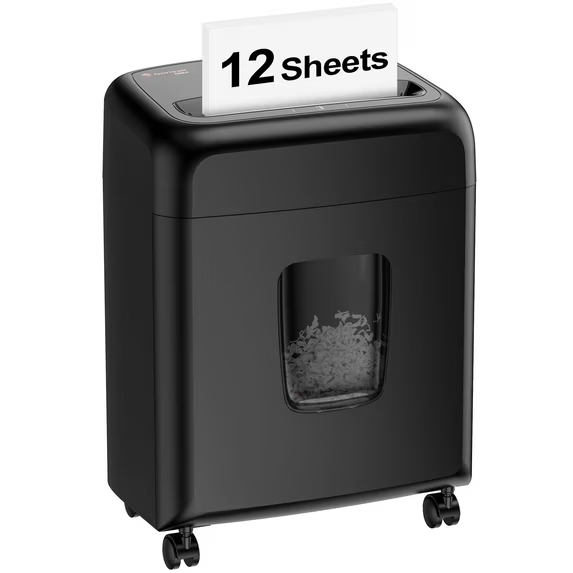
The Bonsaii C206-H is a cross-cut shredder for a home office: twelve sheets a pass at P-4 security, into a four-gallon pull-out bin with a window that shows when it is full. Auto start/stop and a manual reverse handle the usual jams, and it takes staples, paper clips and credit cards along with paper. The motor runs fifteen minutes before it needs a forty-minute cooldown, which is the real ceiling on how much gets shredded in one sitting.
Full review
Twelve sheets a pass at P-4, into a four-gallon bin
The C206-H takes up to twelve sheets at a time and cuts them cross-wise to P-4 particles, the level normally recommended for household paperwork carrying account numbers rather than for anything confidential. The four-gallon bin pulls out on casters and has a clear window, so it gets emptied when it is actually full instead of on a guess, as Sterling W notes. Indicator lights, auto start/stop and a manual reverse cover the routine operating decisions, and the feed swallows staples, paper clips and cards.
Fifteen minutes on, forty minutes off
The duty cycle is the real constraint. Fifteen minutes of continuous shredding is followed by a forty-minute cooldown enforced by the thermal cutout, so a box of old statements becomes an afternoon project rather than a single session. Overheat and overload protection are the reason that limit exists, and feeding near the maximum sheet count shortens the run. The manufacturer also asks for oiling each time the bin is emptied under heavy use, or roughly every two months for light use, and skipping it is how cross-cut blades go dull.
Loud, and slow for the class
Noise is rated at 72 decibels.
$79.99 for cross-cut, not micro-cut
At $79.99 it is priced as a light-duty machine and behaves like one. Anyone shredding tax or medical records should note that this is cross-cut rather than micro-cut; the finer cut costs more and feeds more slowly. Anyone shredding a handful of envelopes a week will never meet the duty cycle at all, and for them the bin size and the jam handling are where the money actually goes.
Strengths
- +Shreds up to 12 sheets per pass with cross-cut security level P-4
- +Features 15-minute run time with automatic shut-off to prevent overheating
- +Includes a 4-gallon pullout waste bin with transparent window for easy monitoring, per Sterling W
- +Equipped with auto start/stop and manual reverse functions to prevent paper jams
Watch-outs
- −Requires manual oiling for maintenance as recommended by manufacturer
- −Limited to 15-minute operation before automatic cooldown
How it compares
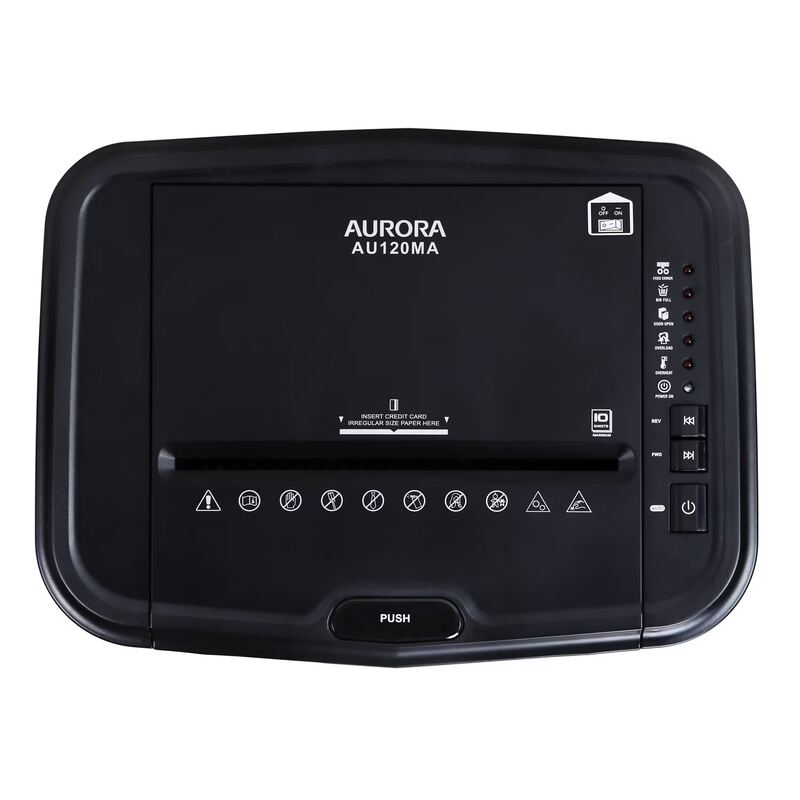
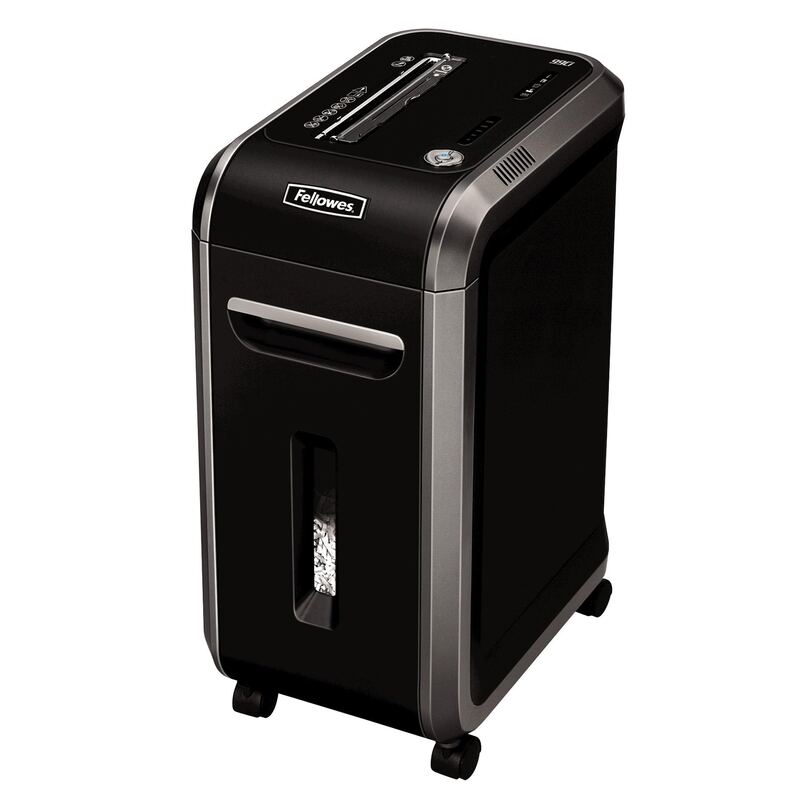
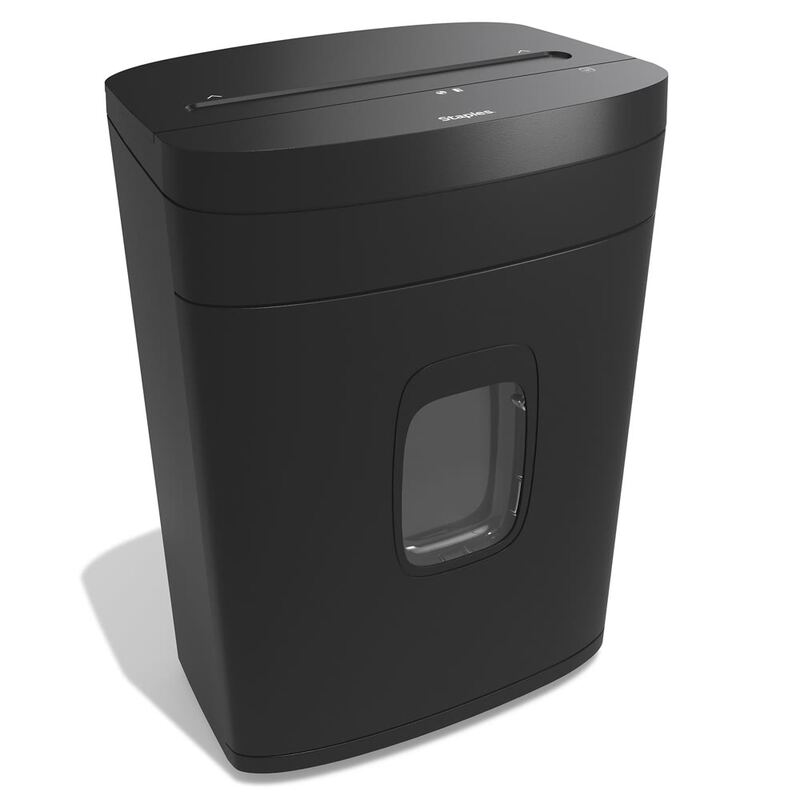
The Bonsaii C206-H provides a 15-minute operation before cooldown, a feature not present in the Wolverine SD9520 or Fellowes 40C, but it's less secure than the Wolverine SD9520's P-5 level. It includes a transparent bin window and auto start/stop functions, which the Staples ST62153 lacks. Compared to the Aurora AU120MA, it has a lower capacity and does not support automatic feeding, making it better suited for occasional use rather than high-volume environments.
Rating sources
Our 4.5 score is the average of these published ratings. Ratings marked * were derived from the reviewer’s written analysis or video transcript — the publisher didn’t print an explicit numeric score, so we inferred one from their own words. Click through to verify. More about methodology.