Fast boiling and strong heat retention are what reviewers report from the Cuisinart Perfectemp Electric Kettle CPK-17P1. They also credit its 6 preset temperatures, the 30-minute Keep Warm function and its energy efficiency, plus a stainless steel carafe and controls that are easy to work out. The narrow opening and plastic components drew complaints. Tea drinkers who want precise temperature control will like it; budget shoppers and anyone focused on easy cleaning will not.
Full review
A stainless carafe with a narrow mouth
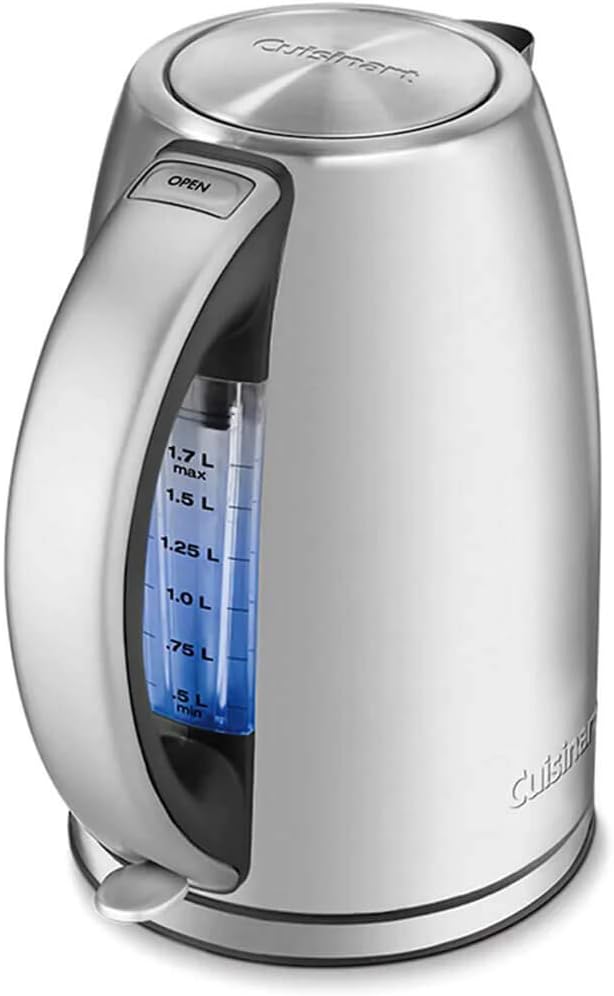
The CPK-17P1 is a 1.7-litre stainless steel kettle — about seven cups — on a cordless base with a 360-degree swivel, a V-shaped spout, an anti-slip handle and a removable mesh filter. It weighs 3 pounds, which is light for the capacity. The carafe opening is the design decision that shows up in every discussion of this kettle: it is narrow enough to make thorough cleaning awkward and too tight for most tea infusers, and Oolong Owl flags it as the main annoyance of living with it.
Build quality is mixed at the price. The exterior is stainless, but the lid interior and the filter housing use BPA-free plastic joinings that do not match the metal shell, and the kettle-to-base connection can feel wobbly. The water-level window is also hard to read from the handle position, which makes it easy to overfill or to drop under the minimum fill line without noticing.
Preset temperatures and the keep-warm function
The reason to buy a variable-temperature kettle at all is that green and white teas scorch at a full boil. The CPK-17P1 covers the range with preset settings plus a straight boil, each on a lit button, and it beeps when it reaches the temperature you asked for. Oolong Owl, who has owned two of these kettles across four years, describes the temperature control as intuitive and accurate, and makes the sharper point that someone in the household with no interest in water temperature can still produce a decent cup of green tea. That is what the presets are really for.
Keep Warm holds the selected temperature for 30 minutes and resumes automatically when the kettle is returned to the base, so a long session does not mean reboiling between cups. Boil-dry protection and automatic shut-off cover the safety basics. The kettle does need a minimum fill of 500ml before it is switched on, and that is a rule rather than a suggestion.
Cleaning is the recurring complaint
The narrow opening is not only an inconvenience at the sink. It makes limescale harder to reach, which matters over years of use in a hard-water area, and descaling becomes a job the shape of the carafe actively fights. Anyone who wants to steep loose leaf directly in the kettle should rule it out, because the infuser will not fit. Against a gooseneck kettle it also gives up pour control, so this is not the one to buy for pour-over coffee.
Worth it for tea, less so for hot water
For someone brewing delicate teas daily, the presets and the keep-warm function are the difference between guessing and repeating, and the stainless carafe plus the long-run reliability Oolong Owl reports across four years of ownership support the outlay. For someone who only wants hot water quickly, the extra money buys features that will sit unused and a cleaning compromise that will grate. That, rather than any single measurement, is the whole decision.
Strengths
- +Fast boiling time of 6 minutes and 54 seconds for 1.5 liters
- +Excellent energy consumption rating of 148 Wh
- +Outstanding heat retention with 30-minute Keep Warm function
- +Intuitive controls with lit buttons and clear temperature settings
Watch-outs
- −Narrow carafe opening limits cleaning and tea infuser use
- −Plastic joinings in the lid and filter not consistent with premium price point
How it compares
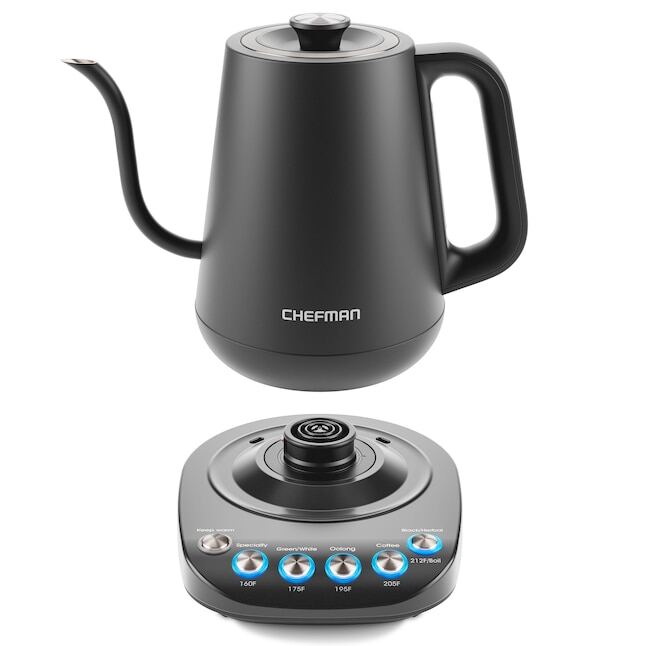
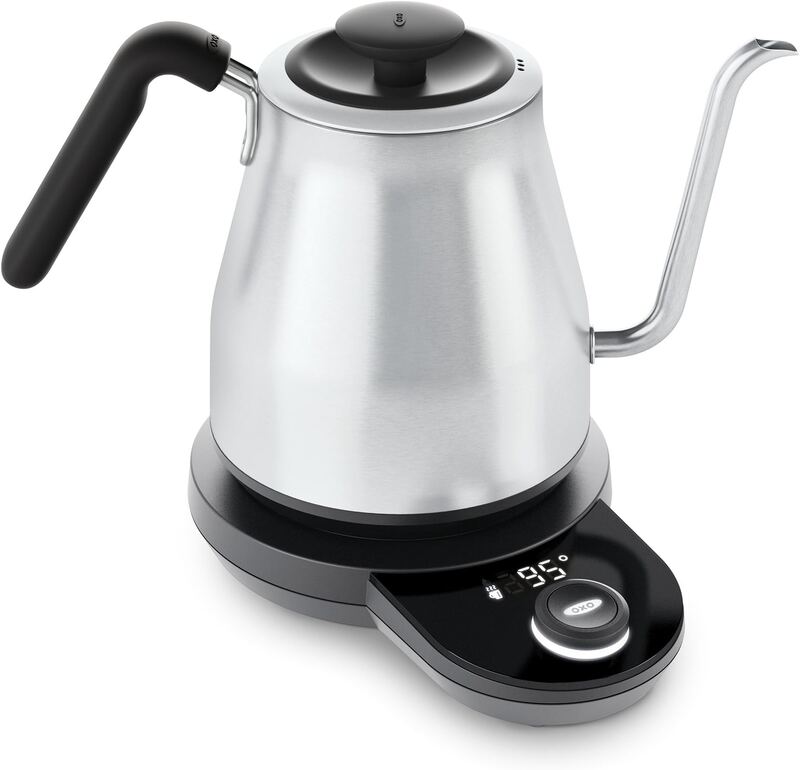
The Cuisinart PerfecTemp outperforms the Amazon Basics and Chefman kettles in energy efficiency and heat retention, but it lacks the precision temperature control of the Fellow Stagg EKG Pro and the gooseneck spout of the OXO kettle. While it offers 6 preset temperatures and a 30-minute keep warm function, it's less ergonomic and has a narrow opening compared to the Chefman model.
Rating sources
Our 4.5 score is the average of these published ratings. Ratings marked * were derived from the reviewer’s written analysis or video transcript — the publisher didn’t print an explicit numeric score, so we inferred one from their own words. Click through to verify. More about methodology.