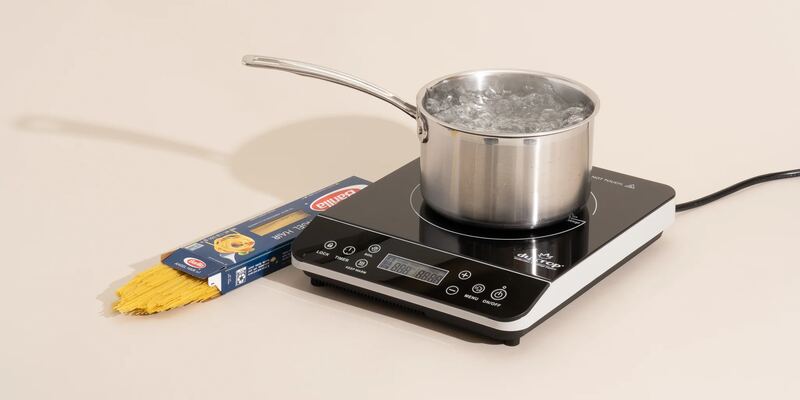
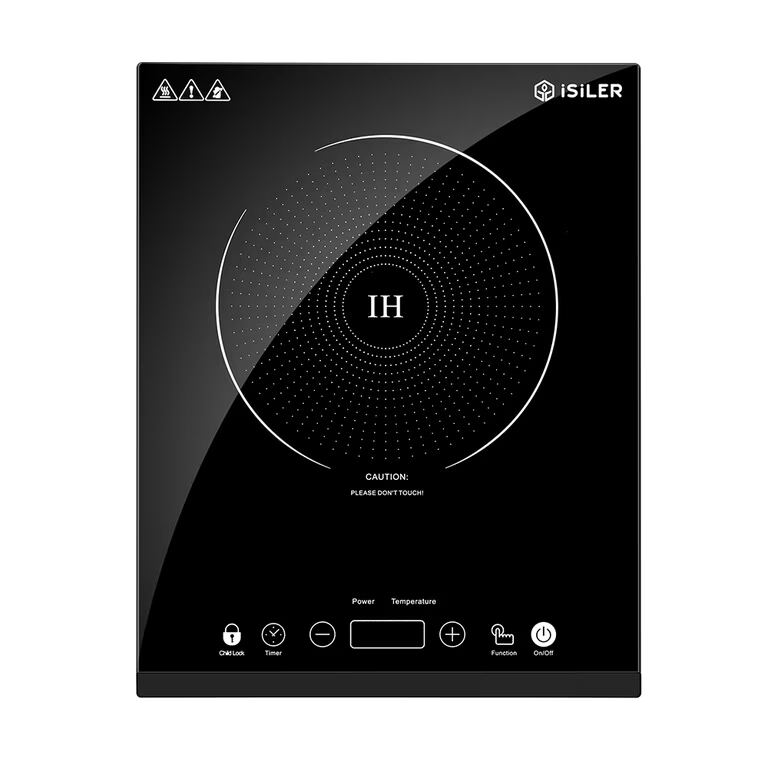
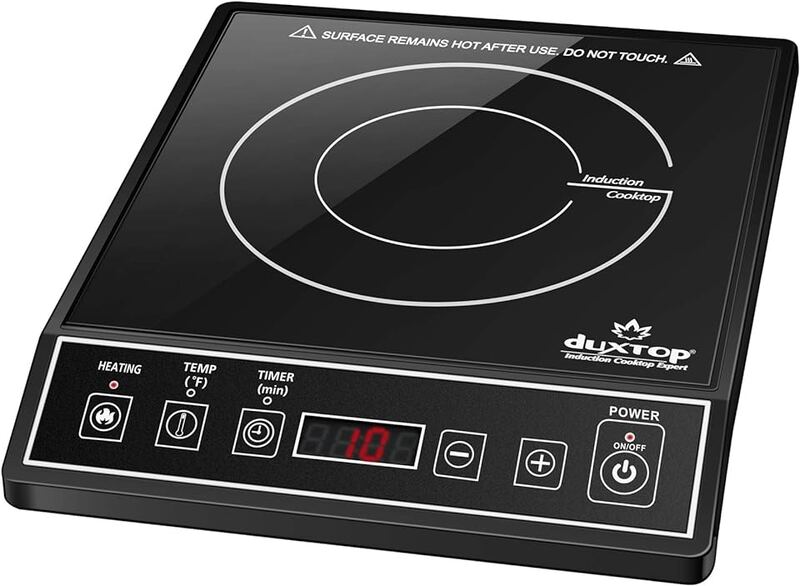
The Secura Duxtop 9600LS is an upgraded portable induction cooker featuring 1800 watts of power and a touchscreen interface with 20 settings for precise control. CenturyLife.org notes its 10-hour timer enables slow cooking functions, while TheCookingWorld highlights its rapid heating capability and safety features like auto shut-off. Thecookingworld reports it performs well for gentle cooking tasks like frying shrimp without scorching, though some users find the interface slightly more complex than simpler models. The unit is compact at 11.5 x 14 inches and includes a 6-foot power cord for flexibility.
Full review
Touch interface complexity
The Duxtop 9600LS introduces a touchscreen control system that differs significantly from its predecessor models. According to Century Life, users must press and hold the power button for several seconds before activation, a safety feature designed to prevent accidental operation by children or pets. After turning on, the unit requires pressing the Menu button to select either manual mode or temperature-target mode. This process involves navigating through multiple settings to configure the desired cooking parameters. The control system includes options for setting timers, presets like Boil and Keep Warm modes, and choosing between power level or temperature-based adjustments. While the interface is functional, the complexity of the initial setup and mode selection process can be confusing for users unfamiliar with induction cooktops. The requirement to hold the power button and navigate through menus before cooking begins adds an extra step that may slow down the cooking process for those accustomed to simpler mechanical controls.
Power level granularity
The Duxtop 9600LS offers 20 distinct power settings compared to 15 on previous models, providing more precise control over cooking temperatures. The power levels range from 100 to 1800 watts, with wattage equivalents not distributed linearly across the scale. Lower power settings offer greater granularity, allowing for more precise simmering and delicate cooking techniques. Higher power settings provide less fine control, which is typical for induction cooktops that prioritize rapid heating at maximum capacity. This non-linear distribution means users can achieve very low temperatures for maintaining stocks or sauces without significant jumps in power, while still having access to maximum wattage for rapid boiling or searing. The increased number of power levels allows for better control over delicate cooking processes, particularly beneficial for simmering and maintaining consistent temperatures over extended periods.
Temperature control precision
The device features temperature control ranging from 100°F to 460°F, with settings that can be adjusted in numerical increments. Users can select either heat-based settings or numerical temperature targets, providing flexibility in how they approach cooking tasks. The temperature control system allows for precise cooking, particularly useful for tasks requiring specific temperature maintenance. However, the accuracy of temperature readings depends heavily on the cookware used, as different materials and thicknesses affect heat transfer and temperature distribution. The internal thermometer located underneath the ceramic/glass top provides feedback on the cooking surface temperature, though this reading may not always reflect the actual temperature of the food being cooked. The temperature control system works well for maintaining steady cooking temperatures but requires users to understand that the displayed temperature represents the cooktop surface rather than the food's internal temperature.
Timer functionality and duration
The Duxtop 9600LS includes a built-in timer with a maximum duration of 10 hours, significantly longer than the 170-minute limit found on some competing models. This extended timer capability allows users to set longer cooking periods without needing to reset the timer manually. The Cooking World notes the timer operates in one-minute increments, providing precise control over cooking duration. The extended timer function enables users to employ the cooktop as a slow cooker alternative, particularly useful for preparing dishes that require extended cooking times. The timer's functionality is particularly valuable for tasks such as simmering stocks, preparing rice, or maintaining food at serving temperature. The 10-hour maximum duration provides flexibility for extended cooking sessions, though users should note that the timer will automatically shut off the unit after reaching its maximum setting, requiring manual restart for continued cooking.
Cookware compatibility requirements
The Duxtop 9600LS requires induction-compatible cookware, meaning pots and pans must be made from magnetic materials. Users can test compatibility by applying a magnet to the base of their cookware; if the magnet adheres, the item is suitable for use on the induction cooktop. This requirement limits users to specific types of cookware, potentially requiring additional purchases for those who do not already own induction-compatible items. The cooktop works best with flat-bottomed cookware, as the induction coil requires direct contact with the cookware base for optimal heat transfer. Users can utilize existing cookware if it meets the magnetic requirements, or purchase new induction-compatible items. The necessity of specific cookware creates an additional cost factor for users, though the cookware itself is widely available and relatively affordable compared to the cooktop's price point.
Portability and design features
The Duxtop 9600LS measures approximately 11.5 inches wide by 14 inches deep, with a height of 2.5 inches, making it compact enough to fit comfortably on most kitchen countertops. The unit's design includes an angled control panel that is easy to read and navigate, contributing to its user-friendly interface. The cooktop's lightweight construction, weighing 7.3 pounds, facilitates easy movement and storage when not in use. The six-foot power cord allows for flexible placement in various kitchen configurations without requiring proximity to an electrical outlet. The ceramic/glass top surface is easy to clean and maintain, though users should be cautious about using abrasive cleaning materials that might scratch the surface. The unit's compact size and portability make it ideal for small kitchens, dorm rooms, or travel situations where space is limited. The design balances functionality with aesthetic appeal, making it suitable for both professional and home cooking environments.
Performance and heating capabilities
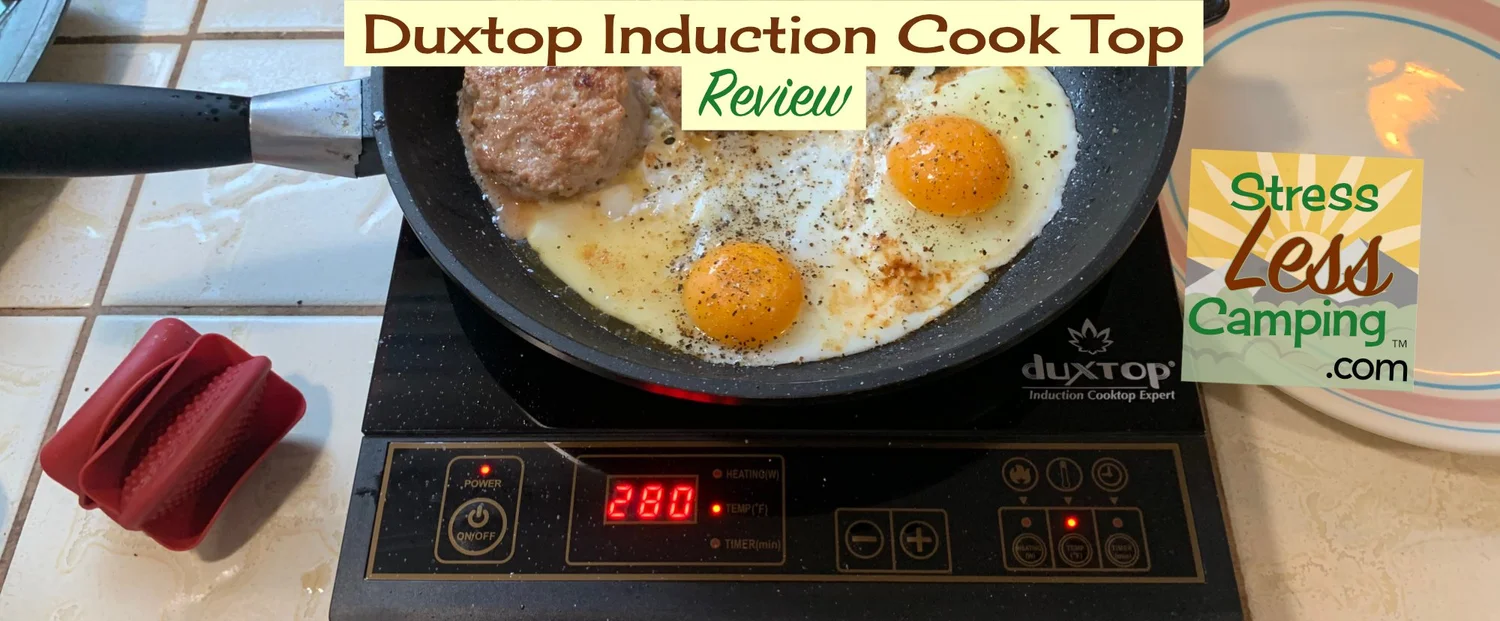
The Duxtop 9600LS delivers 1800 watts of maximum power, providing rapid heating capabilities that outperform traditional electric coil stoves. Users can quickly boil water or heat stocks in saucepans within minutes, demonstrating the cooktop's efficiency. The rapid heating performance is particularly beneficial for busy households or situations requiring quick meal preparation. The cooktop excels in gentle cooking tasks, such as frying shrimp or preparing egg foo young, where it maintains even heat distribution without causing charring or burning. The consistent heat output allows for reliable cooking results across various food preparation methods, from delicate simmering to high-heat searing. The performance characteristics make it suitable for both everyday cooking and specialized techniques requiring precise temperature control.
Safety and operational features
The Duxtop 9600LS incorporates several safety features designed to protect users and prevent accidents. The cooktop automatically shuts off when it detects no compatible cookware or when it overheats, preventing potential damage or hazards. Induction Cooktop Expert notes the unit also features a child safety lock system that prevents unintended changes to heat settings, which is particularly valuable in households with young children. The cooktop's surface remains cool to the touch when not in use, eliminating the risk of burns from accidental contact. The auto-shutoff function activates after removing cookware, alerting users with a beep to confirm the unit has powered down. These safety measures make the cooktop suitable for use in various environments, including homes with children or in shared living spaces. The safety features contribute to the overall reliability and user confidence when operating the device, though they may add complexity to the initial setup process.
Strengths
- +1800-watt maximum power for rapid heating
- +Touchscreen interface with 20 power settings for precise control
- +Built-in 10-hour timer for slow cooking and convenience
- +Auto shut-off feature for safety when overheating or detecting no pan
- +Internal thermometer for monitoring food temperature
Watch-outs
- −Slightly more complex interface with menu navigation compared to basic models
- −High-pitched noise when used with certain cookware
How it compares
The Duxtop 9600LS surpasses the Duxtop 9100MC with its touchscreen interface, internal thermometer, and 10-hour timer, offering a more advanced user experience. Compared to the Breville Control Freak, it lacks the commercial-grade precision and pan sensor, but it provides a more accessible interface for everyday users who don't need sous vide-level accuracy.
Rating sources
“The Duxtop 9600LS portable induction cooktop is as top-of-the-line induction cooktop that will serve all of your culinary needs.”
Our 4.5 score is the average of the 2 scored reviews above; 2 more reviewed it without printing a score and are not in the average. Ratings marked * were derived from the reviewer’s written analysis or video transcript — the publisher didn’t print an explicit numeric score, so we inferred one from their own words. Click through to verify. More about methodology.