The FiiO K7 pairs dual AK4493SEQ DAC chips with dual THX AAA 788+ amplifier modules to deliver a clean, powerful desktop listening experience well above its price. With 2000mW into 32 ohms on the balanced output it drives everything from sensitive IEMs to demanding planars. Reviewers consistently call it the safest first DAC/amp for someone entering the hobby.
Full review
Measured 115 dB SINAD on the balanced output
The FiiO K7 builds its reputation on raw, clean power. Headfonics notes line-out performance exceeding 120 dB SNR with under 0.0005% THD+N, and under 0.00028% THD+N driving a 32-ohm load - exceptional figures. In listening, Headfonics described bass as having decent control and fast attack speed, punching firmly and energetically with good definitive power. The dual THX AAA 788+ modules deliver 2000mW into 32 ohms on balanced, which is enough headroom to drive demanding planar magnetics that choke lesser desktop units.
TechHive, which gave the K7 its Editors' Choice award, said the unit will dramatically improve the quality of your desktop listening and called it a terrific DAC/headphone amp for the price. Across these reviews the consensus is that the K7 punches well above the $199-220 street price, comparing favorably to combos costing several times as much.
Dual-mono design with a DAC chip per channel
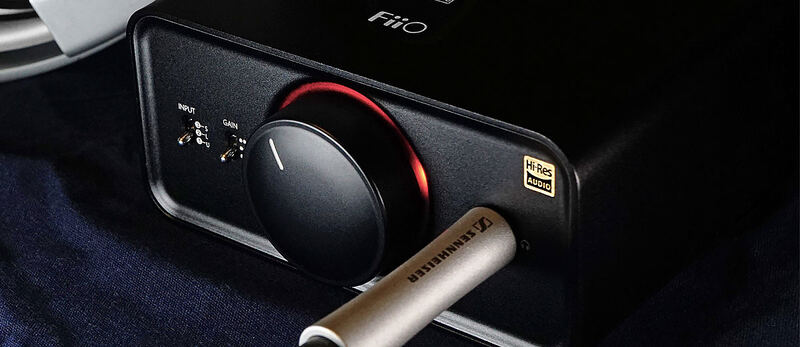
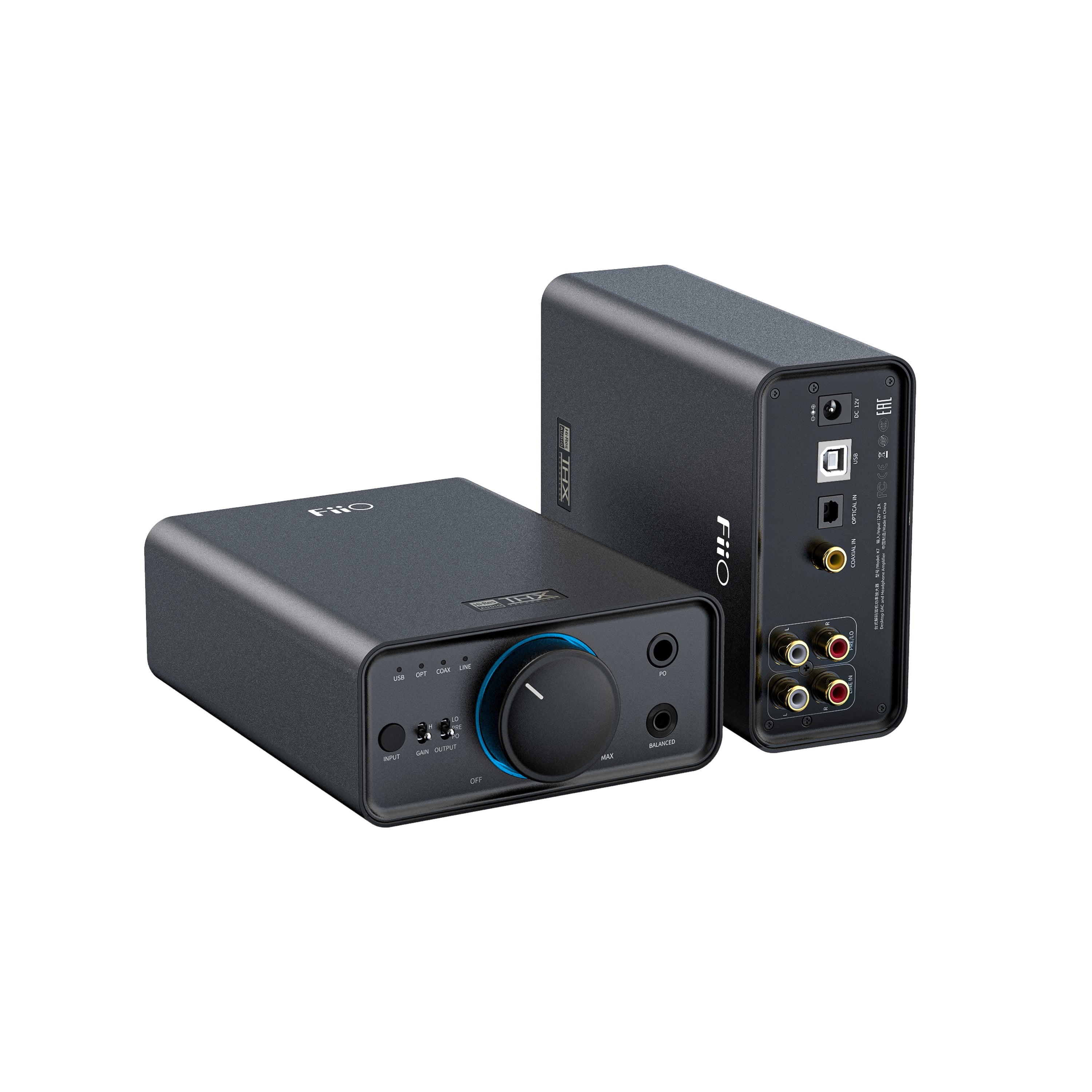
The K7 is a substantial desk unit, measuring 120x168x55mm and weighing around 610g, with a machined aluminum chassis and a large rotary volume knob ringed by an RGB indicator that changes color with sample rate. The front panel carries both a 4.4mm balanced and a 6.35mm single-ended headphone jack along with a three-position gain switch, while the rear hosts USB, optical, coaxial and RCA inputs plus RCA preamp outputs.
Reviewers consistently praise the build as feeling far more premium than the price suggests. The dual-mono internal layout, with one AK4493SEQ DAC chip per channel, is the kind of architecture usually reserved for pricier gear. The trade-off is footprint and weight: this is not a unit you toss in a bag, and the base K7 omits the Bluetooth found on the K7 BT variant.
Neutral tuning that doesn't color the sound
The recurring theme across Headfonics, Headfonia and TechHive is that the K7 nails the fundamentals: clean measurements, abundant power, and a neutral-to-slightly-warm tuning that flatters a wide range of headphones rather than imposing a strong character. Headfonics noted the balanced output is powerful for the size and that the AKM implementation strengthened transient performance, calling it surprisingly capable and consistent across different gear.
For buyers stepping up from a laptop headphone jack or a basic dongle, reviewers frame the K7 as the safe default: it does not color the sound, it has more power than most people will ever need, and it accepts every common digital input. That combination is why it tops most under-$300 shortlists.
No Bluetooth unless you pay for the K7 BT
The base K7's biggest omission is wireless: there is no Bluetooth unless you pay extra for the K7 BT, which matters for buyers who want LDAC streaming. Its USB ceiling of 32-bit/384kHz and DSD256 is also slightly lower than the iFi Zen DAC 3's 768kHz/DSD512, although that gap is academic for most listeners given the K7's measured transparency.
The size is the other practical caveat. At over 600g and 168mm deep, the K7 dominates a desk and is firmly a stationary device. Some reviewers also note the lack of a tone or filter feature set compared to iFi's XBass and PowerMatch toggles, meaning the K7 is a purist's straight-wire-with-gain rather than a tweaker's box.
More amplifier grunt than the Topping DX3 Pro+
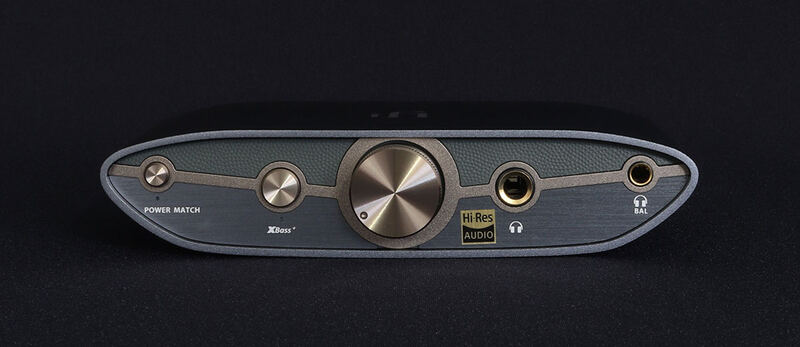
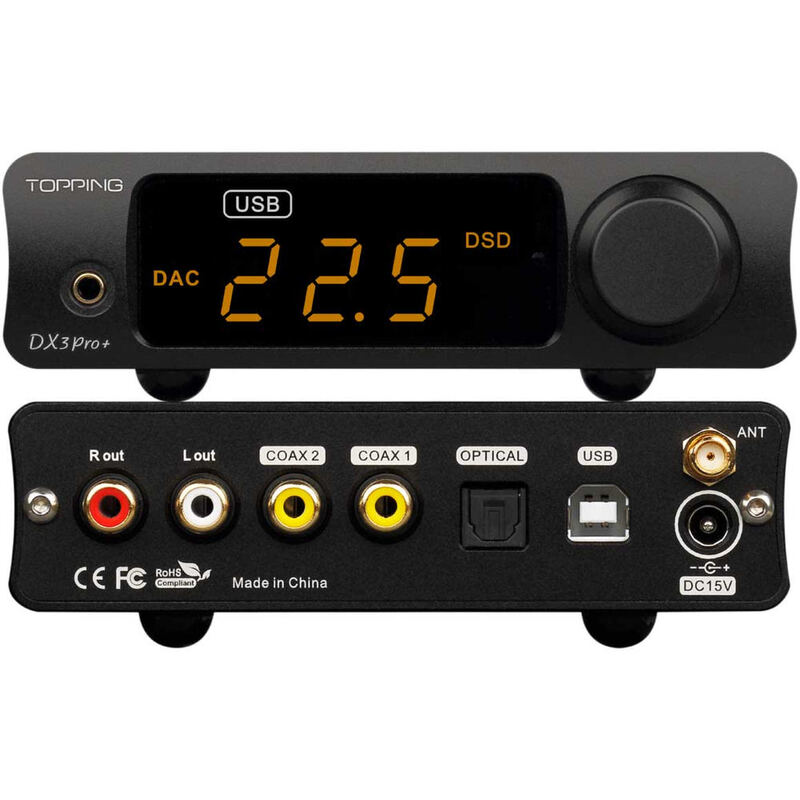
Against the iFi Zen DAC 3, the K7 wins decisively on power and measured performance but loses on features and compact desk-friendliness. Against the Topping DX3 Pro+, the two are close on transparency, but the K7's dual-THX amp section gives it more grunt for full-size headphones while the Topping adds Bluetooth LDAC. The Schiit Hel 2E undercuts the K7 on price and adds a microphone input for gamers, but cannot match the K7's 2000mW balanced output or input flexibility.
In short, the K7 is the all-rounder of the group. It does not have the single standout trick of its rivals, but it has the fewest weaknesses, which is exactly why reviewers keep recommending it as the default first desktop stack.
More performance per dollar than nearly any rival
At a $199-220 street price, the K7 sits in the middle of this group on cost but consistently over-delivers on the two things that matter most in a desktop DAC/amp: measured transparency and amplifier headroom. TechHive's framing is that audiophiles spend thousands on DAC/amp units while FiiO delivered an entry-level model that compares favorably to combos costing several times its price. The dual-mono, dual-DAC architecture is genuinely rare at this budget.
The value calculus shifts depending on what you need. If Bluetooth or a microphone input is a must-have, the money is better spent on the K7 BT or the Schiit Hel 2E. But for a buyer whose checklist is simply power, clean output and input flexibility, the K7 returns more performance per dollar than nearly anything else under $300, which is why it has remained a default recommendation for years rather than a single review cycle.
Built for demanding planar and high-impedance cans
The K7 is the pick for someone building a serious desktop headphone setup who values clean, abundant power and broad input compatibility over portability or wireless streaming. If you own or plan to own demanding planar or high-impedance headphones, the balanced output's 2000mW gives real headroom that smaller units lack.
It is less ideal for buyers who need Bluetooth, want a tiny footprint, or specifically want gaming features like a microphone input. Those users should look at the K7 BT, the Zen DAC 3, or the Schiit Hel 2E respectively. But for a no-compromise wired desktop DAC/amp under $300, the K7 remains the benchmark.
Strengths
- +Dual AK4493SEQ DAC chips with dual THX AAA 788+ amplifier modules for clean, low-distortion output
- +2000mW into 32 ohms balanced power drives nearly any headphone, including demanding planars
- +SINAD around 115 dB balanced measures among the best at this price
- +Versatile inputs: USB, coaxial, optical and RCA analog, plus RCA preamp out
- +Neutral, slightly warm tuning that suits a wide range of headphones
Watch-outs
- −No Bluetooth on the base K7 (only the pricier K7 BT adds it)
- −Large desktop footprint at 120x168x55mm and 610g
- −USB caps at 32-bit/384kHz and DSD256, lower than some rivals' 768kHz
- −No internal volume memory between gain modes
How it compares
The K7 offers more balanced power (2000mW) than the iFi Zen DAC 3 or Topping DX3 Pro+, making it the better choice for hard-to-drive headphones, though it lacks the Zen DAC 3's higher-resolution USB support.
Rating sources
“The K7 has decent control and fast attack speed in the bass, it punches firmly and energetically with good definitive power.”
“The Fiio K7 will dramatically improve the quality of your desktop listening. It's a terrific DAC/headphone amp for the price.”
Archived — this review is no longer available at the publisher. The score above is the one they published.
Our 4.3 score is the average of these published ratings. Ratings marked * were derived from the reviewer’s written analysis or video transcript — the publisher didn’t print an explicit numeric score, so we inferred one from their own words. Click through to verify. More about methodology.