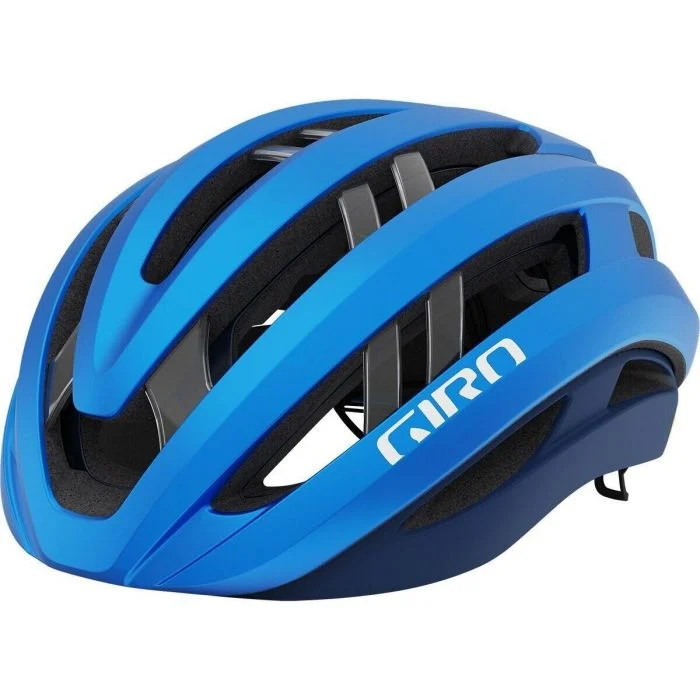
The Giro Aries Spherical achieves Virginia Tech’s highest safety ranking across all categories, utilizing a dual-shell ball-and-socket design to mitigate rotational impact forces more effectively than standard liners. GearJunkie found the helmet offers best-in-class ventilation through twenty-four vents that manage heat efficiently during high-temperature rides, while Cyclist magazine noted its DryCore system channels sweat away from the eyes with an internal silicone bead in the brow pad. However, Cyclist magazine measured a weight of 282 grams for a size medium, making it heavier than some direct competitors despite its premium price point. The product fits riders prioritizing maximum safety and cooling performance who can accommodate the extra mass and higher cost, but those seeking ultralight options or flawless build quality should look elsewhere.
Full review
Virginia Tech safety rankings top all categories
The Giro Aries Spherical holds a unique position in the helmet market because it achieved the highest possible score from Virginia Tech's independent testing lab. The facility evaluated the helmet across road, mountain bike, and urban disciplines, placing it at number one among 184 tested models. This ranking surpasses dedicated off-road helmets like the Specialized Tactic 4, which is designed for much more severe impacts than a typical road crash might produce. Contender Bicycles highlighted this achievement by stating that there is not a safer helmet on the market in any category when compared against its peers.
This top-tier safety rating stems directly from the Spherical MIPS technology integrated into the shell construction. Rather than relying on a standard thin plastic liner to allow rotation, Giro engineered a dual-shell architecture where an inner and outer hemisphere articulate like a ball-and-socket joint. Cyclist magazine explained that this design allows the sub-shell to move independently of the outer shell upon impact, effectively attenuating rotational forces before they transfer to the brain. This mechanical slip plane is what differentiates it from traditional MIPS implementations found in other helmets.
Spherical dual-shell mechanics and EPS foam
The structural integrity required to support this ball-and-socket movement comes from the Aura II polycarbonate reinforcing arch. This internal framework spans the circumference of the helmet, providing massive strength that allows Giro to cut away significant amounts of material for ventilation without compromising safety. Cyclist magazine noted that the inclusion of the Aura II allowed the designers to make wider and deeper vents than previous models while maintaining a slim profile.
Inside the dual-shell system lies Progressive Layering Nanobead EPS foam with varying densities tailored for different impact speeds. Guy Kesterman from roadtrailrun detailed how this specific foam composition absorbs energy differently depending on whether the crash involves high-speed impacts or lower-speed crushes. The inner hemisphere utilizes softer foam to cushion lower-velocity knocks, while the firmer outer foam handles higher-energy collisions. This layered approach ensures that the helmet manages impact forces comprehensively across a wide range of accident scenarios.
Ventilation performance in high heat conditions
GearJunkie tested the helmet during rides on the Rio Grande Trail in Colorado, where temperatures reached eighty-four degrees Fahrenheit with blazing sun and zero breeze. The reviewer reported that the twenty-four vents provided best-in-class ventilation, allowing air to flow rapidly over the head and keeping the rider cool even under extreme thermal stress. The design features large front-to-back vent cutouts on top that align with substantial rear exhaust vents, creating a continuous airflow channel through the helmet's interior.
The internal architecture includes ribbed cross-fences running across the central ribs to facilitate lateral airflow, ensuring that heat is actively pulled out of the helmet rather than just passing over the surface. Roadtrailrun observed that these massive in-line vents combined with four distinct exhaust vents at the back create a highly efficient cooling system. The ventilation performance was so effective that riders reported feeling significantly cooler compared to other helmets they had used previously, making it an ideal choice for summer racing or long climbs.
DryCore sweat management and brow padding
Managing perspiration is handled by the DryCore system, which integrates a silicone bead inside the forehead pad. Cyclist magazine found that this internal gutter channels sweat away from the eyes and directs it toward the sides of the face rather than letting it drip onto sunglasses. This feature addresses a common complaint among cyclists who struggle with vision-obscuring sweat during intense efforts or in humid conditions.
The padding itself is described as pillowy soft against the skin, contributing to an overall sensation that the helmet weighs less than its actual mass. This unique comfort profile allows riders to forget they are wearing the helmet during long rides, though it requires precise adjustment of the circumference strap to achieve that specific sensation.
Weight measurements compared to competitors
Cyclist magazine measured a size medium Giro Aries Spherical at two hundred and eighty-two grams, which is heavier than some direct competitors in the same price bracket. The reviewer noted that this weight is seventeen grams more than the previous Aether model in the same size, despite manufacturer claims of it being lighter.
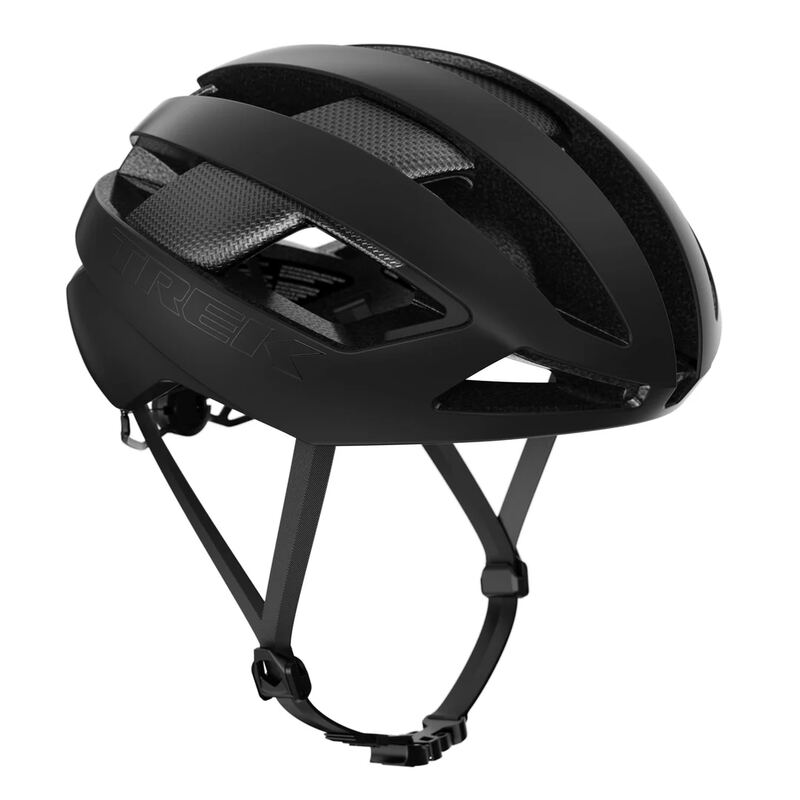
Despite the added mass compared to ultralight rivals like the Trek Velocis, which measured at two hundred and seventy grams in size medium according to OutdoorGearLab, riders rarely notice the difference due to the helmet's exceptional comfort. The weight is distributed evenly by the Roc Loc 5+ Air system, which uses sturdy but supple plastic bands to wrap around the head. This even distribution prevents pressure points that often make heavier helmets feel cumbersome, allowing the Aries to perform well in usability scores despite not being the absolute lightest option available.
Fit adjustments and sunglass storage issues
The Roc Loc 5+ Air retention system offers both vertical and circumferential adjustment, allowing riders to fine-tune the fit for different head shapes. In The Know Cycling appreciated the width adjustment in the plastic strap at the back of the helmet, which helps align the straps with the contour of the noggin before dialing in the tightness via a small dime-sized dial. Vertical adjustment is also available through a snap-in height mechanism on the rear cradle, though it requires removing the helmet to change.
A long-term reviewer found that the placement of the rubber tabs causes sunglasses arms to poke uncomfortably into the head. This design flaw forces riders to constantly monitor their eyewear or remove them entirely during stops, which undermines the convenience of having built-in storage.
Build quality concerns on retention dial
While the overall finish is high-quality with clean EPS and shell integration, some users have encountered manufacturing defects in the rear plastic retention system. A long-term reviewer reported finding a sharp spot from the molding that rubbed against their head around the occipital area. This irritation was severe enough to require sanding down the plastic dial housing before the helmet could be worn comfortably for extended periods.
Such quality control issues are particularly frustrating given the premium price point of the helmet. Although the rest of the construction is robust and designed to age well without peeling or denting, a sharp molding defect in a critical adjustment component detracts from the overall experience. Riders should inspect the retention dial closely upon unboxing to ensure there are no rough edges that could cause discomfort during use.
Strengths
- +Virginia Tech independent safety lab ranked the Giro Aries as its #1 rated helmet across road, mountain bike, and urban categories.
- +Spherical MIPS technology uses a dual-shell ball-and-socket design to mitigate rotational impact forces rather than relying on a standard plastic liner.
- +GearJunkie found the helmet offers best-in-class ventilation with 24 vents that effectively manage heat during high-temperature rides.
- +The DryCore sweat management system features an internal silicone bead in the brow pad designed to channel perspiration away from the eyes and sunglasses.
Watch-outs
- −Cyclist magazine noted a measured weight of 282 grams, making it heavier than some direct competitors despite its premium price point.
- −The helmet is expensive.
How it compares
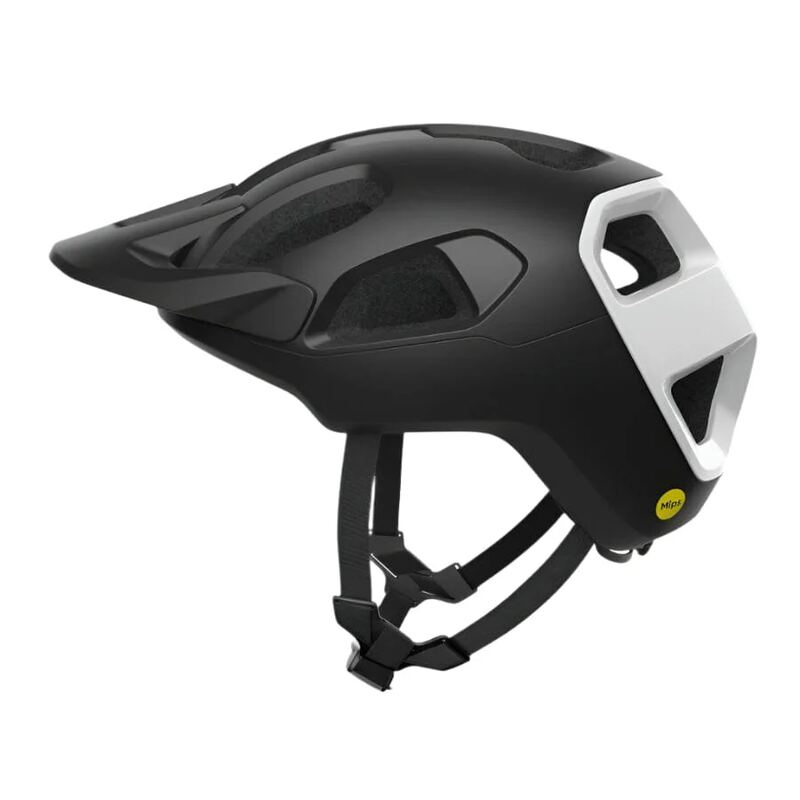
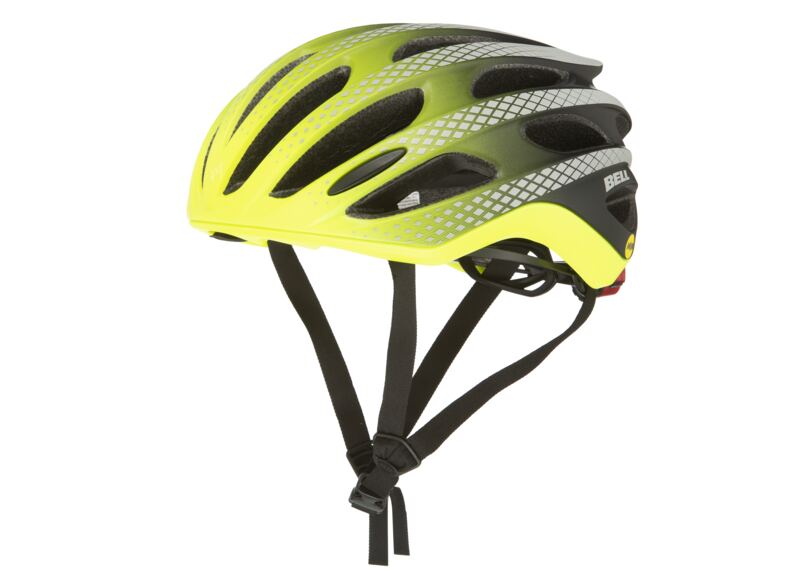
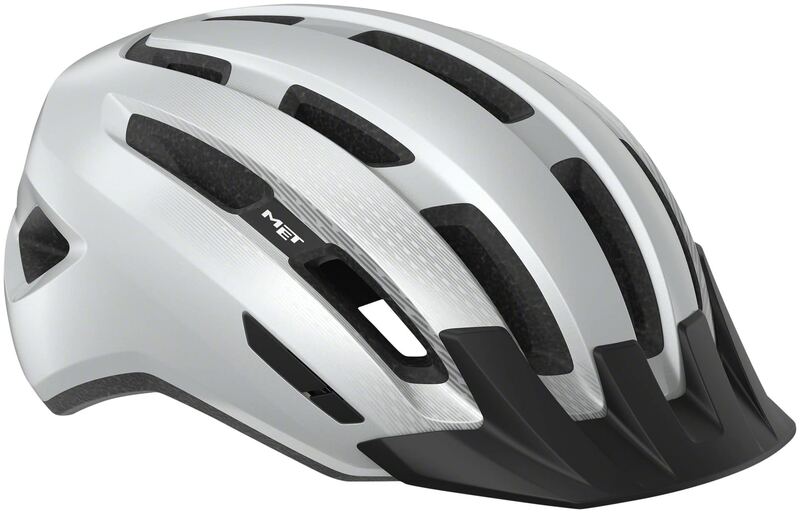
The Giro Aries Spherical offers superior ventilation with 24 vents compared to the Bell Formula's 19 and the Met Downtown's 17, making it cooler for hot rides. Its Spherical MIPS dual-shell design provides a different rotational impact mitigation approach than the standard MIPS liners found in the Smith Signal and Trek Velocis Mips.
Rating sources
“Although not the lightest, the Aries is sleek, airy and comfortable”
Our 4.4 score is the average of the 3 scored reviews above; 5 more reviewed it without printing a score and are not in the average. Ratings marked * were derived from the reviewer’s written analysis or video transcript — the publisher didn’t print an explicit numeric score, so we inferred one from their own words. Click through to verify. More about methodology.