Households already living inside Google Home should buy the Nest Doorbell Wired 2nd Gen. Wired power means always-on 24/7 operation, machine learning runs on-device, and three hours of event history come free. Resolution looks dated next to 2K rivals, and Nest Aware is required to unlock the deeper features, but no competitor feels smoother day to day inside the Google ecosystem.
Full review
7.1-second alerts, on the slow side
Consumer Reports gives the Nest Doorbell Wired 2nd Gen high marks for daytime image clarity, calling the daytime pictures about as sharp and clear as anything they have tested. The 3:4 portrait aspect ratio is the right shape for a doorbell, as The Verge notes, because it captures a person's head and the package at their feet in the same frame without the fisheye distortion that wide-aspect cameras introduce. Where it stumbles, by Consumer Reports' measure, is alert latency.
On-device machine learning is the standout software story. Person, package, animal, and vehicle detection all run on the doorbell's own NPU rather than in the cloud, which means alerts continue working even when Google's servers are slow or your internet drops. The trade-off is that familiar-face detection, which compares incoming faces against a household library, still requires Nest Aware to unlock the storage and processing back-end.
Lowest resolution here, but sharp in daylight
At 960 by 1280 the Nest is officially the lowest-resolution doorbell in this roundup, and on paper that looks like a problem when competitors are pushing 1536p and 2K. In practice the HDR pipeline and Google's image processing do more for perceived clarity than the raw pixel count suggests, particularly in high-contrast scenes like a backlit visitor against a bright doorstep. Consumer Reports specifically calls out the sharp daytime output, and Android Central calls the video quality solid overall. Night performance is the weaker side. Both Android Central and the CR review note the night vision is viewable but not as bright or clear as the better models, and Android Central finds the speaker output on the weak side for outdoor announcements.
May require upgrading your chime transformer
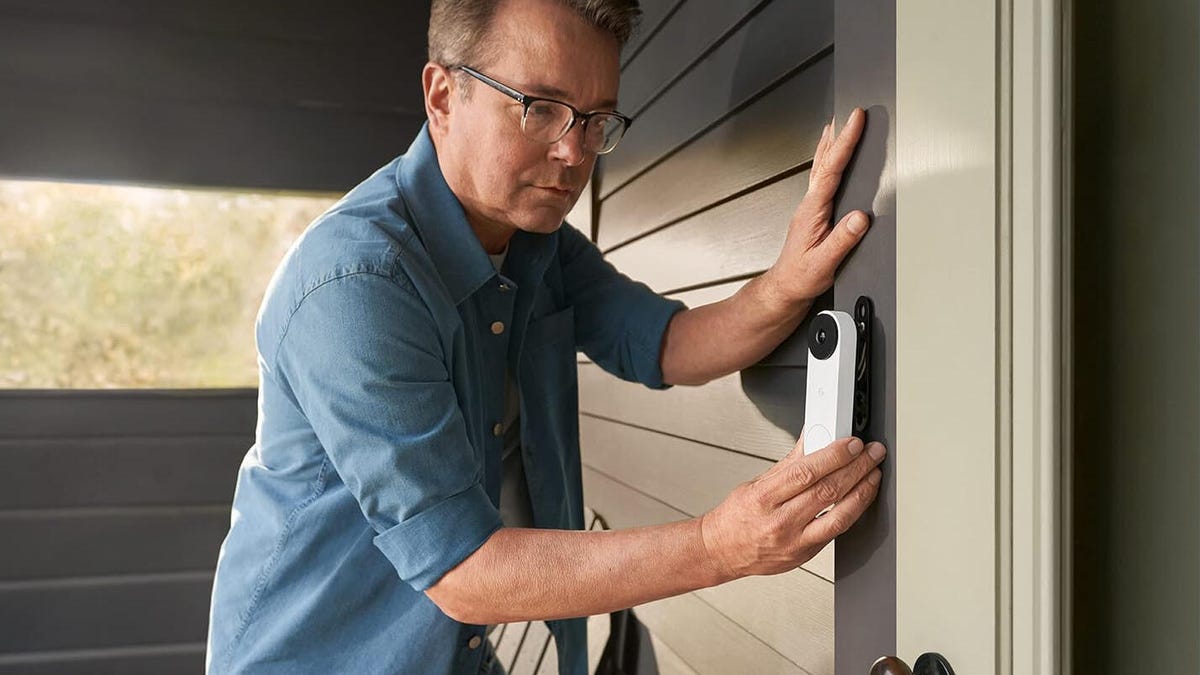
Installation requires an existing wired doorbell with a 16 to 24 VAC, 10 to 40 VA transformer. If you are coming from a Ring battery doorbell or any other wireless model, you may need to upgrade the transformer behind your existing chime before the Nest will run reliably. Google sells a chime connector adapter for some setups but cannot work around an undersized transformer. The Google Home app walks you through the rest in under ten minutes if your wiring is up to spec.
Software is the strongest part of the package. The Google Home redesign shipped in 2025 gave the doorbell a dedicated tile with quick access to event history, motion zones, and quiet hours. Live View streams to any Nest Hub display in the house, and the Doorbell Press chime can route to Google speakers as a backup. If you already have Google smart speakers or displays, the integration is the smoothest in the category and a meaningful reason to pick this over hardware that is technically better on paper.
Only three free hours of event history
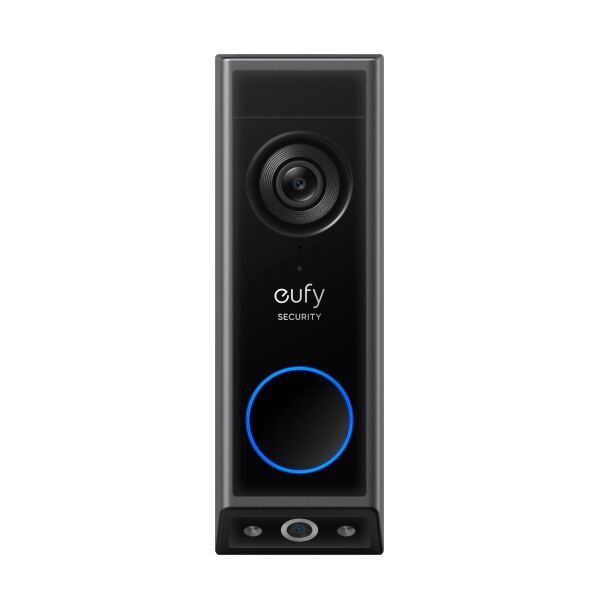
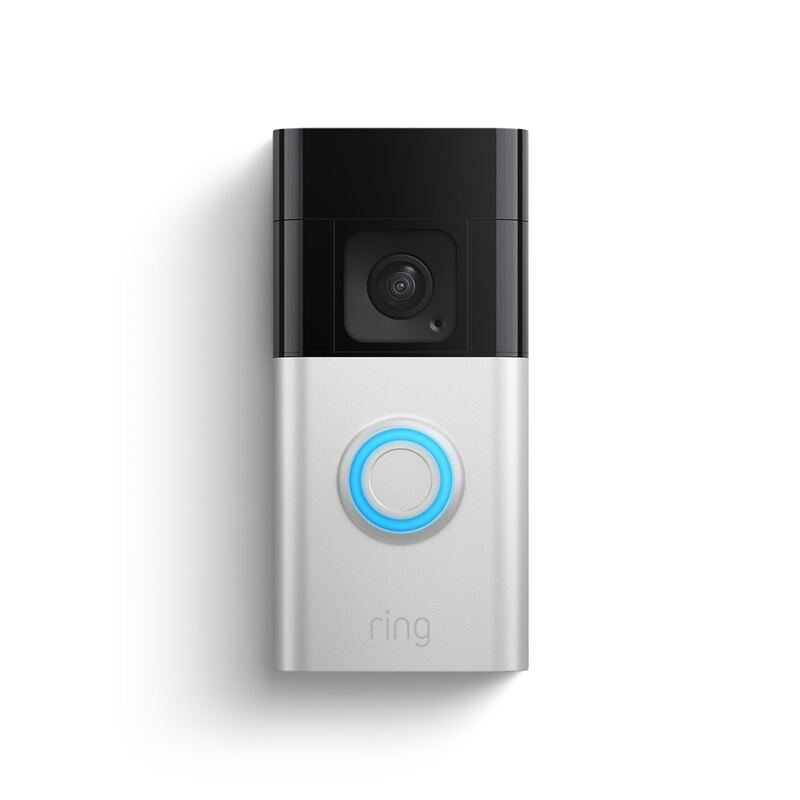
Three issues come up across reviewers. First, the 960 by 1280 resolution is dated and there is no software path forward to higher capture quality without a hardware refresh. Google did launch a Wired 3rd Gen at 2K in late 2025 if pixel count is your priority, but the 2nd Gen remains in the lineup at a lower price and is the better-value pick for most Google households. Second, alert latency is noticeably slower than the Ring Battery Doorbell Plus, which can matter if you rely on real-time notifications to greet visitors or intercept porch pirates. Third, anything beyond three hours of event history requires Nest Aware at 8 dollars a month, which is roughly Eufy E340 buy-it-and-forget-it pricing per year.
There is also no Apple HomeKit, HomeKit Secure Video, or Matter camera support, and there is no path to it given Google's competitive position. If you live in HomeKit, the Aqara G4 is the obvious move.
Smoothest integration for existing Google smart homes
Buy this if you already have a wired doorbell circuit and a Google smart home and you value low-friction integration over chasing the highest resolution number. The 3:4 portrait field of view is the right shape for capturing visitors and packages together, the on-device ML is genuinely useful, and the three free hours of event history covers the most common look-back use case without subscription pressure.
Skip it if you do not have an existing wired doorbell, if you want crisp 2K or 4K video, or if subscription-free storage matters more than ecosystem fit. In those cases look at the Ring Battery Doorbell Plus, the Eufy E340, and the Aqara G4 respectively.
Nest Aware Plus adds 10 days of 24/7 history
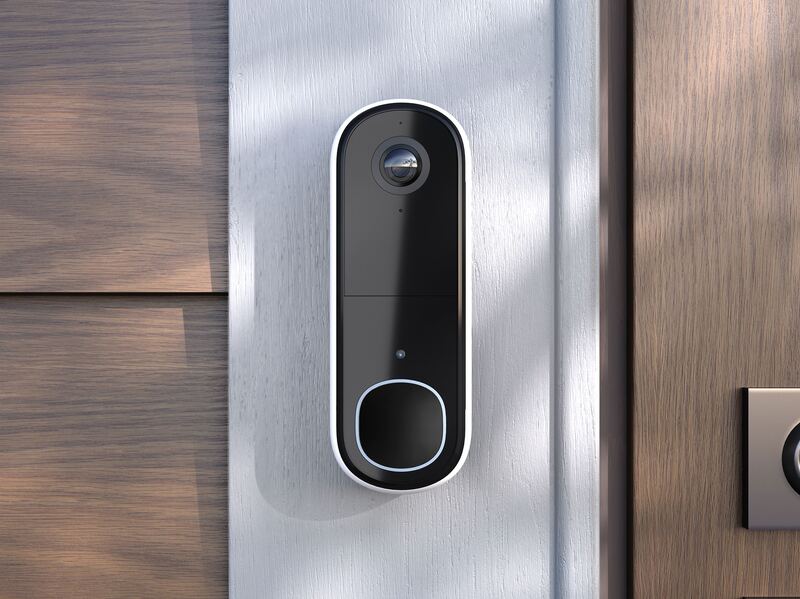
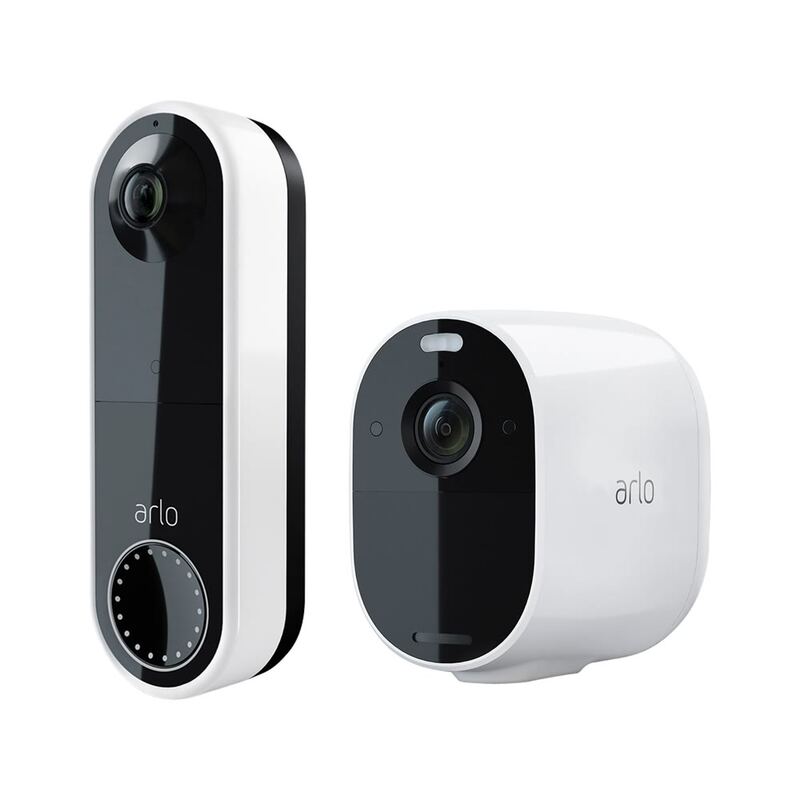
At 179 dollars MSRP the Nest sits in the same price band as the Ring Battery Doorbell Plus and slightly below the Arlo Essential, both of which offer higher raw resolution. What you are paying for is the integration tax, and for Google households it is the right tax to pay. The 3 free hours of event history reduces day-one subscription pressure compared to Ring, and the wired install means you never think about charging cycles. If you can fit it into the Google Home tile alongside existing cameras and displays, the day-to-day experience is the smoothest in the category.
Nest Aware at 8 dollars a month unlocks 30 days of event history plus familiar face detection, which is the right tier for most households. Nest Aware Plus at 15 dollars adds 60 days of event video and 10 days of continuous 24/7 history, which can be useful for monitoring delivery patterns or contractor visits. Across this roundup the Nest's subscription tier sits in the middle on price and the top on features per dollar when familiar-face detection matters.
IP54 rating trails the Eufy and Arlo's IP65
The Nest Doorbell Wired 2nd Gen launched in mid-2022 and has held up well across a multi-year window. Google has shipped consistent firmware updates including the 2025 Google Home redesign that added the dedicated doorbell tile and improved Live View latency. The IP54 rating is the second-best in this roundup behind the IP65 of the Eufy E340 and Arlo Essential, and reviewers report it handles direct rain and snow exposure without issue. The on-device ML chip has not been a bottleneck for any feature shipped to date, suggesting Google has runway on the hardware before pushing buyers to upgrade.
Strengths
- +24/7 continuous recording
- +Advanced AI detection
- +HDR video quality
- +Familiar face alerts
Watch-outs
- −Requires Nest Aware subscription for history, per Android Central
- −Wired installation required
How it compares
Superior AI detection and 24/7 continuous recording make it ideal for Google ecosystem users.
Rating sources
“But until the connectivity bugs are worked out and the Google Home app sees its promised upgrades, I would only recommend buying this if you have an excellent 5GHz Wi-Fi signal by your front door.”
“This model sends its alerts to its app within 7.1 seconds on average, which is on the slow side, impeding your ability to be responsive to situations.”
“The image quality is plenty sharp”
Our 4.0 score is the average of the 2 scored reviews above; 1 more reviewed it without printing a score and is not in the average. Ratings marked * were derived from the reviewer’s written analysis or video transcript — the publisher didn’t print an explicit numeric score, so we inferred one from their own words. Click through to verify. More about methodology.