WeeViews and Runner's World highlight that the Hyperice Normatec Elite Legs significantly improve post-marathon recovery by reducing swelling and soreness through deep, sequential compression. GearJunkie notes that integrating air pumps directly into the boots removes the cumbersome hoses of previous models, allowing for a cordless experience where users can comfortably use laptops during sessions. While Men's Health points out that research on pneumatic compression is mixed regarding physical performance gains, reviewers consistently praise the subjective relief and ease of use despite the $1,099 price tag. This system best fits frequent runners or athletes seeking convenient travel-friendly recovery who value portability over additional features like heat.
Full review
Integrated pumps eliminate external compressor bulk
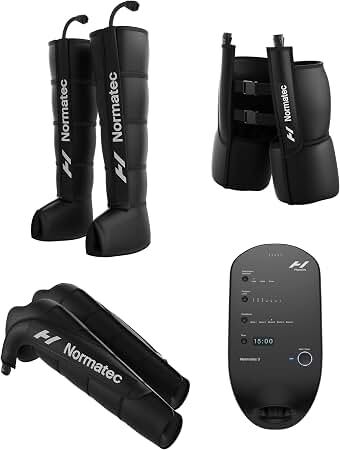
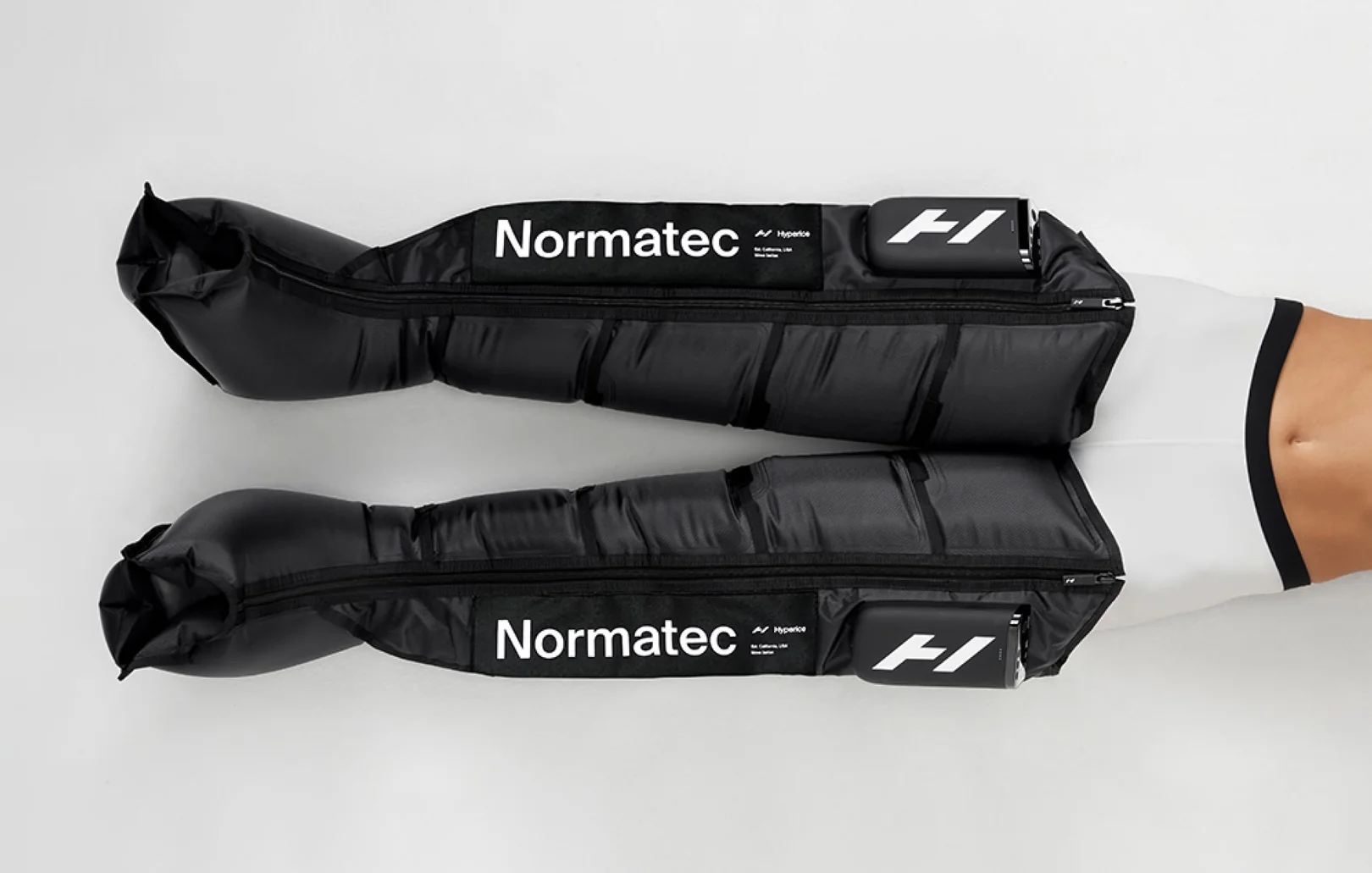
The defining architectural shift in this model is the relocation of pneumatic compression hardware directly into the leg sleeves, a departure from previous generations that tethered boots to an external air pump via thick hoses. This design change removes the bulky control unit and eliminates the need for AC outlets or long power cords during operation. The pumps are positioned slightly to the outside of each thigh, which serves a dual purpose by securing the hardware while simultaneously clearing lap space. RunnersWorld noted that this specific layout allows users to comfortably balance a laptop on their legs without obstruction from tethered equipment, transforming recovery into an activity compatible with remote work or reading.
The physical footprint of the system shrinks dramatically because each boot houses its own compressor and control panel. GearJunkie found that removing the external housing unit makes the device significantly more portable for non-professional athletes who previously faced logistical hurdles transporting heavy, corded systems. This weight distribution keeps the center of gravity low and allows the system to be packed into a standard drawstring pouch for travel, addressing one of the primary complaints about earlier iterations that were deemed too cumbersome for away races.
Five-zone sequential compression mechanics
The recovery mechanism relies on five overlapping air chambers per boot that inflate sequentially from the foot up to the hip. This gapless design ensures continuous pressure as one chamber deflates while the next inflates, mimicking a manual lymphatic drainage massage. The zones are distinctly separated into the foot and ankle, calf, knee, lower quad, and upper quad. RunnersWorld observed that this sequential inflation helps push pooled fluid back into circulation, which is particularly useful for flushing out metabolic waste accumulated during high-volume training or long-distance running.
Users can customize the intensity across seven distinct pressure levels to accommodate different tolerance thresholds. Men's Health reported that starting at a lower level allows users to acclimate to the sensation before ramping up, noting that the highest setting can feel uncomfortably snug around the upper thigh for some individuals. The system also includes a ZoneBoost feature that lets users select one specific area to receive an additional 60 seconds of massage time with slightly increased pressure. This is useful for targeting localized soreness in the knees or calves after intense workouts, allowing for asymmetrical recovery protocols if one leg feels more fatigued than the other.
Battery life and charging logistics
Powering these integrated pumps requires a rechargeable battery system that Men's Health rated at four hours of continuous use per full charge. This capacity is sufficient for multiple recovery sessions without needing to plug in, though the boots do require about five hours to fully charge from empty using the included split charging cord. The charger connects directly to the bottom of each control unit on the legs, allowing both boots to be charged simultaneously rather than sequentially. RunnersWorld highlighted that this wireless operation removes the friction of setting up external compressors, making it easier to integrate recovery into a daily routine without hunting for nearby power outlets.
Battery management is handled through a simple indicator light system located on the control unit. GearJunkie noted that while the battery life is robust enough for most recreational and semi-professional athletes, heavy users who rely on compression therapy multiple times a day might need to charge the boots overnight or during rest days. The lack of an external power brick also means there are fewer components to lose or break during travel, though the internal batteries will inevitably degrade over years of use. Users should ensure they have access to a standard outlet at their destination if planning extended trips without reliable charging infrastructure.
Sizing options and physical fit
Hyperice offers three distinct sizes to accommodate different leg lengths and circumferences: short for individuals 5 feet 3 inches and under, standard for those between 5 feet 4 inches and 6 feet 3 inches, and tall for anyone over 6 feet 4 inches. RunnersWorld emphasized that getting the size right is critical because the five compression zones must align correctly with the user's anatomy to be effective. If a boot is too long or too short, the pressure points will miss key muscle groups like the calves or quads, reducing the therapeutic benefit of the sequential inflation.
The boots feature a full-length zipper that runs from the toe area up the shin and thigh, making them relatively easy to put on compared to traditional tight-fitting compression garments. YouTube reviewers noted that users can either slide their legs in like pants or fully unzip the boot to place their foot inside before zipping it back up. The material is a sturdy nylon blend with a checkered pattern that provides durability while remaining comfortable against the skin. Men's Health reported that unboxing and setup takes about ten minutes, including downloading the companion app and registering the device, which pairs automatically via Bluetooth for those who prefer digital control over manual buttons.
Thermal buildup during extended sessions
A recurring physical side effect of using these boots is significant heat retention inside the sealed nylon sleeves. RunnersWorld reported that users often feel warm or even damp after an hour-long session, particularly if used in summer months without air conditioning. The airtight nature of the compression chambers traps body heat and sweat, which can be uncomfortable for some athletes. To mitigate this, reviewers suggest sitting below a ceiling fan during use and wearing minimal clothing underneath the boots to allow for better airflow.
Post-use maintenance requires users to unzip the boots completely and let them air dry overnight to prevent moisture buildup and potential odor or mildew issues. Hyperice.zendesk advises wiping down the system with a damp, clean cloth or antiseptic wipe after use, but explicitly warns against machine washing or drying the sleeves. This care routine adds a step to the recovery process that users of previous hose-based models did not have to manage in quite the same way, as the external pumps were never exposed to sweat and could be wiped down separately from the leg garments.
Recovery efficacy for post-marathon soreness
User experiences with recovery speed vary, but many athletes report noticeable reductions in muscle stiffness and swelling after use. WeeViews shared an account of using the boots following a marathon, noting that the deep compression helped drain leg ache so effectively that they did not experience the typical two-day post-race soreness where standing up was difficult. The reviewer described the sensation as feeling better than a human massage because it covers every muscle group simultaneously without requiring manual repositioning. This full-leg coverage is particularly valued by runners who need to recover quickly between training blocks or races.
However, scientific literature presents a more nuanced picture of performance benefits. Men's Health cited studies indicating that while intermittent pneumatic compression reduces perceived muscle soreness and swelling, it may have negligible effects on actual physical performance metrics like speed or power output. Some athletes use the boots primarily for subjective comfort and fluid reduction rather than expecting them to drastically improve race times. This distinction is important for buyers who might expect a magic bullet for recovery; the boots excel at making legs feel fresher and less swollen, which indirectly supports better training consistency.
Missing modalities limit versatility
The Normatec Elite focuses exclusively on pneumatic compression, meaning it lacks heat or vibration features found in some competing recovery devices. GearJunkie explicitly listed the absence of these additional modalities as a con, noting that users who enjoy the soothing effects of heated massage guns or percussive therapy will not find them here. This single-focus design keeps the boots lightweight and simple to operate but may feel limiting for athletes who prefer multi-sensory recovery routines.
The simplicity of having only seven pressure levels and basic timing controls is a trade-off for the wireless portability. While the companion app allows for some customization, including syncing with Apple Health or Strava data to suggest routines, the core functionality remains straightforward. Men's Health noted that the device is easy to set up and use, which appeals to those who want a no-fuss recovery tool. However, users seeking advanced features like adjustable inflation speeds or pause durations between cycles may find the controls too basic compared to more complex medical-grade compression systems.
Price point targets serious athletes
At $1,099, the Normatec Elite represents a significant financial investment that places it out of reach for casual gym-goers or occasional runners. WeeViews acknowledged the high price tag but argued that for those running consistently and frequently, particularly marathoners who need rapid recovery between long runs, the cost is justified by the time saved in feeling ready to train again. The premium pricing reflects the proprietary technology of the integrated pumps and the brand's reputation in the professional sports circuit.
The value proposition hinges on usage frequency. RunnersWorld suggested that while the hoseless design adds about $200 compared to some older models, the convenience factor might warrant the extra cost for users who travel frequently or work at a desk during recovery sessions. For recreational athletes who only run once or twice a week, the boots may be an unnecessary expense when cheaper alternatives like foam rollers or basic compression sleeves can provide similar benefits with less financial commitment. The high entry price ensures that this tool is primarily adopted by individuals for whom leg recovery is a central component of their training regimen.
Strengths
- +Integrated air pumps in each leg eliminate bulky external compressors and hoses, making the system cordless and portable.
- +Five overlapping compression zones provide full-leg sequential massage from foot to hip for enhanced blood flow.
- +Wireless design allows users to work or relax with a laptop on their lap without obstruction from tethered equipment.
Watch-outs
- −High price point of $1,099 makes it an expensive investment for recreational athletes.
- −Users report feeling warm inside the boots during extended sessions, requiring them to remain unzipped to dry out afterward.
- −Lacks vibration or heat modalities found in some competing recovery devices.
How it compares
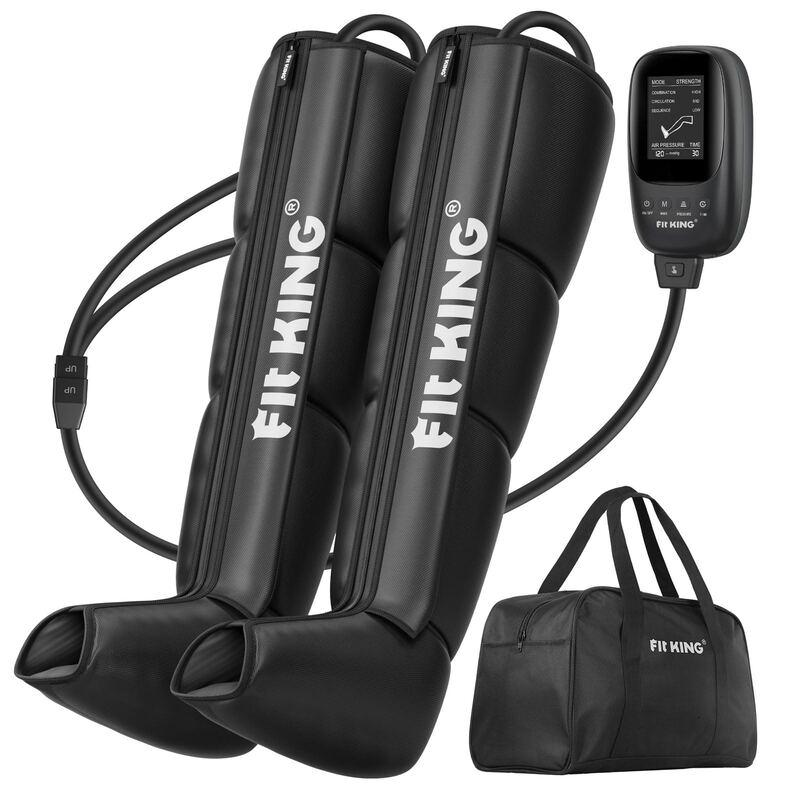
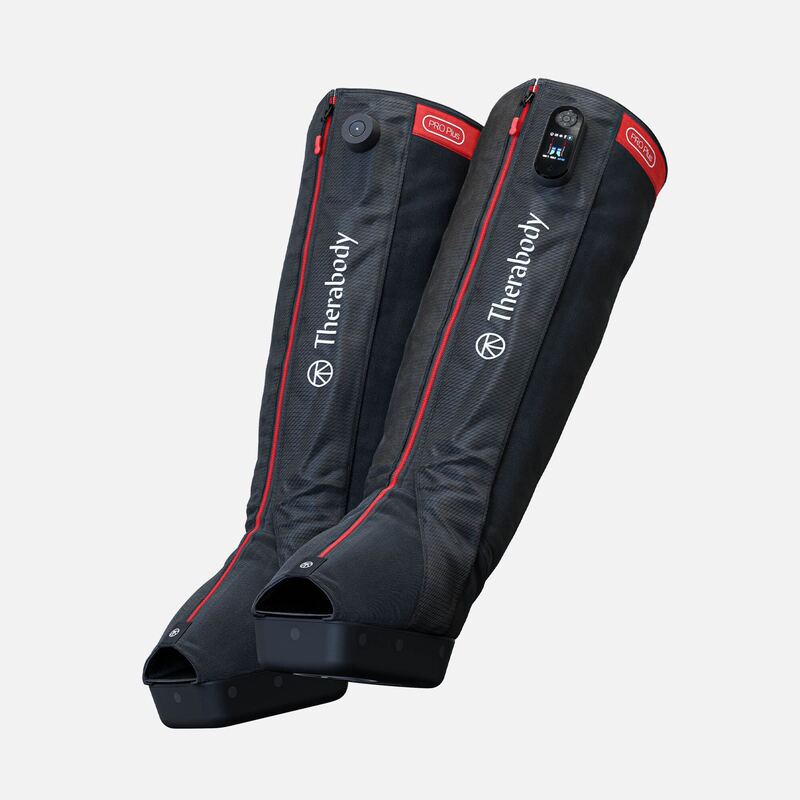
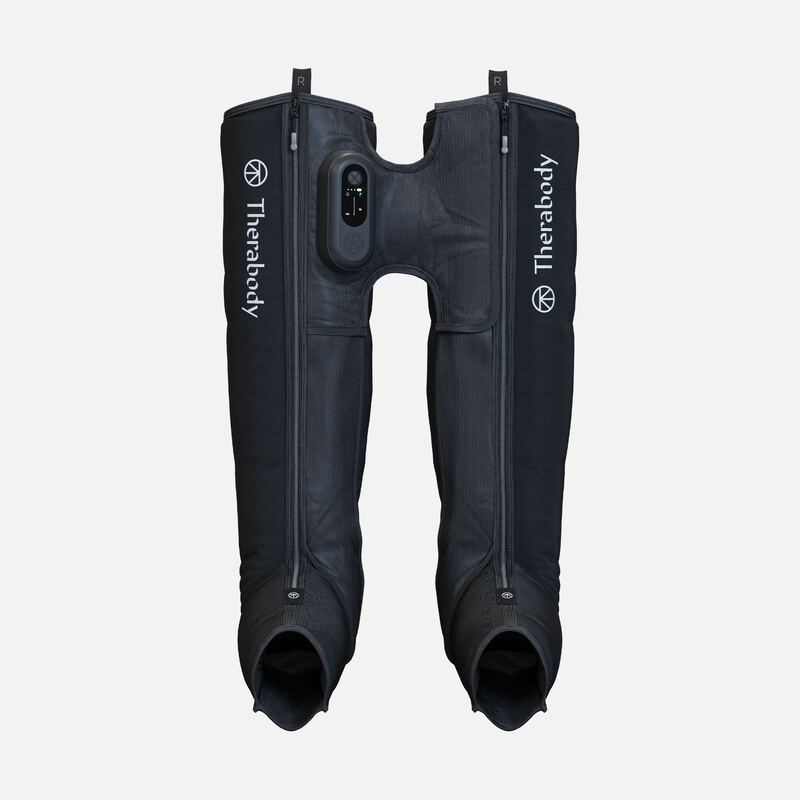
The Hyperice Normatec Elites integrate air pumps directly into the boots for a truly cordless experience, whereas the FIT King system relies on external compressors and hoses. While both offer five compression zones, the Elites provide four hours of battery life compared to the unspecified or limited runtime of corded competitors, making them superior for travel despite lacking vibration features found in the Therabody PRO Plus.
Rating sources
“I was actually shocked by how well they worked after my latest marathon.”
Our 5.0 score is the average of the 2 scored reviews above; 6 more reviewed it without printing a score and are not in the average. Ratings marked * were derived from the reviewer’s written analysis or video transcript — the publisher didn’t print an explicit numeric score, so we inferred one from their own words. Click through to verify. More about methodology.