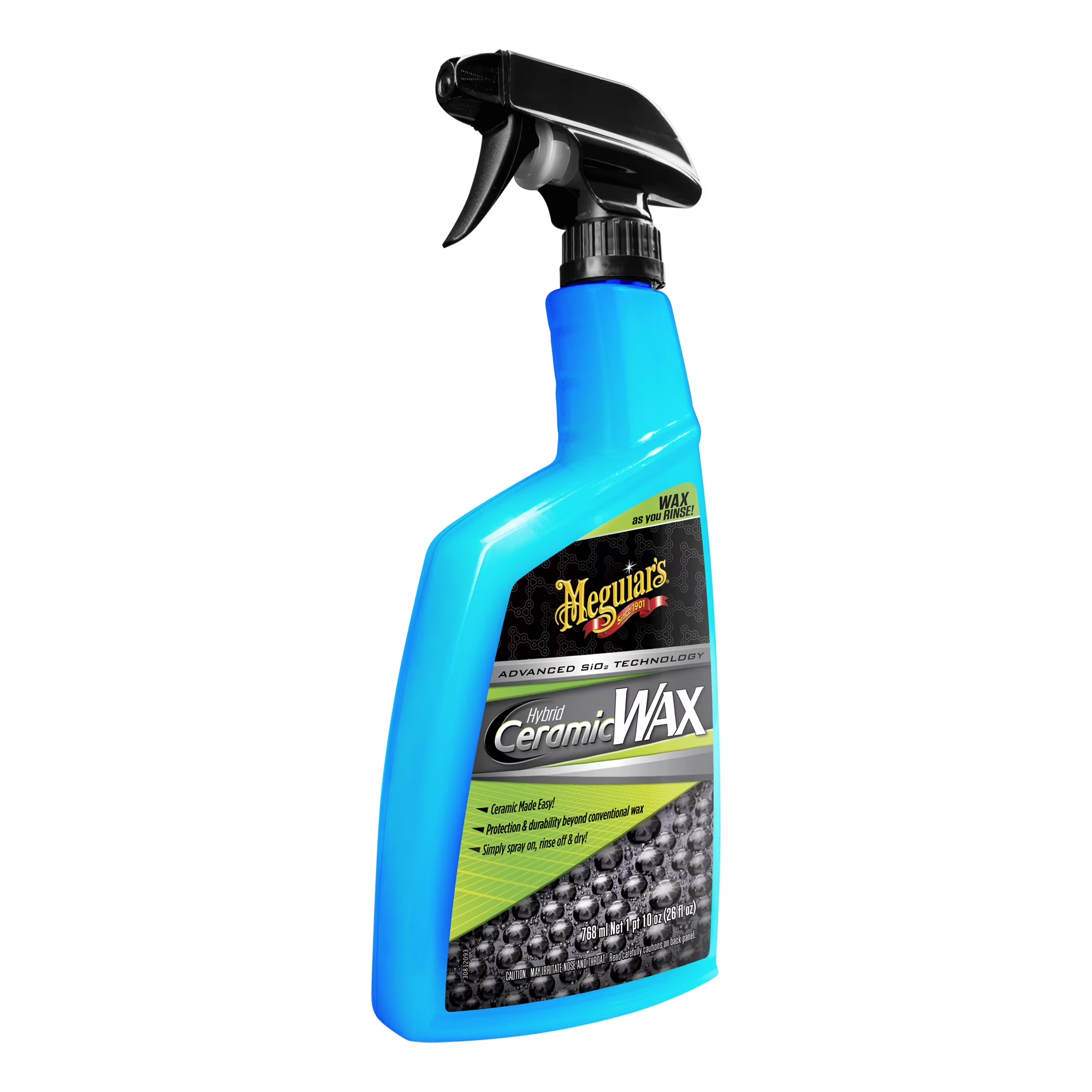
Spray it on, rinse it off, do it during the wash: Meguiar's Hybrid Ceramic Wax puts SiO2 ceramic beading into that routine. Convenience is the whole point, with superb water beading and real protection in a fraction of the time. What you lose is the depth and longevity of a hand-applied wax.
Full review
Wax goes on during the rinse, no buffing
Meguiar's Hybrid Ceramic Wax reimagines waxing as part of the wash rather than a separate task. As Meguiar's puts it, the SiO2 hybrid chemistry delivers ceramic protection so easy to use that you can wax your paint as you rinse off your car. You spray it onto a wet vehicle, give it a rinse, and dry it, and the ceramic layer is laid down with no rubbing, no curing, and no buffing step at all. That workflow is genuinely different from every traditional wax, and it is what the whole product is designed around.
The result is the standout feature: extreme, tight water beading that sheets off the panel almost the moment you finish. Autos.Yahoo's testers found it delivered the ease of a liquid wax with enhanced ceramic protection, and Automoblog echoed that the ceramic chemistry adds meaningful hydrophobics over a conventional spray wax. It will not match a thick hand-applied paste for visual depth, and the SiO2 film is thinner than a true coating, but for sheer beading performance and speed of application it is excellent, and the protection it leaves behind clearly outclasses a basic spray wax.
Build Quality and Application
The application method is the entire point and the reason to buy this over a hand wax. After washing and rinsing off the soap, you spray the product onto the still-wet paint, follow with a second rinse using a strong stream of water to help it spread and lay down evenly, then dry the vehicle with a quality microfiber towel. There is no haze-and-buff cycle, no mandatory cure time before driving, and no risk of streaking from a panel drying too fast in the sun, which is the failure mode that frustrates first-time wax users.
That said, getting truly even coverage with the spray-and-rinse method takes a little practice. Apply too little product to one area and the beading there is noticeably patchier than the rest of the car; the second rinse is what spreads and evens the coat, so the technique and the rinse matter more than they do with a wipe-on wax. Once you have the rhythm down, though, it adds only a couple of minutes to a normal wash, and there is no separate session, no applicator pads to clean, and no residue to dig out of panel gaps afterward.
26oz bottle covers many washes at once
Convenience dominates the praise, and for good reason. Reviewers love that ceramic-grade beading no longer requires a dedicated detailing session with multiple products and an afternoon of work; it simply folds into a routine wash. Automoblog and Autos.Yahoo both highlighted the combination of liquid-wax ease with ceramic-level water protection, which is precisely the niche the product was built to fill and a niche it fills better than most.
The 26 oz spray bottle and the small amount needed per wash also make it economical over time, since a single bottle covers many washes. And because it is safe on glass, wheels, and trim in addition to paint, you can hit the entire vehicle in one pass during the rinse rather than switching between specialized products for each surface. For an owner who already washes weekly, the marginal effort to add ceramic protection is close to zero, which is the strongest argument in its favor.
Less depth than hand-applied waxes, uneven for beginners
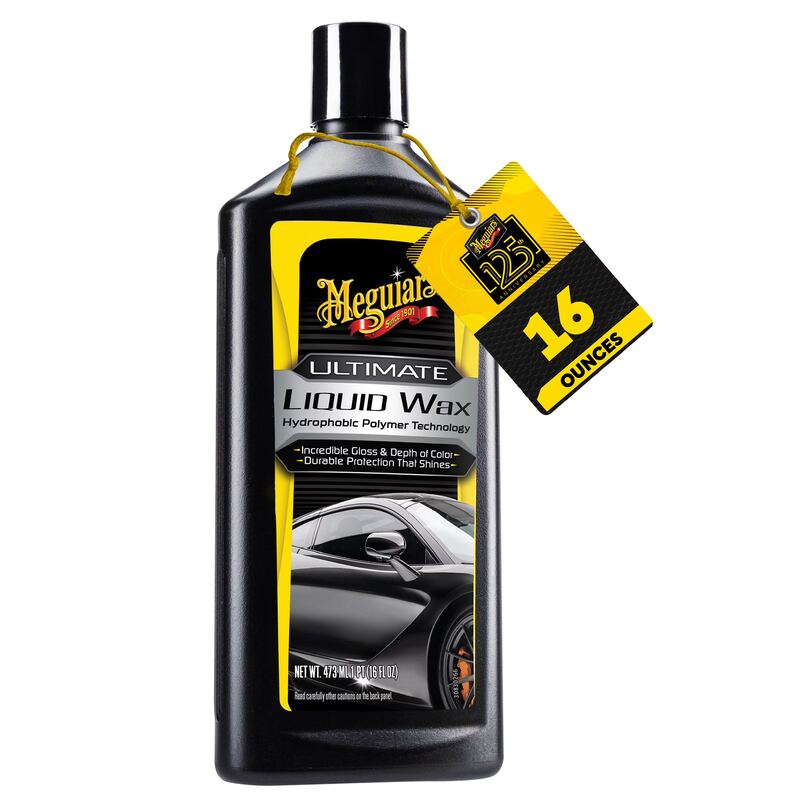
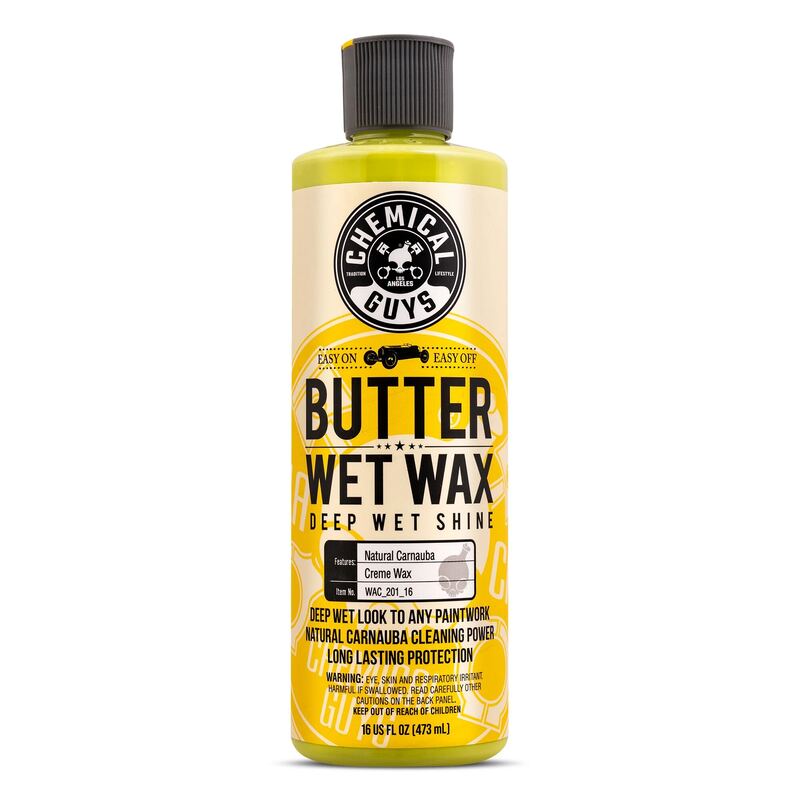
The trade for speed is depth. A spray ceramic lays down a very thin film, so it does not build the warm, three-dimensional gloss of the hand-applied Chemical Guys Butter Wet Wax or even the synthetic Meguiar's Ultimate Liquid Wax. The finish reads as clean and beady rather than deep and wet, which is fine for a daily driver but underwhelming if you are chasing show-car looks. Buyers expecting a dramatic visual transformation should temper expectations; the headline here is protection and convenience, not gloss.
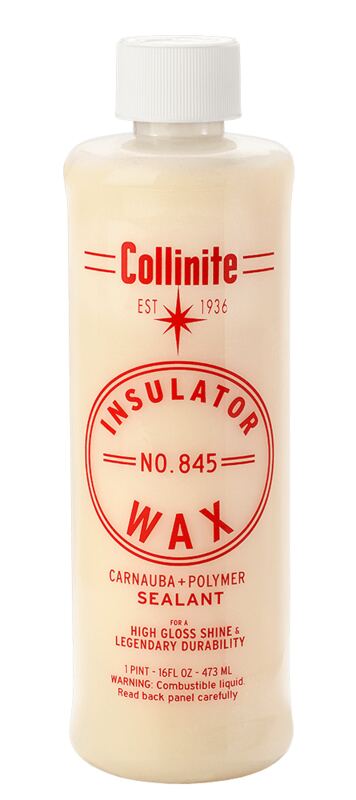
Durability is good but not class-leading. It comfortably outlasts a basic carnauba spray, but it does not approach the four-to-seven-month window of the Collinite 845 Insulator Wax, and as a rinse-on product its longevity depends heavily on getting an even coat. The spray-and-rinse method, while fast, is also less precise than a careful hand application, so first-timers may see uneven beading across panels until they learn to lay the product down consistently and let the rinse do its work.
Rinses on, unlike the Turtle Wax spray-on method
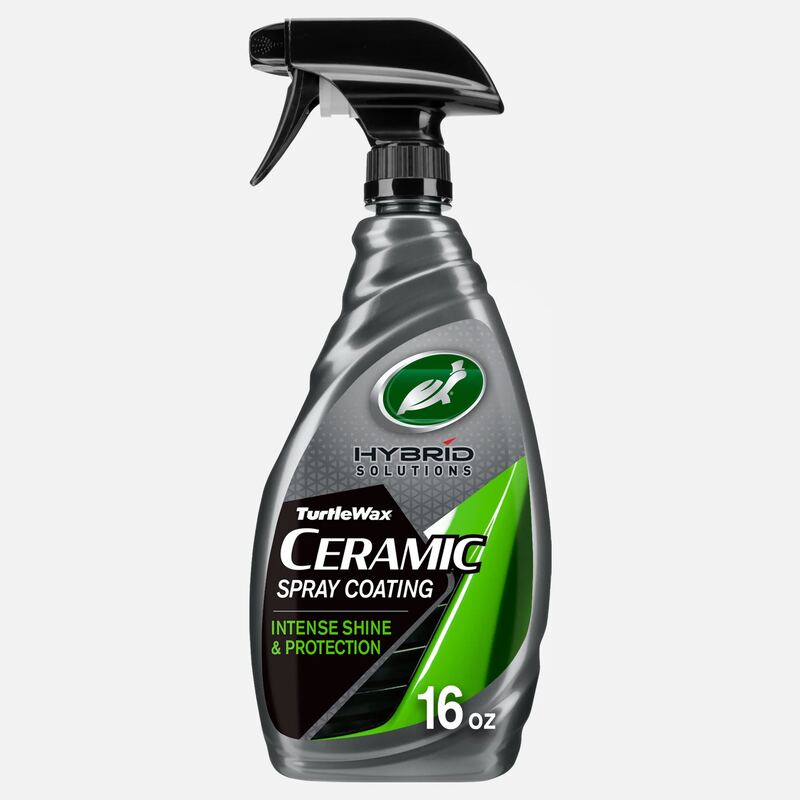
Its closest rival in this group is the Turtle Wax Hybrid Solutions Ceramic Spray Coating; both are SiO2 spray products chasing the same convenience-plus-beading goal. The Meguiar's differentiates with its distinctive rinse-on application that integrates directly into the wash process, while the Turtle Wax uses a more conventional spray-on, wipe-off method and undercuts it on price. Which you prefer comes down to whether the wax-as-you-rinse workflow appeals to you or feels gimmicky.
Against the rest of the lineup, it is the speed champion. It is faster to apply than the hand-applied Meguiar's Ultimate Liquid Wax and Chemical Guys Butter Wet Wax, and far faster than the careful thin coat the Collinite 845 demands. It simply trades some visual depth and some longevity for that speed, which is a reasonable bargain for the busy owner but a poor one for the perfectionist or the person who wants to wax once and forget it for a season.
Built into a routine wash, not a chore
This wax is for the owner who washes the car regularly and wants strong, reliable water beading without adding a separate waxing chore to the calendar. If your idea of car care is a quick weekend wash in the driveway, spraying this on during the final rinse gives you ceramic-grade hydrophobics for almost no extra time or effort, and keeps the protection topped up week after week.
It is the wrong choice if you want the deepest possible shine or the longest protection from a single application. For depth and warmth, reach for the hand-applied Chemical Guys or the Meguiar's Ultimate Liquid Wax; for sheer longevity, the Collinite 845. But for pure convenience paired with genuine ceramic beading, the Hybrid Ceramic earns its spot and is the easiest product in this entire group to keep on the car consistently.
Strengths
- +Spray-on, rinse-off application is dramatically faster than a traditional wax
- +SiO2 ceramic chemistry produces strong, tight water beading
- +No rubbing, curing, or buffing required after application
- +Can be applied to a wet car right after washing
- +More durable than a basic carnauba spray wax
Watch-outs
- −Even, streak-free coverage takes practice with the spray-and-rinse method
- −Less depth of shine than a hand-applied carnauba or liquid wax
- −Protection trails a dedicated paste or the Collinite 845
How it compares
The fastest wax-as-you-rinse product here, beading harder than the carnauba Chemical Guys Butter Wet Wax. It trades depth of shine to the Meguiar's Ultimate Liquid Wax and outright durability to the Collinite 845 Insulator Wax. It competes most directly with the Turtle Wax Hybrid Solutions Ceramic Spray Coating, with Meguiar's leaning on its rinse-on method.
Rating sources
“Meguiar's Hybrid Ceramic Liquid Wax delivered the ease of a liquid wax with enhanced ceramic protection.”
Our 4.2 score is the average of these published ratings. Ratings marked * were derived from the reviewer’s written analysis or video transcript — the publisher didn’t print an explicit numeric score, so we inferred one from their own words. Click through to verify. More about methodology.