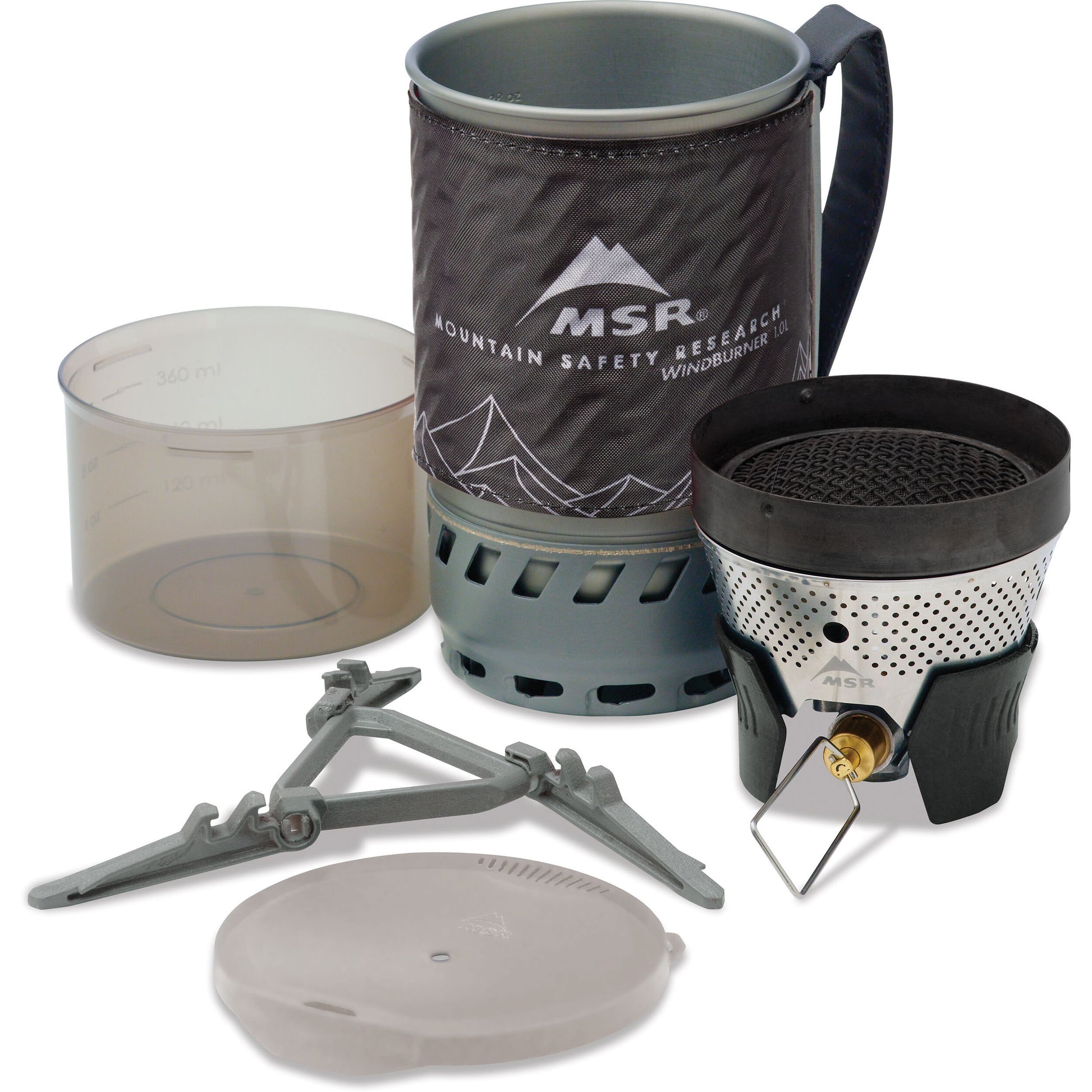
In bad weather the MSR WindBurner is the integrated system to beat. Its enclosed radiant burner has no exposed flame to blow out, and CleverHiker, which rated it 4.6 of 5, called it among the best-performing canister systems on the market after a month of flawless use in Patagonia. Boils come fast and efficiently, and it holds steady in cold and wind. Like its peers it simmers poorly, making it a windproof boiler rather than a true cooker.
Full review
A burner the wind cannot reach
The WindBurner's enclosed radiant burner has no exposed flame, which is the whole design. CleverHiker used it for a month in Patagonia, about as windy as testing gets, without a single problem, and GearJunkie makes the same point more plainly: with a radiant burner you are not worrying about a flame dying in a gust.
It is quick as well as sheltered. CleverHiker measured an average boil of about 3 minutes 30 seconds per litre, faster than MSR's own listed 4 minutes 30 seconds, and OutdoorGearLab clocked half a litre in 2 minutes 34 seconds. The pressure-regulated burner holds that output as the canister cools or pressure drops, which is what earns the four-season label; OutdoorGearLab framed it as a reliable partner on a winter expedition or above the treeline in summer.
Locked-on pot, 15.3 ounces
The system is sealed and integrated, and the engineering shows. The honeycomb radiant burner, the heat-exchanger pot and the locking interface between them are visibly well made, and the pot locks on rather than balancing, so nothing wobbles mid-boil and the connection stays burn-protective. Burner, canister and accessories all nest inside the 1-litre pot.
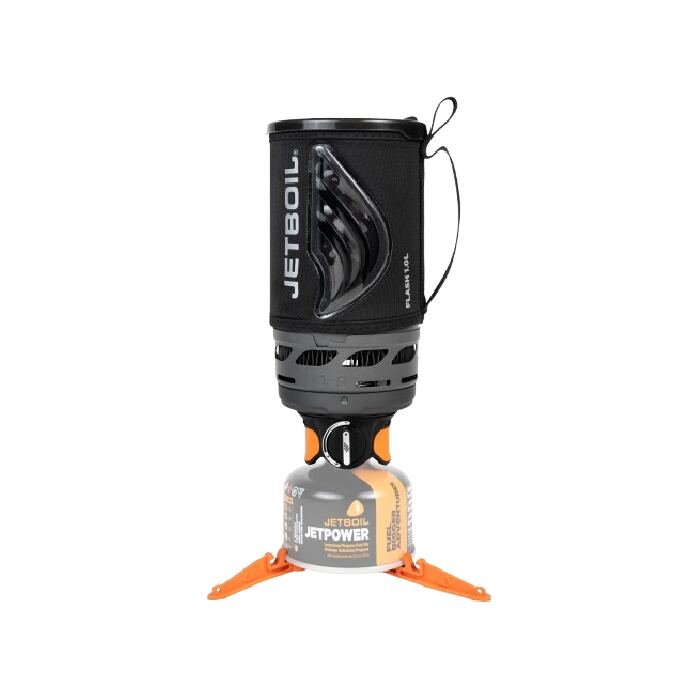
At about 15.3 ounces it is heavier than the Jetboil Flash, and that weight is precisely what the enclosed burner and the regulator cost. For a stove whose job is working in bad conditions the trade is reasonable, but anyone counting ounces will feel it in the pack.
It boils; it does not cook
The enclosed burner that defeats wind also makes fine heat modulation difficult, so simmer control is limited. This is a water boiler. MSR sells larger WindBurner pots that widen the range somewhat, but the personal system is built for fast, repeatable boils rather than actual cooking, and it is a single-pot setup that will not feed a group. It also carries a premium price for a one-person stove.
Where it beats the Flash, and where it does not
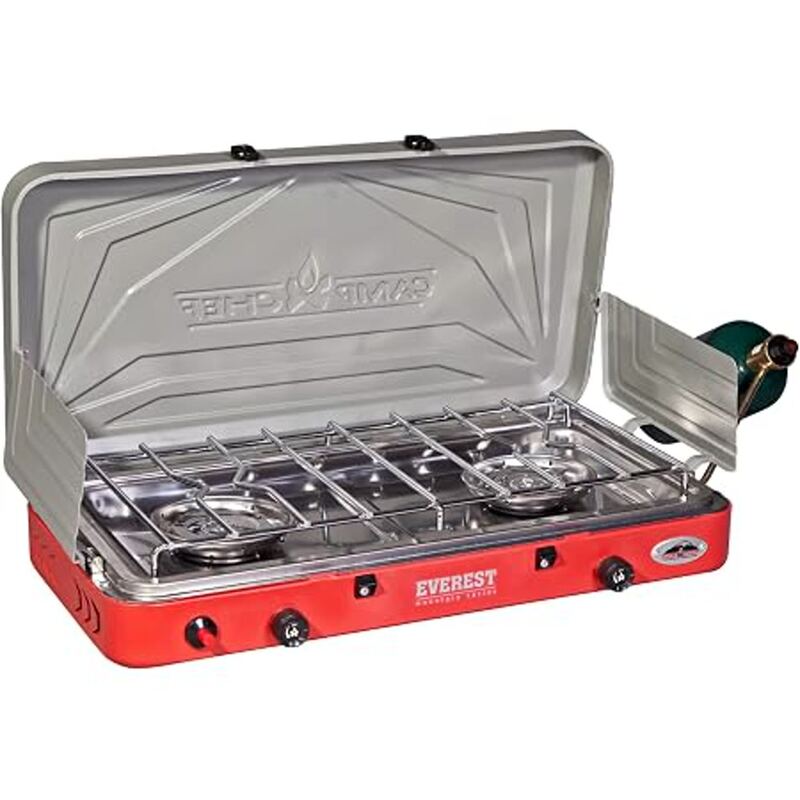
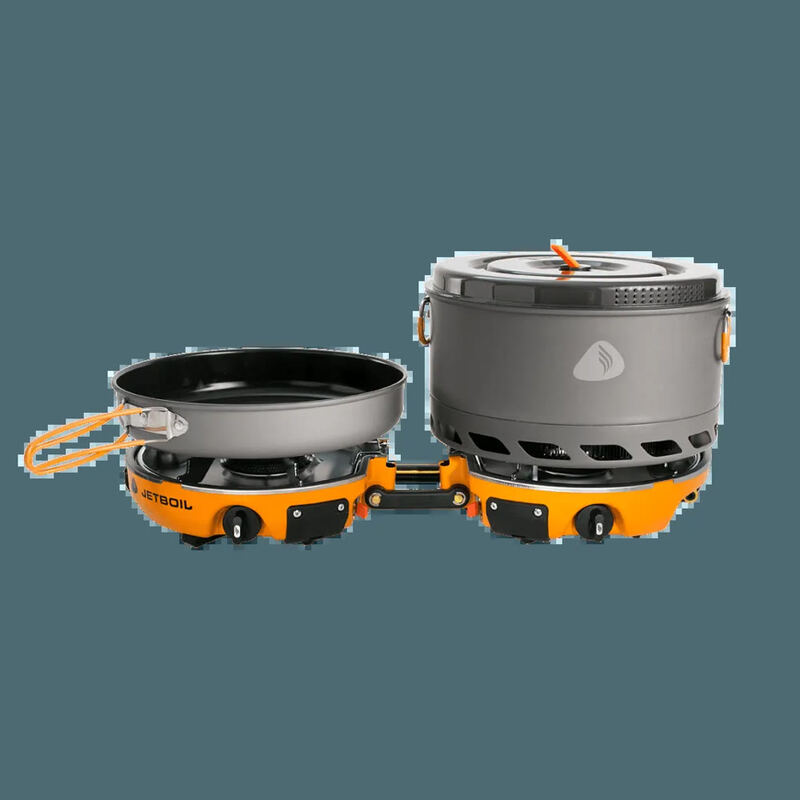
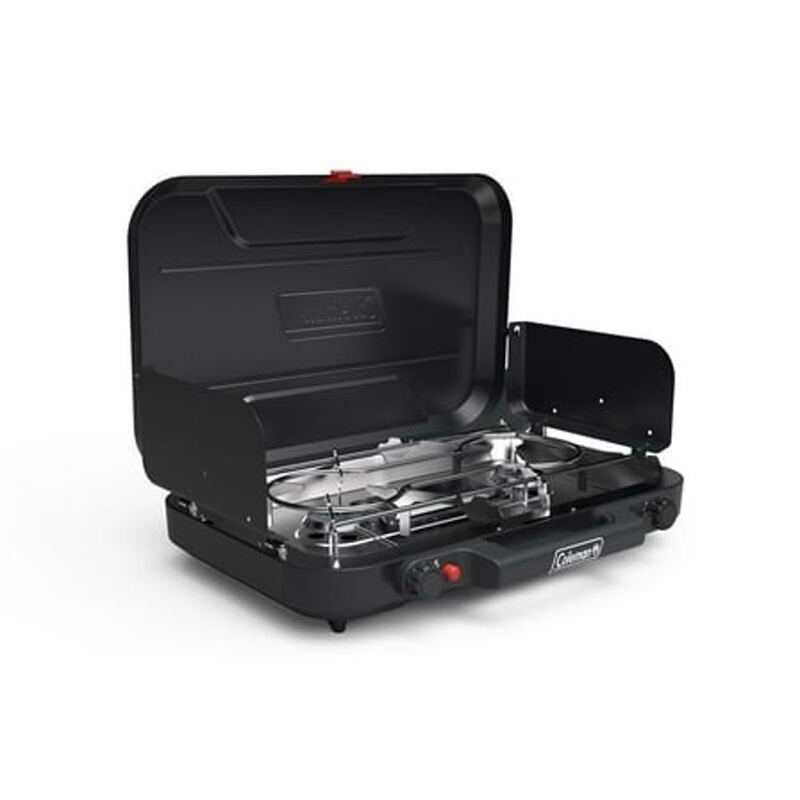
Against the Jetboil Flash the WindBurner is the more weatherproof and genuinely four-season system, trading weight and cost for a burner that ignores wind; the Flash is lighter and marginally quicker in still air, and both share the same simmer limitation. Against the two-burner Camp Chef Everest 2X, Jetboil Genesis Basecamp and Coleman Cascade Classic it is not really the same product — those are camp kitchens that cook, this is a packable boiler that works when the weather turns. If your trips involve exposed ridgelines, winter, or alpine starts, that is the trade worth making.
Strengths
- +Best-in-class wind performance from an enclosed radiant burner with no exposed flame
- +Fast, fuel-efficient boils, around 3 minutes 30 seconds per liter in CleverHiker testing
- +Pressure-regulated burner keeps output steady in cold and at altitude
- +Locking pot-to-burner interface is secure and burn-protective
- +Proven on extended expeditions, including a month in Patagonia without a hitch
Watch-outs
- −Limited simmer control, like most integrated systems, so it is mainly a boiler
- −Heavier than the Jetboil Flash at about 15.3 oz
- −Single-pot personal system is not built for group cooking
- −Premium price for a one-person stove
How it compares
Beats the Jetboil Flash on wind performance while matching its boil speed, but is heavier and pricier; like the Flash it cannot match the two-burner cooking range of the Camp Chef Everest 2X, Jetboil Genesis Basecamp, or Coleman Cascade Classic.
Rating sources
“The WindBurner is among the best-performing integrated canister stove systems on the market.”
“Whether braving a winter expedition or camping high above the treeline in summer, this stove is a reliable partner for quickly boiling water.”
“The integrated lock-on pot maximizes heat transfer, and the radiant burner means you don't have to worry about a flame dying in the wind.”
Our 4.3 score is the average of these published ratings. More about methodology.