The Peak Design Travel Tripod offers excellent stability and compactness for its weight, with reviewers praising its fast deployment and durable build. Fstoppers' Ivor Rackham noted its superior locking mechanism that prevents camera drops, while DPRevived.com users appreciated its compact design and fast setup. However, some users find it heavier than carbon fiber models, and the standard ball head may require additional accessories for certain configurations. This tripod suits photographers who value portability and reliability over ultra-lightweight options.

Full review
Build Quality and Design
Peak Design's Travel Tripod exemplifies the brand's signature minimalist aesthetic, with a sleek black finish that appears almost stealth-like under harsh lighting conditions. According to Fstoppers' Ivor Rackham, the aluminum version weighs 3.44 pounds (1.56 kg), which is notably heavier than the carbon fiber variant at 2.81 pounds, yet still remarkably portable for a tripod of this size. The build quality, as noted by Acoustic Nature's Jared Blake, is exceptional with recycled aluminum components and tight tolerances that result in smooth leg movement and precise adjustments. The tripod's design features thin, compact flip locks that enable rapid leg deployment, a feature unique to Peak Design and praised by The Adventure Portal's Bret Edge for its efficiency during field setups.
The tripod's construction includes machined aluminum components and rubber elements that contribute to its durability, as demonstrated by Blake's 7-month field use in extreme environments including high elevations, salty beaches, and dusty deserts. The ball head design is particularly innovative, utilizing two rotating rings instead of traditional knobs to secure the quick-release plate and lock camera position. This system, as described by Edge, requires minimal effort to operate yet provides rock-solid holding power. The unique ball head design allows for easy orientation changes between landscape and portrait modes, with the first ring securing the plate and the second ring locking the camera in place with zero play or sag, according to Edge's field testing.
However, not all reviewers were impressed with the build quality. The Adventure Portal's Edge noted that several leg cams were loose from the factory, requiring the included tool to tighten them. While the tool was functional, it slipped out of its plastic sleeve frequently, raising concerns about long-term reliability. Additionally, the included carrying case, while padded and compact, had zipper issues that made it difficult to close completely, as reported by Alex Kwa. The case's gray fabric and heathered texture were appreciated by Kwa, though he found the material texture less than ideal. Despite these minor issues, the overall construction quality remains solid, with the aluminum alloy providing robustness that exceeds expectations for a travel tripod.
Real-World Performance
In practical field testing, the Peak Design Travel Tripod demonstrates impressive performance across diverse conditions, with The Adventure Portal's Bret Edge using it extensively in Oregon, Utah deserts, and Arctic Ocean conditions. Edge reported that the tripod delivered 'impressive performance and durability' with 'very few compromises' despite its compact size and light weight. The integrated ball head's unique design allows for intuitive operation, with a single control ring that smoothly loosens and tightens without requiring excessive force, as noted by Edge. The quick-release mechanism secures the camera firmly while preventing accidental dislodging, which Edge found particularly valuable given his experience with camera falls during trips.
However, performance limitations emerged in specific scenarios. Edge reported that at full center column extension, the tripod became unstable in windy conditions with his Sony A7IV mounted, requiring him to drop the center column to achieve better stability. This suggests that while the tripod meets basic stability requirements for most users, it may struggle with heavier setups at maximum height. Additionally, the tripod's load capacity of 20 pounds (9.1 kg) is impressive for its size, but Edge noted that he doesn't use long, heavy lenses, indicating that heavier optical equipment might exceed its capabilities at full extension. The integrated phone mount, while convenient for vlog-style filming, was described as 'not my favorite to use' by Edge, though it did function as intended.
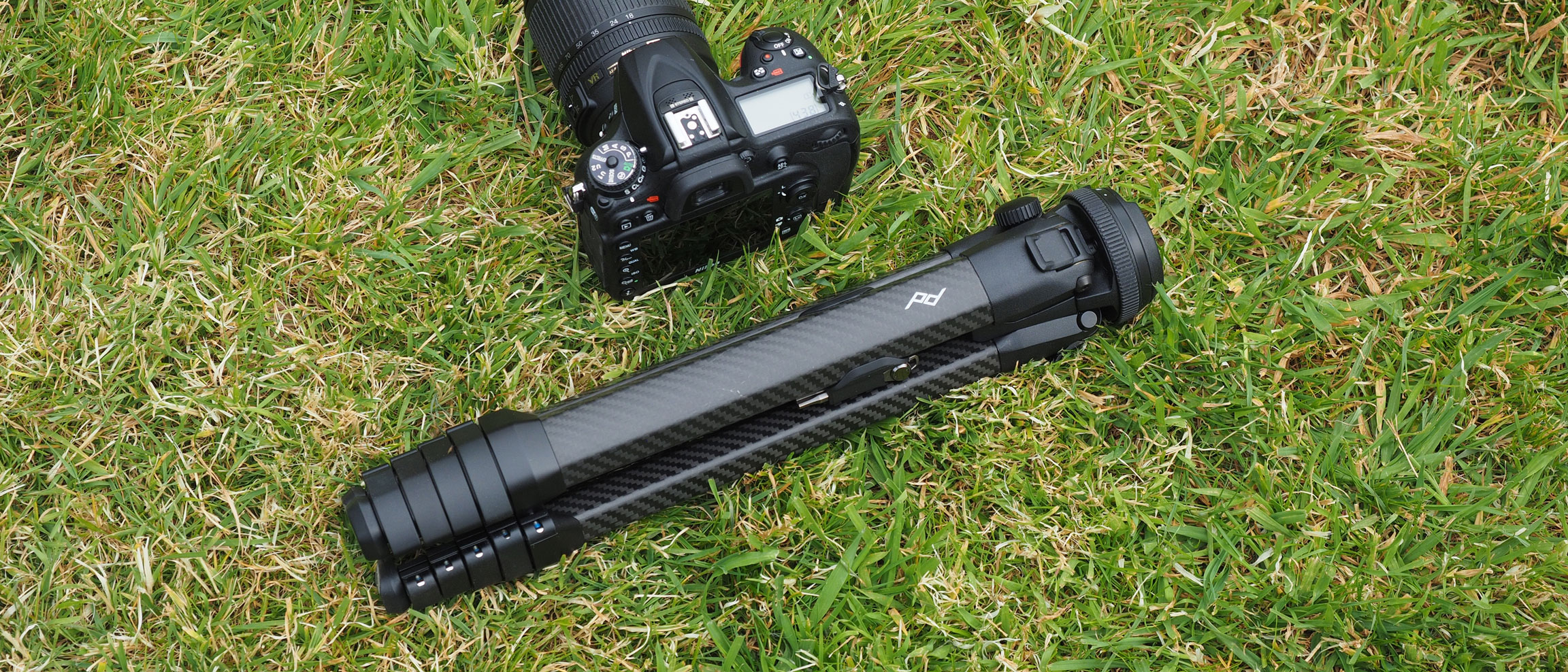
Fstoppers' Ivor Rackham emphasized the tripod's ability to handle challenging shooting conditions, particularly in windy environments where he found the aluminum model's extra weight beneficial. Rackham noted that the locking mechanism significantly reduced the risk of camera drops during distracted moments, a feature he found particularly valuable after a previous camera mishap. The tripod's compact dimensions—15.2 inches when collapsed and 2.75 inches at its widest point—make it ideal for travel, as demonstrated by Edge's successful use in overland adventures. The ability to quickly deploy and adjust the tripod's legs, combined with its stability in various weather conditions, makes it a reliable choice for outdoor photographers.
What Reviewers Loved
Reviewers consistently praised the Peak Design Travel Tripod's unique ball head design, which replaces traditional knobs with two rotating rings for securing the quick-release plate and locking camera position. The Adventure Portal's Bret Edge found this system 'intuitive, secure, and easy to operate,' noting that it allows for precise camera positioning without the typical sag issues found with other tripods. The single control ring design enables smooth rotation between landscape and portrait orientations, with Edge describing the action as requiring 'little effort to loosen or tighten' while providing 'rock solid' holding power when locked in place.
The tripod's compactness and portability were major selling points, with multiple reviewers highlighting its ability to fit into small spaces and travel easily. Fstoppers' Ivor Rackham noted that the tripod's slim profile makes it easy to hold and store, while The Adventure Portal's Edge emphasized its suitability for overland adventures, having used it in extreme environments including the Arctic Ocean. The integrated phone mount was appreciated by Edge for its convenience in field video recording, eliminating the need for a separate gorilla tripod. Additionally, the flip lock mechanism was praised for enabling extremely fast leg deployment, allowing all four legs to be flipped simultaneously, a feature Edge noted as 'the only tripod I know of with this design.'
The build quality and attention to detail were frequently mentioned as standout features. Acoustic Nature's Jared Blake emphasized the recycled aluminum components and tight tolerances that result in smooth leg movement and precise adjustments. The tripod's ability to withstand harsh conditions, including saltwater exposure and dust storms, was particularly noted by Blake, who reported that despite extensive field use, the tripod 'functions like new' with no noticeable corrosion or mechanical issues. The overall premium feel and aesthetic appeal were also highlighted by Alex Kwa, who appreciated the 'premium' look and 'decent amount of weight' that suggests quality construction.
Where It Falls Short
Despite its many strengths, the Peak Design Travel Tripod has several notable drawbacks that reviewers have identified. The most significant issue reported by The Adventure Portal's Bret Edge was the loose leg cams that required adjustment upon initial use, with Edge noting that 'several of the leg cams were loose from the factory' and that the included tool 'slipped into a small plastic sleeve on one of the legs and it fell out more times than I can count.' This suggests potential manufacturing inconsistencies that could affect long-term reliability. Additionally, Edge found the included carrying case had zipper problems that made it difficult to close completely, requiring strong pulling and careful packing techniques to ensure proper closure.
The tripod's stability at maximum height was another concern raised by Edge, who noted that it became 'unsteady in windy conditions with my Sony A7IV mounted to the ballhead.' This limitation suggests that while the tripod performs well for most applications, it may struggle with heavier setups or in challenging weather conditions when extended to full height. The integrated phone mount, while convenient, was described as 'not my favorite to use' by Edge, indicating that the feature may not meet all users' expectations for ease of operation. Furthermore, the tripod's maximum height of 60 inches (152 cm) with the center column extended may be insufficient for users requiring greater vertical reach.
Alex Kwa pointed out that the tripod's load capacity of 20 pounds (9.1 kg) is impressive for its size, but noted that the standard of load capacity ratings can vary in the industry, suggesting potential discrepancies in real-world performance. Additionally, Kwa expressed reservations about the brand's overall approach to design, stating that while he appreciates Peak Design bags, he 'prefer[s] other brands like Aer or Able Design' and questioned whether Peak Design's aesthetic focus might come at the expense of pure functionality. The aluminum version's weight of 3.44 pounds, while still manageable, is heavier than the carbon fiber option, which may not appeal to users prioritizing maximum portability.
Who It's Best For
The Peak Design Travel Tripod is ideally suited for photographers who value portability, durability, and aesthetic design over maximum load capacity or extreme height. Based on reviewer feedback, it's particularly well-suited for outdoor enthusiasts and adventure photographers who frequently travel and need reliable gear that can withstand harsh conditions. The Adventure Portal's Bret Edge, a professional adventure photographer, found the tripod excellent for overland adventures, having used it in extreme environments including high elevations, salty beaches, and dusty deserts. His experience suggests that the tripod is ideal for users who prioritize reliability in challenging conditions over maximum height or load capacity.
Photographers who shoot in windy environments or require a stable platform for handheld shooting will benefit from the aluminum version's extra weight, as noted by Fstoppers' Ivor Rackham. The tripod's compact design makes it perfect for travel, with a collapsed length of just 15.2 inches and diameter of 2.75 inches, as demonstrated by Edge's successful use in overland adventures. The integrated phone mount and quick-release mechanism make it suitable for videographers who need to record field content without additional equipment. Additionally, users who appreciate premium design and build quality will find the tripod appealing, as noted by Alex Kwa, who praised its 'premium' look and attention to detail.
The tripod is also well-suited for photographers who frequently switch between landscape and portrait orientations, as the unique ball head design allows for easy orientation changes without requiring additional equipment. The single control ring system provides intuitive operation that reduces setup time, making it ideal for users who need to quickly adjust their camera position. However, it may not be ideal for professional photographers who require maximum height or heavy lens support, as noted by Edge's experience with wind stability issues at full extension. Users who primarily use lighter cameras and lenses will find the tripod's 20-pound load capacity more than sufficient for their needs.
How It Compares to Alternatives
When compared to other travel tripods, the Peak Design Travel Tripod stands out for its unique ball head design and premium build quality, though it comes at a premium price point. The Adventure Portal's Bret Edge noted that while he prefers twist locks on other tripods, the Peak Design's flip lock mechanism is 'extremely fast' and 'compact,' making it superior for quick field setups. However, he also mentioned that the tool included for adjusting the leg cams was 'not great' in execution, suggesting that while the design is innovative, the implementation has room for improvement.
In comparison to carbon fiber alternatives like the Gitzo Traveler Series 1, the Peak Design Travel Tripod offers a more compact solution with a slightly heavier aluminum construction that provides better stability in windy conditions. Alex Kwa noted that while the carbon fiber version is lighter at 2.81 pounds versus the aluminum's 3.44 pounds, the price difference of $270 for a 270-gram weight reduction suggests that the aluminum version offers better value for users who prioritize stability over maximum portability. The Gitzo tripod, as mentioned by jaberg in the dpreview forum, is a more traditional option with a proven track record but lacks the innovative design features of Peak Design's offering.
The Peak Design tripod's integrated phone mount and quick-release system provide functionality that many competing tripods lack, making it particularly appealing to videographers and content creators who need versatile gear. However, as noted by Edge, the phone mount itself is not his preferred method of operation, indicating that while the feature is convenient, it may not meet all users' expectations for ease of use. The overall design philosophy of Peak Design, which emphasizes aesthetics alongside functionality, sets it apart from more utilitarian alternatives but may not appeal to users who prioritize pure performance over visual appeal.
Value at This Price
At $379.95 for the aluminum version, the Peak Design Travel Tripod represents a premium price point that reflects its unique design features and build quality. Alex Kwa noted that while the carbon fiber version costs $650, the aluminum version offers better value for users who don't require maximum portability. The price difference of $270 for a 270-gram weight reduction suggests that the aluminum version provides better value for users prioritizing stability and durability over maximum portability. Kwa emphasized that Peak Design's focus on aesthetics and premium materials justifies the higher cost for users who appreciate design quality.
The tripod's durability and performance in challenging environments, as demonstrated by Acoustic Nature's Jared Blake's 7-month field use, support its premium pricing. Blake noted that despite extensive exposure to harsh conditions including saltwater and dust storms, the tripod 'functions like new' with no noticeable corrosion or mechanical issues. This longevity and reliability justify the investment for users who require durable gear for frequent travel or outdoor photography. The included carrying case, while having zipper issues, was still considered well-constructed and aesthetically pleasing by reviewers.
However, the value proposition becomes less clear when considering the specific features that justify the premium. The Adventure Portal's Bret Edge noted that while the tripod's flip lock mechanism is innovative and fast, the included tool for adjusting leg cams was problematic, suggesting that the overall value may be diminished by manufacturing inconsistencies. Additionally, the tripod's maximum height of 60 inches may not meet the needs of users requiring greater vertical reach, potentially limiting its appeal for certain professional applications. The price point makes it more suitable for enthusiasts and occasional users rather than professional photographers who require maximum performance.
Strengths
- +Compact folded size at 15.2 inches long and 2.75 inches wide
- +Excellent stability for its size with a very 'dead' feel
- +Fast deployment and adjustment mechanism
- +Durable aluminum alloy construction with minimal packaging
Watch-outs
- −Heavier than carbon fiber alternatives at 3.44 lbs
- −Standard ball head requires additional accessories for some setups
How it compares
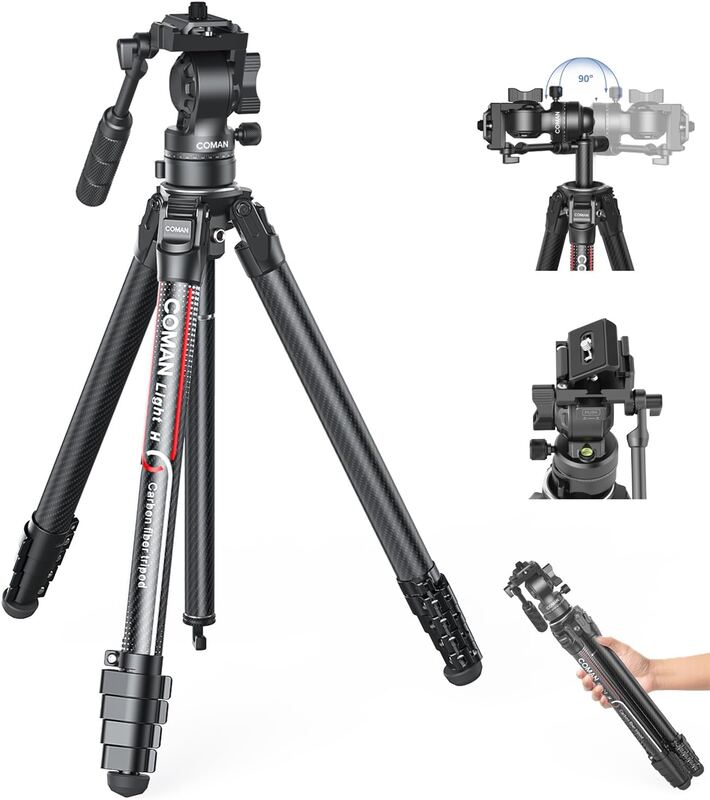
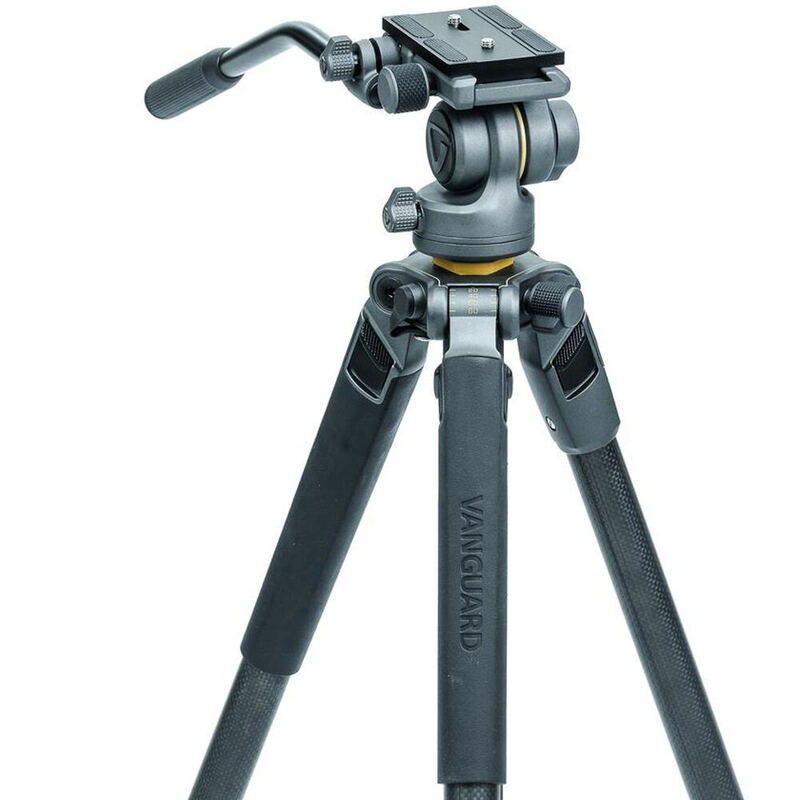
The Peak Design Travel Tripod offers superior stability and fast deployment compared to the Vanguard tripod which is more compact but less stable for its size. Unlike the Manfrotto 055XProB, it provides a more user-friendly locking mechanism and better build quality, though it's heavier than the Coman Video Tripod which uses carbon fiber for lighter weight.
Who this is for
At a glance: Photographers who value reliability over ultra-lightweight.
Why you’d buy the Peak Design Travel Tripod
- Compact folded size at 15.2 inches long and 2.75 inches wide.
- Excellent stability for its size with a very 'dead' feel.
- Fast deployment and adjustment mechanism.
Why you’d skip it
- Heavier than carbon fiber alternatives at 3.44 lbs.
- Standard ball head requires additional accessories for some setups.
Rating sources
“The locking mechanism on the Peak Design travel tripod makes dropping the camera far less likely than with the other model I used.”
“The little tripod that could has been all over Oregon, beaten around in the deserts of Utah and even made it as far as the Arctic Ocean at Barrow, Alaska. Through it all, it delivered impressive performance and durability, with very few compromises.”
Our 4.6 score is the average of these published ratings. Ratings marked * were derived from the reviewer’s written analysis or video transcript — the publisher didn’t print an explicit numeric score, so we inferred one from their own words. Click through to verify. More about methodology.