The Polk Audio T15 is a budget bookshelf pair whose case rests on bass and price rather than accuracy. The three sites that reviewed it all landed at 4 out of 5, and they split the same way: a deep, easy low end for a 5.25-inch woofer, and a midrange that congests on voices. Aphrodite Sound and SoundReviewHub both flagged the mids, and SoundReviewHub also heard a soft upper treble with gaps in the direct-axis response. It suits a first home-theatre or surround rig where impact matters more than transparency.

Full review
A 5.25-inch woofer in a 10.6-inch MDF cabinet
The cabinet is MDF with a black wood-ash wrap, a curved removable grille and a front-firing port covered in mesh, and it measures 10.6 by 6.5 by 7.25 inches at 8.8 lb. Inside are a 5.25-inch woofer and a 0.75-inch tweeter, and the enclosure is magnetically shielded, which Aphrodite Sound notes keeps nearby cables from adding static. Gold-plated five-way binding posts and a keyhole hanger on the back cover both shelf and wall placement.
Deep low end, congested mids
Bass is the reason to buy these. Reviewers describe a low end that is deep and immersive for the cabinet size, helped by the front port and by 88 dB sensitivity that lets a modest receiver drive them. The midrange is where the compromise sits: Aphrodite Sound wrote that the mids lack the accuracy it takes for granted with music, and SoundReviewHub heard the same congestion on voices plus missing upper harmonics on orchestral material. On some recordings the result is a slightly cupped character.
Mid-80s dB from a 50-watt receiver at eight feet
TekSignal calls them easygoing first-system bookshelves that make dialogue clearer without demanding a big amp or perfect placement. In a 12-by-15-foot room a 50-watt receiver pushed them into the mid-80s dB range at a seat seven to eight feet away before they began to strain, which is enough for apartment listening. Sit ten feet back and ask for reference levels and they run out of headroom; TekSignal suggests a subwoofer crossed in the 80 to 100 Hz range for film.
The single keyhole limits how you aim them
The front port means the T15 tolerates a wall better than a rear-ported box, with six to eight inches of clearance adding warmth rather than boom, but the mount itself is one keyhole, so there is no fine control over tilt or aim once a speaker is up. Placement matters more than usual: SoundReviewHub found them at their best set above or below ear level rather than straight on. They are passive, so an amplifier or receiver is a required purchase.
Five-year warranty on a pair this cheap
Polk backs them with a five-year warranty, and the T15 accepts a subwoofer and matching T-series centre and surround cabinets if the system grows later.
Strengths
- +Excellent low-end response with deep and immersive bass for a bookshelf speaker
- +Easy setup with wall-mountable design and keyhole hanger included
- +Good value for money with solid build quality and 5-year warranty
- +Wide soundstage and good dynamic range for budget bookshelf speakers
Watch-outs
- −Mid-range lacks clarity and suffers from congestion affecting vocal reproduction
- −High frequencies can be unclear with audible gaps in direct axis response
- −Sound character can be cupped on some recordings due to midrange issues
How it compares
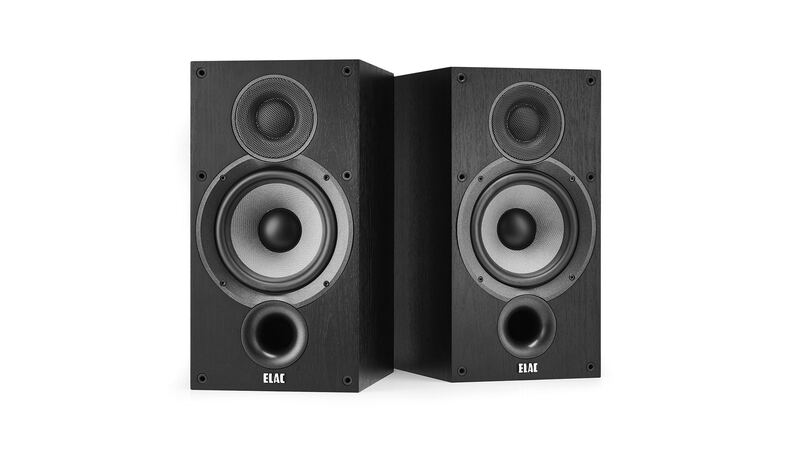
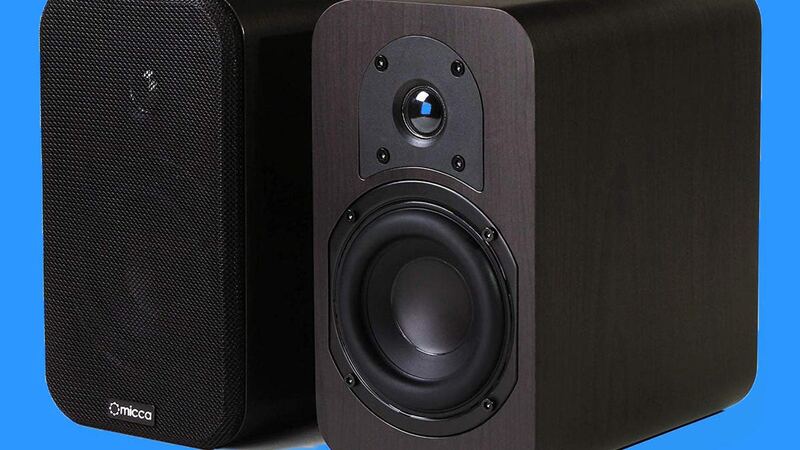
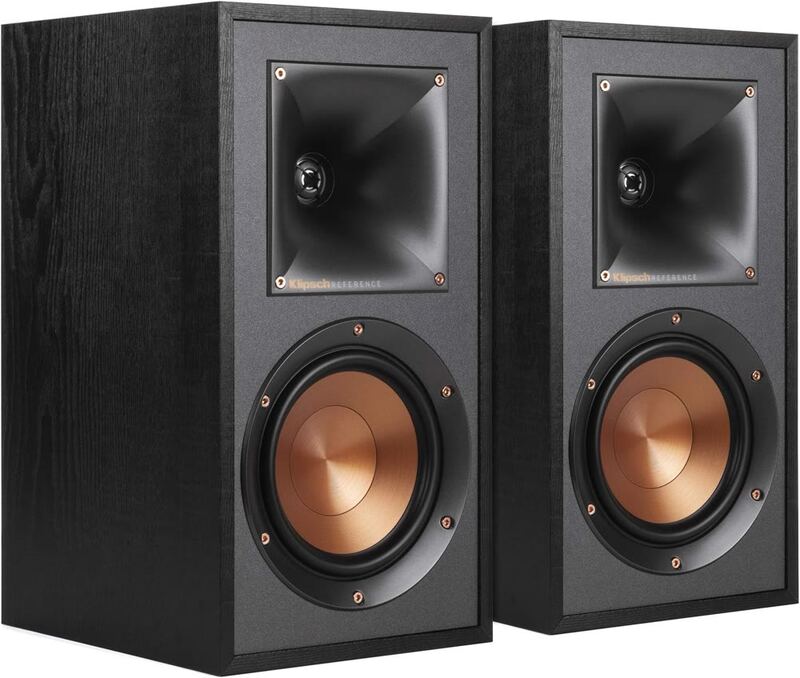
The Polk Audio T15 excels in bass performance and value compared to the Klipsch R-41M and ELAC B6. While it offers better setup flexibility than the Micca RB42 Reference, it lacks the clarity and transparency of the higher-rated ELAC speakers and doesn't match the Edifier's detailed sound reproduction.
Rating sources
“Polk's T15 are easygoing, first-system bookshelves that make TV dialogue clearer and everyday music more enjoyable without demanding a big amp or perfect placement.”
Our 4.0 score is the average of these published ratings. Ratings marked * were derived from the reviewer’s written analysis or video transcript — the publisher didn’t print an explicit numeric score, so we inferred one from their own words. Click through to verify. More about methodology.