The Redington Classic Trout is the rod for anglers who prefer a relaxed, moderate-action cast and a slower rhythm. Its fluid bend runs nearly to the cork, making it a joy on small streams and at the practical fishing distances under 50 feet where it shines. It famously placed second overall in Yellow Dog's 5-Weight Invitational against $1,000 rods. FlyFisherPro scored it 82%. The honest framing: that same soft, deep flex that feels so pleasant up close costs it line speed and control past 50 feet and in wind.
Full review
Loads easily for casts under 50 feet
The Redington Classic Trout is built around a moderate action that feels deliberately old-school in the best way. Hatch Magazine described its fluid bend running nearly all the way down to the cork, communicating valuable information to the caster, and that deep, progressive flex is the rod's defining trait. FlyFisherPro, which scored it 82 percent, called the action a moderate-fast with quick loading that translates to an easy, smooth cast. It rewards a relaxed, unhurried casting rhythm rather than aggressive line speed, the kind of cadence that makes a quiet morning on a small stream genuinely enjoyable.
Where it truly shines is at practical fishing distances. Hatch was explicit that it is ideal for casting dry flies, nymphs, and light streamers at fifty feet and under, and that small streams are where it feels most at home, particularly freestone creeks where you are making 15-to-25-foot casts in pocket water. The rod loads with very little line out, so short, accurate presentations come naturally, exactly the opposite of the stiffer Orvis Clearwater's short-range struggle.
Lightweight blank reduces fatigue over long days
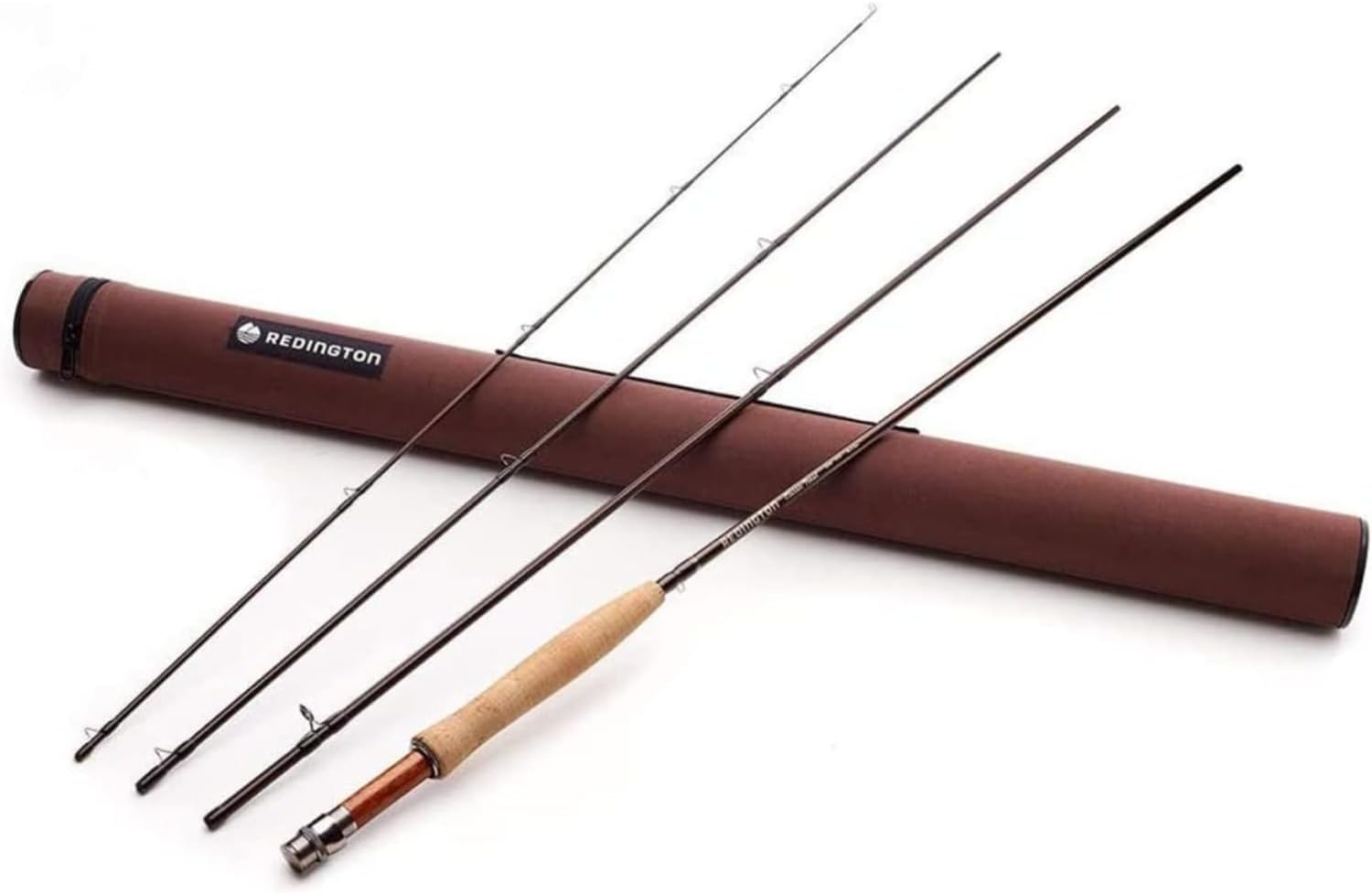
The Classic Trout is a four-piece rod available in 2- through 6-weights and lengths from 7'6" to 9', with the 9-foot 5-weight reviewed here being the versatile trout standard. The blank is notably lightweight, which Hatch and others credit for reducing casting fatigue over long days on the water, and the cork grip and understated cosmetics fit the rod's classic, no-nonsense character.
Hatch Magazine's review praised a fluid bend that runs nearly all the way down to the cork and the information it communicates to the caster, and the build quality is widely regarded as excellent for a rod in the $170 range. Redington backs it with a lifetime warranty, meaningful peace of mind at this price. The component package is appropriate rather than flashy, this is a rod that spends its budget on the blank and the casting experience rather than on bling.
The breadth of the lineup is worth noting: with 2-, 3-, 4-, 5-, and 6-weights across lengths from 7'6" to 9', the Classic Trout family covers everything from tiny brook-trout creeks to larger trout rivers, and the moderate action is consistent across the range. That makes it a natural choice for an angler building a small-stream quiver. The lightweight blank is the recurring praise point for build, reviewers single it out as a key reason the rod is so pleasant to cast through a full day of fishing without arm fatigue. The understated, classic cosmetics also appeal to traditionalists who prefer a rod that looks the part of a quiet trout tool rather than a flashy modern performance stick.
Placed second in a blind shootout against $1,000 rods
The Classic Trout has earned outsized respect for its price. It scored the #2 overall composite in Yellow Dog Fly Fishing's 5-Weight Invitational, a blind shootout that included Orvis, Sage, Scott, Hardy, and Winston rods, with one noted reviewer saying he would favor the $170 Redington over the majority of $1,000 fly rods available today. That is the kind of result that turns a budget rod into a cult favorite.
Reviewers love the rod's feel and its forgiving, fatigue-free casting for long days. Hatch summed up the appeal: a rod that casts easily and pleasantly at practical fishing distances, and unlike the rocket launchers beside it on the rack, you can buy a Classic Trout for $169.99. For anglers who value connection to the cast over raw power, it is a standout. The rod has built a genuine following among dry-fly and small-stream anglers precisely because it does one thing exceptionally well rather than trying to be everything, a focus that experienced casters increasingly appreciate after owning faster, stiffer rods.
Struggles with tailing loops beyond 50 feet
The soft, deep action that makes the Classic Trout so pleasant up close is exactly what limits it at range. Hatch noted it struggles with tailing loops beyond 50 feet due to tip sensitivity, and the rod lacks the backbone to fight wind or drive heavy streamers the way a faster rod can. Anglers who routinely make long casts or fish big water will find it underpowered compared with the Orvis Clearwater or the fast Greys Lance.
Casters who simply prefer a fast, crisp rod will find the moderate action too relaxed for their taste, this is a rhythm-and-feel rod, not a line-speed rod. It is also not the rod for throwing weighted streamers or heavy nymph rigs at distance. These are not flaws so much as the natural boundaries of a moderate-action design, but they define who should and should not buy it. An angler who fishes a mix of small creeks and bigger rivers may find themselves wanting a faster rod for the larger water, which is where the Orvis Clearwater or Greys Lance would complement rather than replace the Classic Trout.
Built for freestone creeks and pocket water
The Classic Trout is the ideal rod for a small-stream and short-range trout angler who loves the feel of a rod loading deep into the cork and prefers a relaxed casting tempo. It suits dry-fly purists, freestone-creek anglers working pocket water, and anyone who values a rod that contributes to the cast rather than demanding aggressive line speed. It is also a superb, fatigue-free rod for long days.
It is the wrong choice for an angler who fishes big water, casts long, or battles wind regularly, where the Orvis Clearwater or Greys Lance serve better, or for a confirmed fast-action caster. Buy the Classic Trout specifically because you want its deep, feel-rich moderate action, not as a general-purpose distance tool.
$170, beating rods up to six times the price
At roughly $170 the Classic Trout is a remarkable value, and its Yellow Dog Invitational result, placing second against rods costing up to six times more, is the strongest possible argument for it. FlyFisherPro's 82-percent score and the warmth of Hatch and Trident's prose reflect a rod that genuinely over-delivers within its niche. The lifetime warranty adds further long-term value.
For an angler whose fishing fits its profile, small streams and short-to-mid range, no rod here offers more feel and pleasure per dollar. The value calculus is simple: if you love a moderate-action rod, the Classic Trout delivers a near-premium casting experience for a budget price; if you need distance and power, the money is better spent elsewhere in this guide. Few rods at any price earn the kind of unprompted devotion the Classic Trout inspires among the anglers whose style it suits.
Deepest full-flex feel of the whole lineup
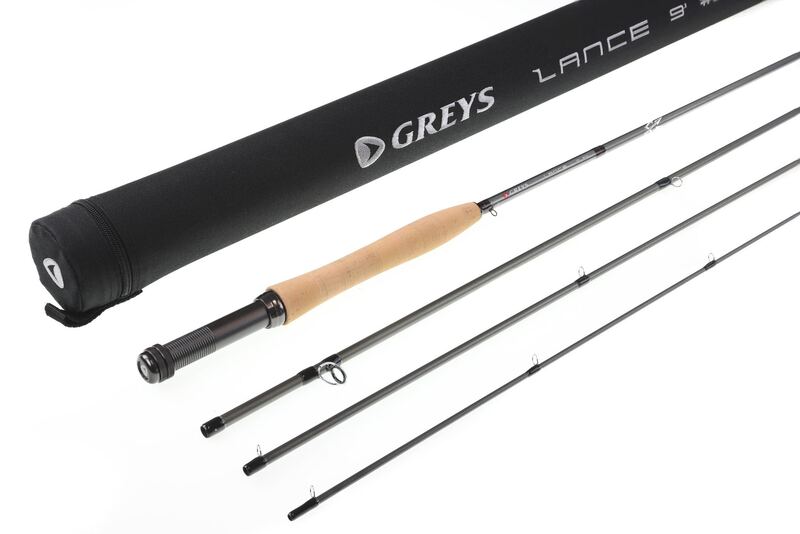
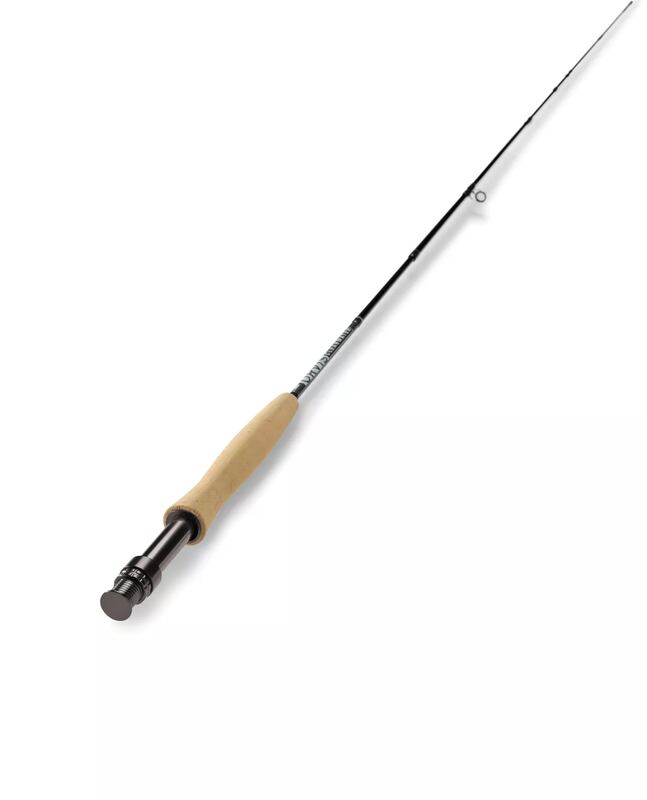
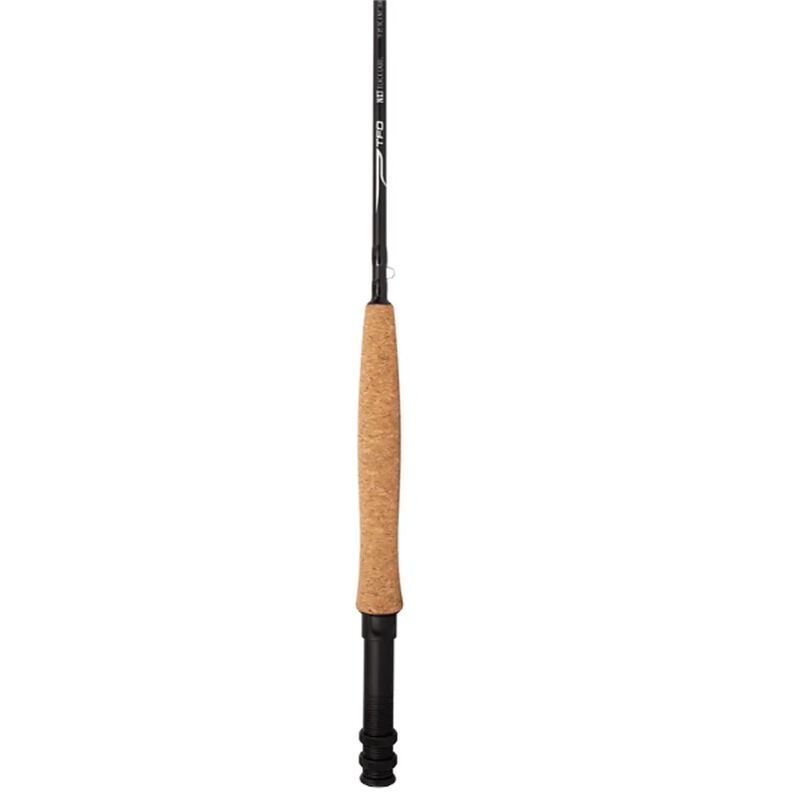
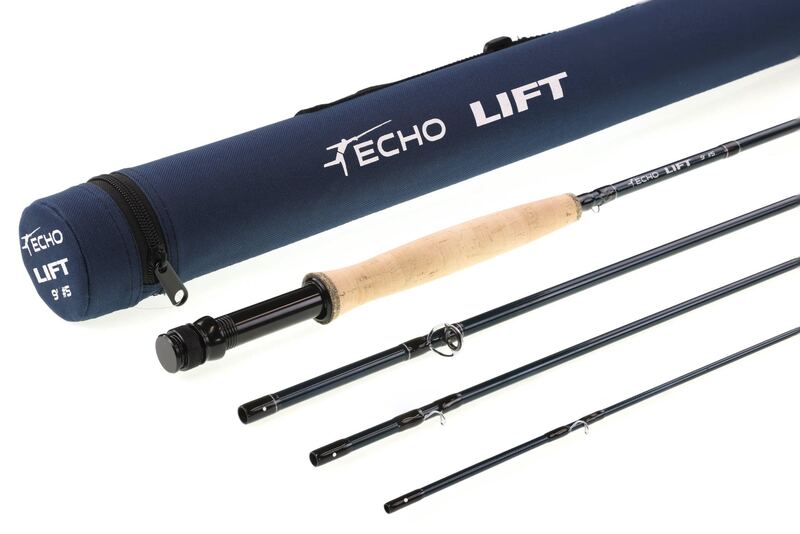
The Classic Trout sits at the slow, full-flex end of this guide, and that makes it the clearest specialist here. It is markedly more relaxed than the medium-fast Orvis Clearwater and a world apart from the fast Greys Lance, trading their distance power for deep feel and easy short-range loading. It shares a forgiving character with the soft Echo Lift and the moderate TFO NXT Black Label, but its bend runs deeper into the cork than either, giving the most pronounced full-flex feel of the group.
Against the do-everything Clearwater, the Classic Trout wins decisively on small streams and at short range but loses just as decisively past 50 feet and in wind. The choice between them is really a choice of fishing style: relaxed creek angler versus all-water generalist. Its Yellow Dog Invitational result, beating most rods in the room regardless of price, proves it is no compromise within its lane, which is exactly why it earns second place despite being the least versatile rod here.
Strengths
- +Moderate action with a fluid, deep bend that communicates feel and is forgiving to cast
- +Placed #2 overall in Yellow Dog's 5-Weight Invitational against rods costing up to $1,000
- +Excels on small streams and at the under-50-foot distances where most trout are caught
- +Lightweight blank reduces casting fatigue over long days
- +Redington lifetime warranty and a low ~$170 price
Watch-outs
- −Soft tip loses line speed and control beyond 50 feet
- −Less backbone for fighting wind than a faster rod
- −Moderate action feels underpowered to anglers who prefer fast rods
- −Not ideal for throwing heavy streamers at distance
How it compares
The Classic Trout is more relaxed and slower than the medium-fast Orvis Clearwater and the fast Greys Lance, loading more sweetly up close but giving up their distance power. It shares a forgiving, learner-friendly character with the Echo Lift and the moderate TFO NXT Black Label, though its deep, full-flex bend is the most pronounced of the group, making it the dedicated small-stream and short-range specialist here.
Rating sources
“Moderate-fast action with mix flex and quick loading. In practice, this translates to an easy, smooth cast.”
“If you seek a tool that actually contributes to the cast, one that is ideal for casting dry flies, nymphs and light streamers at fifty feet and under, consider the Classic Trout.”
Our 4.3 score is the average of these published ratings. Ratings marked * were derived from the reviewer’s written analysis or video transcript — the publisher didn’t print an explicit numeric score, so we inferred one from their own words. Click through to verify. More about methodology.