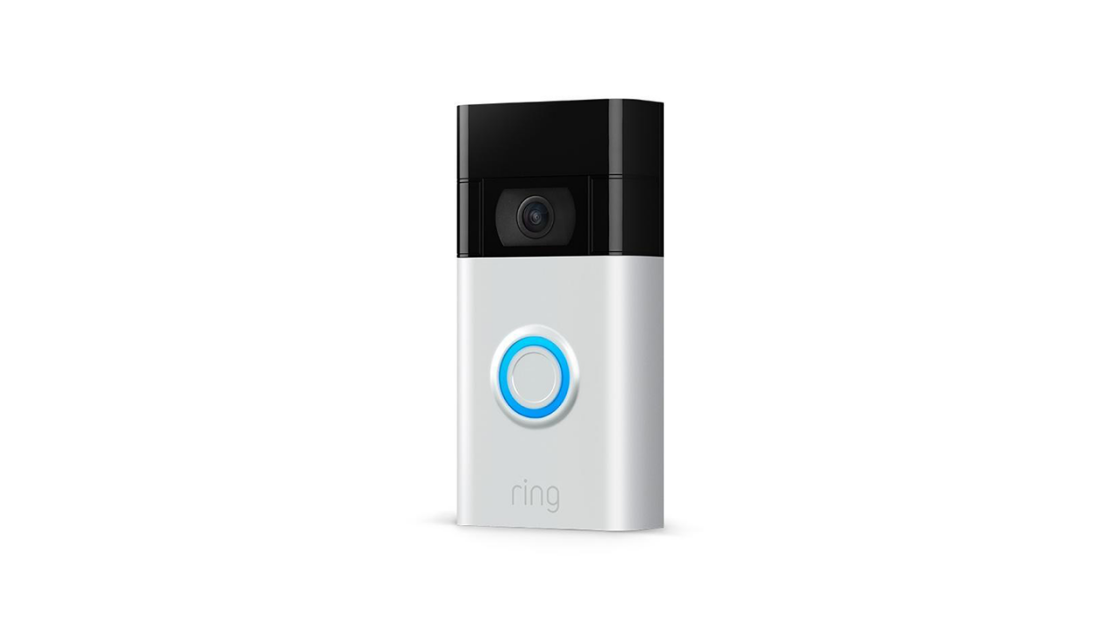
Affordable entry-level option with 1080p HD video and reliable Ring ecosystem integration.
Full review
Video and Hardware Quality
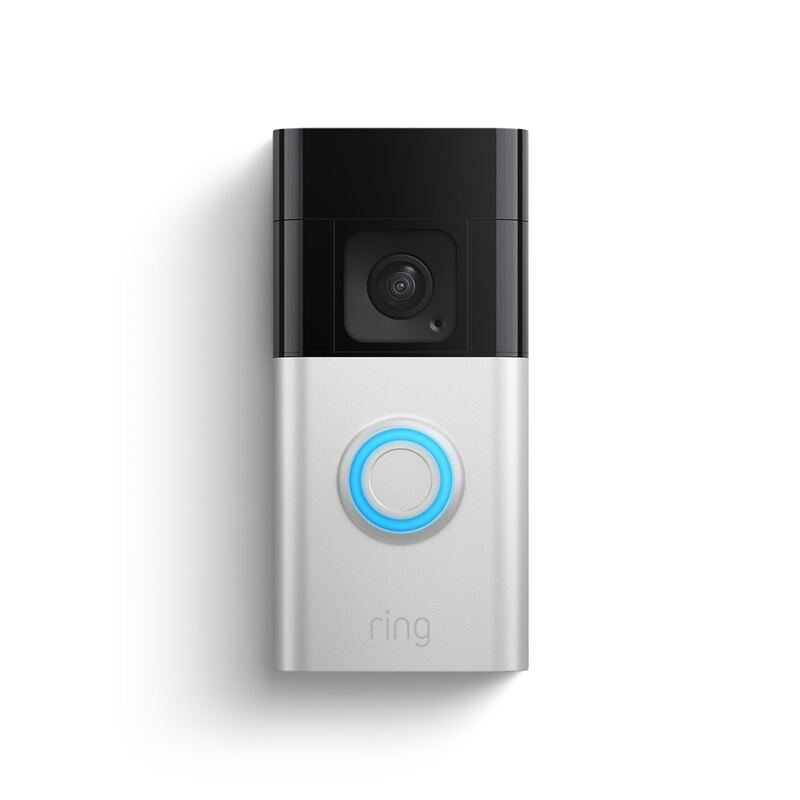
The 2020 release of the Ring Video Doorbell brought the standard model up to a 1080p HD sensor, a meaningful jump from the 720p original, and that resolution remains perfectly serviceable for identifying visitors and reading packages at the door. The lens offers a 155-degree horizontal by 90-degree vertical field of view, a fairly traditional landscape framing that captures the area in front of the door well but shows less floor-level detail than the tall or square sensors on newer competitors.
Night vision is infrared rather than color, and HDR helps in mixed lighting. PCMag found its two-way audio clean and adequately loud and judged it a good value. It is a sensible entry point rather than a flagship, and its strength is dependability at a low price rather than standout optics.
Features, Subscription and Storage
The important gotcha with any Ring doorbell is storage. Out of the box you get live view, real-time motion and ring alerts, and two-way talk, but the device records nothing you can play back later unless you pay. There is no local storage option at all on this model, so saved video lives entirely in Ring's cloud.
That cloud history is gated behind a Ring Protect plan. A subscription unlocks recorded video history (up to 180 days), package and person alerts, and snapshot capture, and every new doorbell includes a 30-day Protect trial so you can see what you are buying into. Once the trial lapses, the doorbell reverts to live-only viewing. Factor the recurring plan into the total cost, because the hardware's low sticker price is only part of the long-term spend.
Installation, Ecosystem and Who It's For
Flexibility is this model's calling card. It runs on a built-in rechargeable battery pack that PCMag says is rated for six to twelve months between charges depending on usage, or it can be hardwired to existing doorbell wiring for continuous power. The battery option means renters and homes without doorbell wiring can install it in minutes with the included mounting hardware, which is a real advantage over wired-only rivals.
Setup and daily use run through the Ring app, and PCMag found the doorbell ties into Amazon's Alexa ecosystem for voice announcements and live viewing on Echo Show displays. Motion detection here is the basic zone-based system rather than the more refined detection on Ring's Pro models. This is the right choice for a budget-conscious buyer who wants an easy, well-supported doorbell and is comfortable paying a monthly fee for recordings.
Strengths
- +Affordable price point
- +1080p HD video
- +Easy installation
- +Ring ecosystem integration
Watch-outs
- −Requires subscription for recordings, as PCMag notes
- −Basic motion detection compared to Pro
How it compares
Solid budget option with core Ring features, ideal for first-time smart doorbell buyers.
Rating sources
Our 3.8 score is the average of these published ratings. Ratings marked * were derived from the reviewer’s written analysis or video transcript — the publisher didn’t print an explicit numeric score, so we inferred one from their own words. Click through to verify. More about methodology.