Broad ecosystem support is the Schlage Encode Plus Smart WiFi Deadbolt's advantage, Apple Home Key included, and built-in Wi-Fi means no bridge to buy. Physical installation is straightforward and there is a physical key backup, though managing it through Google or Alexa still requires the Schlage Home app, and the unit is somewhat bulky. Worth it if broad platform support and remote monitoring matter more to you than the higher price and the missing biometric sensors.
Full review
Home Key, Alexa and Google on one lock
The Encode Plus is unusual in supporting all three major smart-home platforms at once. PCWorld's Robert Strohmeyer highlighted that it covers Amazon Alexa, Google Home and Apple HomeKit, including Apple Home Key, so an iPhone or Apple Watch held near the lock opens it without unlocking the phone or opening an app. Wi-Fi is built in, so there is no bridge, hub or separate controller to buy and nothing extra to keep powered in a hallway cupboard. For a household that might change platforms in a few years, that combination is the strongest single argument for the lock, because the hardware survives the switch.
The Schlage app sits in the middle
Cross-platform support is not the same as native support. PCWorld noted that Google and Alexa users still have to go through the Schlage Home app for anything beyond locking and unlocking, since access codes, schedules and settings live there rather than in the assistant's own app. Apple users get the closest thing to native control. The app itself is competent: up to 100 access codes with individual timers and schedules, real-time notifications on every lock and unlock event, and a status display that answers the did-I-lock-it question from anywhere. Connectivity runs over 2.4 GHz Wi-Fi, so a lock at the opposite end of a house from the router is worth signal-checking first.
Grade 1 security in a bulky housing
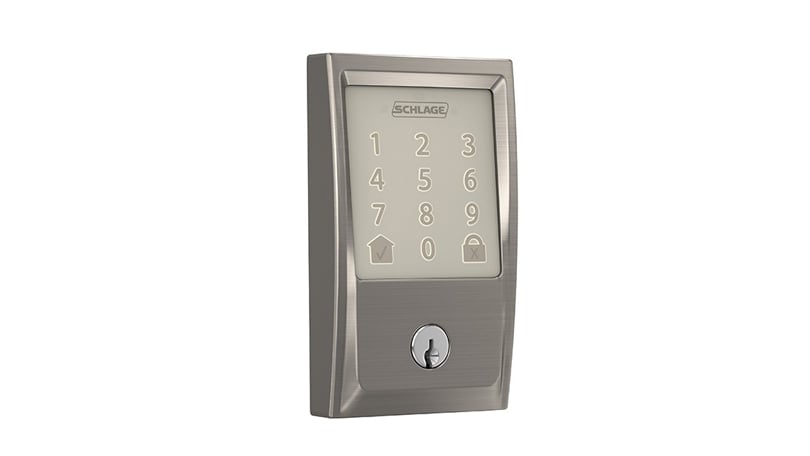
Bob Vila's Tony Carrick singled out the ANSI/BHMA Grade 1 certification, the highest residential rating, where a great many smart locks settle for Grade 2 or Grade 3. The body is zinc, and PCWorld described the result as imposing and classy, offered in Camelot, Century and Greenwich trims with satin or matte-black finishes. The cost of that build is bulk: the exterior escutcheon measures 3 by 5 by 0.9 inches and the interior housing 3 by 5.5 by 2.2 inches, which is a lot of hardware for a narrow stile or a glazed door. There is no IP rating, though Schlage rates the lock for temperatures from -31 to 151°F.
Installation is easier with a second person
This is a standard deadbolt swap: universal 2 3/8-inch or 2 3/4-inch backsets, door thicknesses from 1 3/8 to 1 3/4 inches, one screwdriver and no drilling on most doors. The caution from Bob Vila's Tony Carrick is still worth heeding, because aligning the exterior faceplate, the interior casing and the bolt simultaneously while driving long screws is genuinely fiddly alone, and someone holding the outside plate turns an awkward job into a short one. Software pairing can take longer than the hardware did, particularly adding the lock to Apple Home, which sometimes needs a second attempt before it takes.
Four AA batteries and about six months
Power comes from four AA batteries, which Schlage rates for roughly six months of normal use, with low-battery warnings before they give out. Tony Carrick's observation is the realistic one: heavy keypad and remote use, or an aggressive auto-lock timer, pulls that figure down, and a busy front door will not see six months. Standard AAs are a real advantage over the proprietary packs some competitors use, since replacements cost little and are sold everywhere. A physical key is included as the last resort, so a flat battery or a failed board never turns into a call to a locksmith.
No fingerprint reader, no geofencing
Two omissions stand out at this price. There is no fingerprint reader, now common on locks costing considerably less, and no geofencing, so the lock will not open or secure itself based on a phone's location — everything is a code, a tap, an app or a voice command. Tony Carrick questioned whether the $299 to $319 asking price is justified against cheaper locks carrying longer feature lists. The counter-argument is the certification and the platform breadth, and the published scores back it: PCWorld, PCMag and Tom's Guide all gave it 4 out of 5, Smart Home by Design 4.4 out of 5, and Bob Vila 9.25 out of 10. Nobody calls it a bargain and nobody calls it a bad lock.
Strengths
- +Supports Amazon Alexa, Google Home, and Apple HomeKit including Apple Home Key NFC technology
- +Integrated Wi-Fi eliminates the need for a separate bridge or hub
- +Easy physical installation with clearly labeled parts and a straightforward manual
- +Includes a physical key as a backup and works standalone without an app
Watch-outs
- −Google Home and Alexa apps require the Schlage Home app to function properly
- −Construction is relatively bulky compared to some other smart locks
- −Lacks a fingerprint reader for biometric access
How it compares
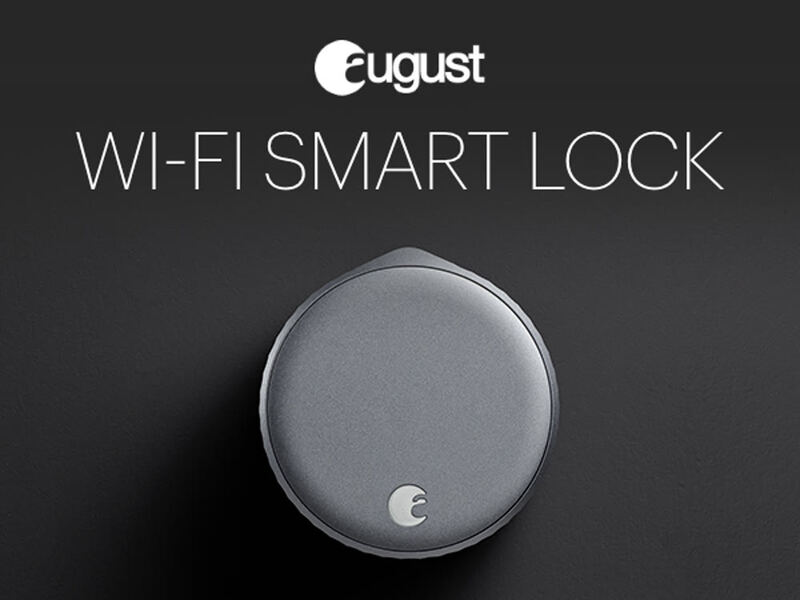
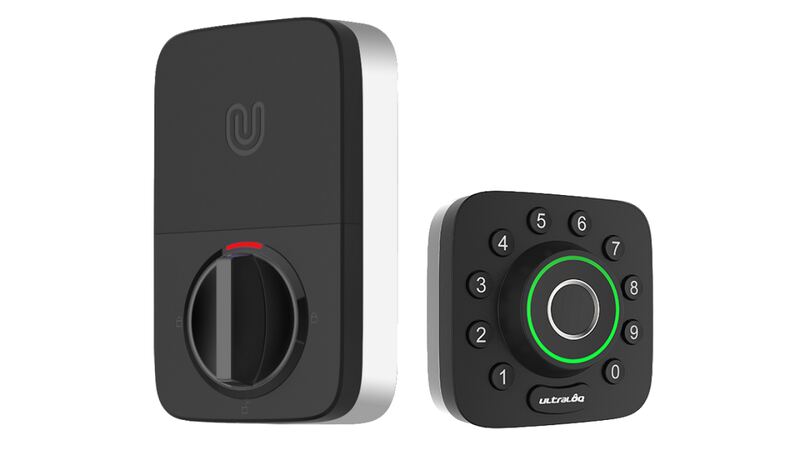
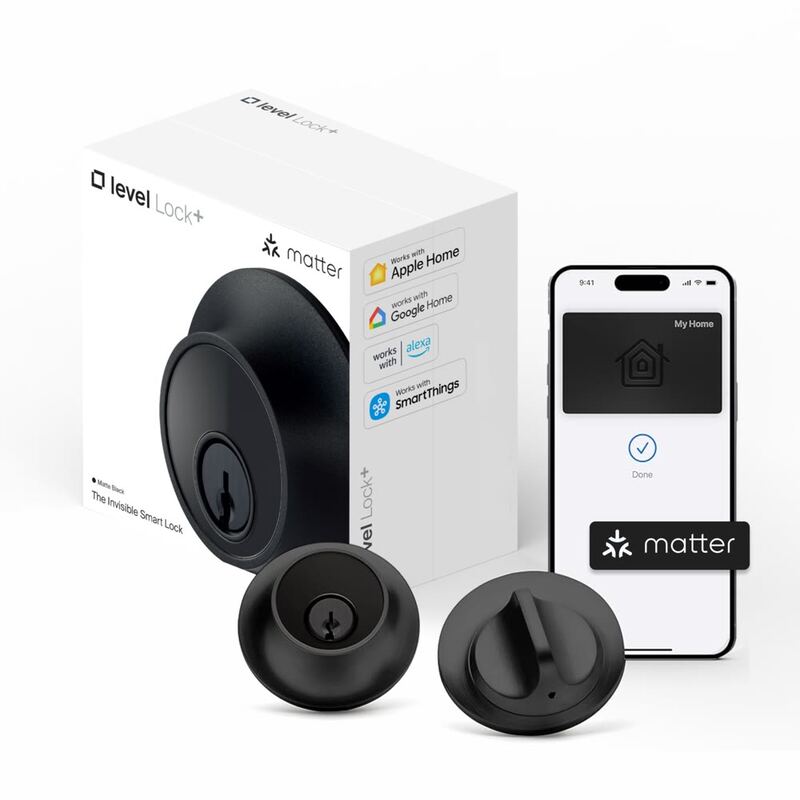
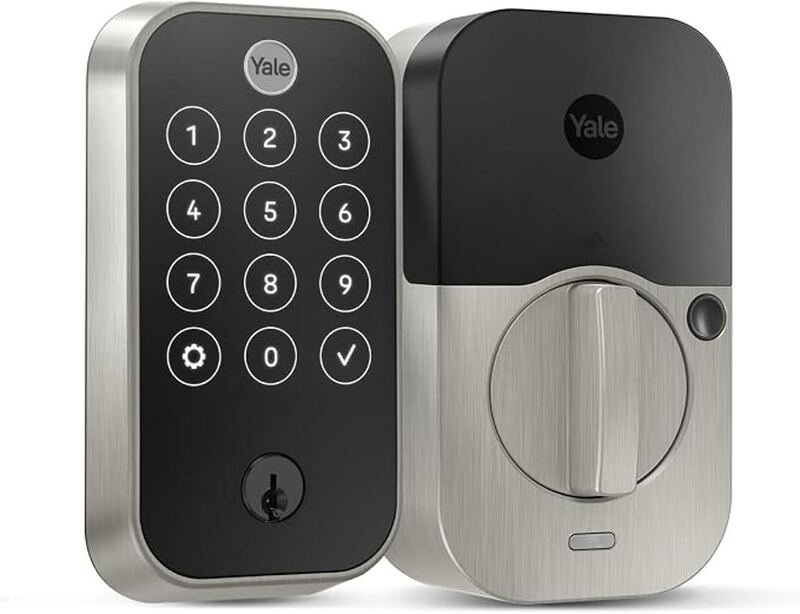
The Schlage Encode Plus stands out against the Level Lock+ and August Wi-Fi Smart Lock by offering native Apple Home Key support and integrated Wi-Fi without needing a bridge, a convenience the Level Lock+ lacks without an extra purchase. Although it shares the bulky design of the August and Ultraloq, it provides a physical key backup that the August lacks entirely, ensuring access even if the app fails.
Rating sources
Our 4.2 score is the average of these published ratings. More about methodology.