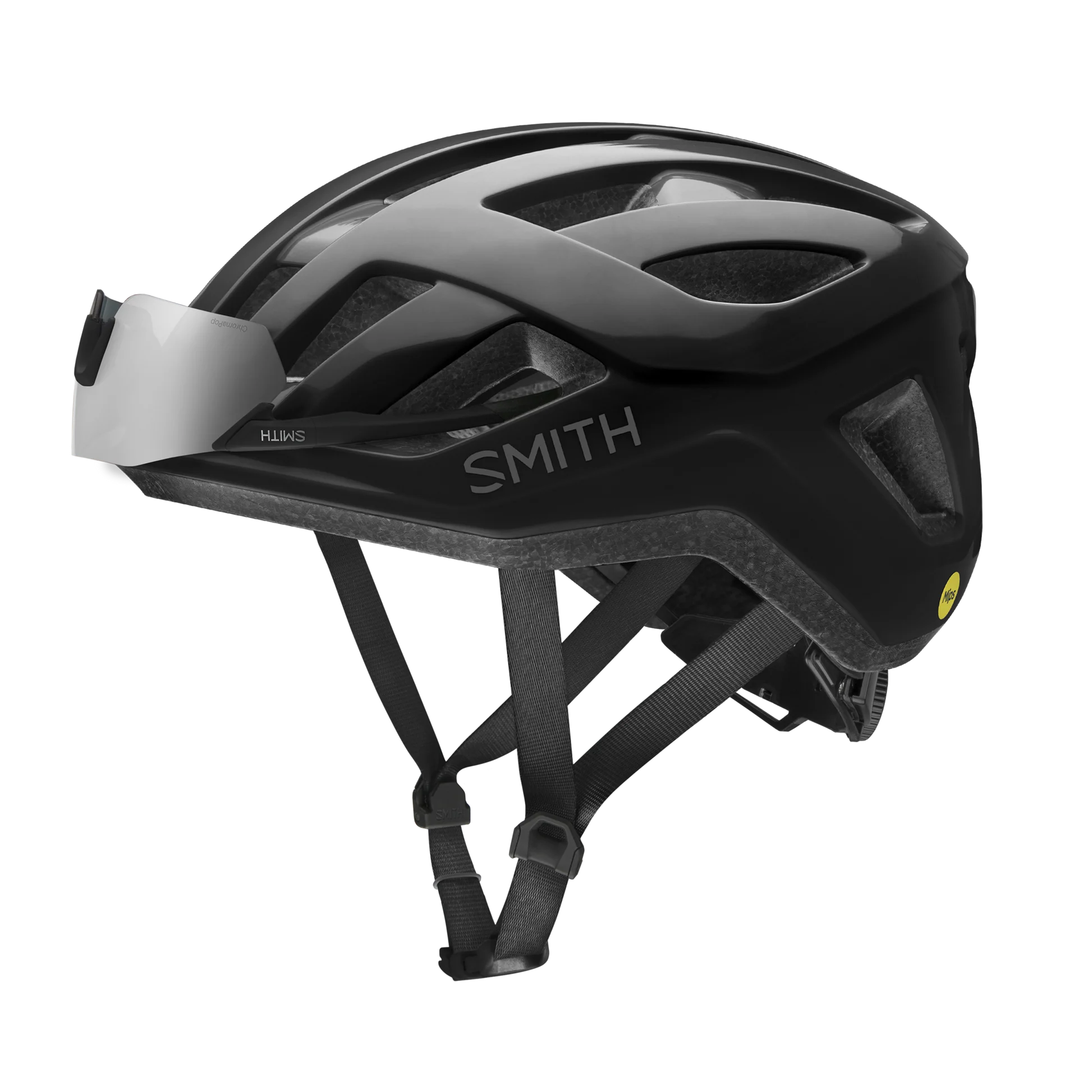
Cycling Weekly found that the Smith Signal MIPS delivers essential rotational impact protection via its MIPS liner while omitting premium Koroyd to maintain an accessible price point. Road Bike Rider confirmed that the VaporFit dial offers a secure, customizable fit and that the AirEvac ventilation effectively prevents lens fogging during exertion. However, reviewers noted significant aesthetic compromises, describing the boxy styling as resembling a toddler helmet and criticizing the strap weave for being less soft than higher-end models. The absence of an included storage bag further highlights its budget positioning. This helmet suits commuters and casual riders who prioritize function over form, while those seeking sleek aerodynamic designs or advanced zonal protection should look elsewhere.
Full review
MIPS integration without Koroyd
The Smith Signal MIPS distinguishes itself in the budget segment by including a MIPS liner to reduce rotational forces from angled impacts, yet it omits the brand's zonal Koroyd protection found on higher-end models. Cycling Weekly noted that this specific trade-off allows the manufacturer to hit an accessible price point while still meeting relevant safety requirements through high-quality in-moulded construction. The helmet utilizes a single-density polystyrene main material heat-moulded to a durable outer shell, which reviewers described as thick enough to withstand the daily abuse typical of commuters and regular recreational riders.
Road Bike Rider confirmed that the absence of Koroyd is the primary reason for the lower cost, but emphasized that the inclusion of MIPS still delivers the core safety benefits Smith is known for. This configuration appeals to shoppers who prioritize rotational impact protection without needing the additional energy-absorbing honeycomb structure of premium helmets. The decision to strip out Koroyd does not compromise the structural integrity of the shell, which maintains a robust feel despite the budget positioning.
VaporFit dial and strap construction
The retention system on the Signal utilizes Smith's VaporFit technology, featuring a rotary dial that provides 5cm of adjustment to secure the fit comfortably. Road Bike Rider measured this range specifically, noting it allows for a customized fit whether wearing a winter skull cap or nothing at all. Reviewers found the quick-release clip easy to use and consistent with other models in Smith's lineup, ensuring familiarity for existing brand users.
Cycling Weekly observed that while the retention system functions well, the strap construction reveals the helmet's budget status compared to premium offerings. The straps feature a thicker weave than those on more expensive versions, making them less soft and malleable. Despite this tactile difference, the reviewer did not find the straps uncomfortable or obtrusive during rides, noting that the adjustable clip still allows for precise positioning around the ear and jawline.
AirEvac ventilation performance
Ventilation is managed through 21 vents integrated with the AirEvac system, which is designed to vent warm moist air away from eyewear lenses. Road Bike Rider highlighted that this setup allows the sunglasses and helmet to function as a unified climate control system, effectively preventing lens fogging during exertion.
YouTube reviewer feedback corroborated the ventilation effectiveness, specifically mentioning that the helmet handles heat buildup well even on daily commutes of four to five miles. The rear airflow design was noted as superior for managing heat trapped by longer hairstyles, a common pain point for many cyclists. This makes the Signal a practical choice for urban commuters and gravel riders who need consistent cooling without the bulk of advanced aerodynamic shells.
Weight measurements and sizing
The Smith Signal MIPS is classified as a lightweight helmet, with Road Bike Rider measuring a size small at 9oz or 256g using a personal gram scale. Cycling Weekly compared this weight to the brand's premium Trace helmet, noting that the Signal is only seven grams heavier despite lacking complex safety tech like Koroyd. This minimal weight penalty reinforces the efficiency of its single-density polystyrene construction.
Sizing covers small (51-55cm), medium (55-59cm), and large (59-62cm) options, with YouTube reviewers reporting success in larger sizes like XL for heads up to 61cm. One reviewer with an abnormally large head found that the Signal's fit system accommodated their size better than competitors like Giro, which often max out around 57 or 58cm. The ability to adjust the rear cage forward or backward adds flexibility for different head shapes and hair volumes.
Styling compromises and aesthetics
The most frequent criticism of the Signal centers on its visual design, which reviewers described as boxy and chunky compared to Smith's premium lineup. Cycling Weekly explicitly stated that the helmet looks like a pumped-up toddler helmet or resembles gear made for Lego figures due to its basic gloss color and square front profile. This aesthetic downgrade is the direct result of cost-saving measures in the shell construction and lack of aggressive aerodynamic shaping found on higher-priced models.
Despite the polarizing styling, some users appreciate the crossover appeal that allows the helmet to transition from road riding to casual commuting without drawing attention. The basic look does not detract from the functional performance, but it remains a significant trade-off for shoppers who prioritize sleek, race-oriented aesthetics. Reviewers suggested that if the simpler appearance is acceptable, the Signal offers excellent value in all other categories.
Eyewear integration and accessories
Designed by a brand specializing in eyewear, the Signal features dedicated storage for sunglasses on top of the helmet. Road Bike Rider noted that because the helmet lacks Koroyd material, there is sufficient flat space to store glasses securely when removing them during rest stops or long climbs. The AirEvac system works in tandem with Smith performance eyewear to prevent fogging, a feature praised by reviewers who wear prescription glasses or sunglasses frequently.
A notable omission at this price point is the lack of an included storage bag. Road Bike Rider identified this as the only significant negative, though they noted it is minor since many cyclists do not store their helmets in bags anyway. The helmet does come with a lifetime warranty from Smith, providing long-term security for buyers who might otherwise expect a carry case at similar price points.
Target audience and usage scenarios
The Signal MIPS is best suited for everyday riders, commuters, and gravel cyclists who need reliable safety features without spending premium prices. Cycling Weekly positioned it as one of the best budget bike helmets for commuters due to its durability and crossover styling. The robust shell and thick straps make it ideal for daily use where wear and tear are inevitable, while the MIPS liner provides peace of mind for angled impacts.
Shoppers seeking high-end aerodynamic profiles or zonal Koroyd protection should look elsewhere, as the Signal prioritizes fundamental safety and comfort over advanced tech. However, for riders who value a secure VaporFit dial, effective ventilation, and eyewear integration in a lightweight package, the Signal delivers performance comparable to much more expensive options. The absence of a storage bag and basic styling are acceptable compromises for those focused on function over form.
Strengths
- +Includes MIPS liner to reduce rotational forces from angled impacts
- +VaporFit retention system provides a secure, customizable fit with rotary dial adjustment
- +AirEvac ventilation system vents warm air away from eyewear lenses to prevent fogging
- +Lightweight construction at 9oz/256g for the small size
Watch-outs
- −Boxy and chunky styling described as basic or resembling a toddler helmet
- −Straps feature a thicker weave that is less soft than premium models
- −Does not include a storage bag at this price point
How it compares
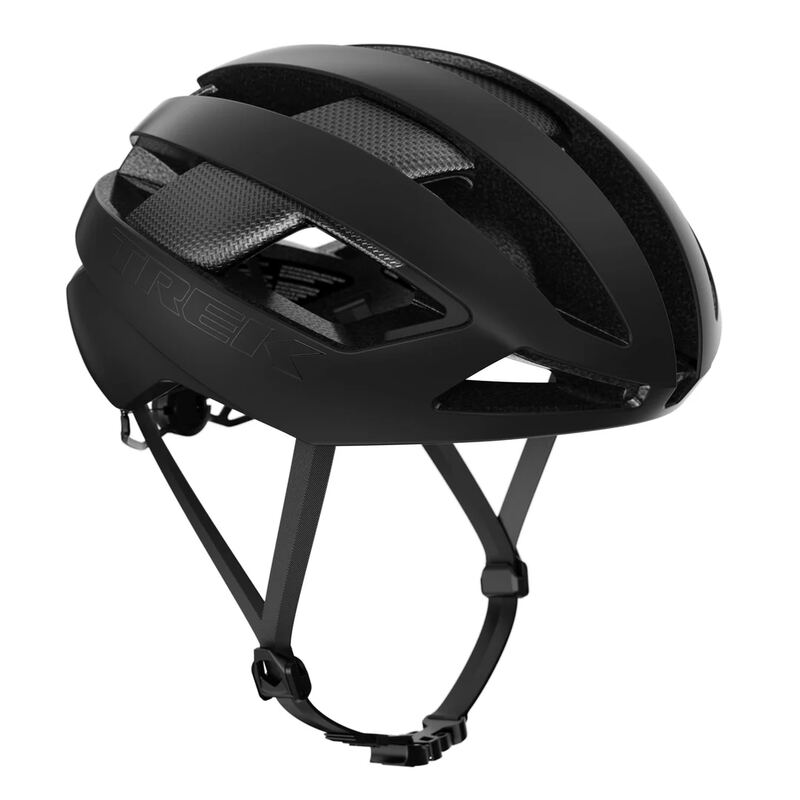
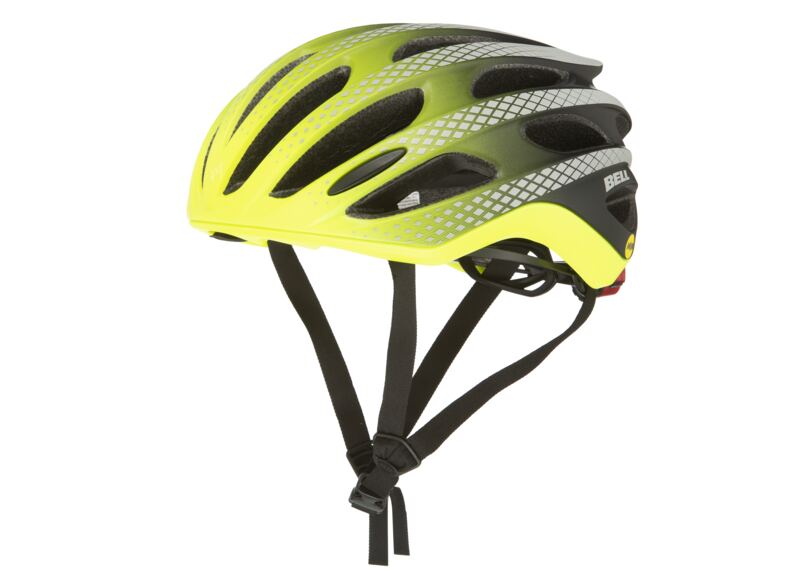
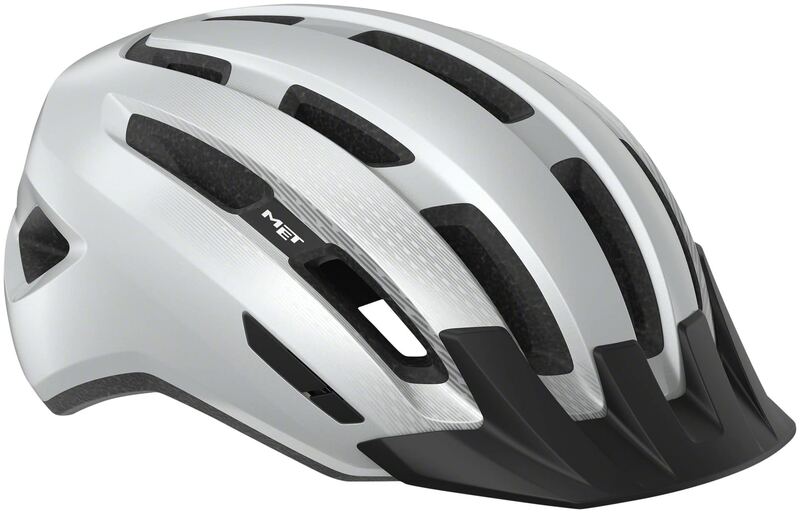
The Smith Signal is lighter than the Bell Formula (256g vs 285g+) and Met Downtown (256g vs 280g), while matching the lower end of the Giro Aries weight range. It uses a VaporFit rotary dial system, differing from the BOA systems in the Trek Velocis and Spherical MIPS technology found in the Giro Aries.
Rating sources
“Smith Quality and Comfort at an Affordable Price”
“From road to gravel, the Network is lightweight and breathable making it one of our favorite helmets of 2023.”
Our 4.0 score is the average of the 4 scored reviews above; 2 more reviewed it without printing a score and are not in the average. Ratings marked * were derived from the reviewer’s written analysis or video transcript — the publisher didn’t print an explicit numeric score, so we inferred one from their own words. Click through to verify. More about methodology.