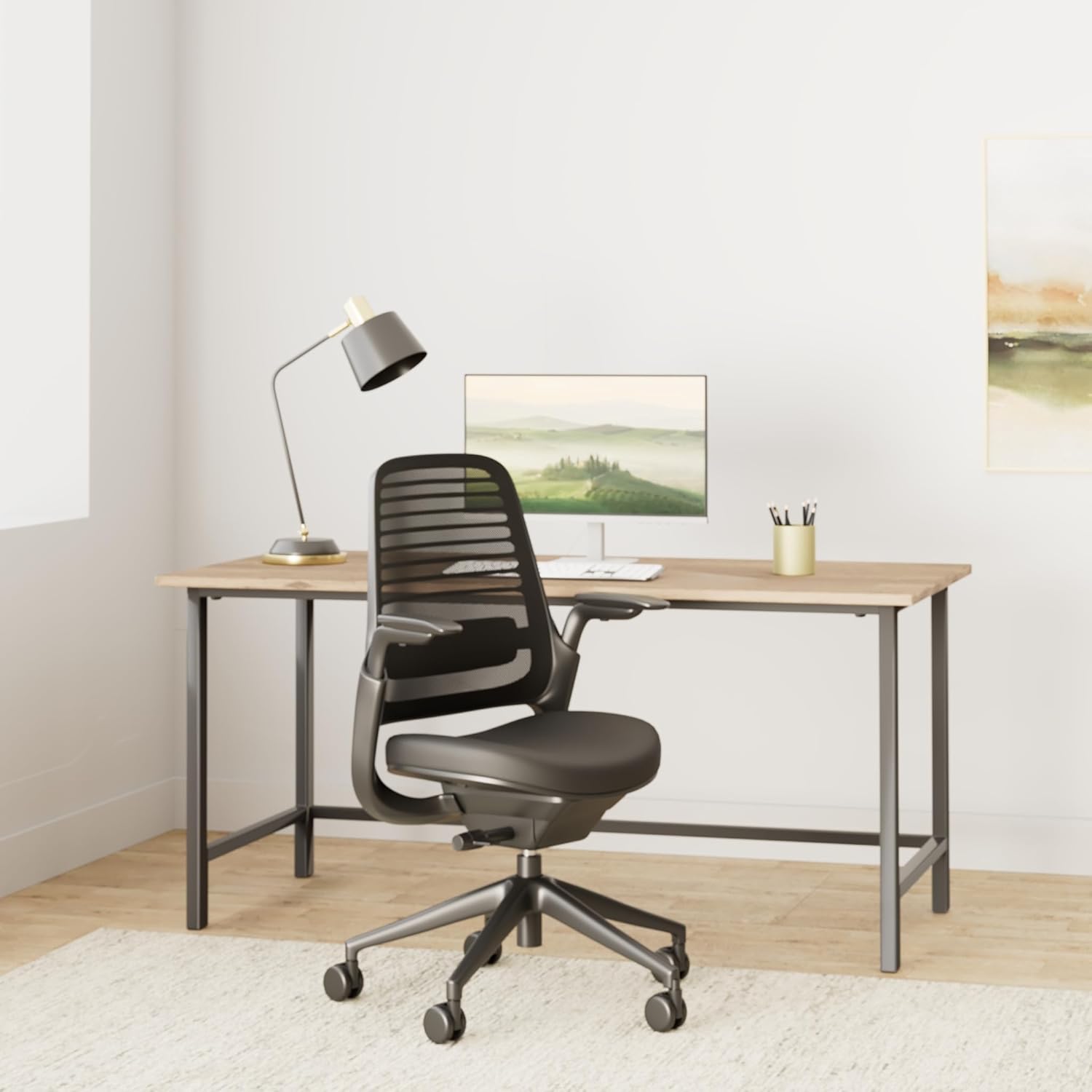
The Steelcase Series 1 puts a heritage office-furniture name at the top of this category's budget, with tool-free assembly, four-way adjustable armrests and weight-activated recline. TechGearLab rated it 4 out of 5 and How-To Geek 8 out of 10, but OfficeGearLab was noticeably cooler at 3 out of 5, and the complaints cluster in the same places: wobbly armrests, a backrest testers disagreed about, and casters that only really suit carpet. Good value for moderate home-office use rather than all-day occupancy.
Full review
Adaptive bolstering and weight-activated recline
The Series 1 uses adaptive bolstering in the seat and back, which flexes to the sitter rather than presenting one fixed contour, and a weight-activated recline that sets its own resistance from body weight instead of asking for a tension dial. Ergonomic Gear Reviews found the support held up over hours of continuous sitting. Lumbar support is adjustable through the lower part of the backrest, and the seat depth moves as well. The recline itself is the thin part of the package: the tilt limiter and resistance share a single control offering only a few combinations, so there is less to tune than the specification list implies.
Four parts, no tools, under two minutes
Assembly is the least controversial thing about this chair. Ergonomic Gear Reviews counted four parts and no tools, with the back clipping to the base and the seat sliding on, and How-To Geek confirmed it as one of the easiest pieces of furniture they had put together. The exception is the optional headrest, which does need tools — an odd break in an otherwise tool-free product, and a mild irritation for anyone who ordered one expecting the rest of the experience.
The armrests shift under pressure
The most common structural complaint is the armrests. They adjust in four directions — height, depth, width and angle — which is unusual at this price, but reviewers describe them as wobbly, moving under load rather than holding position. Leaning on one arm to stand up is where it shows. The padding is also thin enough that resting forearms on the rests for long stretches is not especially comfortable. The adjustment range is genuinely useful; the rigidity is not what a Steelcase badge leads you to expect.
Casters are specified for carpet
Ergonomic Gear Reviews noted that the stock casters are carpet casters, and How-To Geek found the chair less happy rolling on hard floors. On tile, laminate or sealed concrete the chair drags rather than glides. Replacement casters are cheap and fit the standard stem, so this is fixable, but it is an extra purchase that the price does not signal and one that a buyer with a hard-floor office should budget for on day one.
Testers disagree about the backrest
Opinion splits hardest on the back. How-To Geek liked the mesh support and accepted the lack of padding; other testers found the backrest uncomfortable over longer sessions, and OfficeGearLab's 3 out of 5 is the lowest score the chair carries. Complaints also surface about the seat angling forward more than expected, which produces a persistent feeling of sliding out of the chair, and about sharp plastic edges beneath the armrests. This is a chair worth sitting in before committing if that is at all possible.
Where it lands against pricier chairs
TechGearLab's 4 out of 5 is a fair summary: solidly built, sensibly adjustable, and clearly cheaper than the chairs it shares a showroom with. The frame and foam hold their shape, and How-To Geek's month of use found the cushion had not flattened. What the money does not buy is the refinement of the chairs above it — the armrest slop, the coarse recline control and the divisive backrest are all things a more expensive chair solves. For a home office used for part of the day it is good value; for someone planted at a desk forty hours a week, the next bracket up is the honest recommendation.
Strengths
- +Ergonomic design with adaptive bolstering and weight-activated recline for natural spine support
- +Tool-free assembly in under 2 minutes with only four parts
- +Adjustable 4-dimensional armrests that can be adjusted for height, depth, width, and angle
- +Breathable polyester fabric seat and solid frame construction for durability
- +Affordable price point compared to high-end office chairs with good value for money
Watch-outs
- −Limited mobility on hard floors due to carpet-specific casters
- −Armrests described as wobbly and shifting under pressure during use
- −Backrest received mixed to negative reviews with testers finding it uncomfortable
How it compares
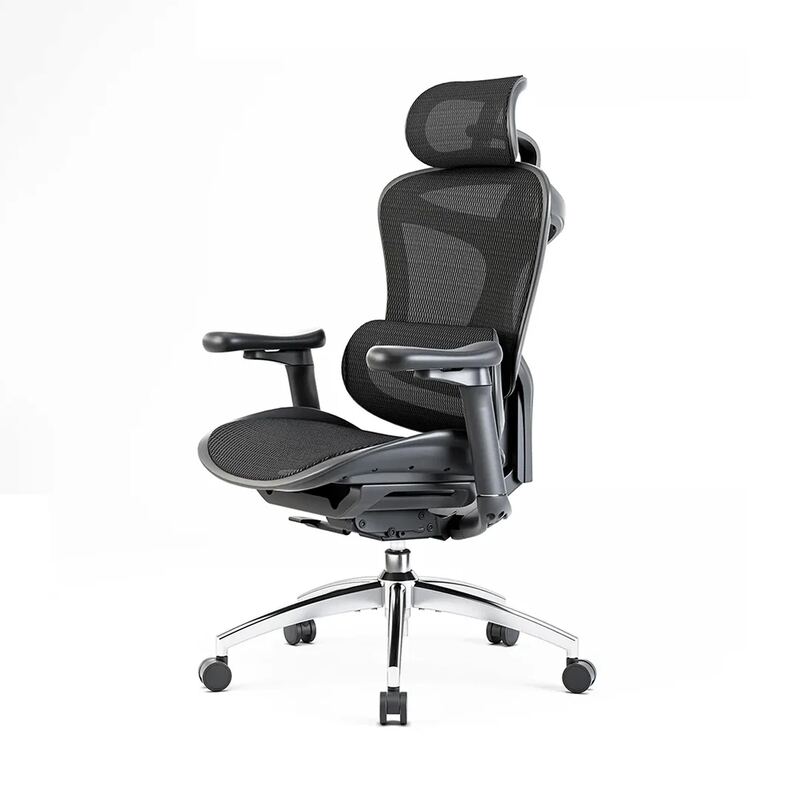
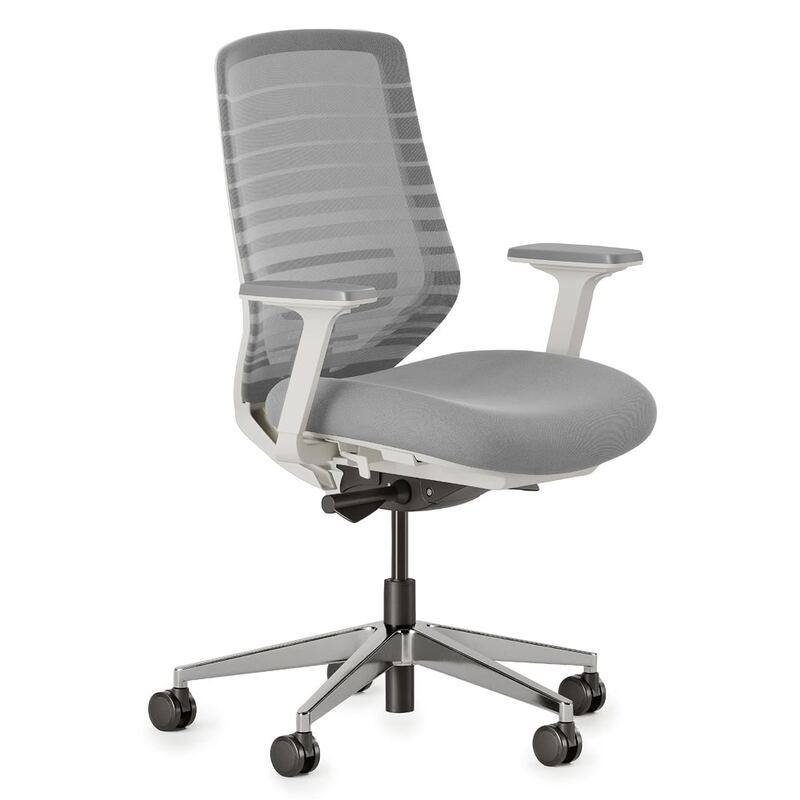
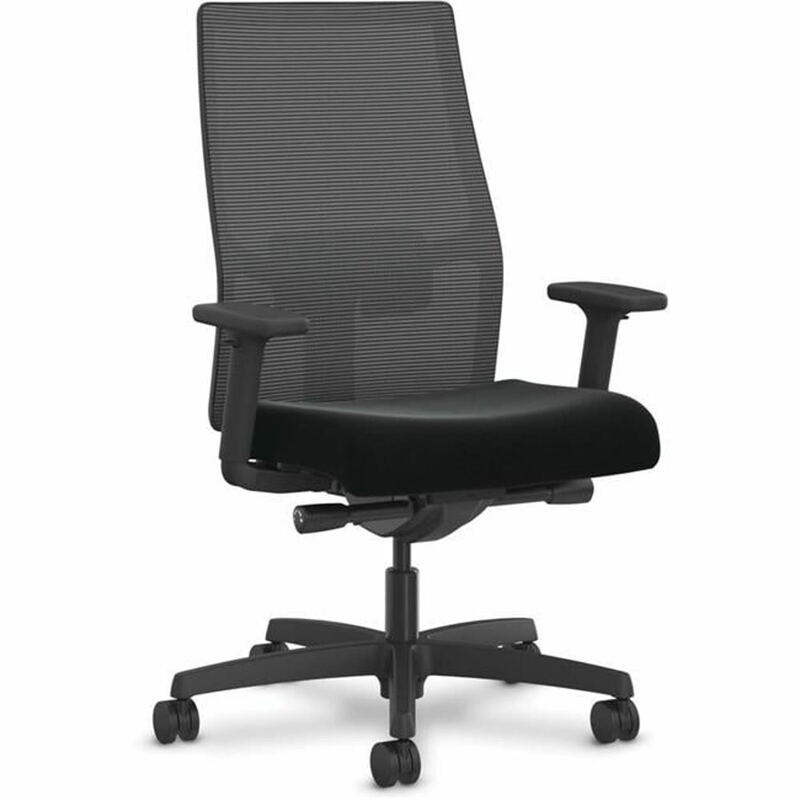
The Steelcase Series 1 is the heritage-brand pick, offering tool-free assembly and 4-dimensional armrests at the top of this category's budget. Against the HON Ignition 2. 0 it feels more refined but pricier.
Rating sources
“With its promising specifications, ease of assembly, and ergonomic design, the Steelcase Series 1 has garnered attention from both professional and home office users.”
Our 3.9 score is the average of these published ratings. Ratings marked * were derived from the reviewer’s written analysis or video transcript — the publisher didn’t print an explicit numeric score, so we inferred one from their own words. Click through to verify. More about methodology.