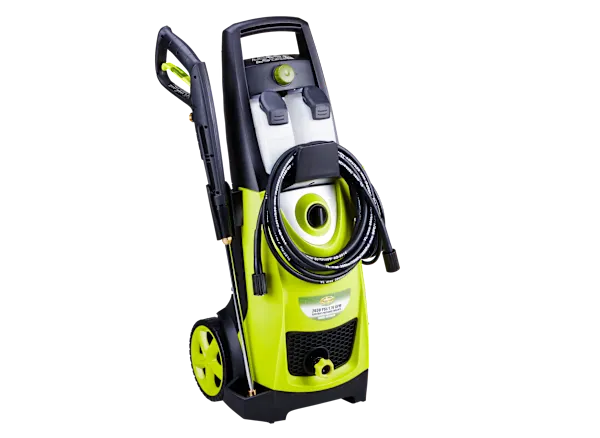
The Sun Joe SPX3000 is the value benchmark for electric pressure washers, pairing 2030 PSI rated output with two onboard detergent tanks for under $200. TechGearLab scored it 65 out of 100 and called it a good all-around machine for average household use, well matched to cars, patios, siding, and driveways. Its universal motor won't last like an induction design. For the price, it handles light-to-medium cleaning better than it has any right to.
Full review
Scored 65 out of 100 as a solid all-arounder
The Sun Joe SPX3000 has become the default recommendation for budget electric pressure washing for a simple reason: it does most homeowner jobs well for a fraction of the price of a premium machine. TechGearLab, which scored it 65 out of 100, summed up the verdict as 'a good all-around machine for average household use, but it lacks the sturdiness and power required for those larger jobs.' At a 2030 PSI rated pressure and up to 1.76 GPM, it has more than enough force for cars, patio furniture, decks, fences and house siding, and it strips light-to-moderate grime without the operator having to crawl the nozzle along the surface.
Consumer Reports' testers praised how approachable it is, noting it is 'easy to move and transport, and easy to operate, just plug it in.' That plug-and-go simplicity is a real advantage over gas units, which need fuel, oil and a pull-start. For the most common residential tasks, the SPX3000 delivers cleaning performance that genuinely punches above its price, which is why it has remained a best-seller for years rather than being eclipsed by newer models.
Dual detergent tanks with a selector dial
The SPX3000 is built around a 14.5-amp universal motor and an axial wobble pump, a combination that keeps cost and weight down at the expense of the longevity you'd get from an induction motor and a triplex pump. The chassis is compact and light enough, around 31 pounds, to carry up a flight of stairs or lift onto a shelf for storage, and the large rear wheels make it easy to roll across a yard.
The standout design feature is the pair of onboard detergent tanks with a selector dial, so you can load two different chemicals, say a soap and a wax, and switch between them without stopping to swap bottles. Five quick-connect nozzle tips cover the full range from a gentle 40-degree rinse to a 0-degree concentrated jet, and a 35-foot GFCI cord gives reasonable reach. The Total Stop System shuts off the pump the instant you release the trigger, which conserves energy and reduces wear during the inevitable pauses in a cleaning session.
Soaping and Versatility
Dual detergent tanks are unusual at this price and genuinely useful in practice. Anyone who details a car will appreciate being able to pre-load a wheel cleaner and a body soap and toggle between them mid-job, and homeowners tackling a deck can keep a cleaner and a brightener ready at once. The soap-draw nozzle pulls chemical reliably, which is not a given on budget machines.
The five-tip nozzle set extends that versatility across surfaces. The wide fan tips are safe for soft wood and painted siding, while the narrow tips handle concrete and stubborn driveway stains. That breadth means a single SPX3000 can responsibly cover the whole spread of household cleaning chores, from a delicate patio cushion to a grimy garage floor, without risking damage to the softer materials.
Owners report leaks after a season or two
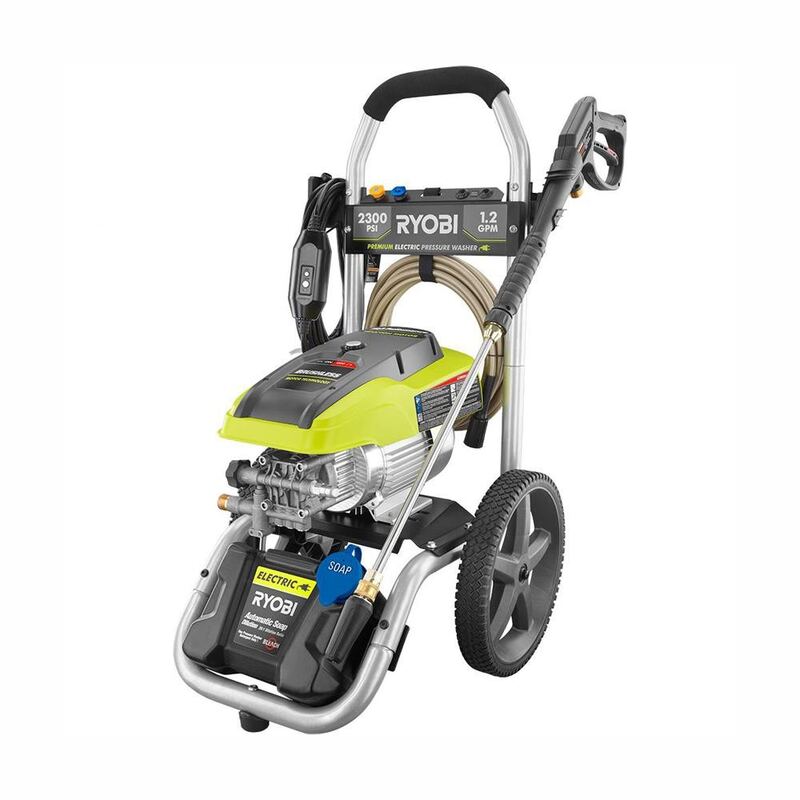
Durability is the SPX3000's well-documented weak spot. The universal motor and wobble pump are not built for the years of heavy use that an induction-motor washer like the Ryobi RY142300 can absorb, and owner feedback includes reports of leaks and gradual pressure loss after a season or two of use. It is also among the louder electrics, lacking the quieter hum of an induction design.
It is decidedly a light-to-medium-duty tool. Pushed into frequent heavy work, large commercial driveways or daily professional cleaning, it will wear out faster and underperform a sturdier machine. Buyers should treat it as the right tool for periodic homeowner cleaning rather than a workhorse for constant demanding jobs.
Gives up durability for the lowest price here
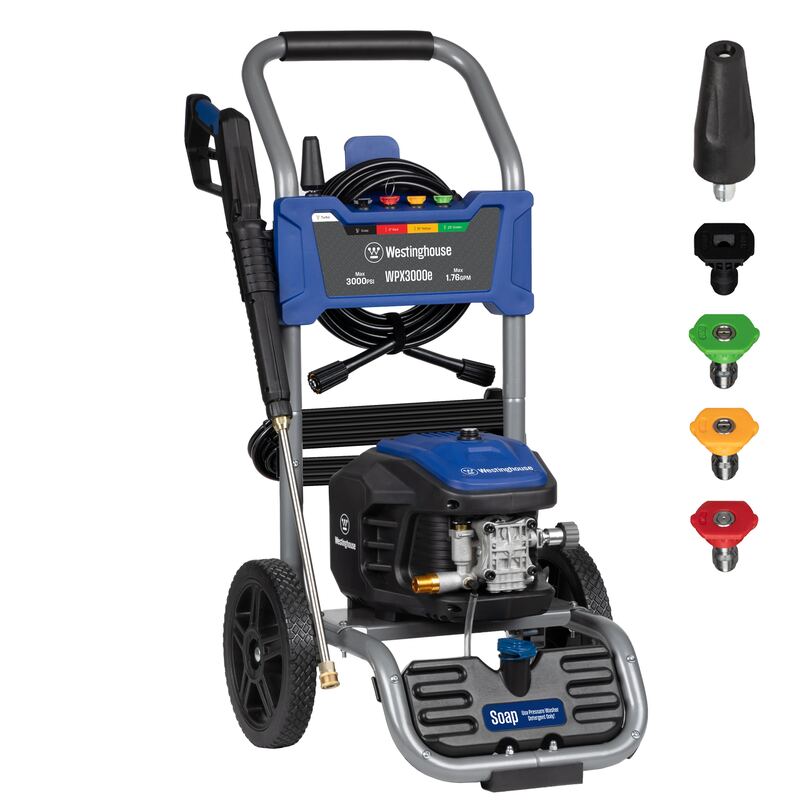
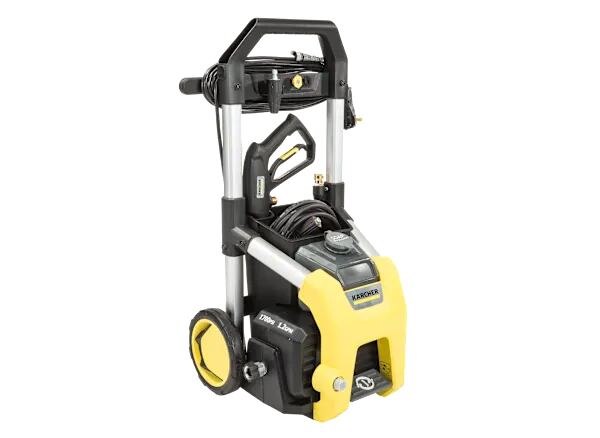
Against the Ryobi RY142300, the SPX3000 gives up the brushless-induction durability and the heavy-duty pump, but wins decisively on price and adds the second detergent tank. Against the Westinghouse WPX3000e it trades a slightly lower rated pressure for a lower cost and proven track record. The Karcher K1700 is quieter and more compact but less powerful and feature-rich, and the Greenworks GPW1951 matches the price while offering a hose reel instead of dual soap tanks.
In short, the SPX3000 is the value leader of this group. If your priority is spending the least to get a capable, versatile washer for routine home use, it is the natural pick. If you expect heavy or frequent use, stepping up to the Ryobi pays off in longevity.
Best capability per dollar for occasional use
Few tools in this category deliver as much capability per dollar as the SPX3000. For well under $200 you get a washer that handles the overwhelming majority of homeowner cleaning, plus a dual-tank detergent system that costs extra or simply isn't available on rivals. That combination is the reason reviewers keep returning it to the top of value rankings year after year.
The honest caveat is that the low price reflects a shorter expected lifespan, so the value math depends on use. For the homeowner who pressure-washes a few times a season, the SPX3000 will likely last many years and represent excellent value. For someone planning to use it weekly on demanding surfaces, the marginally higher cost of a more durable machine is money well spent. For its intended audience, though, the value is hard to beat.
The sensible default for periodic homeowner cleaning
The SPX3000 is the right choice for the typical homeowner who wants a capable, affordable, versatile electric pressure washer for periodic cleaning of cars, patios, decks, fences and siding. The dual detergent tanks make it especially appealing to anyone who details vehicles or juggles multiple cleaning chemicals.
It is not the right tool for heavy daily use, commercial work, or buyers who prize quiet operation and long-term durability above price. Those users should look at the Ryobi RY142300 or Westinghouse WPX3000e. For everyone shopping the value end of the category, the SPX3000 remains the sensible default.
Strengths
- +Excellent value: 2030 PSI rated output and dual detergent tanks for well under $200
- +Two onboard soap reservoirs with a selector dial let you switch chemicals on the fly
- +Total Stop System cuts the pump when the trigger is released, saving energy and wear
- +Light and compact enough to carry up steps and store on a shelf
- +Five quick-connect nozzle tips cover everything from delicate rinsing to concentrated blasting
Watch-outs
- −Universal motor and wobble pump are less durable than brushless/induction designs
- −Owners report leaks and pressure loss over time on some units
- −Loud compared to induction-motor electrics
- −Not powerful enough for heavy commercial-grade work
How it compares
The value pick against the more durable Ryobi RY142300 and Westinghouse WPX3000e, and a step up in features from the compact Karcher K1700. It matches the Greenworks GPW1951 on price but adds a second detergent tank.
Rating sources
“A good all-around machine for average household use, but it lacks the sturdiness and power required for those larger jobs.”
“Easy to move and transport, and easy to operate, just plug it in.”
Our 3.9 score is the average of these published ratings. Ratings marked * were derived from the reviewer’s written analysis or video transcript — the publisher didn’t print an explicit numeric score, so we inferred one from their own words. Click through to verify. More about methodology.