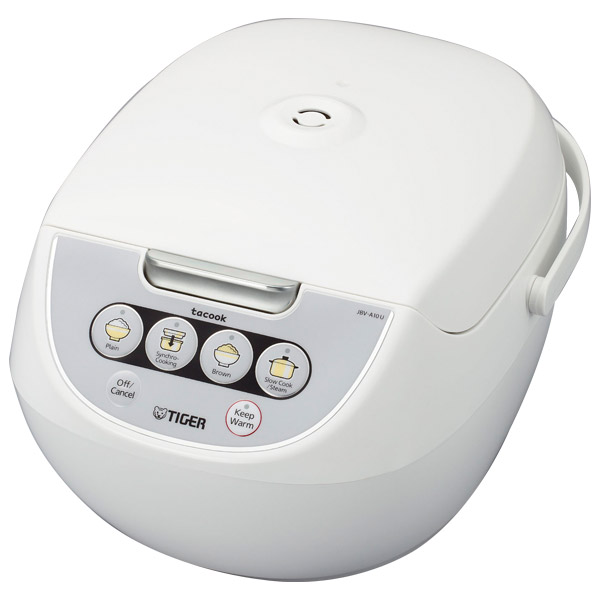
The Tiger JBV-A10U is a 5.5-cup micom cooker whose signature trick is Tacook synchro-cooking: a tray that steams a protein or vegetable above the rice so a full meal finishes in one machine. Weigh that against recurring complaints about the inner pot's nonstick longevity.
Full review
Tacook tray cooks a side dish above the rice
Smart Home Explorer aggregates eight expert reviews into an 8.6/10 consensus and notes Tiger's micom cookers produce results nearly indistinguishable from fuzzy logic for standard white rice. Hands-on reviewers reinforce that: GrainMatch describes individual grains that hold their shape yet yield gently to pressure, with the 'bounce' characteristic of properly cooked Japanese rice. The microcomputer control adjusts the cycle to the rice type, so plain white and brown rice both finish well — a clear advantage over the conventional Zojirushi NHS-06 on whole grains.
The headline feature is Tacook synchro-cooking. In practice you can steam fish or vegetables while the rice cooks beneath, turning the cooker into a one-appliance meal maker — something no other cooker in this roundup offers. Tiger ships a recipe booklet built around the feature, and reviewers note the timing is genuinely coordinated so the protein and the rice finish together rather than one being overcooked.
The synchro tray also doubles as a plain steamer when you are not cooking rice, extending the cooker's usefulness to vegetables, dumplings, or reheating. That versatility, combined with the micom precision, is what pushes the JBV-A10U above the budget cookers in this group for anyone who wants their rice cooker to earn its counter space beyond a single job.
Controls and Design
Smart Home Explorer's long-term notes call out the tactile rotary dial as preferred over membrane buttons, because it stays responsive and legible as the years pass and does not wear out the way printed touch panels can. It is a small detail that long-term owners appreciate: membrane panels on cheaper cookers can delaminate or stop registering presses, while a physical dial keeps working.
The cooker is a compact 5.5-cup unit with a clean, utilitarian look that suits a small kitchen. There is no app, no Wi-Fi, and only a basic display — Tiger put the engineering into the cooking and the synchro tray rather than connectivity, which most buyers in this price bracket will consider the right call. The cooking plate, inner pan, and synchro tray all detach for washing, and the relatively simple control set keeps the learning curve gentler than the Cuckoo's busier panel.
4.6-star Amazon average backs Japanese build reputation
Beyond the 8.6/10 expert consensus and 4.6-star Amazon average, reviewers repeatedly single out two things: the authenticity of the rice texture and the practicality of synchro-cooking for small kitchens. For someone cooking for one or two who wants both rice and a protein without dirtying a second pan, the Tacook tray is a genuine daily-use convenience rather than a gimmick.
The four cooking modes are fewer than rivals offer, but each is well tuned — reviewers describe the plain and brown settings as reliable rather than experimental. The Tiger brand also carries a reputation for Japanese-market build quality, and that heritage, plus the strong aggregate scores, gives buyers confidence that the cooker delivers restaurant-style rice rather than the merely adequate output of a budget machine.
Nonstick coating reported to wear or flake
The most consistent complaint, flagged in Smart Home Explorer's aggregation, concerns durability of the inner pot's nonstick coating — some long-term owners report it wearing or flaking, which is a real consideration given how central the pot is. The JBV-A10U also offers only four programs against eight to ten on the Cuckoo CR-0631F, so specialty-rice fans get less granular control. And at 5.5 cups it sits between the small Zojirushi and the family-sized Cuckoo, making it a poor fit for large households.
Wins on synchro-steaming, loses on program count
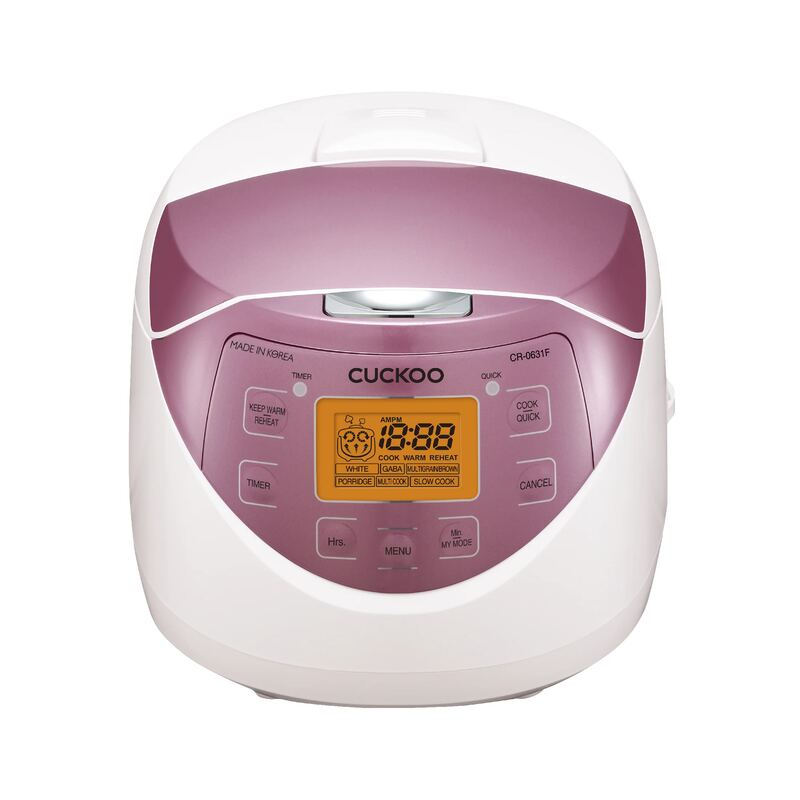
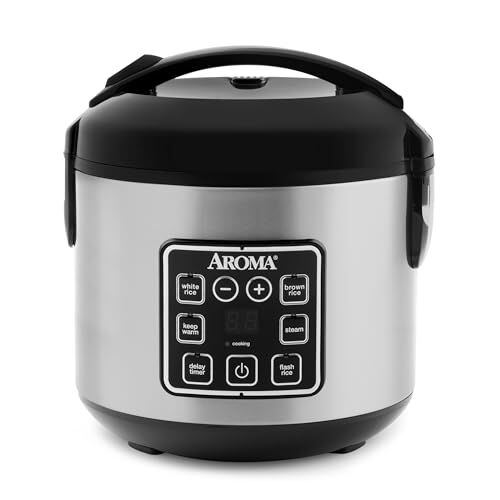
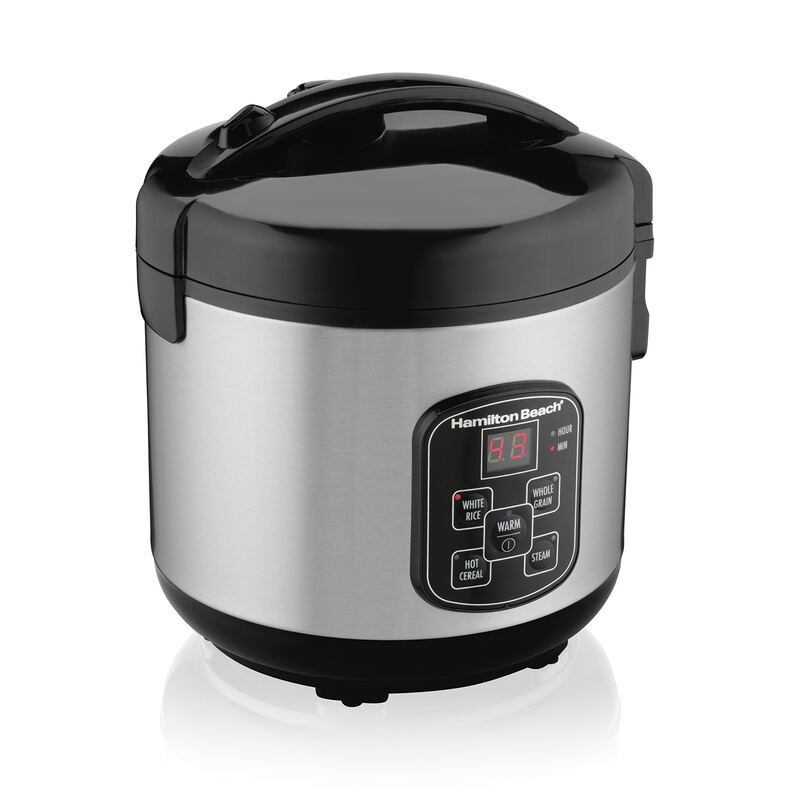
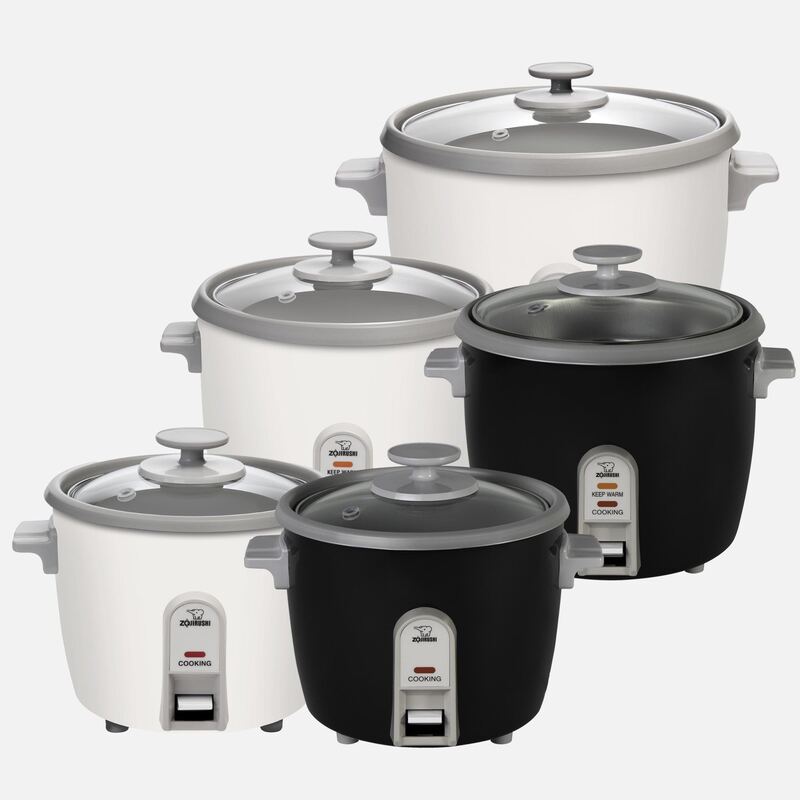
The Tiger and the Cuckoo CR-0631F are the two micom cookers here, and they split the decision cleanly: the Cuckoo wins on program count and keep-warm duration, the Tiger wins on synchro-steaming and dial controls. Both outclass the conventional Zojirushi NHS-06 on brown rice, though the Zojirushi is cheaper and simpler. The budget Aroma ARC-914SBD and Hamilton Beach 37518 cannot match the Tiger's grain precision or one-pot-meal flexibility.
Premium justified only if you use the steam tray
At around $90, the Tiger sits near the top of the budget bracket, and the value question is whether the Tacook synchro-cooking and Japanese build quality justify the premium over a basic cooker. For buyers who will use the synchro tray, the answer is clearly yes — it effectively replaces a second cooking vessel and makes weeknight one-pot meals genuinely faster. The 8.6/10 expert consensus and 4.6-star Amazon average suggest the broader market agrees the cooker earns its price.
For someone who only wants plain rice and will never touch the steam tray, the value case weakens — the cheaper Zojirushi NHS-06 makes comparable white rice for less. The Tiger's premium is paid for the synchro feature and the micom brown-rice competence, so the more varied your cooking, the better the value. The main asterisk is the inner-pot coating durability, which buyers should weigh against the otherwise strong long-term reputation of the Tiger brand.
Best for one-appliance meals via the steam tray
The JBV-A10U is the pick for the cook who prizes authentic Japanese-style rice and will actually use the synchro-steam tray to make complete meals in one appliance. Treat the nonstick pot gently (wooden or silicone utensils, hand-washing) to address the durability concern. If you cook for a big family or want the most cooking modes, the larger Cuckoo is the better buy; if you only eat white rice, the cheaper Zojirushi will do.
Strengths
- +Tacook synchro-cooking steams a side dish above the rice at the same time, as AllKitchen describes
- +Micom precision produces clean, distinct grains praised as Japanese-quality
- +Tactile rotary dial preferred over membrane buttons in long-term use
- +Four well-tuned modes cover plain, brown, synchro, and slow-cook/steam
- +Strong 8.6/10 expert consensus and 4.6-star Amazon average
Watch-outs
- −Inner pot's nonstick coating durability is a recurring complaint
- −Only 4 programs versus 8-10 on competing micom cookers
- −No smart/app connectivity and a basic display
- −5.5-cup capacity is mid-sized, not ideal for large families; AllKitchen suggests a 10-cup model for bigger households
How it compares
Shares the micom-cooker tier with the Cuckoo CR-0631F; the Cuckoo offers more programs and a stronger keep-warm, while the Tiger JBV-A10U counters with Tacook synchro-steaming the Cuckoo lacks. It is more capable than the conventional Zojirushi NHS-06 on brown rice, and a clear step above the budget Aroma ARC-914SBD and Hamilton Beach 37518 in precision and build.
Rating sources
Our 4.4 score is the average of these published ratings. Ratings marked * were derived from the reviewer’s written analysis or video transcript — the publisher didn’t print an explicit numeric score, so we inferred one from their own words. Click through to verify. More about methodology.