The Toddy Cold Brew Coffee Maker System keeps home cold brewing tidy, with a reliable reusable filter setup that prevents mess and spilling. Reviewers found it easy to run and praised the smooth, flavorful result with minimal sediment. Home Grounds reviewer Julia Bobak noted the practical design and dual-filtration options, and Low-Key Coffee Snobs user David Hayes reported it working well for regular household use. Removing the stopper gets messy, and it costs considerably more than a DIY alternative. It fits coffee enthusiasts who want convenience and consistent results.
Full review
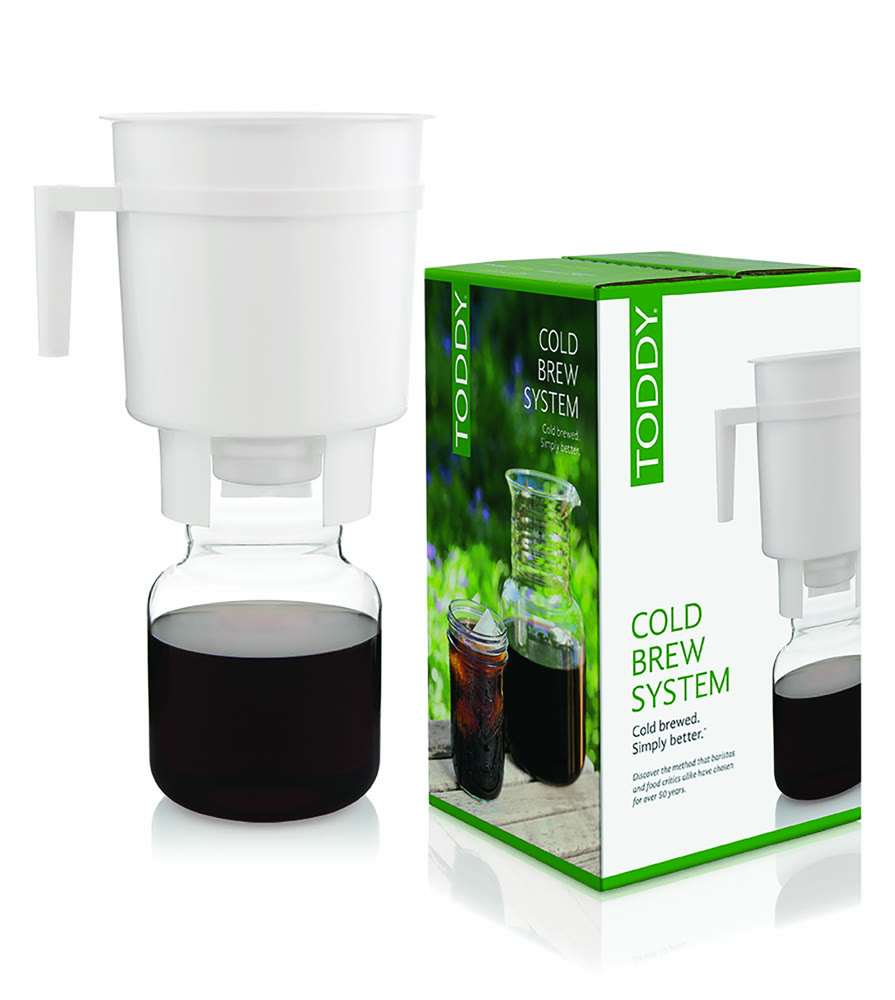
A plastic brewing bucket over a glass carafe
The Toddy is two pieces: a plastic brewing chamber that sits on top of a glass carafe, plus a silicone stopper, felt filters, paper filter bags and a lid. Nobody buys it for the look — it resembles a bucket balanced on a jar — but every part detaches and everything except the filter goes in the dishwasher. It brews on the counter or in the fridge, which is the simplest way to control how fast the extraction runs.
45 ounces of concentrate per batch
A full batch makes about 45 ounces of concentrate over eight to twenty-four hours, which lasts a regular drinker most of a week once diluted. The concentrate comes out strong and smooth rather than sharp, and sediment is minimal: the felt filter catches the fines that a mesh basket lets straight through, and that is the difference people notice most against a jar-and-cheesecloth arrangement.
Cloth filter for body, paper for clarity
There are two filtration routes. The felt filter alone gives a heavier-bodied cup carrying more of the coffee's oils; dropping a paper bag inside it strips those out for a cleaner, thinner result. Neither is more correct, and being able to switch between them without buying anything extra is one of the better arguments for the system. The felt filters are reusable and are the one component that has to be washed by hand.
Pulling the stopper is where the mess happens
The design flaw everyone runs into is the stopper. It plugs the bottom of the brewing chamber and has to be pulled out before the chamber is set on the carafe, and it drips concentrate on the way. It is not ruinous, but expect to spill a little every single time, and expect the first setup to need a careful read of the instructions rather than a glance at the box.
44.95 dollars against a 32-dollar mason jar
At 44.95 dollars it costs more than a mason-jar cold brew kit at around 32, and the honest answer is that a jar makes acceptable cold brew for far less money. What the Toddy buys is repeatability and a filter that does not collapse into the coffee: the same grind, the same water and the same result every week with no improvised straining step. For someone brewing weekly that pays back; for someone brewing twice a summer it does not.
Strengths
- +Reliable reusable filter system that eliminates mess and spilling
- +Easy to assemble and use with clear brewing instructions
- +Large capacity of up to 45 ounces for concentrate brewing, per Home Grounds
- +Produces smooth and flavorful cold brew with minimal sediment, per Home Grounds
- +Durable construction with practical design for home use
Watch-outs
- −Removing the stopper can be messy and prone to spills, per Home Grounds
- −Relatively expensive compared to basic DIY methods
- −Filter replacement components may need periodic replacement
How it compares
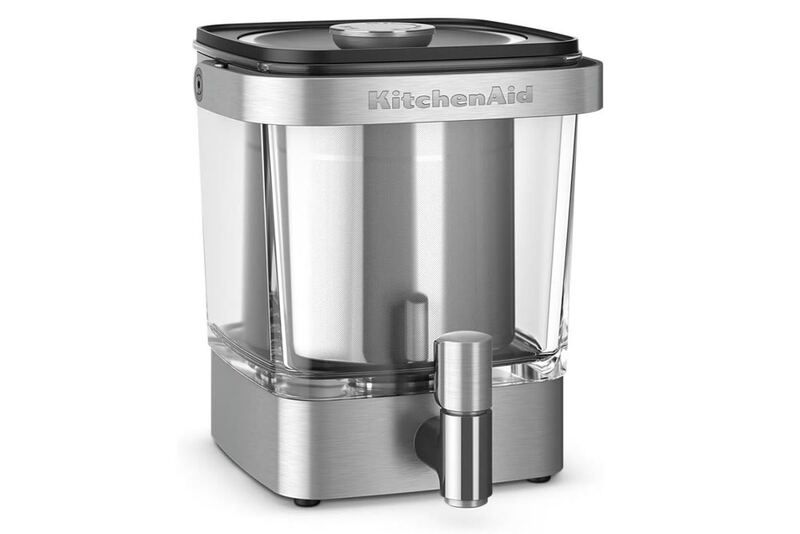
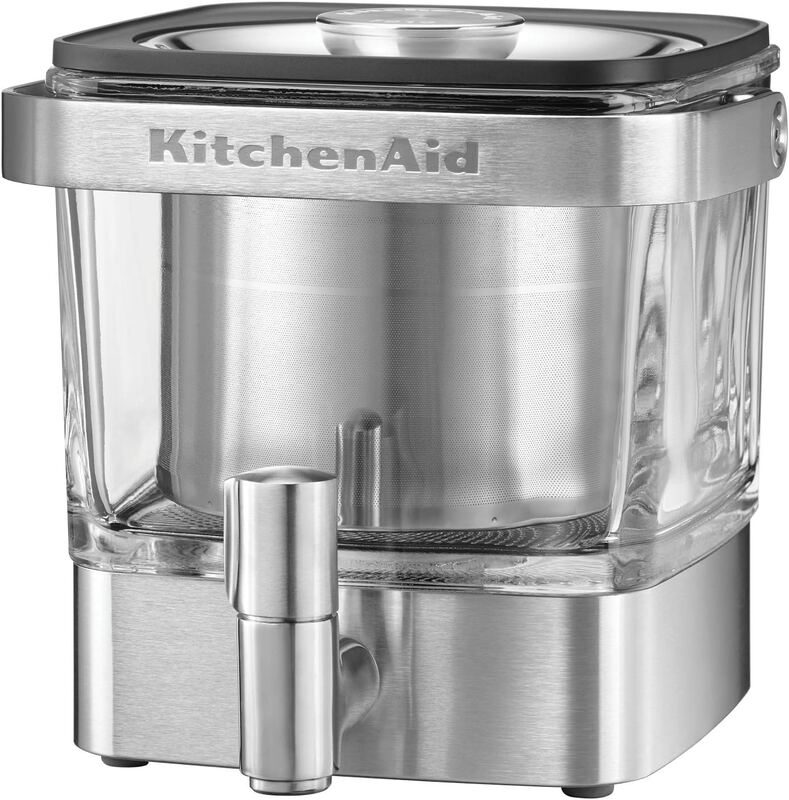
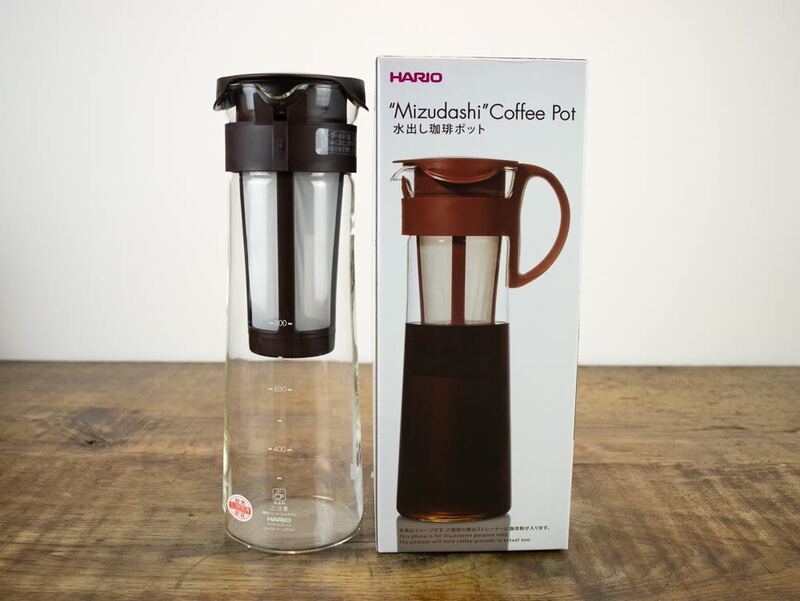
The Toddy system provides a reliable reusable filter that prevents mess and spilling, a feature not found in the OXO or Hario models. It's more durable than the glass-based Ovalware pitcher and offers a larger 45-ounce capacity, surpassing the KitchenAid 28-oz model. However, unlike the KitchenAid 38-oz, it lacks a built-in tap for easy dispensing and doesn't offer the airtight seal for freshness that the Ovalware pitcher provides.
Rating sources
“Im very glad I did. Thats the TL;DR of this review. But no product is perfect, and the cold press coffee Toddy is no exception to that.”
Our 3.5 score is the average of these published ratings. Ratings marked * were derived from the reviewer’s written analysis or video transcript — the publisher didn’t print an explicit numeric score, so we inferred one from their own words. Click through to verify. More about methodology.