Reviewers like the Baby Tula Explore Carrier for how much it covers and how comfortable it stays, with three carrying positions spanning newborn to toddler. Construction gets consistent praise, with one user reporting zero wear after two years of regular use. The ergonomic design and support make it a good travel and everyday carrier. Newborns under 7 lbs are too small for it, and it costs more than some alternatives.
Full review
Three carries, including the only forward-facing Tula
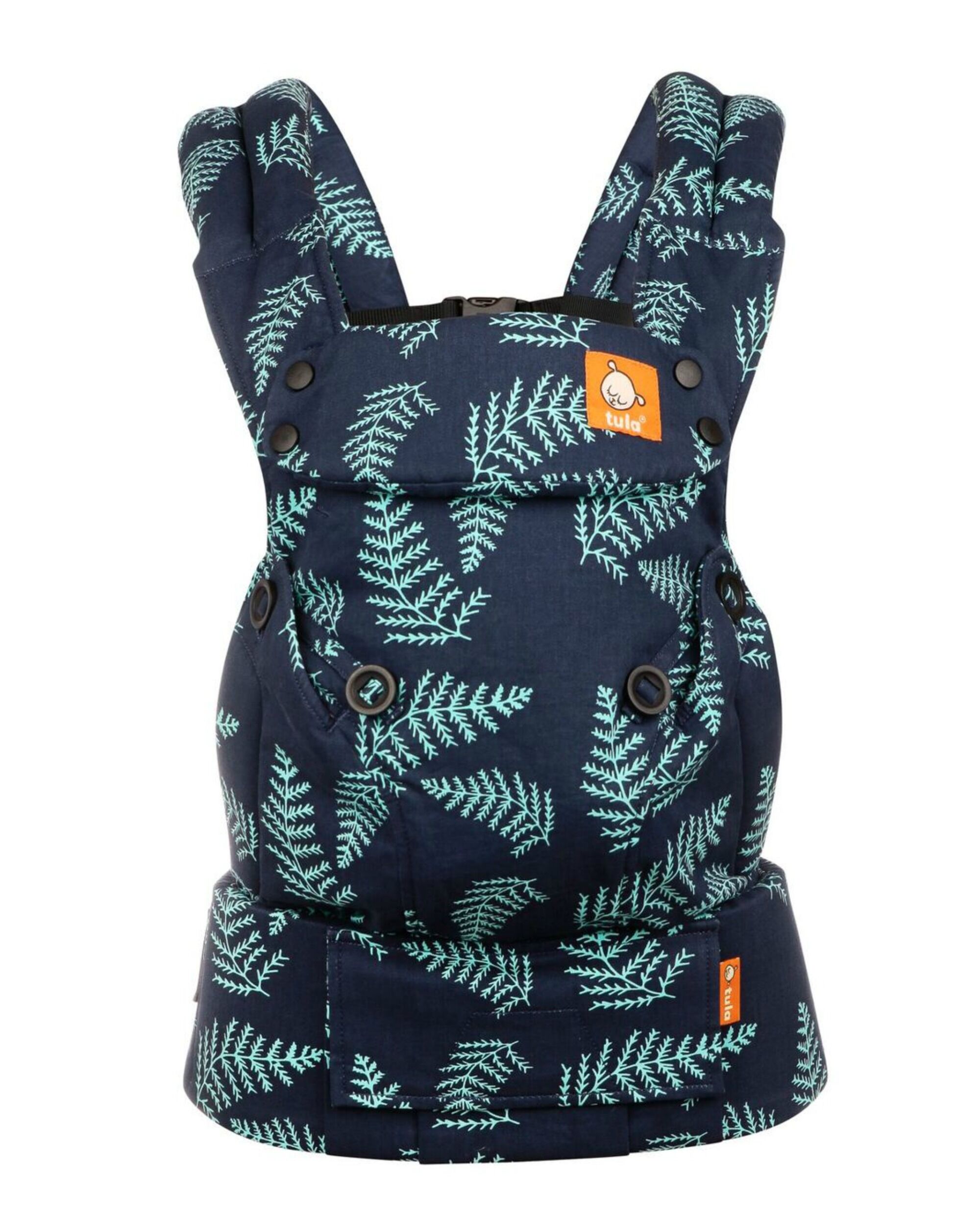
The Explore does three carries: baby inward on the front, baby outward on the front, and on the back for older babies and toddlers. The forward-facing position is why most people choose it — it is the only carrier in Baby Tula's range that offers one — and switching between positions is a matter of panel width and strap settings rather than a different insert. Parents report the outward carry gets awkward once a toddler is heavy enough to lean into it.
7 to 45 pounds with no infant insert to buy
It adjusts from 7 to 45 pounds without an infant insert or any separate accessory, which is the practical difference between this and carriers that need a newborn add-on bought on top. Babies under 7 pounds are genuinely out of range, so it is not the carrier for the first weeks with a small newborn. Fabrics run through cotton, linen, hemp and mesh depending on the print chosen, and all of them machine wash.
Two years of daily use with no fraying
Durability is where the long-term reviews agree. One reviewer using it as a default carrier for two years found no fraying, no tearing and no hardware failure, and the fabric survives machine washing and a low dryer cycle without losing its shape. For a carrier likely to be used most days across one or two children, that matters more than any individual feature on the spec sheet.
A padded waistband carries the load on the hips
Comfort comes from a wide padded waistband that puts the weight on the hips rather than the shoulders, plus padded straps that can be worn parallel or crossed. Reviewers coming from waistband-free carriers describe the difference as substantial on longer walks and hikes. The small touches earn their keep too: a hook-and-loop phone pocket on the front panel, a stowable sun hood, and oversized buttons that can be worked one-handed.
219 dollars, and a learning curve on the straps
At 219 dollars it sits above most mainstream carriers, and price is the complaint attached to it most often. The other is setup: there are enough adjustment points that first-time babywearers take a few sessions to find the right settings, and the flexibility that makes it last is exactly what makes it harder to pick up cold. Neither is a construction fault; both are reasons to buy it only if it will get years of use.
Strengths
- +Adjusts to fit from newborn to toddler (7 lbs to 45 lbs)
- +3 carrying options: front facing out, front facing in, and back carry, according to Half Half Travel
- +Padded support for wearer and baby
- +Durable materials with no fraying or tearing after two years of use, per Half Half Travel
Watch-outs
- −Not suitable for very small newborns under 7 lbs
- −More expensive than some competitors
How it compares
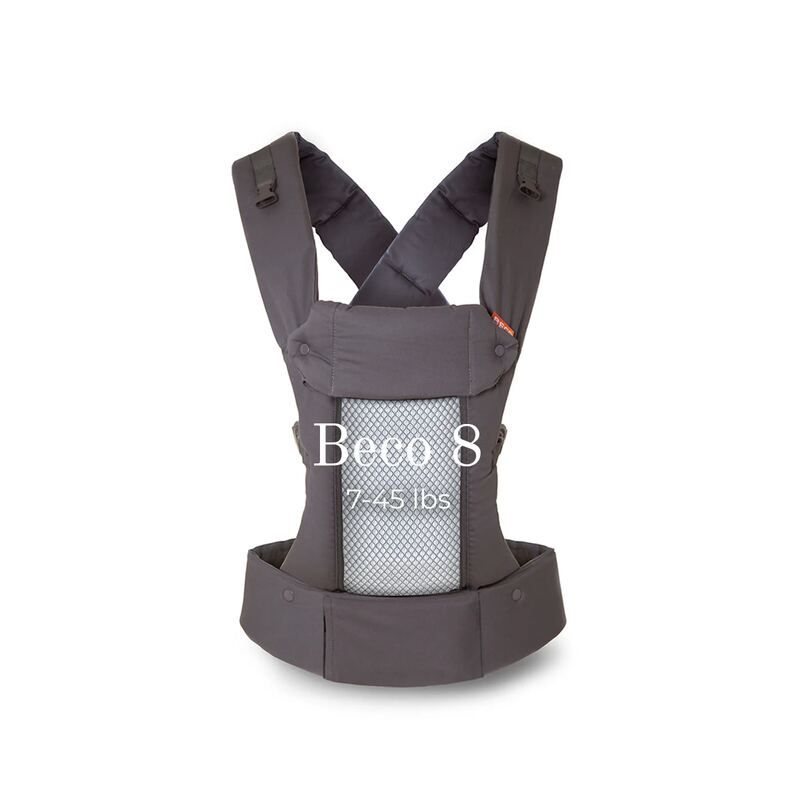
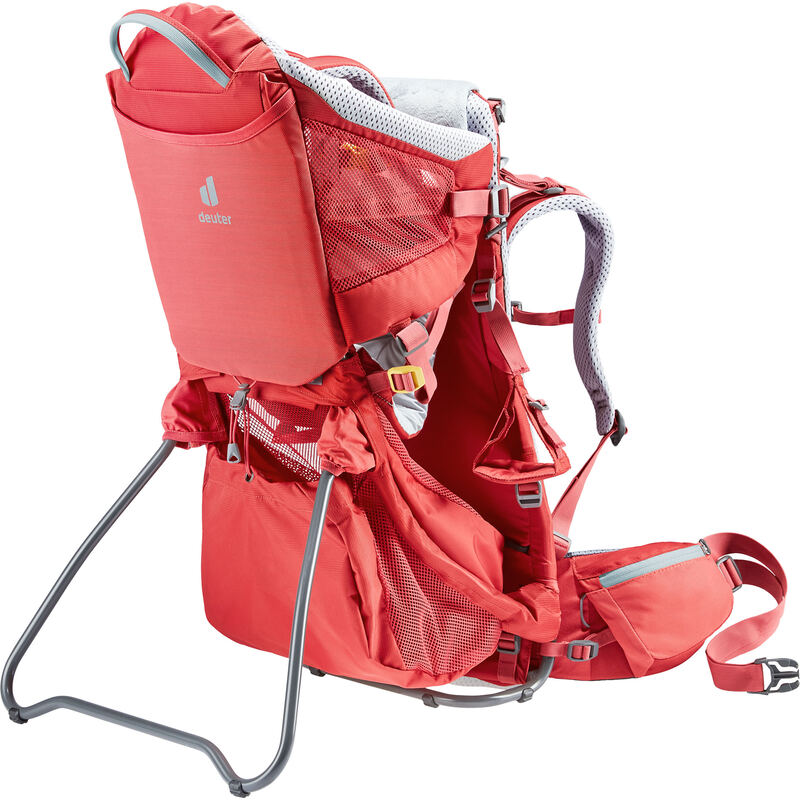
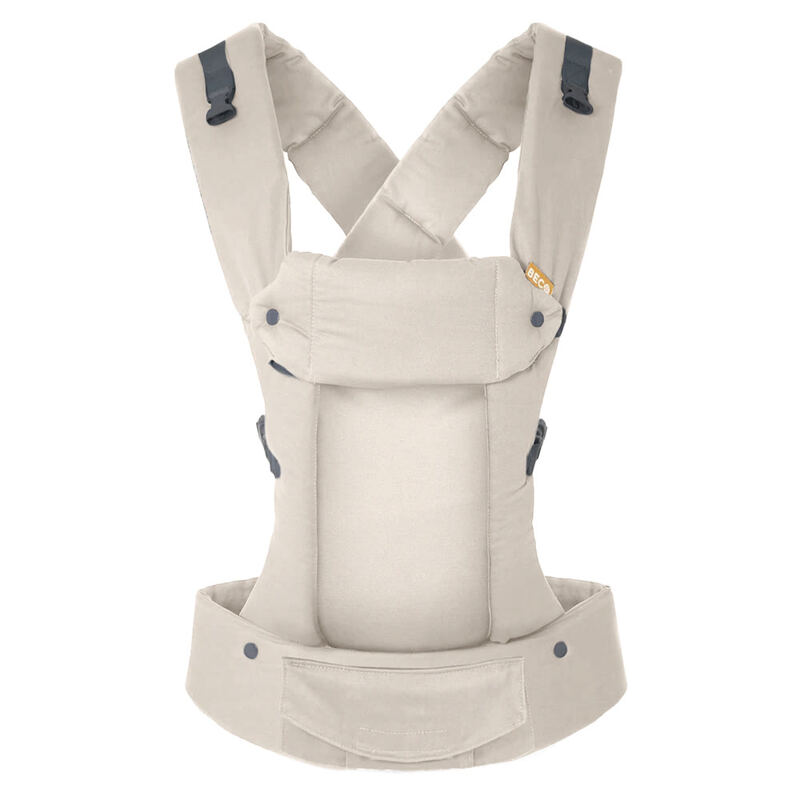
The Tula Explore offers the broadest age range from newborn to toddler, surpassing the Beco Gemini and Beco 8 in adaptability, though it doesn't support very small newborns under 7 lbs. Compared to the Deuter Kid Comfort Active SL, it lacks the women-specific fit and hiking-focused features, but provides more durable construction than the Osprey Poco. It's best for parents who want a long-lasting carrier that works through toddlerhood.
Rating sources
“The Explore Carrier from Baby Tula has been an absolute delight to use, ever since I took it out of the package.”
“I was easily spending hours a week carrying a large preschooler on my back in my Tula. I actually still have it in the cupboard. I retired the pram a couple of years ago, but I still have the Toddler Tula stashed away JUST IN CASE.”
“The Coast Explore, though not the top scorer in our testing, is a good piece of baby gear with some things we especially liked, along with a few things we did not love.”
Our 4.5 score is the average of these published ratings. Ratings marked * were derived from the reviewer’s written analysis or video transcript — the publisher didn’t print an explicit numeric score, so we inferred one from their own words. Click through to verify. More about methodology.