The Vasco E1 earbuds deliver real-time translation for 51 languages during two-way conversations. Reviewers noted the device enables natural dialogue flow without awkward interruptions. The translator uses automatic speech recognition, neural machine translation, and text-to-speech technology. Its dual-headset design allows for seamless conversation but may feel unusual to wear. The device requires individual charging for each earpiece.
Full review
Design and fit
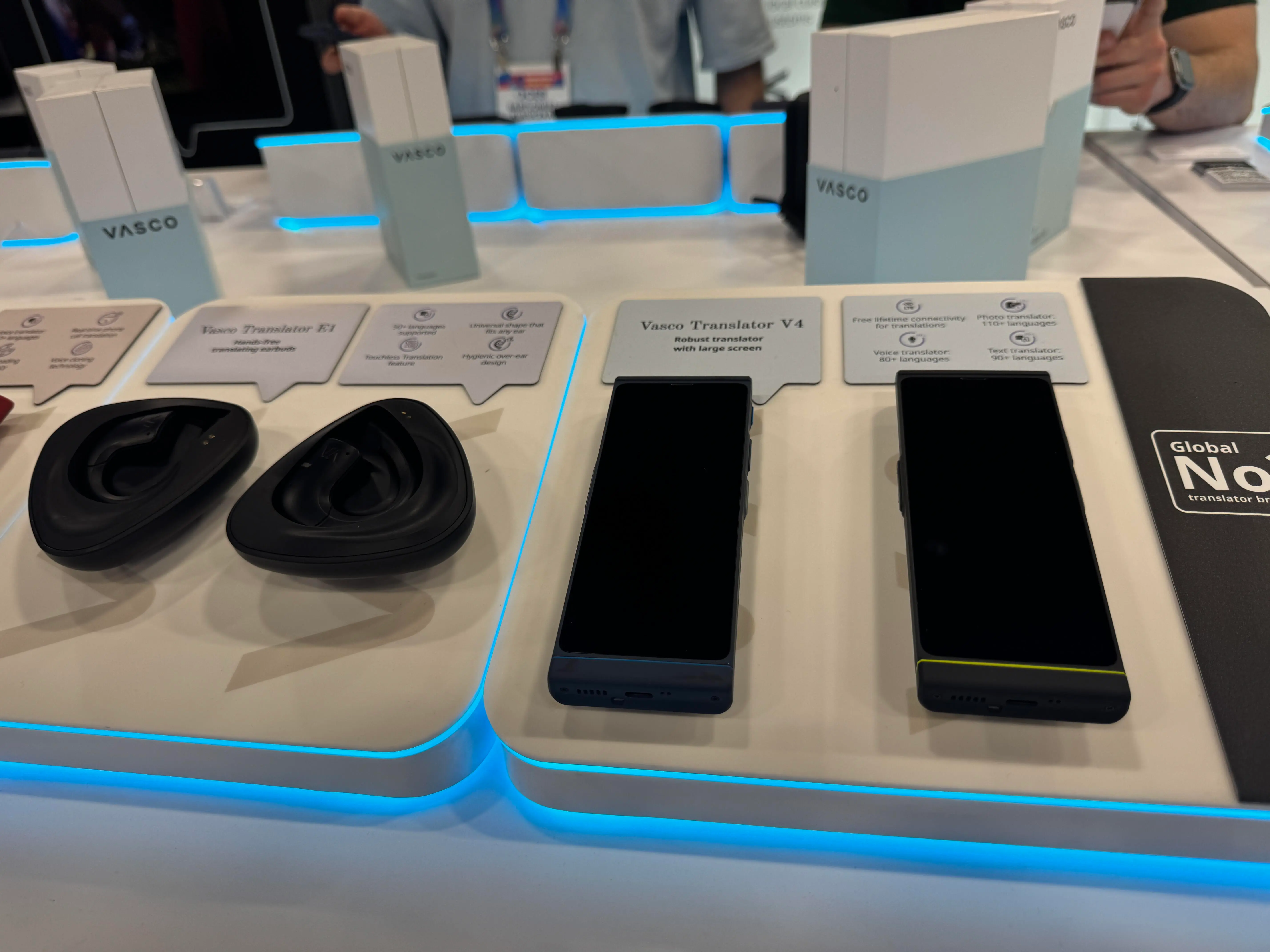
The Vasco E1 earbuds feature a distinctive over-ear design that sits outside the ear canal rather than inserting into it. This configuration makes them significantly more hygienic for shared use, as noted by ChatsControl, which emphasized that the outer-ear placement reduces the risk of cross-contamination. Each earbud is designed to fit the right ear only, which is an unusual but not necessarily problematic design choice. The earbuds come with a magnetic case that snaps together, allowing both earbuds to charge simultaneously, though only one USB-C port is available for charging. The case also includes its own battery, providing multiple charges. ChatsControl found the earbuds to be heavier than typical ANC earbuds, weighing around 12.5g each, which may affect comfort during extended use. The design is described as looking somewhat unusual, even likened to Star Wars character Lobot's gear, but it is functional for its intended purpose.
Setup and app experience
The device requires downloading a dedicated app to function properly, which is standard for modern translation devices. The setup process was described as straightforward, with users able to pair each earbud to their smartphone and assign names, colors, and default languages. Each earbud has a physical volume control, and the LED indicators help distinguish between paired devices. Users can assign a default language for output through the speaker, and the app allows for real-time adjustments. The app interface was noted as user-friendly, though some users reported a slight learning curve when first using the device. One reviewer mentioned that the initial setup was simple but required patience to understand how to correctly configure the earbuds for optimal performance. The app also supports voice cloning technology, which allows translations to sound like the user's own voice, a feature that was well-received by users.
Translation accuracy and performance
The translation accuracy of the Vasco E1 was generally well-received, with users reporting high-quality translations in 51 supported languages. Independent testing showed that the device performs well in quiet conditions, with accuracy rates close to the claimed 96%. However, performance drops significantly in noisy environments or when dealing with technical terminology or strong accents. The translation process follows a three-step pipeline: speech recognition, neural machine translation, and text-to-speech synthesis. WIRED noted that clear enunciation and taking breaks between sentences improved translation quality. The device supports real-time translation in both directions, allowing for seamless conversation between two parties. In group settings, up to 10 translators can be paired, making it suitable for multi-language group chats. One reviewer highlighted that while the translation quality is impressive, users must speak slowly and clearly to achieve optimal results.
Modes of operation
The Vasco E1 operates in two primary modes: Earbuds mode and Loudspeaker mode. In Earbuds mode, users tap the side of the earbud to activate talk mode, enabling a tap-and-talk conversation flow. This mode supports continuous translation but requires users to remember to tap before speaking. A touchless version of this mode was also tested, which automatically translates without manual tapping but resulted in slightly less accurate translations. Loudspeaker mode allows users to select a language on their phone and translate audio from that language into the connected earbuds. However, this mode requires manual activation for each phrase, limiting its effectiveness for continuous audio translation. The device does not support offline translation, meaning it requires a stable internet connection to function. Users can pair the E1 with the separate Vasco V4 device to access additional language support and free connectivity in over 200 countries via the V4's built-in SIM card.
Battery life and charging
According to WIRED, battery life for the Vasco E1 is rated at 3 hours per earbud with continuous use, and 10 days of standby time. The magnetic case provides additional charging capabilities, allowing multiple charges to be stored. The charging system requires a single USB-C port, which means charging both earbuds must be done sequentially. Users found the charging process straightforward, though some noted the need for a spare USB-C cable. The case's magnetic design allows for easy pairing and charging, and the device's ability to lock together during charging was appreciated by users. The battery performance was sufficient for short-term use, but users who needed extended translation sessions may find the battery life limiting. One reviewer emphasized that the device's battery life is adequate for most daily use but may require recharging during extended travel or business meetings.
User experience and limitations
While the Vasco E1 offers impressive translation capabilities, users noted several limitations. The requirement to speak slowly and clearly to achieve accurate translations can be cumbersome in fast-paced conversations. The device's lack of offline translation support is a significant drawback for users traveling to areas with unreliable internet access. The over-ear design, while hygienic, may be uncomfortable for some users, particularly during extended wear. Additionally, the device's reliance on a smartphone for certain functions, such as Loudspeaker mode, limits its standalone functionality. Users also reported that the touchless mode, while convenient, was less accurate than the tap-based method. Some reviewers noted that the device's app experience, while generally positive, could benefit from further refinement to reduce the learning curve for new users.
Comparison with competitors
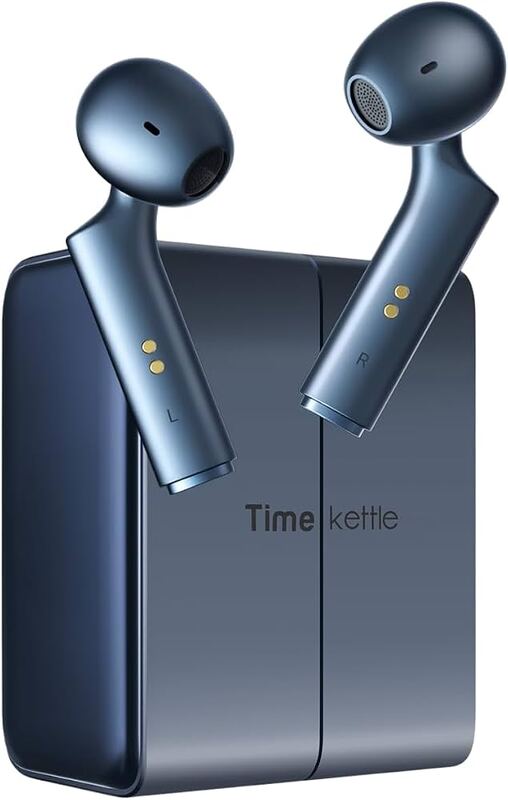
When compared to similar devices such as the Timekettle W4 Pro, the Vasco E1 offers a broader range of supported languages, with 51 languages compared to 40+ for the W4 Pro. However, the W4 Pro supports offline translation for 13 language pairs, a feature absent in the Vasco E1. The W4 Pro's in-ear design makes it less noticeable in public settings, whereas the Vasco E1's over-ear design is more visually distinct. The Vasco E1's lack of offline support means it is less suitable for users who frequently travel to areas with limited internet access. The Timekettle W4 Pro's offline packs are sold separately, but the Vasco E1's online-only mode is more straightforward for users who primarily rely on internet connectivity. The Vasco E1's voice cloning feature was seen as a unique selling point, offering a more personalized translation experience. However, the lack of offline functionality and the need for a smartphone in Loudspeaker mode make it less versatile than some competitors.
Strengths
- +Designed for real-time two-way conversations in 51 languages
- +Enables seamless dialogue without unnatural pauses or repetition
- +Features automatic speech recognition and neural machine translation
- +Includes voice-cloning technology for personalized translations
- +Compact dual-headset design for conversational use
Watch-outs
- −Unusual dual-headset form factor that may feel strange to wear
- −Requires separate charging cords for each earpiece
How it compares
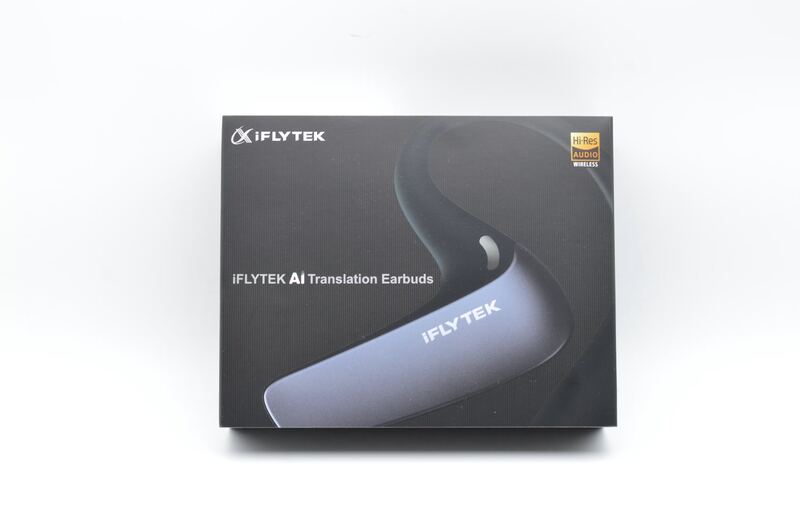
The Vasco E1's dual-headset design is unique among the earbuds reviewed, but it's less practical than the TimeKettle W4's in-ear design, which offers better comfort and noise isolation. While the Vasco E1 supports 51 languages and enables natural dialogue flow, it doesn't match the iFLYTEK earbuds' 60 languages and 83 variants, nor does it support integration with platforms like Zoom and WhatsApp. Additionally, the Vasco E1 requires separate charging cords for each earpiece, unlike the TimeKettle W4 which has a single magnetic case.
Rating sources
Our 3.5 score is the average of the 2 scored reviews above; 2 more reviewed it without printing a score and are not in the average. Ratings marked * were derived from the reviewer’s written analysis or video transcript — the publisher didn’t print an explicit numeric score, so we inferred one from their own words. Click through to verify. More about methodology.