The Whynter ARC-14S is a long-running dual-hose portable AC that cools hard for hot climates, though reviewers are candid that its real SACC capacity (~9,500 BTU) falls far short of its 14,000 BTU ASHRAE claim. ConsumerAnalysis now recommends the Midea Duo over it on efficiency. It is still a solid dual-hose option, but at over 80 lbs with no handles, plus louder and less efficient operation, it trails the newer inverter units.
Full review
Two hoses, and that part works
The ARC-14S is one of the few portable air conditioners still built with two hoses, and that is its main technical advantage. One duct draws outside air for the condenser and the other exhausts it, so the unit is not pulling conditioned air out of the room and creating the negative pressure a single-hose design does. RTINGS identifies the dual-hose configuration as the thing that improves its cooling over single-hose units. In a hot room it does move a great deal of cold air.
Rated 14,000 BTU, sized like 9,500
The number on the box is not the number to plan with. The ASHRAE rating of 14,000 BTU is measured under conditions that flatter portable units, while the SACC figure - the modern standard meant to reflect real-world performance - lands around 9,500 BTU. Size the room to that. Within roughly 500 square feet it cools well and honestly; treat it as a 14,000 BTU machine and it will disappoint. This is not unique to Whynter, but it is worth understanding before comparing spec sheets across brands.
Over eighty pounds, with nowhere to grip
Weight is the practical objection. The unit is over 80 pounds, heavier than most competitors, and it has no proper carrying handles, which makes getting it up or down a flight of stairs genuinely unpleasant and a two-person job. Once placed it stays placed; this is not a machine you roll between rooms on a whim. Noise is the other: it runs around 59 dB, well above what an inverter-based portable produces, so it is audible in a bedroom in a way newer units are not.
Older compressor, no inverter
The dual-hose advantage is real but the ARC-14S does not fully capitalise on it, because the compressor is a conventional single-speed unit rather than an inverter. It cycles hard on and off instead of modulating, which costs both efficiency and quiet, and both ducts radiate some heat back into the room while it runs. It carries no Energy Star rating. Newer inverter portables beat it on running cost and on noise even when they have only a single hose to work with.
A budget dual-hose unit, not the best one
Bob Vila rated the ARC-14S 9 out of 10, and it has a long track record and wide availability, which counts for something on an appliance you may want parts for in five years. But its position now is specific: it is the choice for a hot-climate buyer who wants dual-hose cooling at a lower price than the current inverter dual-hose units and can live with the weight, the noise and the install of two window brackets. If efficiency and quiet matter more, the newer designs win outright.
Strengths
- +Dual-hose design cools more efficiently than single-hose units
- +Strong cooling output for hot climates
- +Eco-friendly CFC-free refrigerant and recognized brand
- +Three operating modes: AC, fan, and dehumidifier
- +Long-standing reputation and wide availability
Watch-outs
- −Real SACC capacity (~9,500 BTU) is well below its 14,000 BTU ASHRAE claim
- −Very heavy at over 80 lbs with no handles, hard to move
- −Loud and less energy-efficient than the Midea Duo
- −Dual-hose install is more involved with two window brackets
How it compares
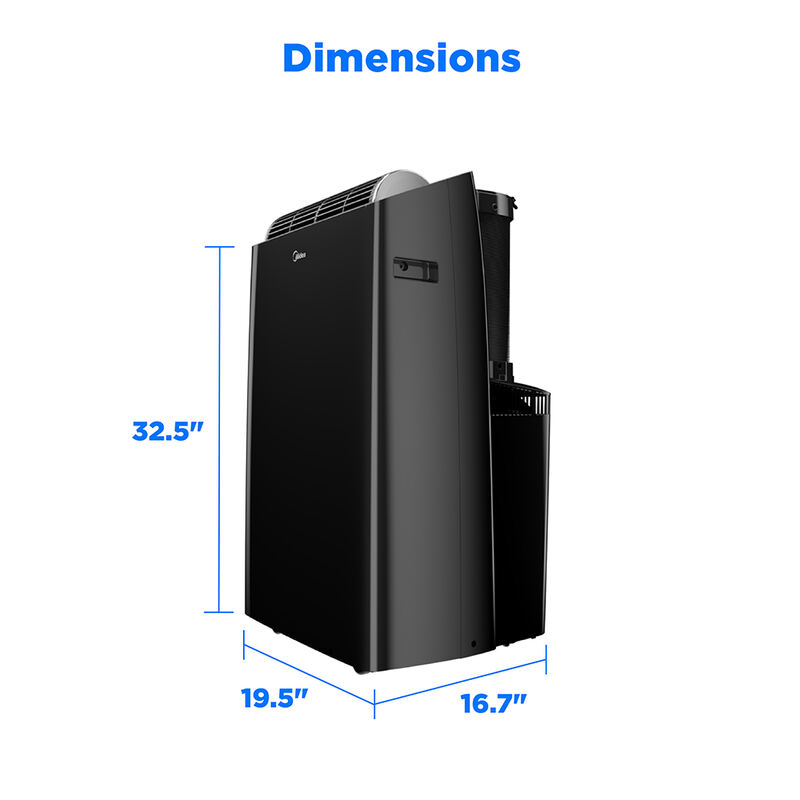
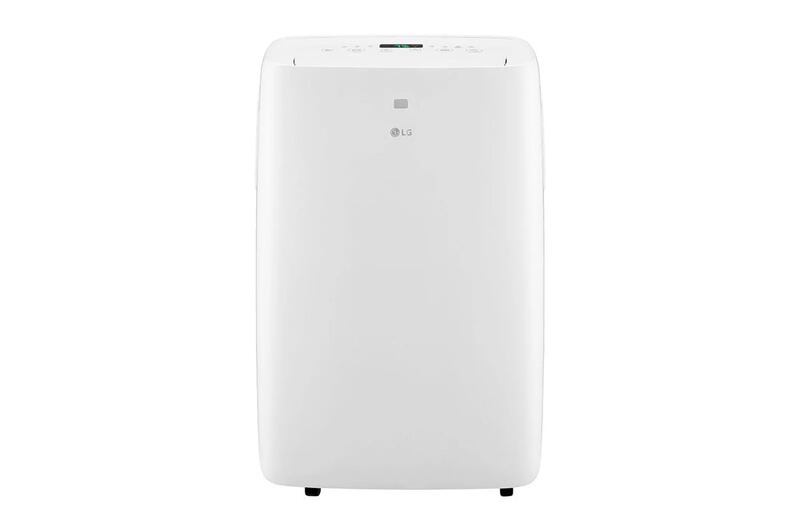
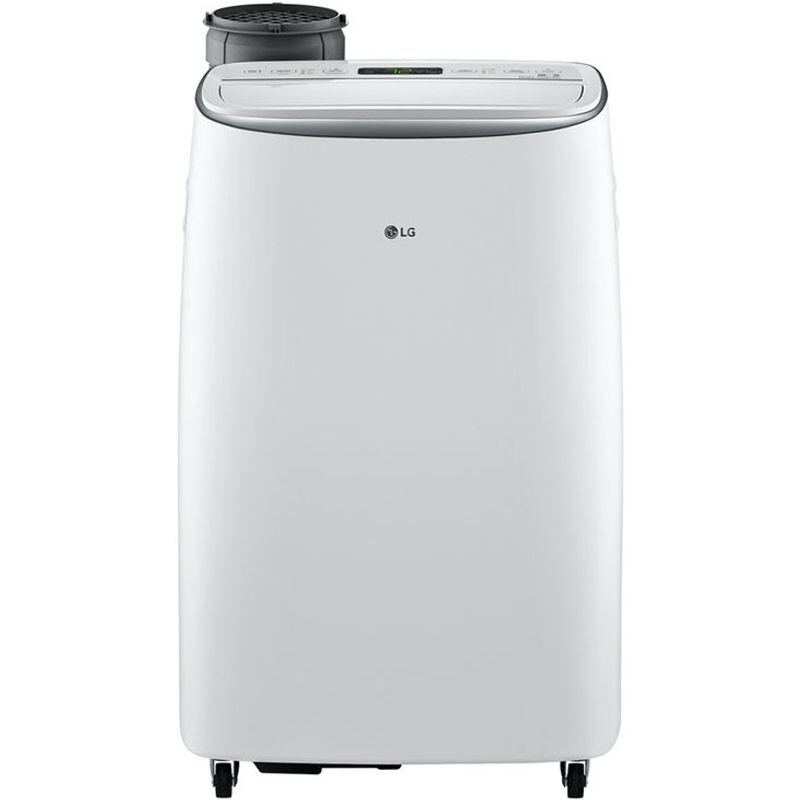
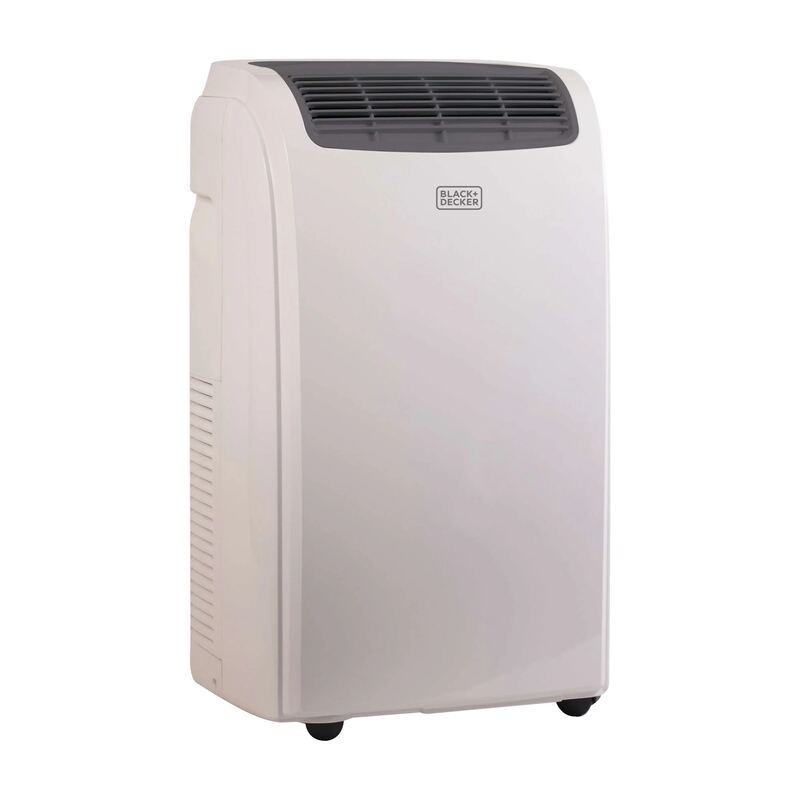
The other dual-hose unit alongside the Midea Duo MAP12S1TBL, but older and without an inverter — so it is heavier, louder, and less efficient than the Duo. Its dual-hose design still makes it more efficient than the single-hose LG LP1419IVSM, LG LP0621WSR, and Black+Decker BPACT12HWT in principle, though its real SACC capacity is lower than its rating suggests.
Rating sources
“The Whynter ARC-14S is one of the few portable ACs with dual hoses, which improves its cooling performance over single-hose designs.”
“The dual-hose system allows the AC to cool efficiently with increased air exchange, which in turn uses less energy and cools a space quicker than a single-hose unit can.”
Our 4.0 score is the average of these published ratings. More about methodology.