Verdict
Head-to-head · Best Mesh Wi-Fi Systems

eero Pro 7 vs TP-Link Deco BE23 WiFi 7 Mesh System

Which is the better buy? Side-by-side on rating, price, strengths, and watch-outs — with the published ratings we averaged to get there.

Verdict is reader-supported. As an Amazon Associate we earn from qualifying purchases. Some links on this page are affiliate links — if you click through and buy, we may earn a small commission at no extra cost to you. Our ratings are sourced from independent publications, not sponsors.
The short answer

TP-Link Deco BE23 WiFi 7 Mesh System comes out ahead by a narrow margin (4.0 vs 4.3). The gap is mostly about Casual users and remote workers on a budget — read the strengths below before deciding.

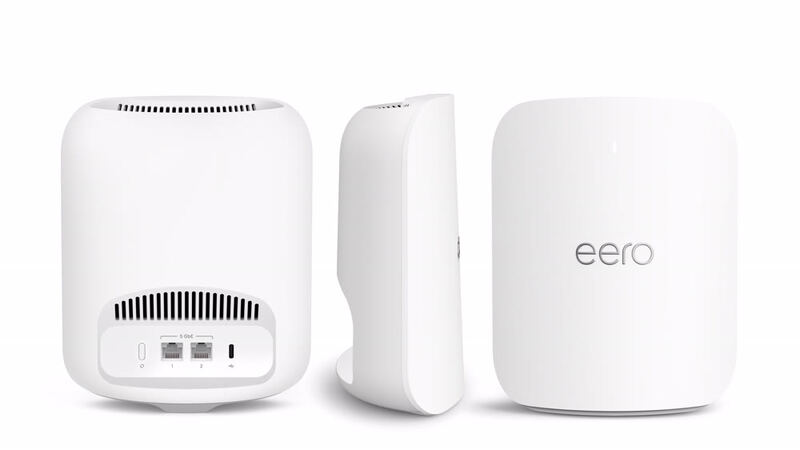
eero Pro 7
Ranked #5 in Best Mesh Wi-Fi Systems
eero Pro 7
5 sources$299.99as of Aug 1

The eero Pro 7 puts Wi-Fi 7 into a mesh system aimed at large homes and thick walls. PCMag's John R. Delaney called it reliable for streaming and gaming, and Residential Tech Today's Rob Stott reported a significant coverage improvement in a home with challenging architecture. Reviewers also flagged the premium price and the limited advanced customization on offer. It suits people who want dependable mesh networking without complex configuration, though shoppers watching cost will find cheaper routes.

Strengths
  • Solid Wi-Fi 7 mesh system with strong performance
  • Easy setup and management through mobile app
  • Good coverage for large homes with thick walls
Watch-outs
  • Higher price point compared to some competitors
  • Limited customization options for advanced users
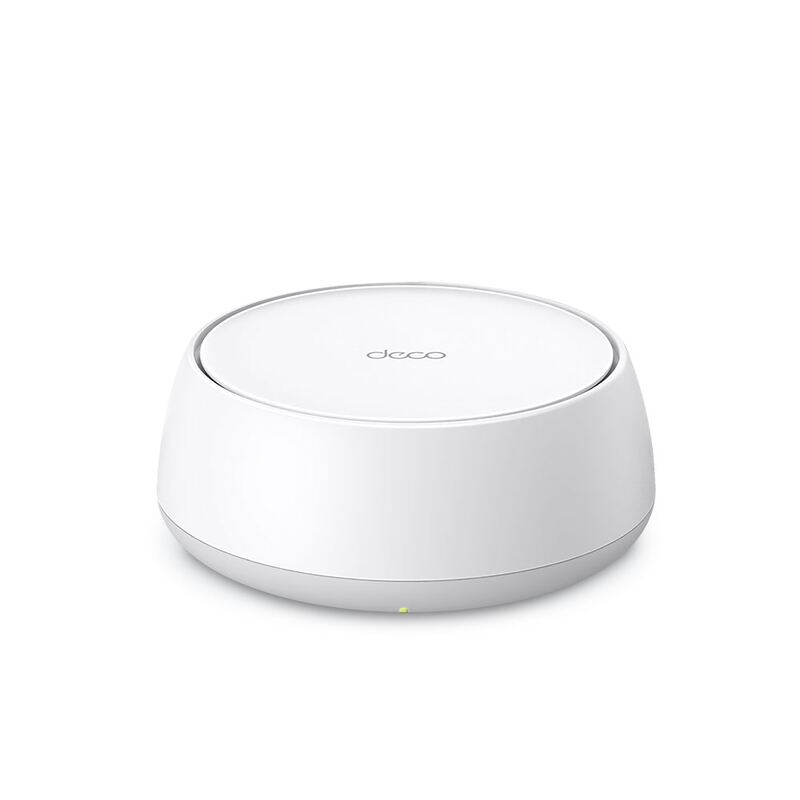
TP-Link Deco BE23 WiFi 7 Mesh System
Higher ratedRanked #3 in Best Mesh Wi-Fi Systems
TP-Link Deco BE23 WiFi 7 Mesh System
3 sources$159.99as of Aug 1

The TP-Link Deco BE23 is the cheap way into Wi-Fi 7 mesh: three nodes, dual-band radios and a rated 3.6 Gbps, sold for $159.99 to cover up to 6,500 sq ft. Tom's Guide rated it 4.5 out of 5 and found close-range throughput excellent; TechGearLab was more reserved at 4.2 out of 5, describing speeds that fall off quickly with distance and spotty backhaul between nodes. It suits a household running ordinary browsing, video and work traffic, not one trying to push gigabit into every room.

Strengths
  • Setup runs entirely through the app and takes minutes
  • Wi-Fi 7 mesh coverage at a budget price
  • Two 2.5 Gbps ethernet ports on each unit
Watch-outs
  • Throughput drops sharply beyond about 10 feet from a node
  • Spotty backhaul between nodes on a dual-band system
  • No third radio band, unlike tri-band Wi-Fi 7 systems

How they stack up

eero Pro 7

The eero Pro 7 provides solid performance and easy setup, but it's more expensive than the TP-Link Deco BE63 and doesn't match the budget-friendly appeal of the TP-Link Deco BE23. Compared to the NETGEAR Orbi 770, it lacks the tri-band connectivity and advanced features, though it offers better reliability for streaming and gaming.

TP-Link Deco BE23 WiFi 7 Mesh System

The TP-Link Deco BE23 offers the best value for budget-conscious buyers, but it lacks the throughput and backhaul performance of the Asus ZenWifi BQ16 Pro and doesn't match the reliability of the eero Pro 7. Compared to the NETGEAR Orbi 770, it's less robust in maintaining consistent speeds, and unlike the Eero 7, it doesn't offer the same level of ease-of-use.

Specs side-by-side

Speceero Pro 7TP-Link Deco BE23 WiFi 7 Mesh System
WiFi StandardWi-Fi 7Wi-Fi 7
Bands2.4GHz/5GHz/6GHzDual-Band (2.4 GHz, 5 GHz)
Coverage AreaUp to 5,000 sq ftup to 6,500 Sq.Ft (3-Pack)
Max Speedup to 3.9 Gbps3.6 Gbps
Ethernet Ports42× 2.5 Gbps ports
Number of Nodes33
Processor1.5 GHz quad-core CPU
← See the full ranking of best mesh wi-fi systems