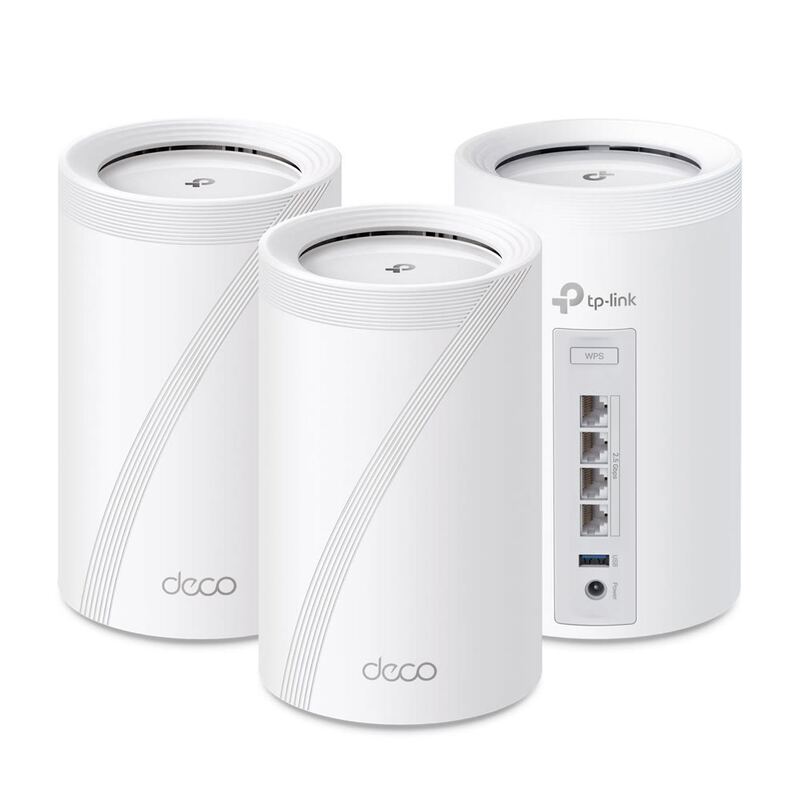
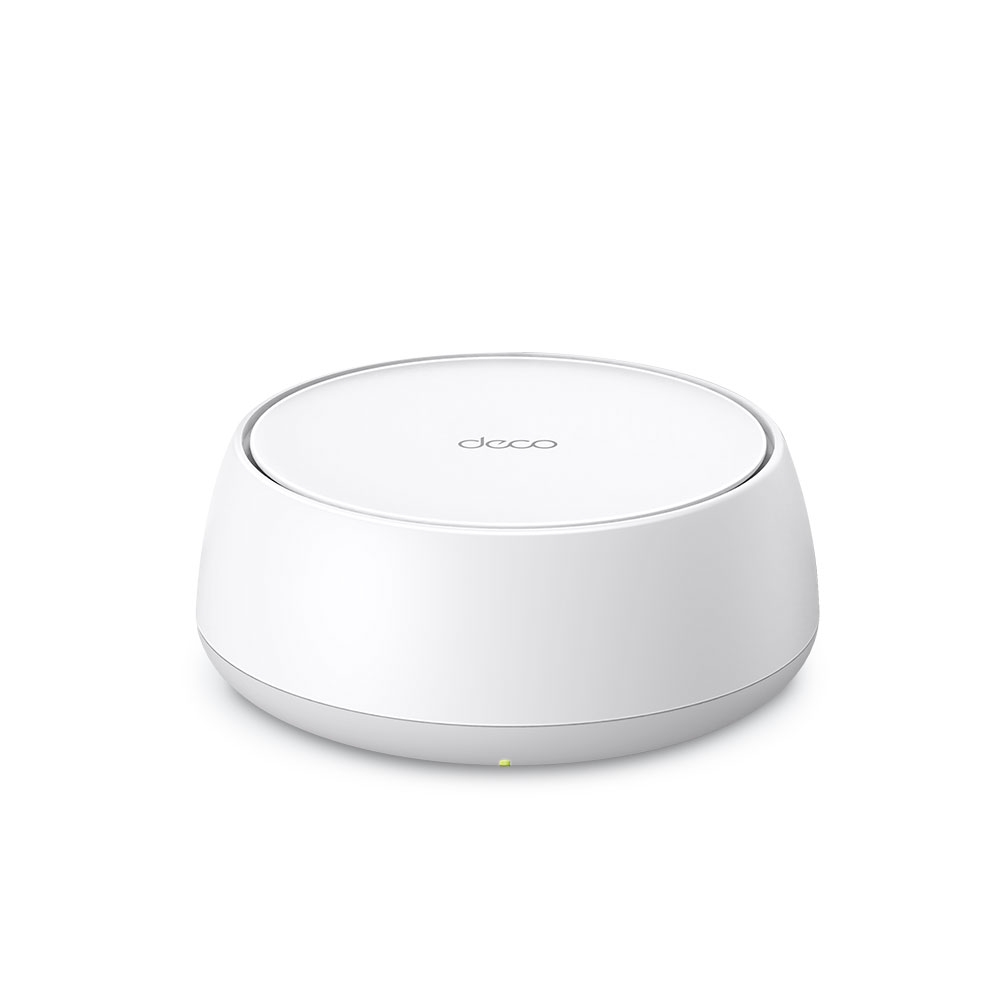
The TP-Link Deco BE23 is the cheap way into Wi-Fi 7 mesh: three nodes, dual-band radios and a rated 3.6 Gbps, sold for $159.99 to cover up to 6,500 sq ft. Tom's Guide rated it 4.5 out of 5 and found close-range throughput excellent; TechGearLab was more reserved at 4.2 out of 5, describing speeds that fall off quickly with distance and spotty backhaul between nodes. It suits a household running ordinary browsing, video and work traffic, not one trying to push gigabit into every room.
Full review
Dual-band Wi-Fi 7 at a budget price
Wi-Fi 7 on the BE23 means the newer protocol without the extra radio. The system is dual-band, running 2.4 GHz and 5 GHz only, so it takes the efficiency gains of the standard but none of the clear-air advantage a tri-band system gets from its additional band. Rated throughput tops out at 3.6 Gbps and the three-pack is specified for up to 6,500 sq ft. Each unit carries two 2.5 Gbps ethernet ports, unusually generous at this price and the obvious lever for anyone able to run cable between nodes. DongKnows, which covers dual-band Wi-Fi 7 mesh specifically, rated it 4.3 out of 5.
Close range is excellent, distance is not
Tom's Guide called performance at close range exceptional, with the system handling gigabit speeds without complaint, and that is a fair description of a node sitting in the same room as the device using it. TechGearLab supplies the counterweight: speeds fall off quite a bit once you are more than 10 feet from the router, and by 60 feet from a node the signal is close to unusable. The gap between those two statements is the entire buying decision. In a flat or a compact house where nothing is far from a node, the BE23 is quick. Spread across a large floor plan, the coverage figure on the box oversells what the radios actually sustain.
Backhaul shares the band with clients
With only two bands, the wireless link between nodes competes with client traffic on the same 5 GHz radio, and TechGearLab described that backhaul as spotty. It shows up as inconsistent speed at the far node rather than a dropped connection — throughput that is fine one minute and halved the next, which is more irritating in daily use than a clean failure would be. Tri-band systems avoid this by reserving a band for node-to-node traffic and the BE23 has no band to spare. The fix is cable: link the nodes over the 2.5 Gbps ports and the weakest part of the system stops mattering.
Setup is quick, controls are basic
TechGearLab called setup incredibly easy, and the Deco app is why: it walks through placement and naming without asking anything a non-technical buyer would have to look up, and a three-node system is running in the time it takes to find the outlets. Parental controls are included rather than sold as a subscription. What the app does not offer is depth — there is little granular quality-of-service and no real per-client traffic shaping, so anyone who expects to tune a network rather than simply run one will find it thin. At this price that is the correct trade, but it should be a known one.
What $159.99 buys against the alternatives
Set against tri-band Wi-Fi 7 systems costing several times as much, the BE23 gives up sustained performance at distance and backhaul stability, and keeps the protocol, the coverage claim and the 2.5 Gbps ports. The three published scores — 4.5 out of 5 from Tom's Guide, 4.3 out of 5 from DongKnows, 4.2 out of 5 from TechGearLab — cluster tightly, and none of them treats it as a flagship. That is the right read. Buy it to blanket a home in modern, adequate Wi-Fi cheaply. Do not buy it expecting the far corner of the house to see the number printed on the front of the box.
Strengths
- +Setup runs entirely through the app and takes minutes
- +Wi-Fi 7 mesh coverage at a budget price
- +Two 2.5 Gbps ethernet ports on each unit
- +Parental controls included with no subscription
Watch-outs
- −Throughput drops sharply beyond about 10 feet from a node
- −Spotty backhaul between nodes on a dual-band system
- −No third radio band, unlike tri-band Wi-Fi 7 systems
- −App lacks granular quality-of-service and traffic controls
How it compares
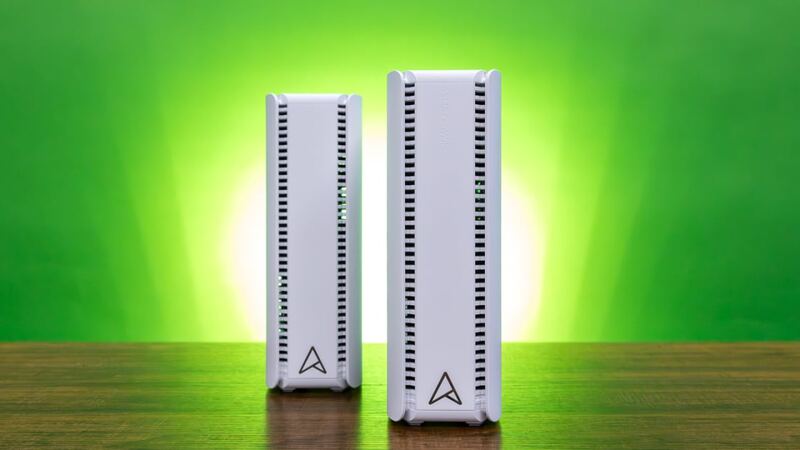
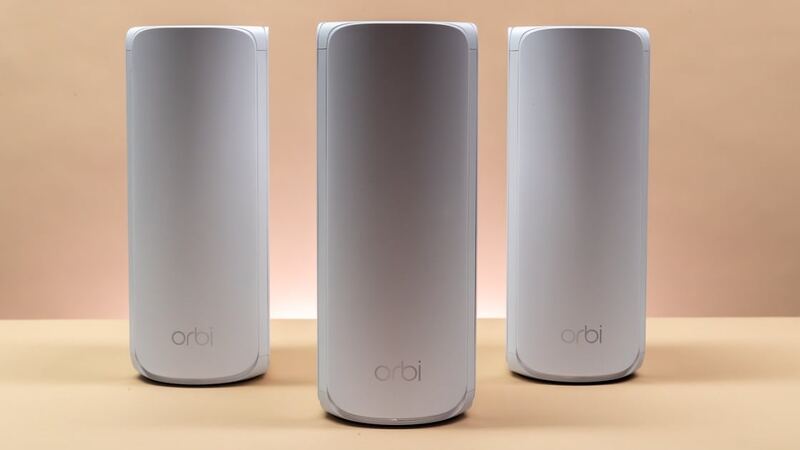
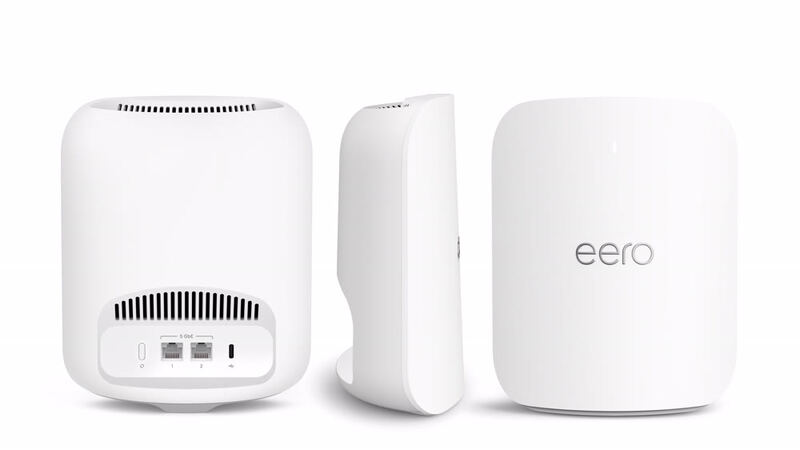
The TP-Link Deco BE23 offers the best value for budget-conscious buyers, but it lacks the throughput and backhaul performance of the Asus ZenWifi BQ16 Pro and doesn't match the reliability of the eero Pro 7. Compared to the NETGEAR Orbi 770, it's less robust in maintaining consistent speeds, and unlike the Eero 7, it doesn't offer the same level of ease-of-use.
Rating sources
Our 4.3 score is the average of these published ratings. More about methodology.