Verdict
Head-to-head · Best Handheld Gaming PCs

MSI Claw 8 vs Valve Steam Deck OLED

Which is the better buy? Side-by-side on rating, price, strengths, and watch-outs — with the published ratings we averaged to get there.

Verdict is reader-supported. As an Amazon Associate we earn from qualifying purchases. Some links on this page are affiliate links — if you click through and buy, we may earn a small commission at no extra cost to you. Our ratings are sourced from independent publications, not sponsors.
The short answer

Valve Steam Deck OLED comes out ahead by a narrow margin (4.3 vs 4.4). The gap is mostly about SteamOS users prioritizing battery life — read the strengths below before deciding.

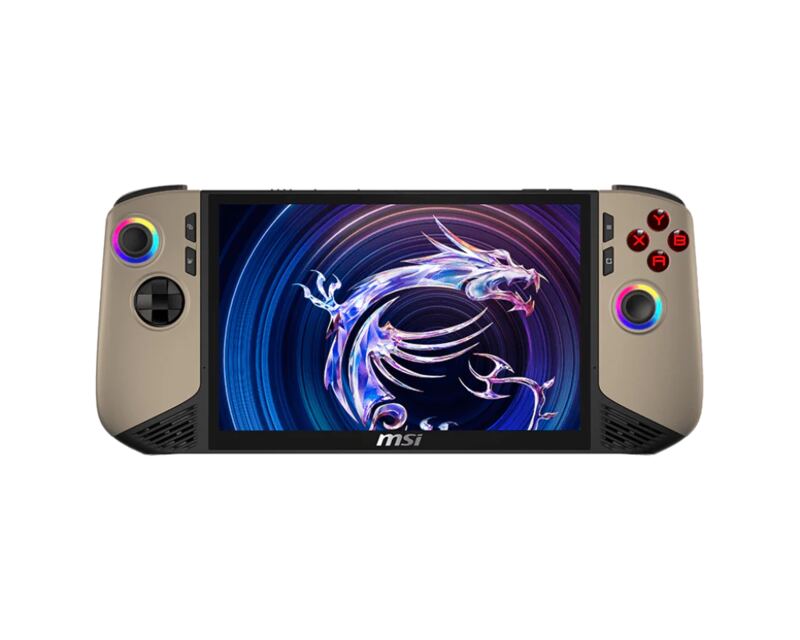
MSI Claw 8
Ranked #4 in Best Handheld Gaming PCs
MSI Claw 8
2 sources$1,079as of Jul 1

The Claw 8 AI+ is MSI's second attempt and a much better one, built on Intel's Core Ultra 7 258V with Arc 140V graphics. HotHardware measured consistent gains over the first Claw and strong endurance from the 80Wh battery. The 8-inch 120Hz IPS panel is the biggest screen in this group. There is no OLED option at this price.

Strengths
  • Strong APU performance with Intel Core Ultra 7 258V and Arc 140V graphics
  • Large, smooth 8-inch 120Hz display with VRR support
  • Comfortable and ergonomic design with scalloped grips and balanced weight
Watch-outs
  • No OLED panel despite the price
  • Full Windows 11 brings desktop clutter and software rough edges to a handheld
  • Gyro aim is poorly tuned out of the box and needs hand-built sensitivity profiles
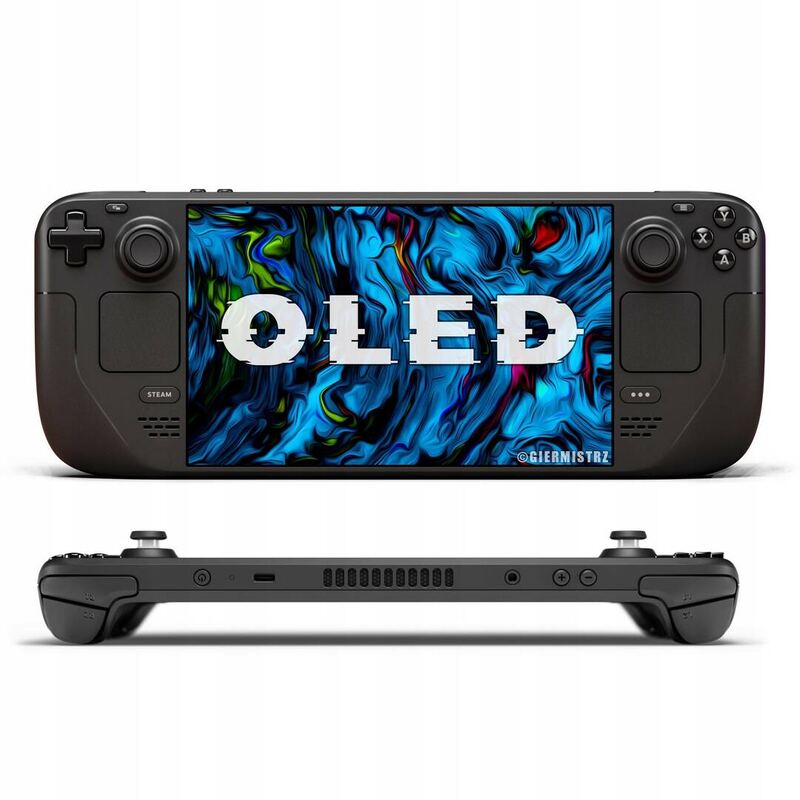
Valve Steam Deck OLED
Higher ratedRanked #2 in Best Handheld Gaming PCs
Valve Steam Deck OLED
5 sources2 derived$924.98as of Jul 6

The Valve Steam Deck OLED's big change over the original is the display: vibrant HDR images and 1,000 nits peak brightness. Reviewers said the screen on its own makes the handheld feel notably better, with excellent color reproduction and a 90Hz refresh rate. Battery life improves, the fans run quieter, and Wi-Fi 6E is supported. The AMD APU hardware is showing its age on some newer games, though titles like Diablo 4 and God of War Ragnarök still pull off immersive play. For anyone who wants a better screen and a performance bump, it's a solid upgrade.

Strengths
  • OLED display delivers vibrant HDR image with 1,000 nits peak brightness and 110% P3 color gamut
  • Improved battery life with 50Whr battery and 6nm AMD APU for better efficiency
  • Quieter fans compared to original Steam Deck model
Watch-outs
  • AMD APU hardware shows age with some recent big-budget games
  • Still uses sub-1080p resolution of 1280 x 800 pixels which may seem like a downgrade

Derived means the reviewer published no score, so one was inferred from their written verdict. Everything else is a number the publisher printed. How we rank.

How they stack up

MSI Claw 8

Bigger screen and more battery than the ROG Ally X, and at matched wattage roughly the same frame rates with better performance per watt. The Steam Deck OLED is cheaper, smaller and runs SteamOS rather than Windows 11, which for a lot of buyers settles the argument on its own. This is the option for people who want the large panel.

Valve Steam Deck OLED

The Valve Steam Deck OLED improves upon the original Steam Deck OLED with better battery life and quieter fans, but lags behind the MSI Claw 8 in terms of hardware performance and battery capacity. It also doesn't match the Lenovo Legion Go S's Z1 Extreme chipset or the ASUS ROG Ally X's Xbox UI integration.

Specs side-by-side

SpecMSI Claw 8Valve Steam Deck OLED
ProcessorIntel Core Ultra 7 258VZen 2 4c/8t, 2.4-3.5GHz
Display8in IPS (19201200 / 120Hz)7.4" OLED, 1280 x 800
Memory32GB LPDDR5X-853316 GB LPDDR5
StorageKioxia BG6 1TB1TB NVMe SSD
Battery80WHr50Whr battery
GraphicsIntel Arc 140V8 RDNA 2 CUs, 1.6GHz
Refresh Rate120HzUp to 90Hz
← See the full ranking of best handheld gaming pcs