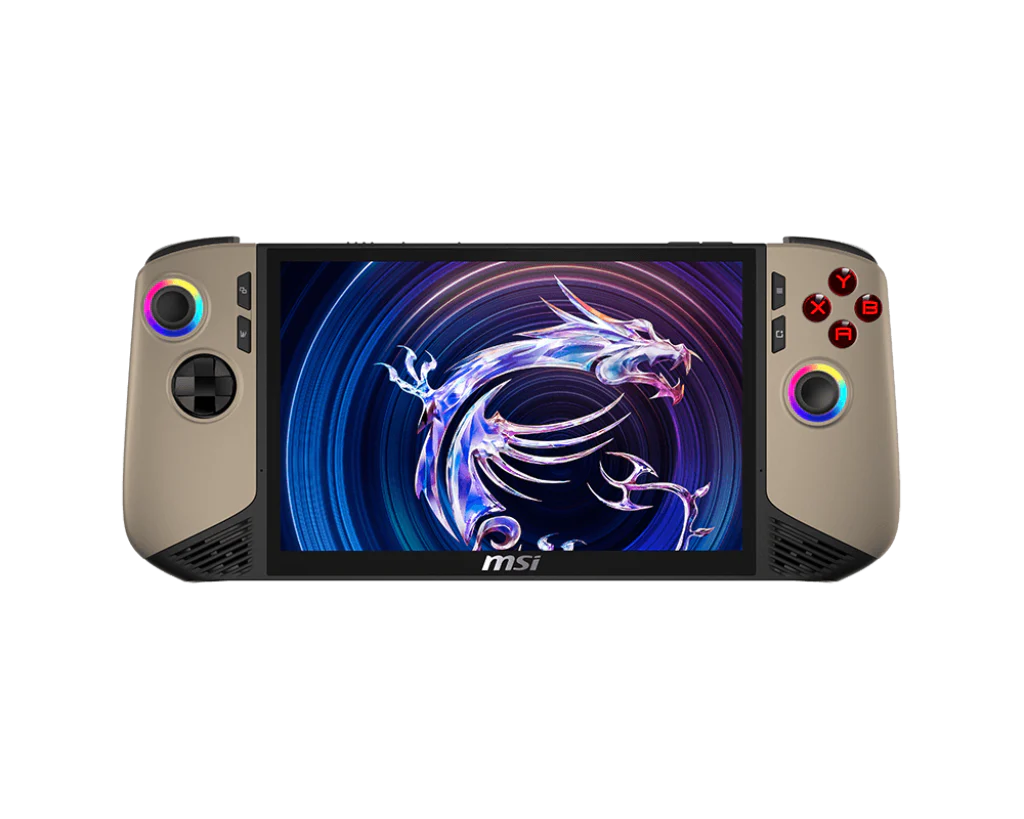
The Claw 8 AI+ is MSI's second attempt and a much better one, built on Intel's Core Ultra 7 258V with Arc 140V graphics. HotHardware measured consistent gains over the first Claw and strong endurance from the 80Wh battery. The 8-inch 120Hz IPS panel is tied for the biggest screen in this group. There is no OLED option at this price.
Full review
Core Ultra 7 258V with Arc 140V graphics
Lunar Lake is what makes this generation work. The Core Ultra 7 258V pairs with integrated Arc 140V graphics and 32GB of LPDDR5X-8533. HotHardware found it consistently faster than the first Claw in both synthetic runs and real games, and competitive with the ROG Ally X at matched wattage. Memory is soldered and cannot be added to later.
An 8-inch 120Hz IPS panel with variable refresh
The panel is the reason to pick this over a smaller handheld: 8 inches at 1920x1200, 120Hz, with variable refresh. Club386 described the extra inch as making games meaningfully more immersive on size alone. Motion clarity is good for an IPS screen and colours hold as the machine tilts in the hands. It is not OLED, so blacks are grey and there is no HDR.
795g, and shaped to be held for hours
At 299mm wide and 795g this is a large handheld, and MSI spent the size on ergonomics rather than portability. Scalloped grips, a ribbed back and balanced weight distribution make it one of the more comfortable Windows handhelds for a long session, according to HotHardware. It will not go in a coat pocket, and no carry case comes in the box.
Windows 11, with everything that implies
This runs a full desktop Windows 11 install, so a launcher layer sits on top of an operating system that was never designed to be driven by a gamepad. Club386 flagged software rough edges alongside the genuinely improved Intel drivers. Gyro aim is poorly tuned out of the box and needs sensitivity profiles built by hand before it feels usable.
No OLED at this price
The missing OLED panel is the specific complaint at this price, because competing handhelds at similar money ship one. There is no carry case either. The hardware earns most of the money; the omissions are what stop this being a straightforward recommendation.
Strengths
- +Strong APU performance with Intel Core Ultra 7 258V and Arc 140V graphics
- +Large, smooth 8-inch 120Hz display with VRR support
- +Comfortable and ergonomic design with scalloped grips and balanced weight
- +Excellent battery life with 80WHr capacity
- +Good audio output with 2W (x2) speakers
Watch-outs
- −No OLED panel despite the price
- −Full Windows 11 brings desktop clutter and software rough edges to a handheld
- −Gyro aim is poorly tuned out of the box and needs hand-built sensitivity profiles
- −No carry case included, and memory is soldered rather than upgradeable
How it compares
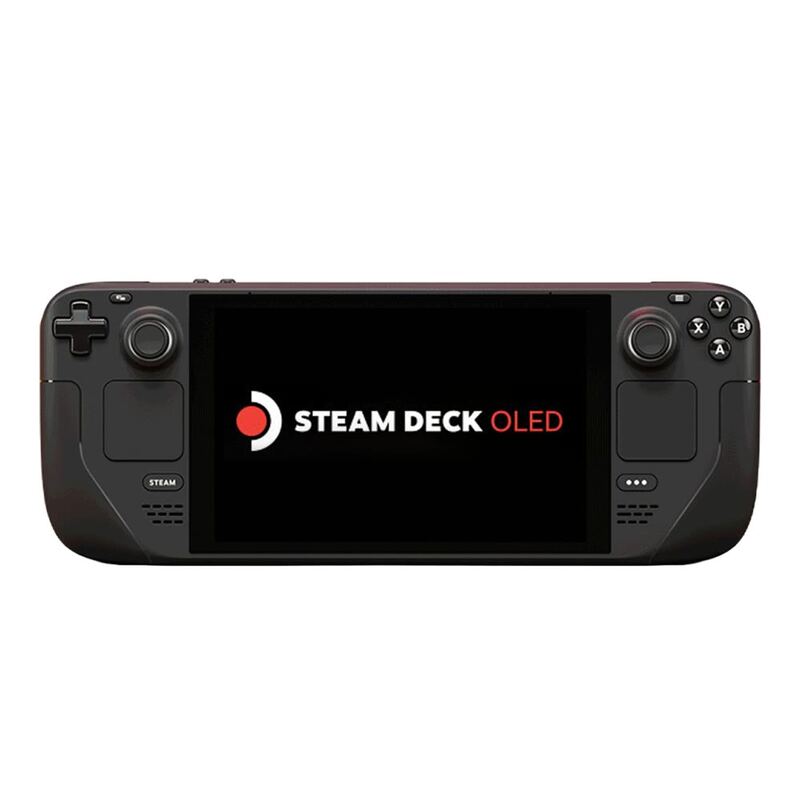
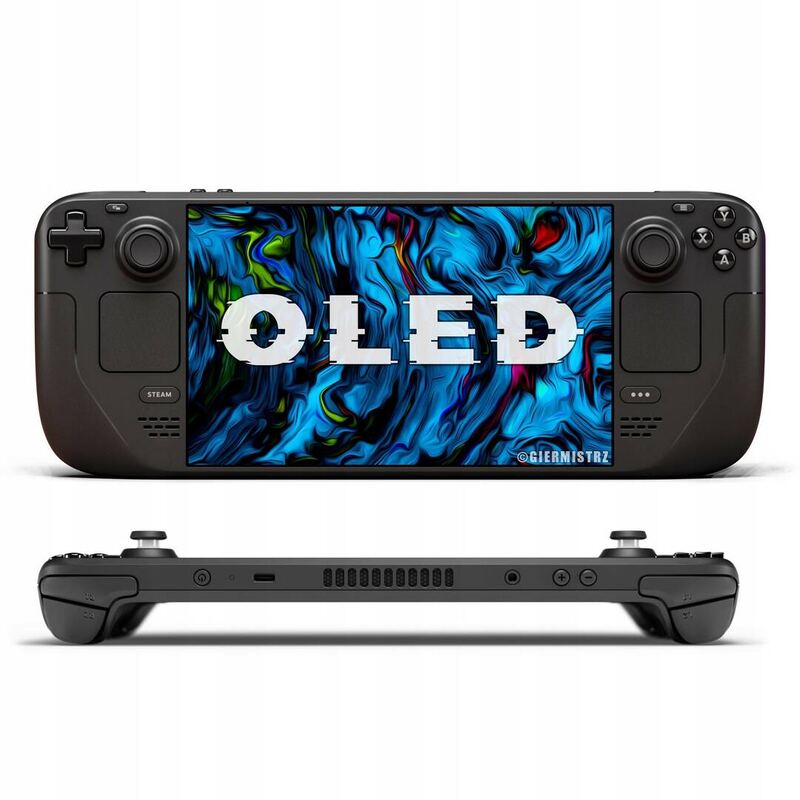
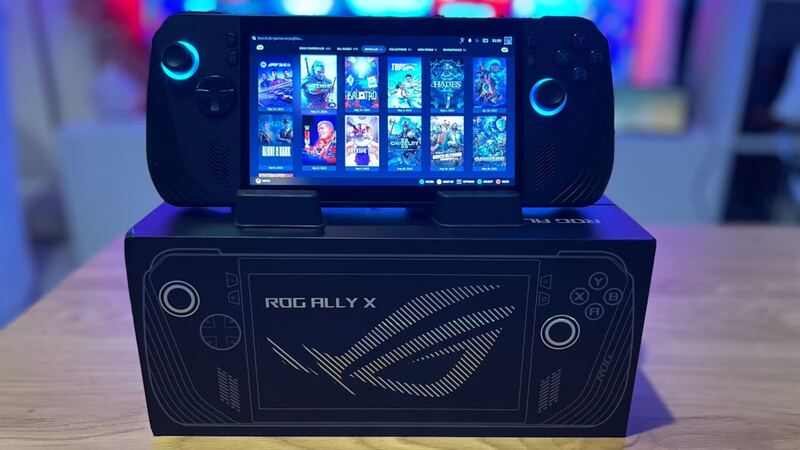
Bigger screen and more battery than the ROG Ally X, and at matched wattage roughly the same frame rates with better performance per watt. The Steam Deck OLED is cheaper, smaller and runs SteamOS rather than Windows 11, which for a lot of buyers settles the argument on its own. This is the option for people who want the large panel.
Rating sources
Our 4.3 score is the average of these published ratings. More about methodology.