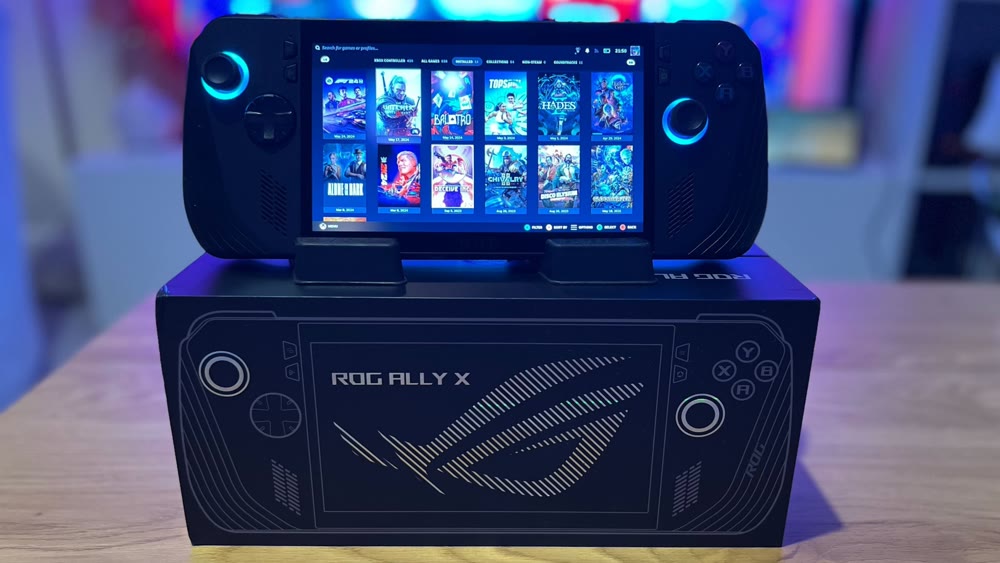
The ROG Ally X is an incremental but meaningful update to ASUS's handheld PC, pairing the Ryzen Z1 Extreme with reworked grips. The Verge notes it still runs full Windows, with the mandatory updates and unwanted Microsoft offers that implies. Battery endurance remains the limit on long sessions.
Full review
Still Windows underneath
The Verge puts it simply: Windows is still lurking under the surface. That means mandatory updates and unwanted offers for Microsoft products before first use, plus sleep and wake issues, and Tom's Hardware adds that on a 7-inch screen, Windows 11 is difficult to use.
Tom's Hardware says Armoury Crate does an OK job of plugging the holes in Windows 11. None of this is fatal, but it is the difference between a console and a small PC that boots like one.
Endurance is still the ceiling on long sessions
Battery life improved over the previous generation and is still the thing that ends a session. Engadget puts gaming runtime at two to two and a half hours, roughly double the original. Even so, long sessions still mean planning around a charger.
Steam, Epic and Xbox libraries without a compatibility layer
The strongest argument for this machine over a SteamOS handheld is that it simply runs Windows software. Tom's Hardware puts it plainly: running Windows 11 means it natively supports basically any game you could possibly want, whereas SteamOS has to emulate games, with anti-cheat issues in some titles. For anyone with a decade of purchases spread across storefronts, that flexibility is worth more than a tidier operating system.
Size and portability
The grips that make it comfortable also make it bigger: Tom's Hardware notes it is thicker than its predecessor largely due to the grips, and heavier at 1.49 pounds. Buyers weighing it against a smaller handheld are choosing comfort and library breadth over portability, and that is the right way to frame the decision rather than treating size as an oversight.
Strengths
- +Slightly more powerful than predecessor, pairing the AMD Ryzen Z1 Extreme with faster 24 GB LPDDR5X memory
- +Refined build with comfortable hand grips and improved button layout
- +Better battery life compared to original model, per Engadget
Watch-outs
- −Battery life still insufficient for extended use
How it compares
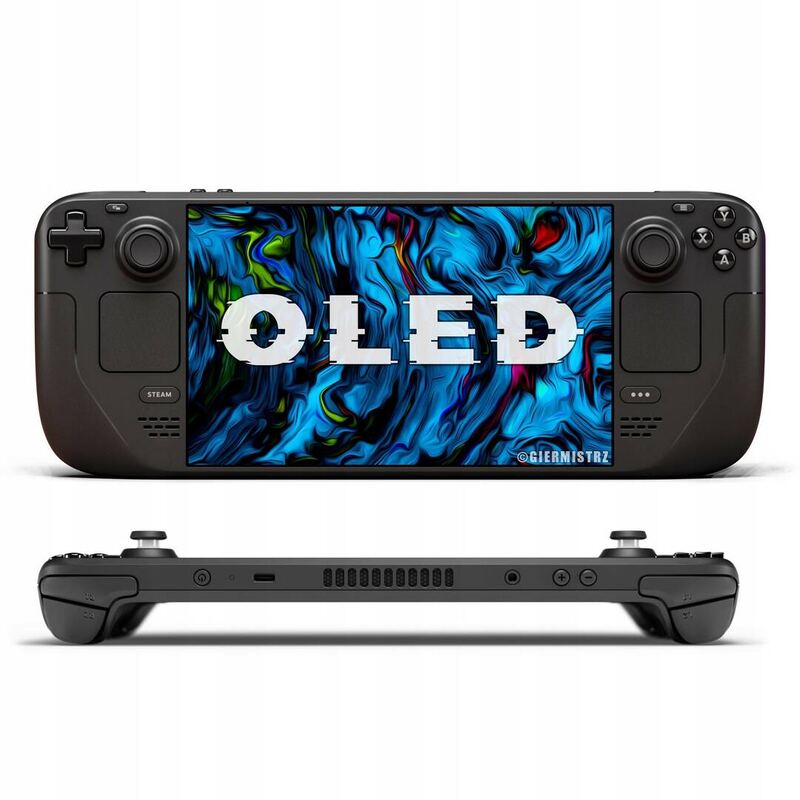
The ASUS ROG Ally X runs full Windows, which differentiates it from the SteamOS-based Valve Steam Deck OLED. It offers better battery life than its predecessor, with an 80Wh battery that matches the MSI Claw 8's 80WHr capacity.
Rating sources
“The Asus ROG Ally X is the best a Windows gaming handheld has ever been.”
“Thanks to some subtle design tweaks and major hardware upgrades, ASUS has turned the ROG Ally X into the flagship Windows gaming handheld it was meant to be.”
“The Asus ROG Ally X is the best Windows gaming handheld out there right now, with a big battery, solid ergonomics, and lots of RAM to help boost performance.”
“The ROG Ally X enhances Asus' handheld gaming console with extra storage and battery life, cementing its place as the top Steam Deck alternative.”
Our 4.0 score is the average of the 2 scored reviews above; 2 more reviewed it without printing a score and are not in the average. More about methodology.