Verdict
Head-to-head · Best Usb-c Microphones For Podcasting

Rode PodMic vs Shure MV7+

Which is the better buy? Side-by-side on rating, price, strengths, and watch-outs — with the published ratings we averaged to get there.

Verdict is reader-supported. As an Amazon Associate we earn from qualifying purchases. Some links on this page are affiliate links — if you click through and buy, we may earn a small commission at no extra cost to you. Our ratings are sourced from independent publications, not sponsors.
The short answer

Rode PodMic comes out ahead by a clear margin (4.2 vs 3.9). The gap is mostly about beginners and podcasters wanting reliable performance — read the strengths below before deciding.

Rode PodMic
Higher ratedRanked #2 in Best Usb-c Microphones For Podcasting
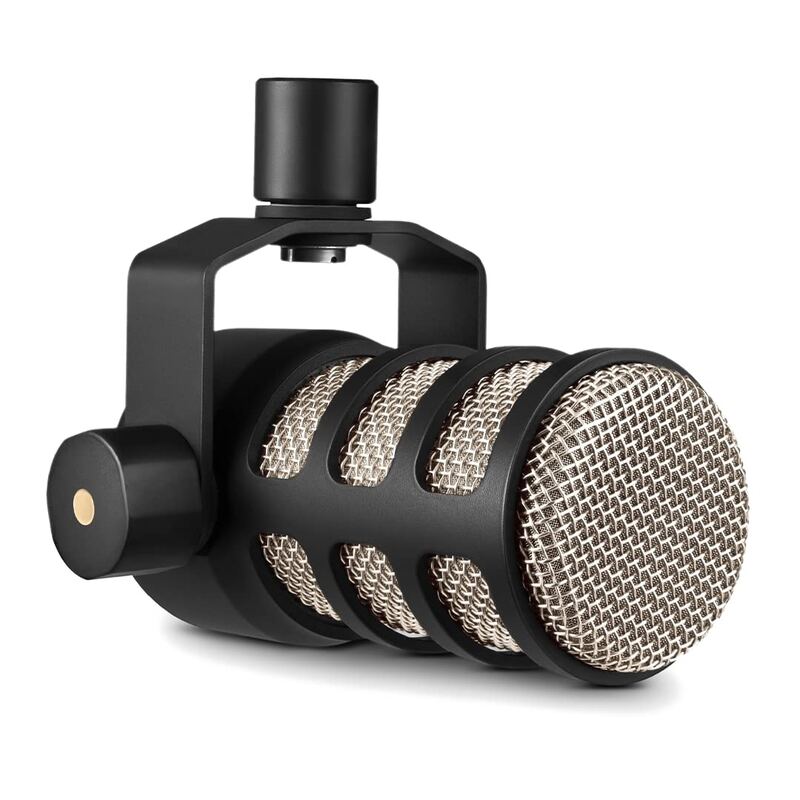
Rode PodMic
4 sources1 derived$239.99as of Aug 1

The RØDE PodMic is a budget-friendly dynamic microphone aimed at podcasters who want professional sound quality without a complex setup. Soundphile Review rated it 8/10, praising the sturdy build and clear sound, and Podcastage's Bandrew Scott called it a compelling option for entry-level podcasters at $100. A built-in pop filter and cardioid pickup pattern keep background noise out. Reviewers did note that limited clearance for XLR connectors rules out vertical stands, so budget for a separate base. Beginners and experienced podcasters alike get reliable performance at an affordable price point.

Strengths
  • Sturdy, robust build with metal construction weighing 865g
  • Neutral-ish, slightly warm sound signature that works well with human voices
  • Built-in pop filter effectively reduces plosives and sibilants
Watch-outs
  • Doesn't leave enough space for XLR connector when using table stand
  • Requires separate base for table stand setup
Shure MV7+
Ranked #4 in Best Usb-c Microphones For Podcasting
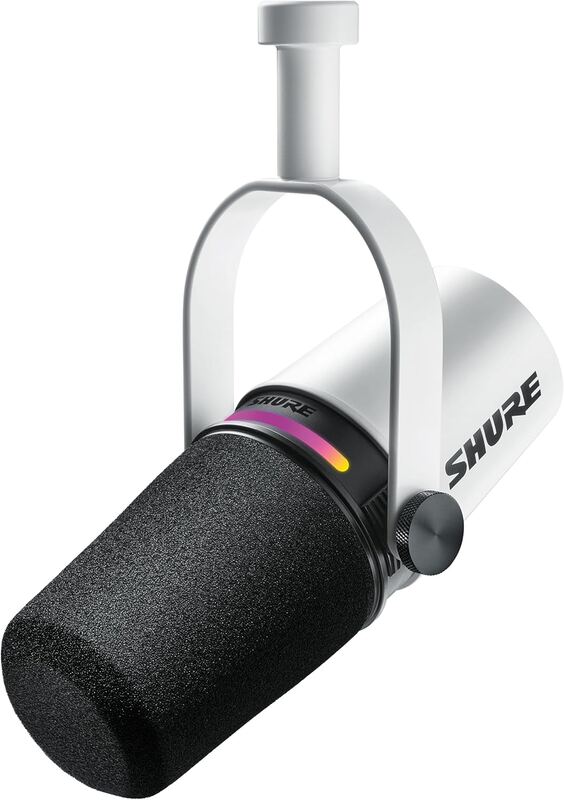
Shure MV7+
3 sources1 derived$299as of Aug 1

The Shure MV7+ is a dynamic podcast microphone that carries both an XLR output and a USB-C port in one body, so it can feed a laptop directly or drop into an interface-based rig later. The cardioid capsule, built-in pop filter and onboard gain, high-pass and pad controls are aimed at spoken word rather than music. At $299 it costs several times what a basic USB condenser does, and the XLR side only earns its keep once an interface is in the chain.

Strengths
  • XLR and USB connectivity in a single microphone design
  • Built-in pop filter reduces plosive sounds
  • Includes a desktop stand in the bundle version
Watch-outs
  • Higher price point compared to basic USB microphones
  • Requires a computer or audio interface for full XLR functionality

Derived means the reviewer published no score, so one was inferred from their written verdict. Everything else is a number the publisher printed. How we rank.

How they stack up

Rode PodMic

The Rode PodMic excels in build quality and noise rejection compared to the Samson Q2U, offering a more robust metal construction and better sound signature. However, it's less versatile than the Blue Yeti due to its lack of multiple polar patterns and doesn't include a built-in pop filter like the Shure MV7+. Unlike the Rode NT-USB Mini, it doesn't support USB-C connection and requires a separate base for table stand setups, but it's more affordable and easier to set up for beginners.

Shure MV7+

Against the Blue Yeti and the Samson Q2U, the MV7+ is the more expensive and more deliberate choice: a dynamic capsule, a built-in pop filter and hardware gain controls, in exchange for the Yeti's multiple polar patterns and companion-app processing. The Rode PodMic is XLR-only, so the MV7+ is the one that covers both connection paths without a second purchase.

Specs side-by-side

SpecRode PodMicShure MV7+
Microphone TypeDynamicDynamic
ConnectivityXLRXLR and USB-C
Polar PatternCardioidCardioid
Frequency Response20 Hz - 20 kHz20 Hz to 20 kHz
Impedance320 Ω150 ohms
Sensitivity-57 dB re 1 Volt/Pascal-55dBV (XLR)
Weight1.91 lb1.1 lb
Included AccessoriesMicrophone, 3/8" to 5/8" adapter, setup guideUSB-C to USB-C cable
← See the full ranking of best usb-c microphones for podcasting