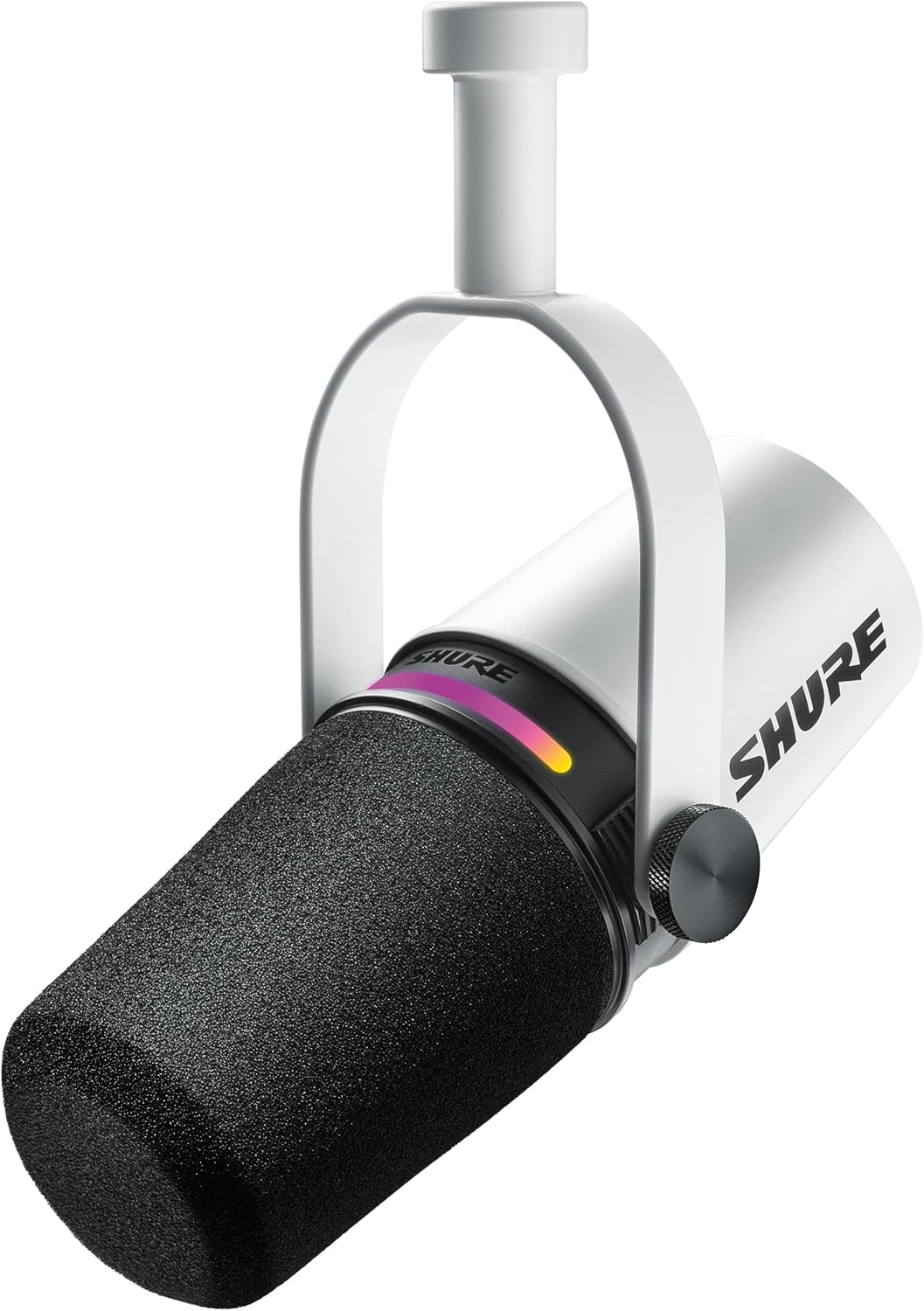
The Shure MV7+ is a dynamic podcast microphone that carries both an XLR output and a USB-C port in one body, so it can feed a laptop directly or drop into an interface-based rig later. The cardioid capsule, built-in pop filter and onboard gain, high-pass and pad controls are aimed at spoken word rather than music. At $299 it costs several times what a basic USB condenser does, and the XLR side only earns its keep once an interface is in the chain.
Full review
XLR and USB-C on the same body
The MV7+ is a dynamic cardioid microphone rated from 20 Hz to 20 kHz with a 150-ohm impedance, and it terminates in both an XLR connector and a USB-C port. That dual output is the whole argument for the microphone: a beginner plugs it straight into a laptop, and the same unit later feeds a mixer or interface without being replaced. The catch is that the XLR path needs an interface to be useful at all, so the price only makes sense for someone who expects to grow into it or already has one.
Gain, high-pass and pad controls sit on the microphone
Physical controls for gain, a high-pass filter and a pad are laid out on the body, so level changes happen without diving into software mid-recording. A 3.5 mm headphone jack supplies latency-free monitoring, and the built-in pop filter and windscreen take the edge off plosives without a separate shield on a boom. The chassis weighs 1.1 pounds, heavy enough to stay planted on the included desktop stand, though the stand is the weak link: it holds the microphone but does nothing to isolate it from a desk that gets bumped.
No companion app and no onboard processing
The MV7+ is a hardware-only product. There is no companion app, no saved presets and no digital signal processing beyond the switches on the body, which is a real gap next to USB microphones that ship with a software mixer. Anyone who wants compression, EQ or a noise gate has to add it in a DAW or in the streaming software. The cardioid pattern also rejects less than a treated room does: in a space with bare walls and hard floors, reflections still reach the capsule and the recording picks up the room.
$299 against basic USB condensers
At $299 the MV7+ sits well above the entry tier, and the gap buys build quality, hardware controls and the second output rather than sound-shaping features. PCMag rated it four out of five, and the scores from The Podcast Host and Podcastage land on either side of that, which is roughly where the microphone belongs: strong for a talking voice, unremarkable as a value pick. A budget-limited podcaster gets most of the audible benefit from a cheaper dynamic microphone and a better room.
Strengths
- +XLR and USB connectivity in a single microphone design
- +Built-in pop filter reduces plosive sounds
- +Includes a desktop stand in the bundle version
- +Suitable for podcasting and content creation
Watch-outs
- −Higher price point compared to basic USB microphones
- −Requires a computer or audio interface for full XLR functionality
How it compares
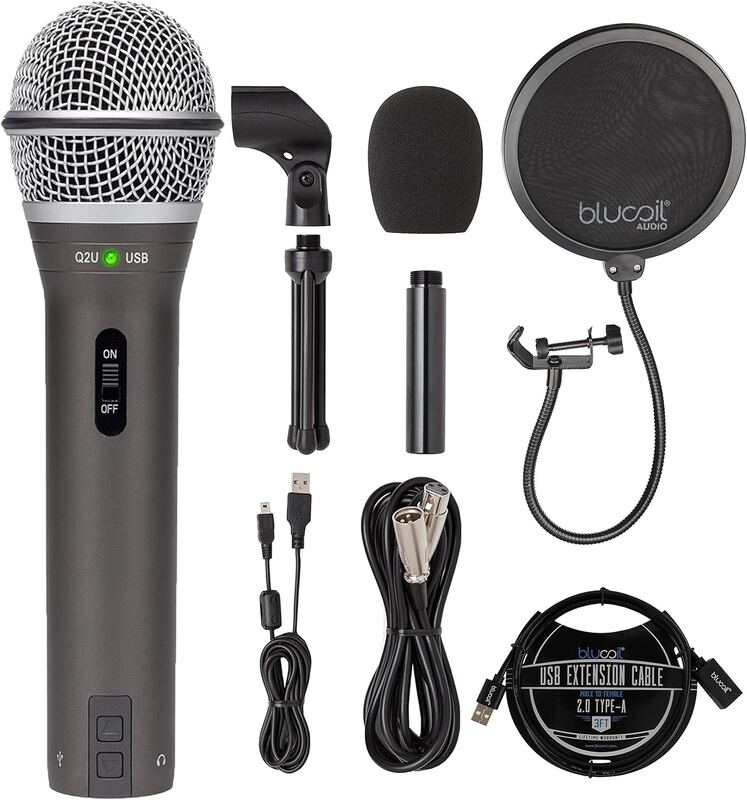
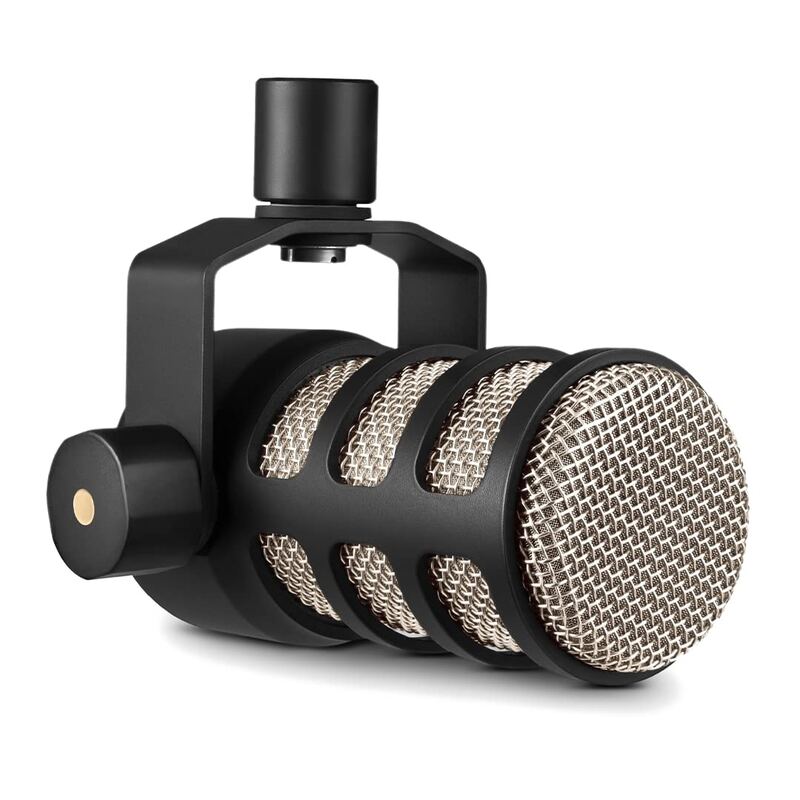
Against the Blue Yeti and the Samson Q2U, the MV7+ is the more expensive and more deliberate choice: a dynamic capsule, a built-in pop filter and hardware gain controls, in exchange for the Yeti's multiple polar patterns and companion-app processing. The Rode PodMic is XLR-only, so the MV7+ is the one that covers both connection paths without a second purchase.
Rating sources
“The sound of the XLR is great with a supportive lowend, somewhat mid focussed but pleasing sound, and a non-aggressive upper frequency range. Over USB the sound is a bit different with a somewhat hollow sound with congested mids and a tame top end.”
Our 3.9 score is the average of these published ratings. Ratings marked * were derived from the reviewer’s written analysis or video transcript — the publisher didn’t print an explicit numeric score, so we inferred one from their own words. Click through to verify. More about methodology.