Verdict
Head-to-head · Best Running Shoes for Flat Feet

Saucony Guide 18 vs Saucony Tempus 2

Which is the better buy? Side-by-side on rating, price, strengths, and watch-outs — with the published ratings we averaged to get there.

Verdict is reader-supported. As an Amazon Associate we earn from qualifying purchases. Some links on this page are affiliate links — if you click through and buy, we may earn a small commission at no extra cost to you. Our ratings are sourced from independent publications, not sponsors.
The short answer

Saucony Tempus 2 comes out ahead by a narrow margin (4.4 vs 4.5). The gap is mostly about runners with narrow feet wanting energy return — read the strengths below before deciding.

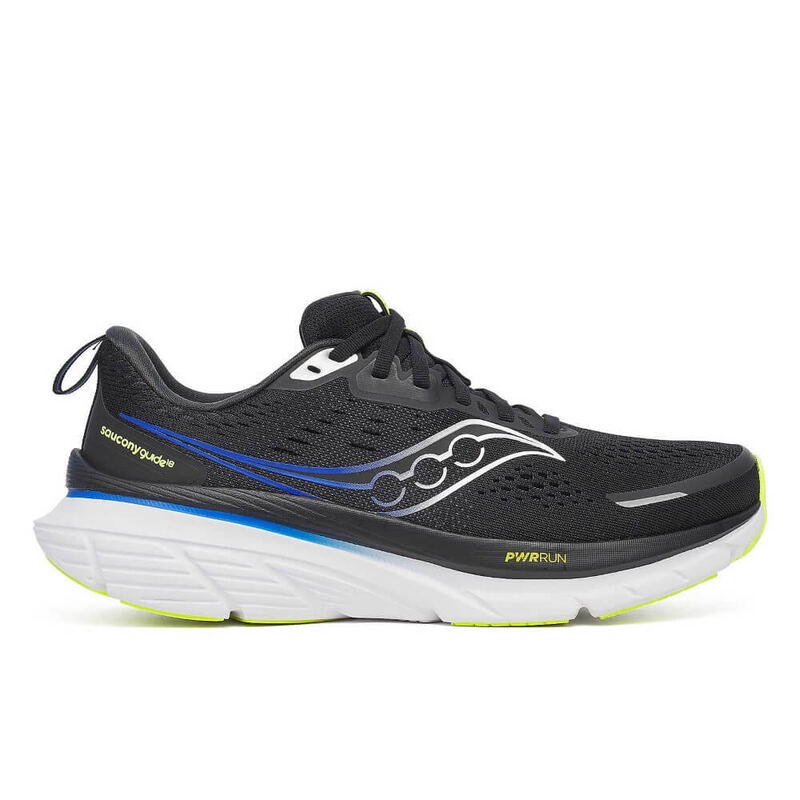
Saucony Guide 18
Ranked #4 in Best Running Shoes for Flat Feet
Saucony Guide 18
8 sources$97.73as of Aug 1

Stability and pronation control are the Saucony Guide 18's job, and Tom's Guide calls it a 'solid choice for stability seekers.' RunRepeat praised the breathable upper and the cushioning on long runs while noting the outsole leaves too much foam exposed, which raises durability questions. Reviewers liked the wide platform and secure lockdown, though the midsole is firm and short on energy return next to modern foams. It fits runners who want a stable, supportive daily trainer at a reasonable price; anyone chasing a more responsive ride should consider the Brooks Glycerin GTS 21.

Strengths
  • Ultra-breathable upper design improves comfort and ventilation
  • Excellent pronation control and stable ride for overpronators
  • Cushioned enough for long runs and comfortable for walking
Watch-outs
  • Too much exposed foam on outsole raises durability concerns
  • Midsole feels a bit firm and lacks energy return
  • Outsole design doesn't provide sufficient rubber coverage for heavy strikers
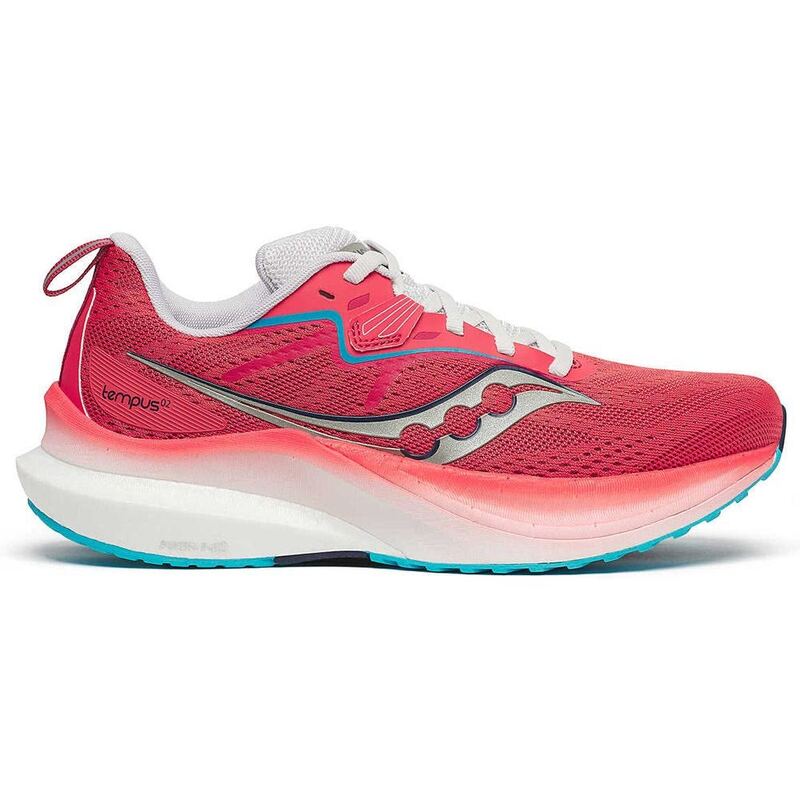
Saucony Tempus 2
Higher ratedRanked #2 in Best Running Shoes for Flat Feet
Saucony Tempus 2
5 sources$169.95as of Aug 1

Still one of the lightest stability shoes on the market, the Saucony Tempus 2 runs on energetic PWRRUN PB foam with strong energy return. Reviewers praised the stability and durability, and RunRepeat called it a 'solid choice' for heel strikers who want a responsive daily trainer. The complaints center on a snug fit, particularly through the forefoot, and poor breathability. Doctors of Running noted the tapered toe box can cause minor abrasion, and some users found the laces too short to lock the foot down. Runners with narrow to standard feet who want stability and energy return more than cushioning and airflow are the fit.

Strengths
  • Lightest superfoam stability shoe available
  • Excellent energy return with PWRRUN PB foam
  • Very stable ride with firm PWRRUN frame support
Watch-outs
  • Poor breathability in upper mesh
  • Slightly heavier than previous version
  • Overly snug forefoot and narrow toe box

How they stack up

Saucony Guide 18

The Saucony Guide 18 provides better breathability than the New Balance Fresh Foam X 860 v14 and more pronation control than the Hoka Arahi 8, but it's less cushioned than the Brooks Adrenaline GTS 25 and lacks the energy return of the Saucony Hurricane 25. It's also less stable than the Hoka Gaviota 6.

Saucony Tempus 2

The Saucony Tempus 2 is lighter and more responsive than the ASICS Gel-Kayano 32 and offers better energy return than the Saucony Hurricane 25, but it's less stable than the Hoka Gaviota 6 and lacks the breathability of the New Balance Fresh Foam X 860 v14. It's also more restrictive than the Saucony Guide 18.

Specs side-by-side

SpecSaucony Guide 18Saucony Tempus 2
Weight9.63 oz9.3 oz
Stack Height36.0 mm38 mm
Drop8mm8 mm
MidsolePWRRUN PBPWRRUN PB
StabilityGuidance RailNeutral
Arch SupportStabilityMedium
TechCenterPath stability
UpperEngineered meshEngineered mesh
OutsoleXT-900 rubberXT-900 carbon rubber
← See the full ranking of best running shoes for flat feet