The Lone Peak 9 is the zero-drop pick. Altra's classic trail shoe keeps true zero-drop geometry and the famously roomy, foot-shaped toe box, now slightly wider in the forefoot. RunRepeat scored it 91/100, and reviewers praise its natural ground feel and dual duty as trail runner and hiker, though the zero-drop, low-stack design demands a transition.
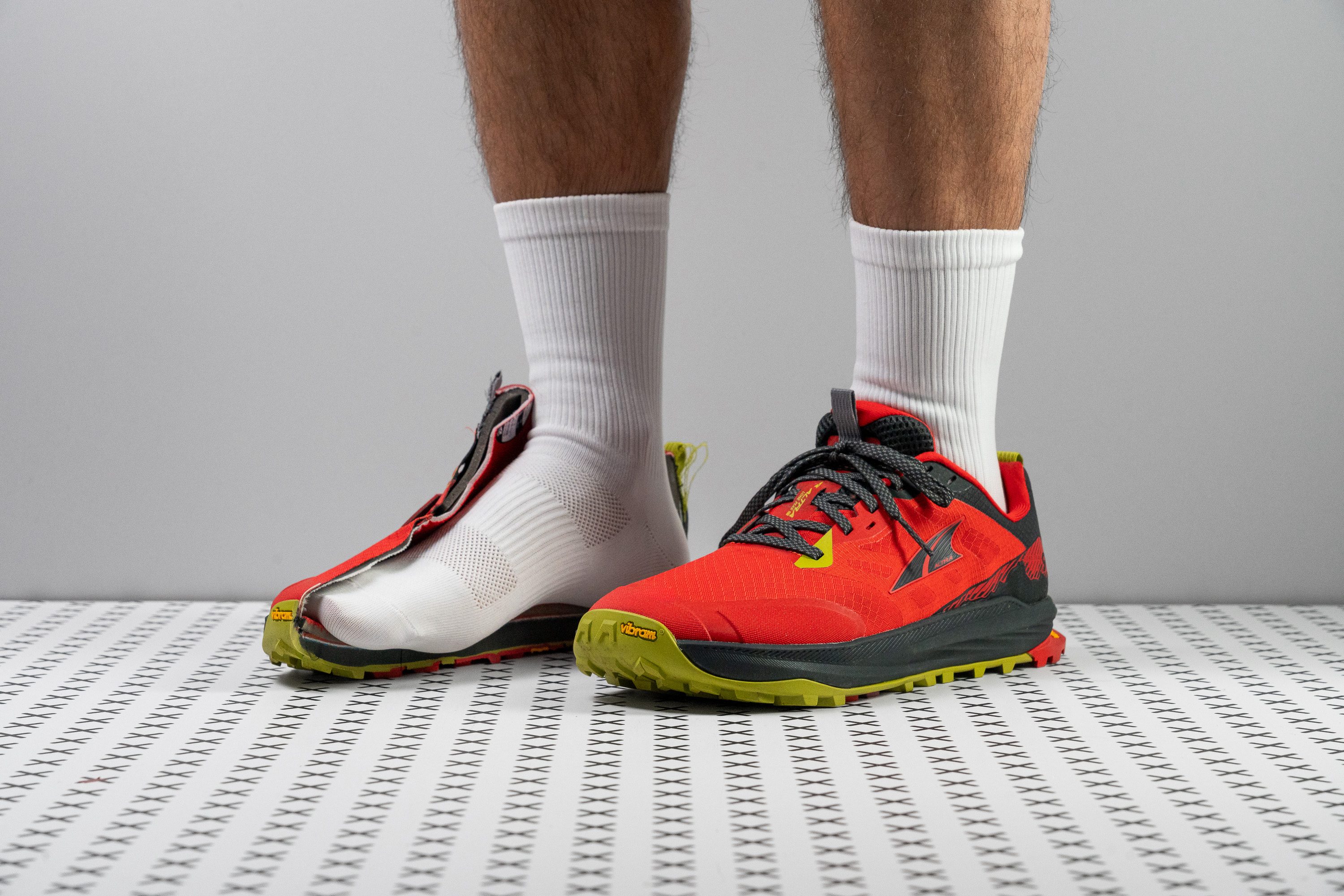
Full review
True zero-drop confirmed at 91 out of 100
The Lone Peak is the shoe that built Altra's reputation, and the 9 keeps the zero-drop, foot-shaped philosophy intact while refining the fit. RunRepeat cut it open, confirmed a true 0.0mm drop and a 23.3mm even stack, and awarded a 91/100 CoreScore, calling it a go-to pick for zero-drop lovers thanks to its flat midsole, ultra-generous toebox, and low-stack profile. RoadTrailRun scored it 9/10 and endorsed Altra's pitch that it doubles as a hiking shoe.
On trail, the low, even platform gives a connected, balanced feel that zero-drop devotees prize — you sense the ground and your foot sits naturally rather than being tipped forward by a raised heel. Fleet Feet noted the signature roomy fit feels slightly roomier through the forefoot than the Lone Peak 8, letting the toes splay and grip on uneven terrain. For runners and hikers who have made the zero-drop transition, it is one of the most natural-feeling trail shoes available.
Traction and Terrain
The Lone Peak 9 runs Altra's MaxTrac outsole with 3.8mm lugs, which RunRepeat and RoadTrailRun describe as delivering confident, reliable grip across a wide range of trail conditions. The moderate lug depth makes it a true all-around trail outsole — grippy enough for dry rock, dirt, roots, and moderate mud, without the over-built aggression of a dedicated mud shoe.
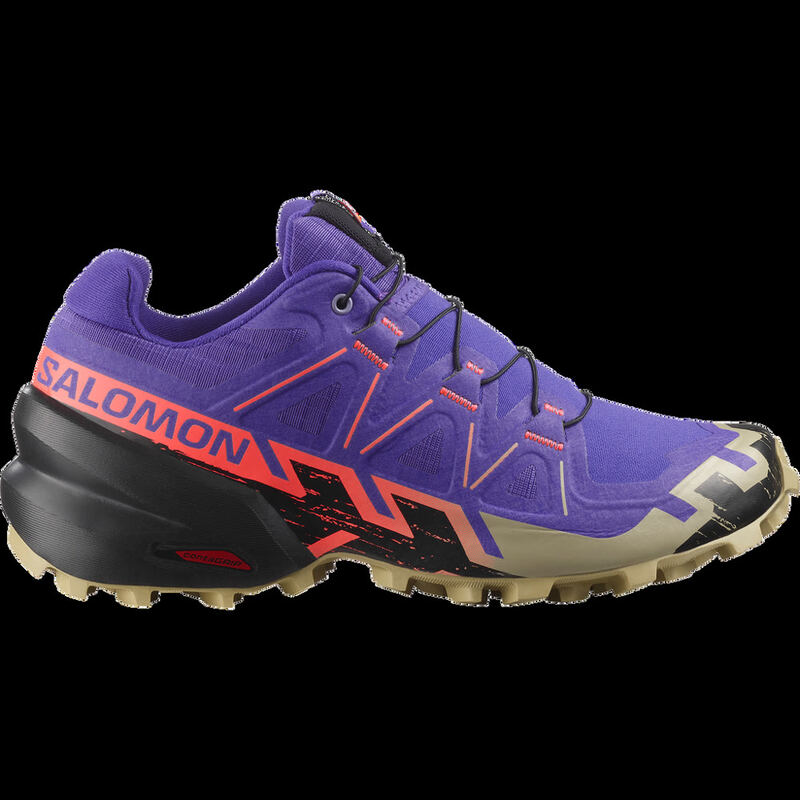
It is not a mud specialist like the Speedcross 6, whose deeper, self-clearing lugs dominate soft ground, and the harder MaxTrac rubber is a notch behind Vibram Megagrip on wet rock. But for the mixed dirt, rock, and root terrain most trail runners face, the Lone Peak's traction is dependable. Paired with the low, stable stack, the grip translates into a sure-footed, connected ride that gives confidence on technical ground precisely because you can feel and react to what is underfoot.
Forefoot widened to 112.2mm from the Lone Peak 8
The defining design traits are the zero-drop geometry and the foot-shaped toe box. RunRepeat measured a 0.0mm drop with a 23.3mm even stack, and the forefoot width measured 112.2mm — wider than the Lone Peak 8's 108.3mm — confirming the roomier fit reviewers reported. The Altra EGO midsole is moderate and stable rather than plush, supporting the low, ground-feel-focused ride.
Altra updated the upper for durability and offers the shoe in standard (already roomy, foot-shaped) and wide. The one design trade-off RunRepeat and RoadTrailRun flagged is weight: at 10.9 oz the Lone Peak 9 gained mass over earlier versions and is heavier than its low stack suggests. The build is rugged and trail-ready, and the famously accommodating last makes it a favorite for runners and hikers with wide feet or those who simply want room for the toes to spread.
Doubles as a hiking shoe, reviewers say
The zero-drop platform and roomy toe box are the universal draws. RunRepeat praised the flat midsole, ultra-generous toebox, and low-stack profile, and RoadTrailRun and Fleet Feet both highlighted the natural toe splay and the slightly roomier forefoot. For zero-drop adherents, the Lone Peak remains the benchmark, and the 9 keeps that crown.
The dual trail-and-hiking versatility also drew praise — RoadTrailRun endorsed it as a hiking shoe, and many users buy it precisely for that crossover use. The low, stable stack and connected ground feel are repeatedly cited as confidence-inspiring on technical terrain, where feeling the ground helps with foot placement.
Requires a transition period for heel strikers
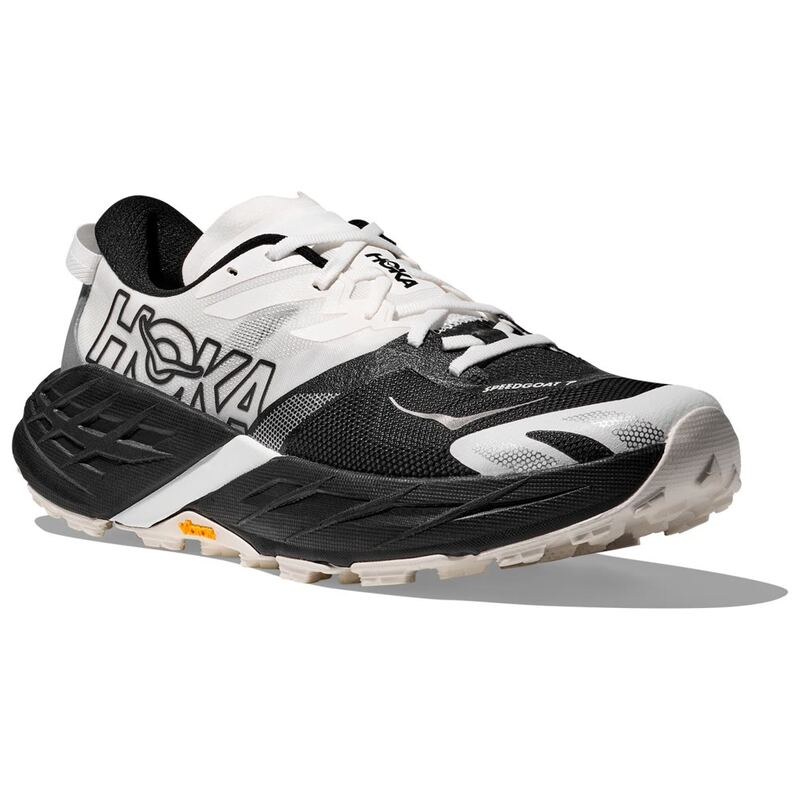
The zero-drop, low-stack design is polarizing. Heel strikers and runners accustomed to an 8-10mm drop need a genuine transition period to adapt their calves and Achilles, and jumping straight into long runs risks injury. Runners who want a cushioned, protective ride over rocky terrain will find the moderate stack less forgiving than the max-cushion Speedgoat 7.
RunRepeat and RoadTrailRun also flagged the weight gain — at 10.9 oz the Lone Peak 9 is heavier than its minimalist profile implies. And the MaxTrac outsole, while versatile, trails the Speedcross's mud grip and the Speedgoat's Vibram wet-rock grip. The Lone Peak is a specialist in fit and geometry, not a max-protection or max-traction shoe, and runners who do not want zero-drop should look elsewhere.
Best for runners who split time hiking too
Choose the Lone Peak 9 if you want zero-drop geometry, a roomy foot-shaped toe box, and a natural, connected ground feel, and if you run mixed dirt-and-rock trails or split your time between running and hiking. It is the clear pick for wide feet, toe-splay enthusiasts, and committed zero-drop runners.
Avoid it if you are not ready to transition away from a raised heel, if you need maximum cushioning on rocky terrain (the Speedgoat 7), or if you mostly run mud (the Speedcross 6). But for the zero-drop, wide-toe-box runner, nothing else in this group offers the same natural platform, and it earns its place as the category's minimalist standout.
Value narrows if you don't want zero-drop
At $150 the Lone Peak 9 is mid-priced for this group, and its value is highest for the specific runner who wants zero-drop and a wide toe box — a combination few other trail shoes offer at all, let alone this well. Reviewers note the dual trail-and-hiking versatility as a value multiplier: many buyers use the same pair for running and hiking, effectively getting two shoes' worth of use, and RoadTrailRun explicitly endorsed that crossover. For the zero-drop devotee, it is the benchmark and worth the price.
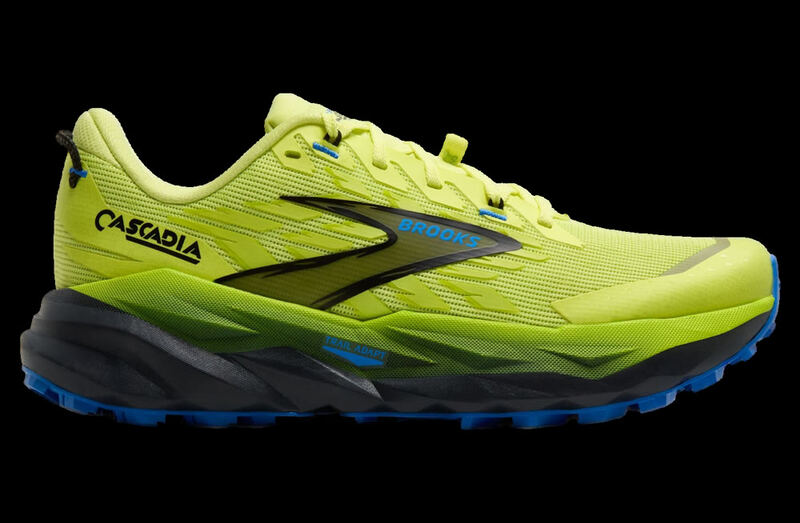
The value caveat is the weight gain and the polarizing geometry. A runner who does not specifically want zero-drop will not get full value here, and the heavier-than-expected build means it is not the most efficient choice for fast efforts. The MaxTrac outsole's durability is solid, supporting the long-term value, but for runners outside the zero-drop and wide-foot niche, a more conventional all-rounder like the Cascadia 19 offers better value for the money.
Strengths
- +True zero-drop geometry and signature foot-shaped wide toe box for natural toe splay
- +Extra-roomy fit — slightly wider in the forefoot than the Lone Peak 8
- +RunRepeat measured a strong 91/100 CoreScore
- +Versatile for both trail running and hiking
- +Low, stable stack gives excellent ground feel and balance
Watch-outs
- −Zero-drop and low stack require a transition for heel strikers and high-drop runners
- −Gained weight versus earlier versions at about 10.9 oz
- −Modest cushioning — less protective than max-stack shoes on rocky terrain
How it compares
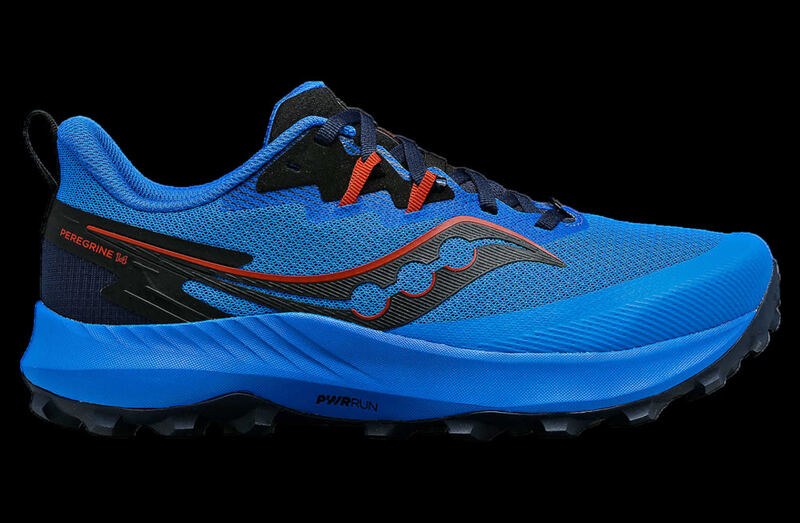
The only zero-drop, wide-toe-box shoe in this group — a completely different platform from the high-drop Salomon Speedcross 6 and the cushioned Hoka Speedgoat 7. Lower-stacked and more minimalist than the Speedgoat and Brooks Cascadia 19, and less aggressively lugged than the mud-focused Speedcross or the Saucony Peregrine 14.
Rating sources
“It remains a go-to pick for zero-drop lovers thanks to its flat midsole, ultra-generous toebox, and low-stack profile.”
“Altra's 'original' wide toe box, zero-drop... Altra also promotes this model for hiking, which I would endorse.”
“The Lone Peak 9 carries over the signature roomy fit and even feels slightly roomier through the forefoot.”
Our 4.5 score is the average of these published ratings. Ratings marked * were derived from the reviewer’s written analysis or video transcript — the publisher didn’t print an explicit numeric score, so we inferred one from their own words. Click through to verify. More about methodology.