The Speedcross 6 is the mud-and-soft-ground specialist: deep 5.8mm Mud Contagrip lugs and a foot-hugging, protective upper make it the grip king on soft, loose, and wet terrain. RunRepeat scored it 89/100, and reviewers from iRunFar to Running Shoes Guru praise its reliable traction, with the caution that it is tailored to mud rather than all-around running.
Full review
Built for mud, awkward on hard-packed trail
The Speedcross has been Salomon's mud-and-soft-ground specialist for over a decade, and the 6 keeps that identity sharp. RunRepeat cut it open, measured a 36.5mm heel / 22.4mm forefoot stack, and awarded an 89/100 CoreScore, noting that with its oversized lugs and durable closed upper, it performs well in muddy and cold environments. iRunFar gave it a glowing five-star verdict but was explicit that it is not a do-everything shoe — it is tailored to technical, muddy, soft-ground trail and off-trail adventures.
On its home turf — soft dirt, loose soil, wet grass, and mud — reviewers describe the Speedcross 6 as exceptional. Running Shoes Guru scored it 7/10 and framed it as the pick for runners who want a nimble, responsive, well-protected shoe that is exceptionally reliable on soft surfaces. The trade-off, which every reviewer notes, is that the same aggressive setup that makes it dominate mud makes it feel awkward and over-built on hard-packed trail or pavement.
Traction and Terrain
Traction is the entire point of the Speedcross 6. The Mud Contagrip outsole uses deep, arrow-shaped lugs — RunRepeat measured 5.8mm — arranged in opposing directions to bite into soft ground from any angle. Crucially, the large gaps between the lugs help clear mud as you run, and their shape is crafted to aid that self-clearing process, so the outsole does not clog and lose grip the way shallower-lugged shoes do in sloppy conditions.
This makes the Speedcross 6 the grip king of this group on mud, loose soil, wet grass, and snow. No other shoe here matches it when the ground gets soft and slick. The flip side is specialization: those deep, widely spaced lugs feel unstable and clackety on rock slabs, hardpack, and roads, where shallower-lugged all-rounders like the Speedgoat 7 or Cascadia 19 are far more comfortable. The Speedcross is a tool for a specific job, and it does that job better than anything else here.
Measured drop of 14.1mm versus advertised 10mm
The Speedcross 6 is built like a foul-weather shoe. RunRepeat measured it at 10.4 oz with a measured 14.1mm drop (Salomon advertises 10mm), and the closed, protective upper resists mud, water, and debris better than the more breathable mesh uppers on all-around trail shoes. The signature SensiFit and Quicklace lacing system wraps the foot snugly, which reviewers praise for the foot-hugging agility that lets you trust your footing on uneven, soft ground.
The EnergyCell midsole is moderate and firm rather than plush, keeping the shoe stable and connected to the ground — appropriate for technical, soft-surface running where a tall, soft stack would feel tippy. The build is durable and weather-ready, geared toward runners who push into cold, wet, and muddy conditions that would chew up a lighter, more ventilated shoe.
Confidence-inspiring on soft, technical terrain
The mud traction and secure fit are the universal highlights. iRunFar's five-star verdict centered on the foot-hugging agility and prime-importance traction, and RunRepeat praised the oversized lugs and durable closed upper for muddy, cold environments. Reviewers who run soft, technical terrain describe the Speedcross as confidence-inspiring in conditions that make other shoes slip.
The protective, weatherproof build also drew praise from runners who train through wet winters and off-trail scrambles. For its intended use, reviewers are emphatic that the Speedcross 6 is one of the most reliable shoes available — it simply does not let go on soft ground, which is exactly what its target runner needs.
Closed upper runs warm in summer heat
The Speedcross 6's specialization is its biggest limitation. iRunFar is explicit that it is "not an all-around or door-to-trail shoe per se," and Running Shoes Guru lists road-to-trail commuters and racers on mostly flat, hard-packed trails among the runners who should not buy it. The deep lugs feel awkward on hardpack, rock, and pavement, so runners with mixed-surface routes will be frustrated — though no cited lab faults its stability: RunRepeat calls it "a remarkably stable ride" and Running Shoes Guru rates it "very stable."
The lower forefoot stack and firmer EnergyCell midsole also mean less cushioning and protection on long, rocky efforts than the max-cushion Speedgoat or even the value-oriented Peregrine. And the closed, protective upper that excels in cold mud runs warm in summer heat. The Speedcross is a focused mud-and-soft-ground tool; ask it to be a do-everything shoe and it disappoints.
Best for mud, snow, and wet grass
Pick the Speedcross 6 if you regularly run mud, soft ground, wet grass, loose soil, or snow and you want maximum grip and a secure, foot-hugging fit. It is the clear choice for technical, soft-surface, off-trail, and foul-weather running where traction is the priority and a connected, agile feel matters more than plush cushioning.
Avoid it if your trails are mostly hardpack, rock, or mixed surfaces — the Speedgoat 7, Cascadia 19, or Peregrine 14 will serve you far better there. But for the runner who battles mud and soft ground, no other shoe in this group grips like the Speedcross, and it earns its spot as the specialist's specialist.
Poor value if you mostly run hardpack
At $145 the Speedcross 6 sits in the middle of this group's pricing, and its value depends entirely on how much soft, muddy terrain you run. For a runner who genuinely needs maximum mud and soft-ground traction, there are few alternatives that grip this well, so the Speedcross delivers specialist performance that cheaper all-rounders simply cannot match — making it strong value for its intended buyer. The durable, weather-ready build also holds up to the abusive wet conditions it is designed for, stretching its lifespan.
For everyone else, the value collapses. Paying $145 for a mud specialist you will mostly run on hardpack or roads is poor value when the more versatile, similarly priced Cascadia 19 or the cheaper Peregrine 14 cover mixed terrain far better. The Speedcross 6 is an excellent value only if mud and soft ground are a regular part of your running; outside that niche, a more versatile shoe is the smarter spend.
Strengths
- +Deep 5.8mm Mud Contagrip lugs deliver outstanding grip on mud and soft ground
- +Wide, self-clearing lug gaps shed mud effectively
- +Secure, foot-hugging fit and protective closed upper for technical terrain
- +RunRepeat measured a strong 89/100 CoreScore
- +Nimble and agile on soft, loose, and wet surfaces
Watch-outs
- −Specialist shoe — not an all-around or door-to-trail option
- −Aggressive lugs feel awkward on hard-packed trail and pavement
- −Lower stack and firmer ride than max-cushion rivals
How it compares
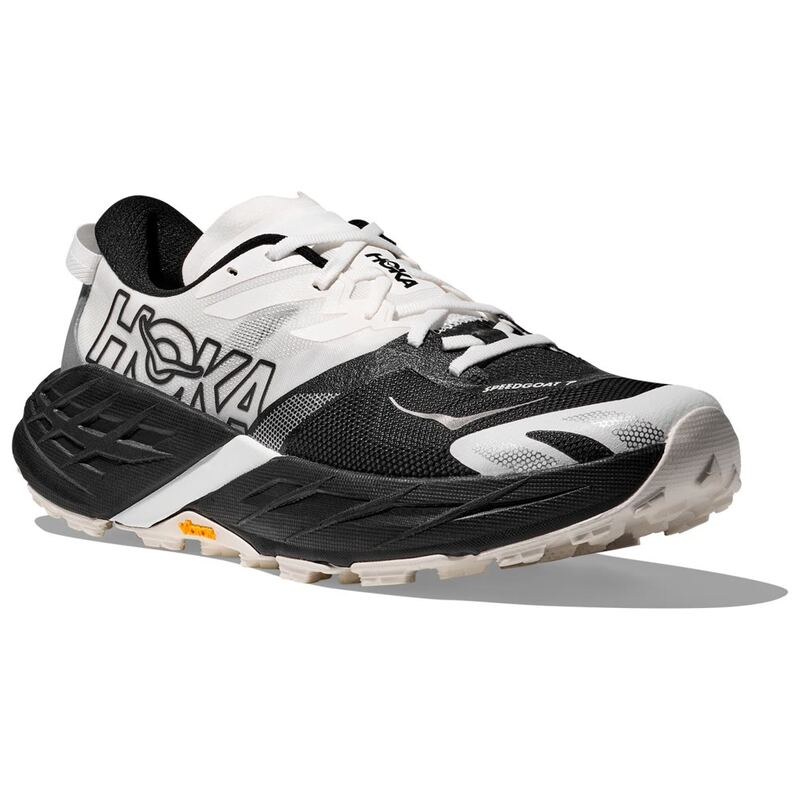
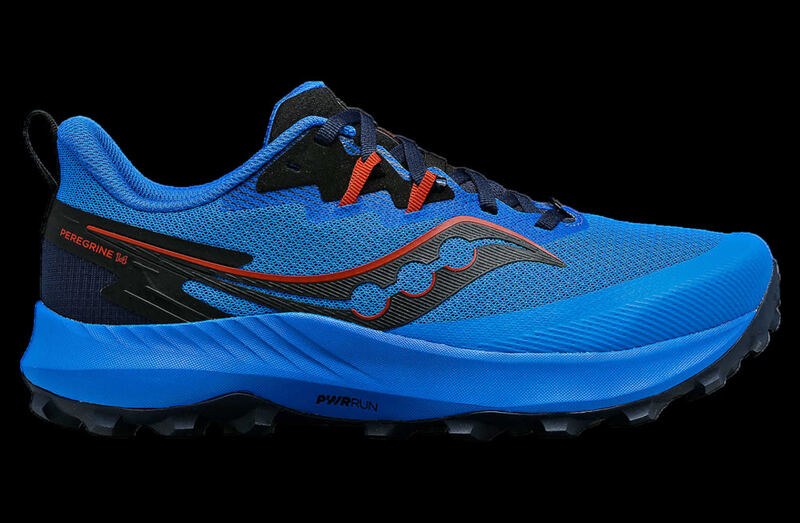
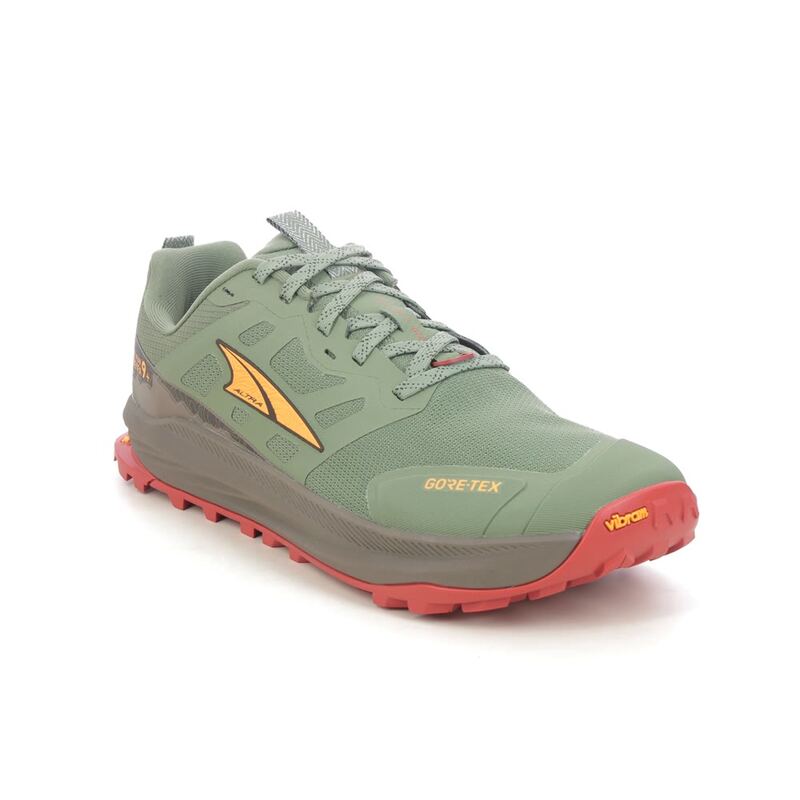
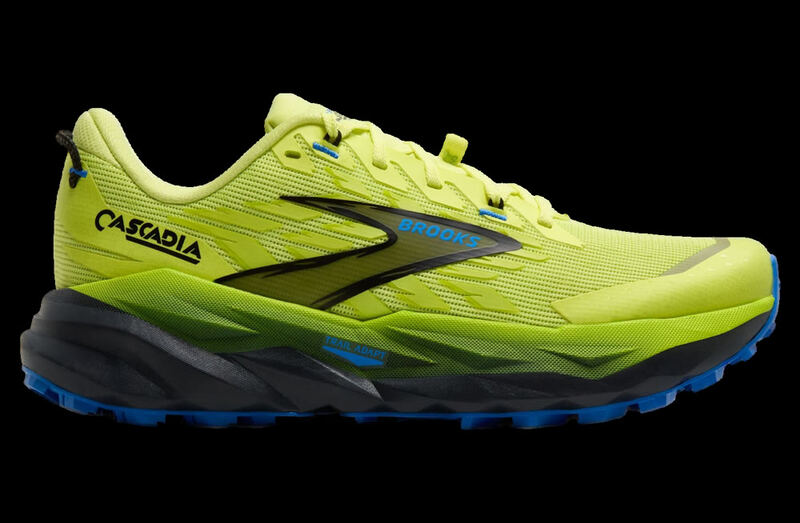
Grippier in mud and soft ground than the all-around Hoka Speedgoat 7, Brooks Cascadia 19, and Saucony Peregrine 14, thanks to its deeper, self-clearing lugs. Lower-stacked and firmer than the max-cushion Speedgoat, and a far more aggressive, structured shoe than the zero-drop, roomy Altra Lone Peak 9.
Rating sources
“Built with oversized lugs and a durable, closed upper, this shoe performs well in muddy and cold environments.”
“It's specifically tailored to technical, muddy, soft-ground trail and off-trail adventures where traction and foot-hugging agility are of prime importance.”
“For the trail runner looking for a nimble, responsive shoe with excellent protection that is exceptionally reliable on soft surfaces.”
Our 4.3 score is the average of these published ratings. Ratings marked * were derived from the reviewer’s written analysis or video transcript — the publisher didn’t print an explicit numeric score, so we inferred one from their own words. Click through to verify. More about methodology.