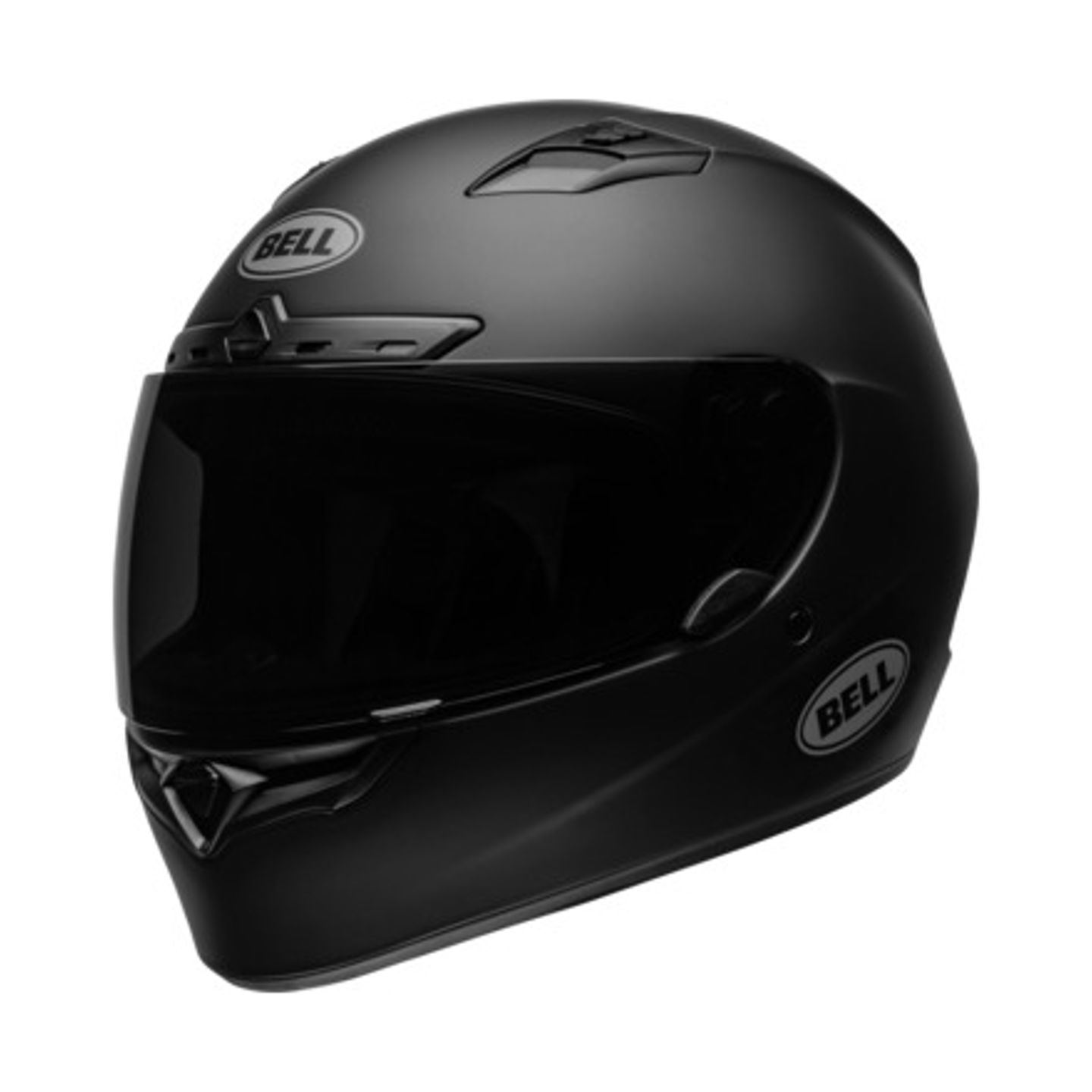
Under $300, the Bell Qualifier DLX MIPS is the best all-around value full-face helmet, pairing MIPS rotational-impact protection with an included Transitions photochromic shield that few rivals offer at the price. RevZilla owners rate it 4.5/5 across 443 reviews, and webBikeWorld calls the combination of features and a 5-year warranty a very good investment. A polycarbonate shell, Velocity Flow venting and a washable liner keep it comfortable for daily commuting. Wind noise is the one consistent flaw, and it is DOT-rated rather than Snell-certified, but on safety tech and convenience per dollar it leads this group.
Full review
4.5 stars across 443 RevZilla owner reviews
The Qualifier DLX MIPS has become the default value recommendation for street riders because it delivers features usually found on much pricier helmets. RevZilla owners, who rate it 4.5 out of 5 across 443 reviews, describe a comfortable, lightweight fit with good ventilation and a convenient transition visor delivering strong value and secure protection. That breadth of capability at a sub-$250 price is the helmet's core appeal.
On the road the Qualifier DLX MIPS handles daily commuting and weekend riding with ease. The Velocity Flow ventilation moves enough air to stay comfortable, the wind collar helps with comfort, and the included Transitions shield removes the hassle of swapping between clear and tinted visors. webBikeWorld concluded that all the features combined with a 5-year warranty make it a very good investment, which captures why it is so frequently the first helmet recommended to budget-conscious street riders.
The helmet's appeal is broad precisely because it does not specialize. It is comfortable enough for a daily commute, protective enough for spirited weekend rides, and convenient enough that riders do not have to think about swapping visors or buying accessories. That all-rounder character, combined with the safety tech, is why it consistently outsells more specialized helmets in its price range and why reviewers treat it as the default starting point for anyone shopping a first quality full-face.
MIPS and the Transitions Shield
The Qualifier DLX MIPS's standout feature is its safety tech. MIPS, the Multi-directional Impact Protection System, adds a low-friction layer that, as webBikeWorld explained, allows a rotation slip to happen between your head and the helmet's EPS, helping reduce the rotational forces that cause many brain injuries. Finding MIPS in a sub-$250 full-face helmet is genuinely rare and is the single biggest reason to choose this lid.
The second headline feature is the included Transitions Adaptive Shield. webBikeWorld noted it allows perfect visibility in all lighting conditions, automatically darkening in sunlight and clearing in shade. Buying a Transitions shield separately can cost most of the price of a budget helmet, so its inclusion here is a substantial value add. RevZilla reviewers single out the transition visor as a favorite feature, calling it amazing and fantastic. In practice the photochromic shield means a rider never has to carry or swap a tinted visor; it adapts as the light changes, which is especially handy on rides that pass through tunnels or shaded canyons where a fixed tinted shield would be dangerous.
Build Quality and Comfort
The Qualifier DLX MIPS uses a lightweight polycarbonate shell that webBikeWorld described as both comfortable and durable. The interior is moisture-wicking and fully removable and washable, which matters for a helmet that will see daily commuting use, and the tool-free Click Release system makes shield swaps quick. The padded wind collar helps cut some noise and keeps the fit snug and secure.
RevZilla reviewers report solid build quality and a snug fit, with the safety features and ease of use winning praise. Bell backs the helmet with a 5-year warranty, one of the longer coverage periods at this price, which reinforces the value argument. For a polycarbonate helmet at this price point, the finish and comfort punch above what the sticker suggests. The fit runs slightly snug in line with Bell's intermediate-oval head shape, which suits the majority of riders, and the cheek pads break in over the first few rides to settle into a secure, comfortable hold. Riders should consult Bell's sizing chart, as with any helmet, but most find the stock fit accommodating for all-day wear.
Wind noise is the most common complaint
The Qualifier DLX MIPS's most consistent complaint is noise. webBikeWorld reported the biggest complaint is that the helmet is noisier than users expected, and RevZilla reviewers echo wind noise as a recurring issue. The padded wind collar helps, but riders sensitive to noise will want to wear earplugs, especially at sustained highway speeds. Some owners also report visor sealing issues at speed.
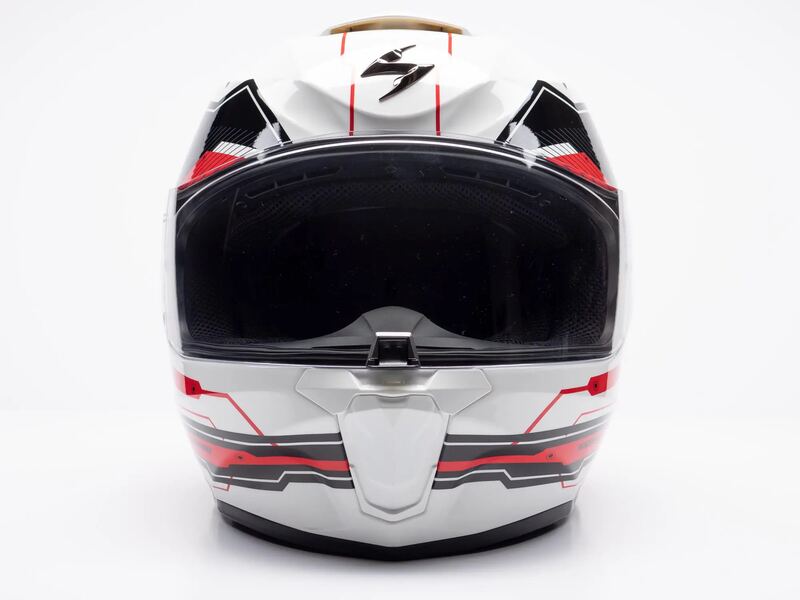
On safety certification, the Qualifier is DOT-rated and MIPS-equipped but not Snell-certified, unlike the Scorpion EXO-R420 in this list, so safety-maximalists may prefer the Scorpion's additional Snell approval. And as a polycarbonate helmet, it is heavier than premium composite lids. None of these are dealbreakers for its intended buyer, but they define the Qualifier as a value-and-convenience champion rather than the outright safety or comfort leader. Riders who do most of their miles on the highway and are sensitive to fatigue from noise should factor in earplugs as a near-necessity, which is a small ongoing consideration but worth noting for a helmet otherwise so easy to recommend.
Bundles MIPS and a photochromic shield, not Snell
Within this group the Qualifier DLX MIPS is the best-rounded street helmet and the only one to bundle both MIPS and a Transitions shield. Against the Scorpion EXO-R420, it trades the Scorpion's Snell certification for MIPS and the self-tinting shield, so the choice comes down to whether you prioritize a second crash-test standard or convenience plus rotational protection.
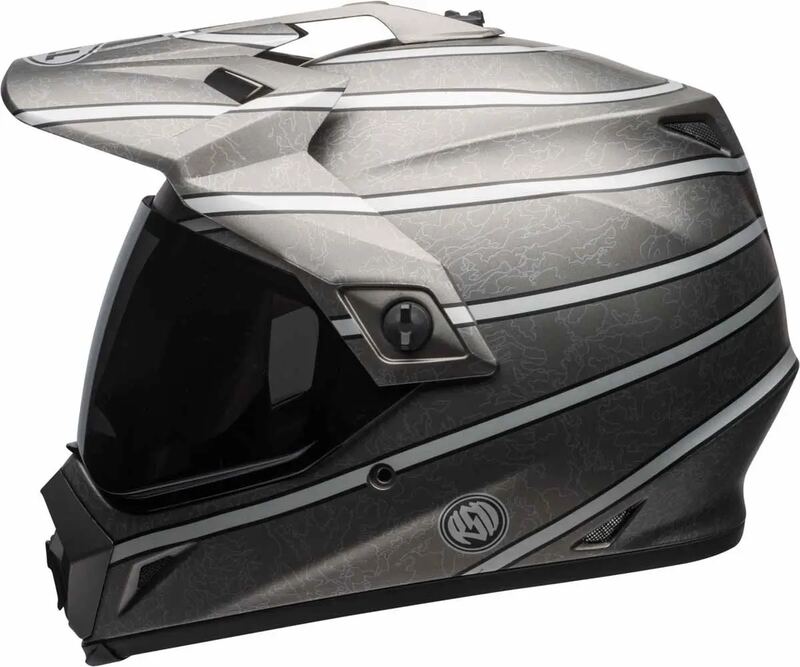
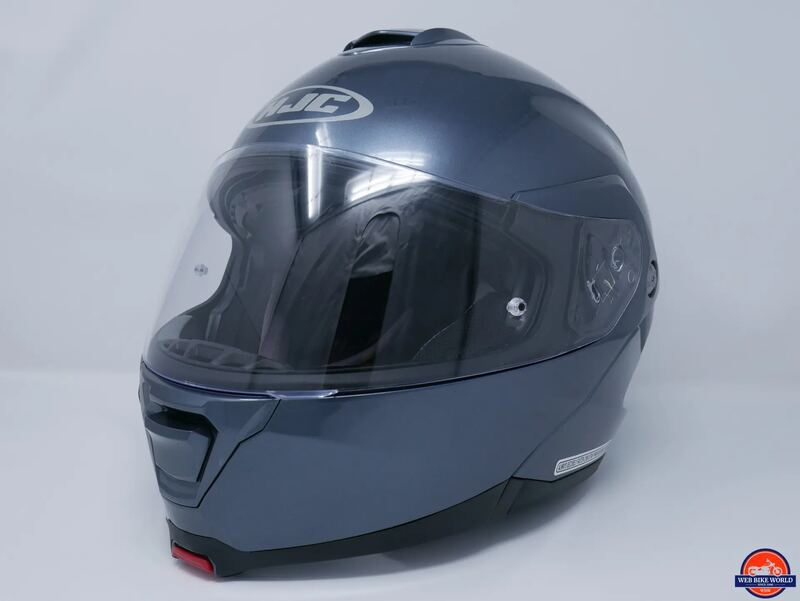
Compared with the rest of the lineup, the Qualifier is a dedicated street helmet rather than the adventure-oriented Bell MX-9 Adventure MIPS or the flip-up HJC IS-MAX II modular. It costs more than the budget HJC C10 but adds MIPS and the photochromic shield the C10 lacks. For a rider who wants one do-everything street helmet with modern safety tech, the Qualifier is the most complete package here. Its closest competitor in this group is the Scorpion EXO-R420, and the two represent the two main philosophies of budget helmet buying: the Qualifier prioritizes convenience and rotational protection, while the Scorpion prioritizes the additional crash-test assurance of Snell. Neither is wrong, and a rider's choice between them says more about their priorities than about the helmets' quality.
A $100 photochromic shield included in the price
The Qualifier DLX MIPS's value case rests on bundling features that normally cost extra. A standalone Transitions photochromic shield can run $80 to $100, nearly the price of a budget helmet on its own, and MIPS is typically reserved for pricier lids. Getting both in a sub-$250 full-face, along with a washable liner and a 5-year warranty, is why webBikeWorld called it a very good investment and why owners consistently rate it 4.5 out of 5.
That value is most obvious when the helmet drops below $200 during sales, which it frequently does. At that price the combination of MIPS, a self-tinting shield and Bell's brand backing is hard to argue with, and RevZilla reviewers note they consider it a great helmet especially when found at or below $200. For a rider building a complete kit on a budget, the money saved on a separate tinted visor can go toward gloves or a jacket, making the Qualifier a smart anchor purchase.
For commuters who want MIPS without a premium price
The Qualifier DLX MIPS is for the street or commuter rider who wants modern safety tech and convenience without spending into premium territory. Riders who value MIPS rotational protection, the hassle-free Transitions shield, and a washable liner for daily use will find it the most feature-complete helmet under $300, backed by a long warranty and strong owner reviews.
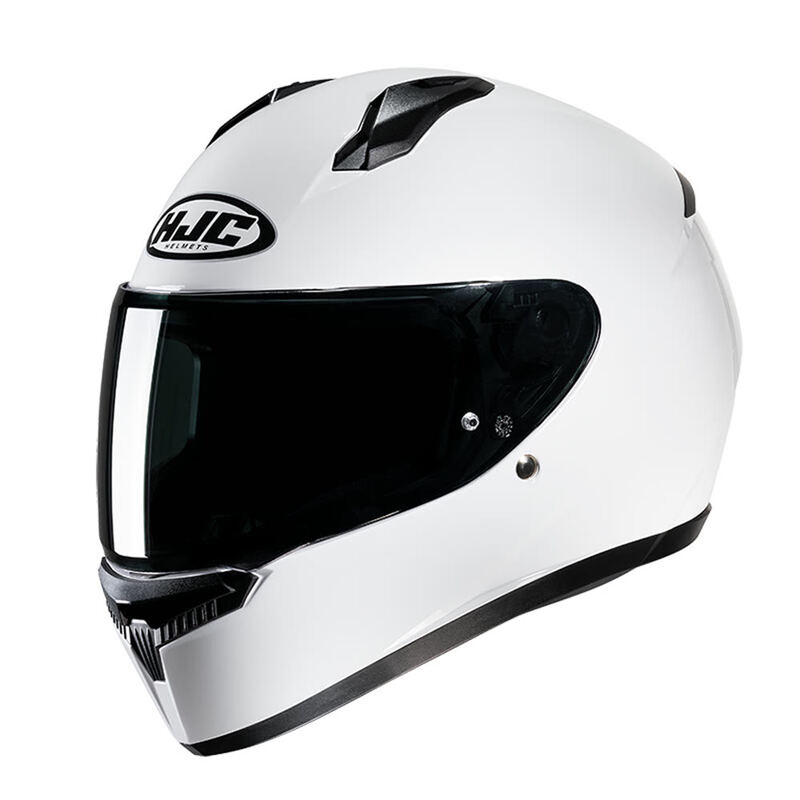
Look elsewhere if you want Snell certification, where the Scorpion EXO-R420 is the safety pick, or if you ride off-road or adventure, where the Bell MX-9 Adventure MIPS is purpose-built. Riders who want a flip-up should choose the HJC IS-MAX II, and those on the tightest budget the HJC C10. But for the best all-around street helmet value, the Qualifier DLX MIPS leads.
Strengths
- +MIPS rotational-impact protection is rare in a sub-$250 full-face helmet
- +Includes a Transitions photochromic shield that darkens in sunlight automatically
- +Lightweight polycarbonate shell with Velocity Flow ventilation and a padded wind collar
- +Removable, washable, moisture-wicking interior with tool-free Click Release shield, per webBikeWorld
- +Backed by Bell's 5-year warranty and a 4.5-star average across hundreds of reviews
Watch-outs
- −Noticeably noisier than buyers expect, especially at highway speed, per MotorcycleGearPuzzle
- −Some riders report visor sealing issues at speed
- −Polycarbonate shell is heavier than premium composite lids, per MotorcycleGearPuzzle
- −Only DOT-rated, not Snell-certified like the Scorpion
How it compares
The Qualifier DLX MIPS is the best-rounded street helmet here, the only one to bundle both MIPS and a Transitions shield. It lacks the Snell certification of the Scorpion EXO-R420, which is the safety-first pick, and it is a street lid rather than an adventure helmet like the Bell MX-9 Adventure MIPS or a modular like the HJC IS-MAX II. It costs more than the budget HJC C10 but adds MIPS and the photochromic shield the C10 lacks.
Rating sources
“All the features combined with a 5 year warranty make the Qualifier DLX MIPS a very good investment.”
“The Bell Qualifier DLX MIPS has fantastic specs for the price.”
Our 4.1 score is the average of these published ratings. Ratings marked * were derived from the reviewer’s written analysis or video transcript — the publisher didn’t print an explicit numeric score, so we inferred one from their own words. Click through to verify. More about methodology.