768Wh of LiFePO4 behind a 1000W pure sine inverter, in a 22.5 lb box that recharges in about an hour and a half. TechRadar rates the Bluetti AC70 4 out of 5, mostly for the app and the restrained design. Power Lifting Mode stretches output to 2000W for resistive loads only. Two AC outlets and no IP rating are the limits to plan around; extra capacity requires a separate Bluetti B80, B230 or B300 expansion battery.
Full review
768Wh, 1000W, and what Power Lifting actually does
The inverter is 1000W continuous pure sine, which covers a laptop, a router, lights, a fan, a small fridge and most things with a plug that are not heating elements. Power Lifting Mode raises that to 2000W by dropping voltage slightly, and it works only for resistive loads such as a kettle, a heater or a hair dryer. Running a laptop or a television through it is not the intended use.
Charged in about an hour and a half
Charging is the standout. Turbo mode takes the unit to 80% in about 45 minutes and to full in around 1.5 hours from AC, and even in standard mode TechRadar saw it go from 33% to 75% in forty-five minutes. Solar input accepts up to 500W, and AC and DC inputs can run at the same time with the unit apportioning between them. Pass-through charging works, so it can sit plugged in as a buffer and still power a load.
LiFePO4 rated for 3,000 cycles to 80 percent
The chemistry is the reason to buy this rather than a cheaper lithium-ion unit: 3,000 charge cycles to 80% capacity, better thermal behaviour, and a flat discharge curve that holds voltage steady until the pack is nearly empty. That last part matters for sensitive electronics, which see consistent power rather than a sag as the battery drains. A five-year warranty sits on top of it.
Two AC outlets and no IP rating
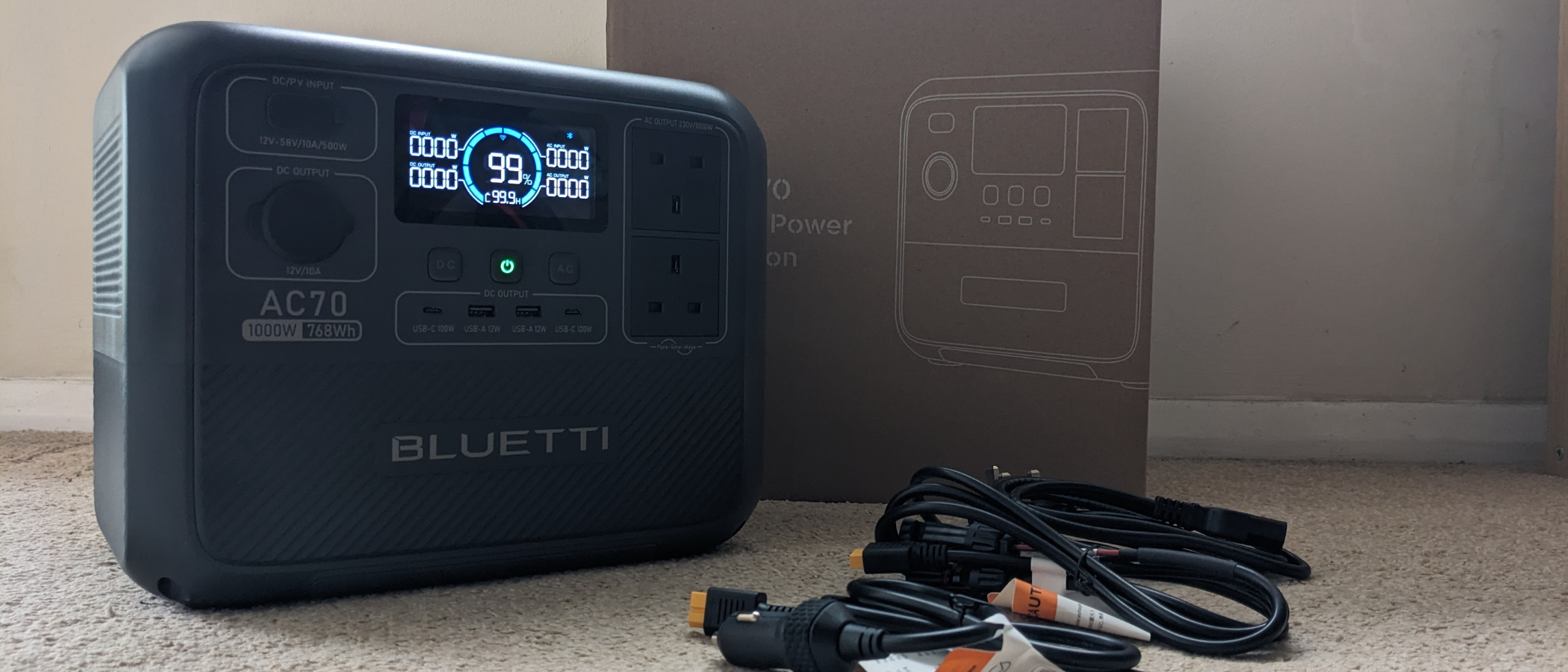
The output count is thin for the capacity: two AC sockets, four USB ports and a DC car port, where several rivals in this class offer more. Capacity beyond 768Wh requires one of Bluetti's B80, B230 or B300 expansion batteries, bought separately. There is also no IP rating, which makes it an indoor and in-vehicle device that should not be left out in weather.
The screen goes dark after 60 seconds
The front LCD shows input and output watts, charge percentage and estimated runtime, and its backlight is hard to read in daylight and switches off after 60 seconds. In practice monitoring happens on the phone: TechRadar rates the companion app highly, and it exposes charging modes, live wattage and settings. The unit weighs 22.5 lb with a fixed handle and no wheels, which is carryable to a campsite and awkward across an airport.
Strengths
- +Smart and subtle design that TechRadar finds suitable for home and vehicle use
- +Excellent companion app for greater control and monitoring
- +5-year warranty offers strong long-term protection
- +Multiple output options including 2 AC outlets, 4 USB ports, and 1 DC car port
Watch-outs
- −Only two AC outlets for 768Wh of capacity, which TechRadar warns may run short
- −Adding capacity means buying a separate Bluetti B80, B230 or B300 expansion battery
- −No IP rating, which TechRadar notes keeps it indoors or in a vehicle
- −LCD backlight is hard to read outdoors and times out after 60 seconds
How it compares
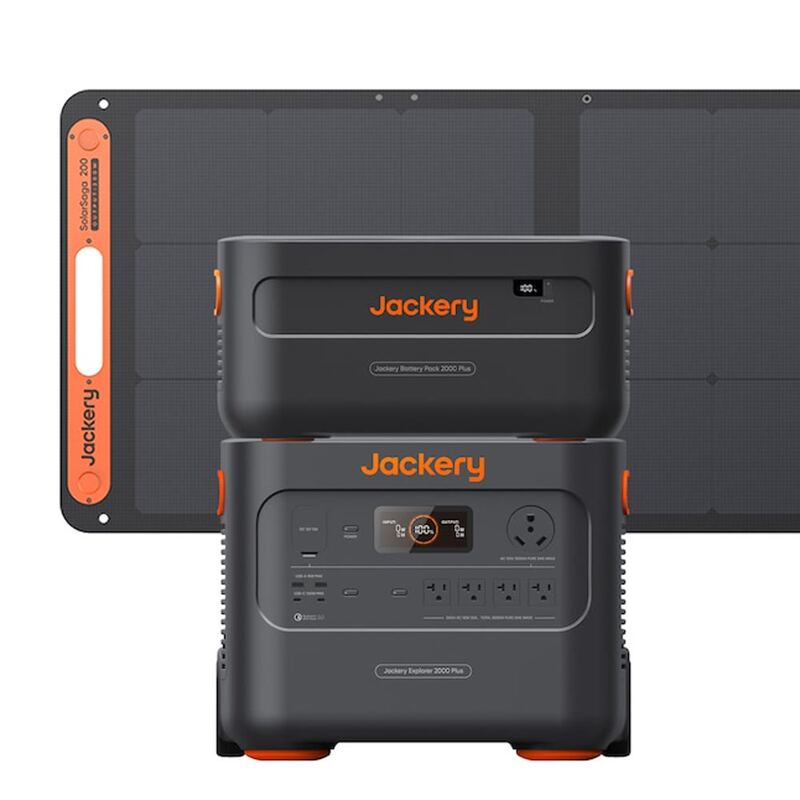
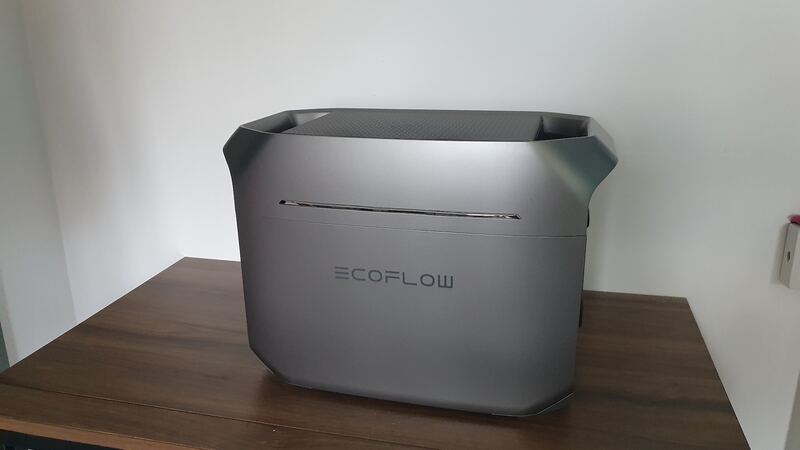
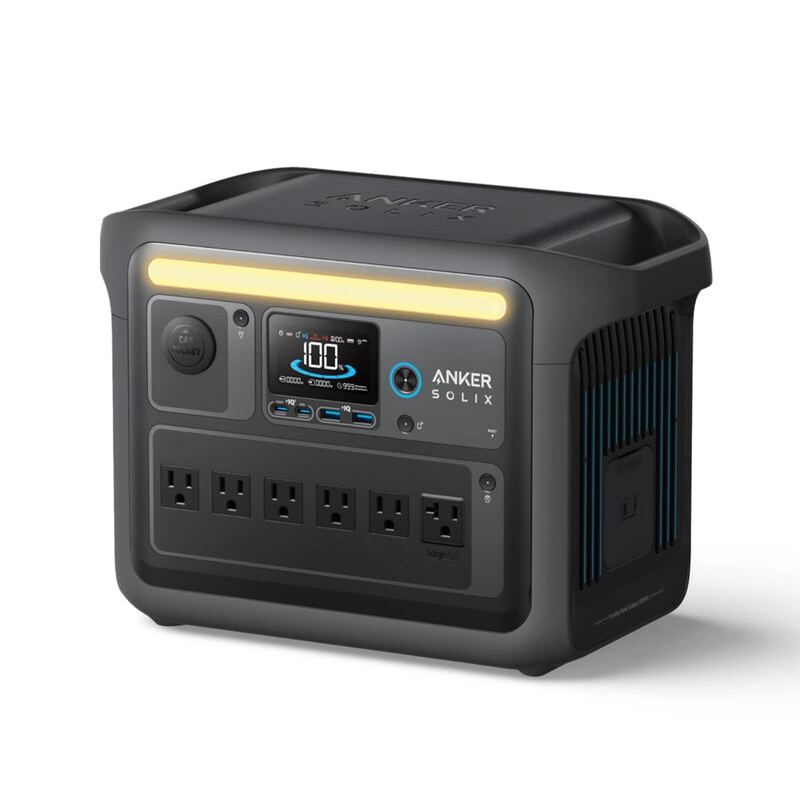
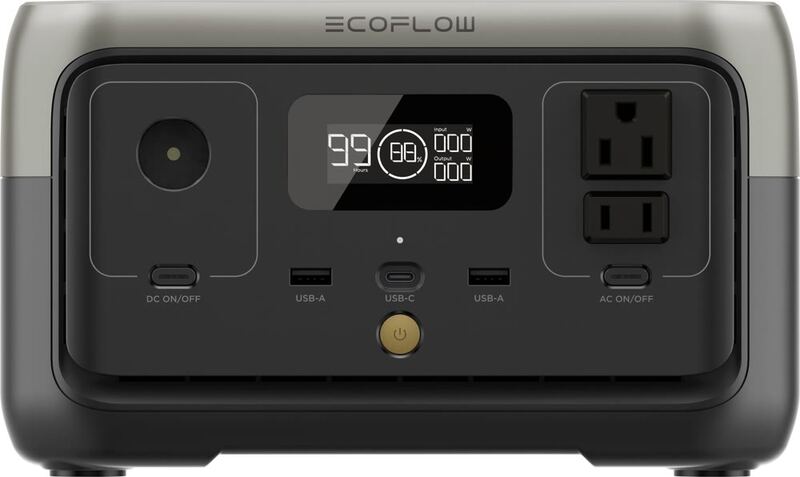
The Bluetti AC70 offers a smart design and excellent app integration, features that the Anker Solix C1000 and EcoFlow Delta 3 Plus lack. While the EcoFlow River 2 Pro is more portable and the Jackery Solar Generator 2000 v2 offers better solar compatibility, the Bluetti AC70 provides a 5-year warranty and multiple output options, making it ideal for home and vehicle use. However, its 1000W output is insufficient for high-wattage appliances compared to the EcoFlow Delta 3 Plus and lacks weather protection unlike the Jackery model.
Rating sources
Our 4.5 score is the average of these published ratings. More about methodology.