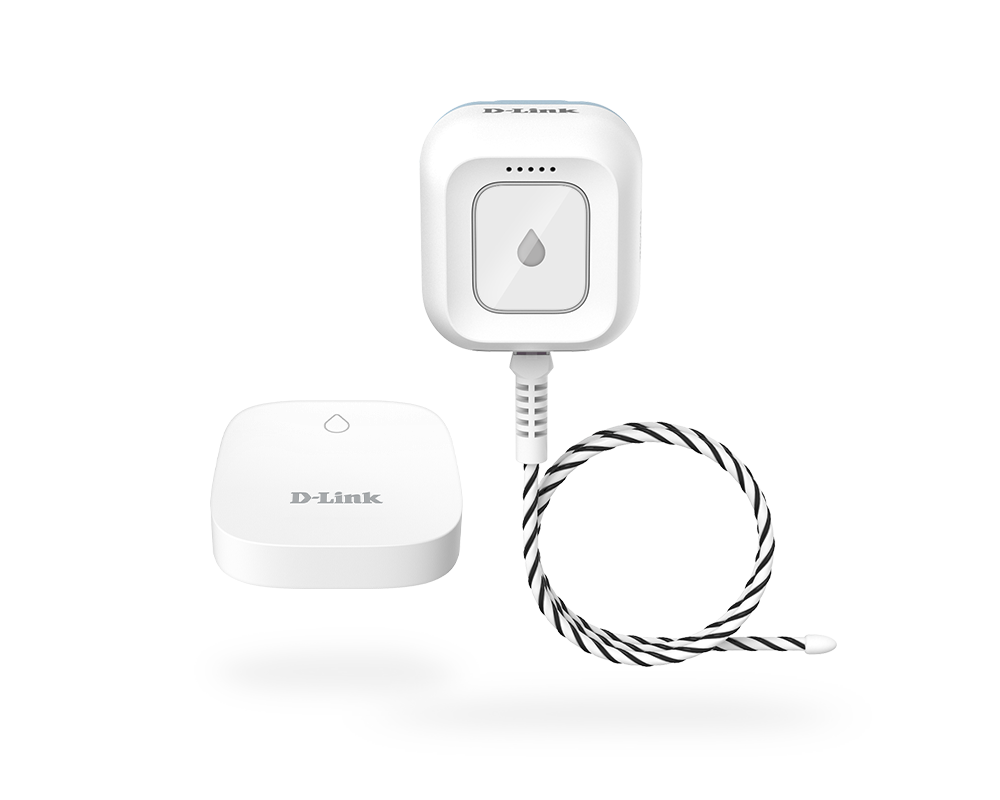
The D-Link Water Leak Sensor Starter Kit SW-A11KT is our top pick for 2026, on the strength of its dual sensor design and rapid response time. Reviewers noted it detects leaks in less than a second and sends alerts quickly, even when offline. It costs more than alternatives but covers a whole home with expandable pods. No hub is required, and the kit includes a plug-in master unit with a 1.5-foot cable plus a battery-powered remote pod. Limited smart-home compatibility and incompatibility with older D-Link models are the drawbacks.
Full review
A cable and a puck in the same box
Most leak kits give you one sensor shape and expect it to suit every situation. This one gives you two: a 1.5-foot water-sensing cable that detects along its whole length, which suits running behind a washing machine or along the base of a water heater, and a separate battery-powered pod with probes underneath for spots where a puck is the right answer.
Wirecutter found both triggered the built-in siren in under a second on contact with water, and made this their top pick. Speed is the entire point of a leak detector: the difference between a damp patch and a ruined floor is measured in how long the water runs unnoticed.
100dB siren, strobe and a phone alert
The master unit alarms three ways at once. A 100dB siren is loud enough to wake a household, an LED strobe covers anyone who will not hear it, and push notifications reach a phone that is not in the building. Wirecutter measured those notifications arriving within a few seconds of detection.
That redundancy is the practical argument for this kit over cheaper single-mode alternatives. A siren is useless when nobody is home and an app alert is useless when the phone is on silent, so the combination is worth more than either alone.
No hub, and Sub-GHz to the remote pods
The master unit plugs into an outlet and talks to the internet over Wi-Fi directly, so there is no hub to buy, site or power. Setup runs through D-Link's app with a QR code scan and takes most people ten to fifteen minutes, though it does assume some comfort with Wi-Fi setup and app permissions.
Communication with the remote pods runs on Sub-GHz rather than Wi-Fi, rated to 300 feet indoors and 1000 feet in the open. That is the specification that makes whole-home coverage realistic, because it penetrates the floors and masonry that would kill an ordinary Wi-Fi link to a basement sump.
Expandable to seventeen monitored spots
The starter kit covers two locations and takes up to sixteen additional battery pods, for seventeen monitored points from a single master unit. That is enough to cover a sump, a water heater, both bathrooms, the kitchen sink, a dishwasher and a washing machine in one system, and each extra pod costs far less than a standalone detector.
The pods run up to two years on AAA cells and are small enough to slide behind an appliance. They do need replacing eventually, which is worth planning for if a pod goes somewhere genuinely hard to reach.
Google Assistant only, and a D-Link account
The integration story is thin. The system speaks to Google Assistant and IFTTT and not to Amazon Alexa, which for a household built on Echo speakers is a real limitation rather than a minor one. It also will not work alongside D-Link's own older water sensors, so existing owners are starting over.
Everything runs through a D-Link account and the vendor's app, so there is no local-only mode and no way to avoid the cloud dependency. Alerts to a phone also require the Wi-Fi to be up, which is the one failure mode a leak detector should be most careful about.
Strengths
- +Provides both a cable sensor and a puck sensor in one kit for versatile coverage
- +Responds to water leaks promptly with a siren that triggers in less than a second
- +Sends quick offline alerts, faster than competitors in testing
- +No hub required for setup, easy plug-and-play installation
Watch-outs
- −Pricier than the other kits it competes with
- −Works with only one third-party smart-home platform (Google Home and IFTTT); no Amazon Alexa support
- −Not compatible with legacy D-Link water sensors
- −Push notifications depend on a stable Wi-Fi connection, and the remote pods need battery changes
How it compares
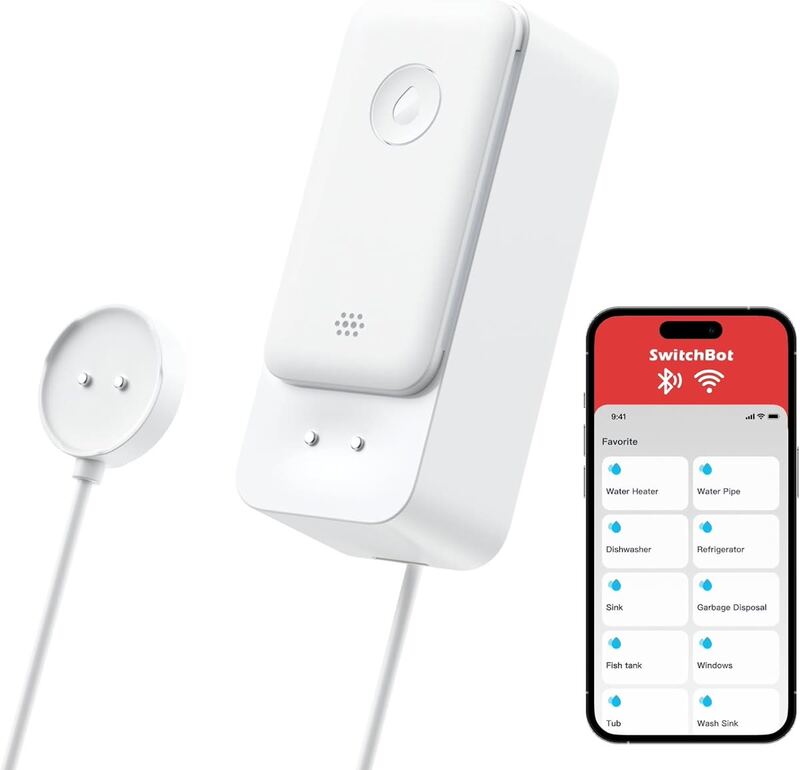
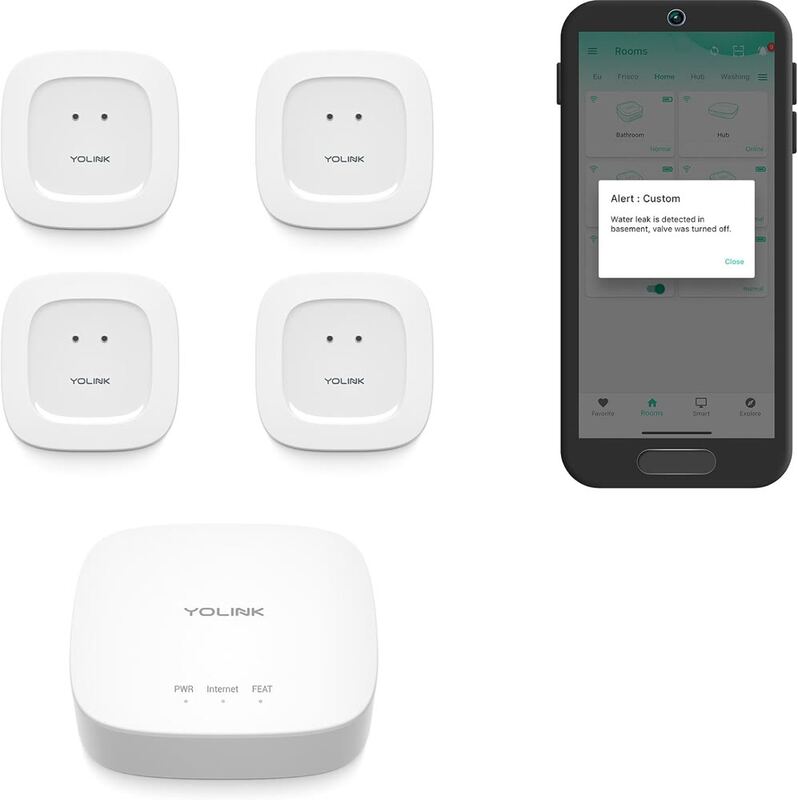
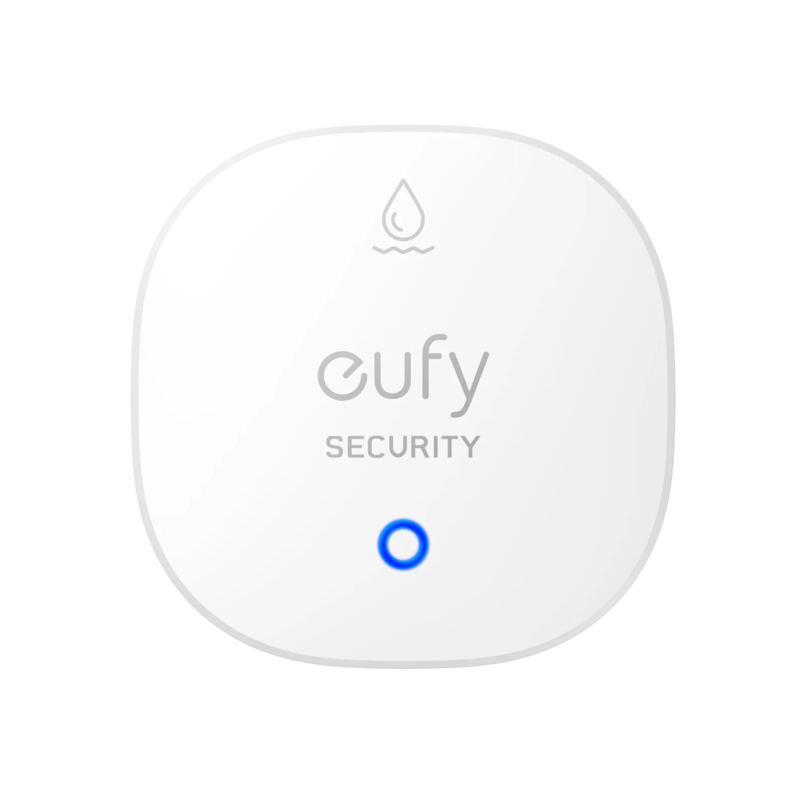
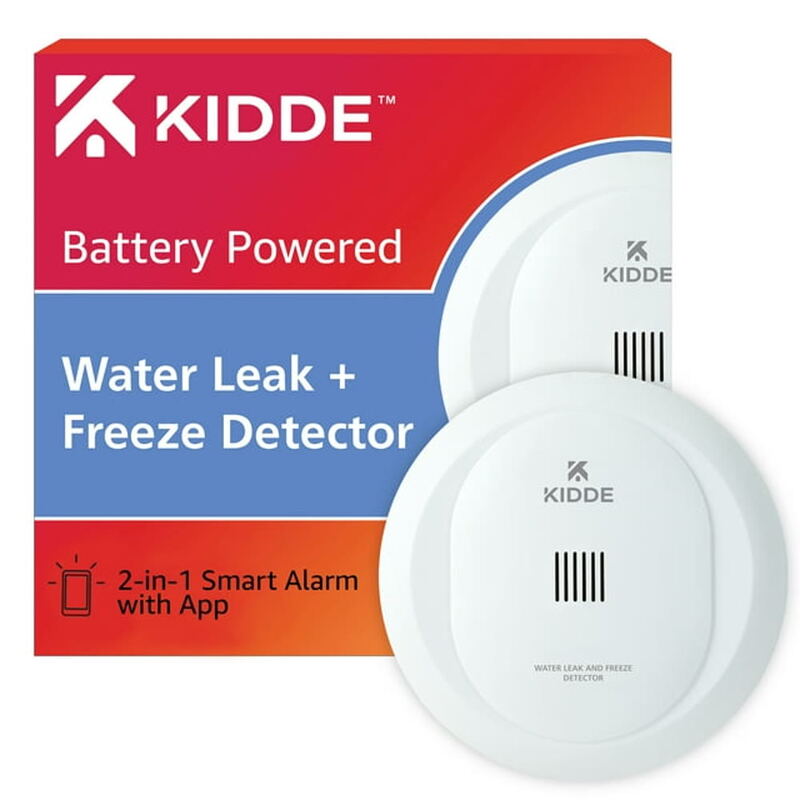
The D-Link SW-A11KT stands out with its dual sensor design and ultra-fast response time, detecting leaks in under a second—faster than the First Alert L1 and YoLink models. While it lacks broad smart-home compatibility compared to the SwitchBot or Eufy, its plug-and-play setup and offline alert capabilities make it superior for users seeking immediate detection without hub dependency. Unlike the Kidde, it offers both cable and puck sensors for expanded coverage.
Rating sources
Our 4.5 score is the average of these published ratings. Ratings marked * were derived from the reviewer’s written analysis or video transcript — the publisher didn’t print an explicit numeric score, so we inferred one from their own words. Click through to verify. More about methodology.