The DJI Osmo 360 is a remarkable debut that challenges the category leaders on its first try. A large square sensor gives it the best low-light 360 image quality here, it shoots 8K/50p with 120MP stills, and its battery life is class-leading, all at a price that undercuts the Insta360 X5. The caveats: weaker audio, slightly softer stabilization, and non-replaceable lenses.
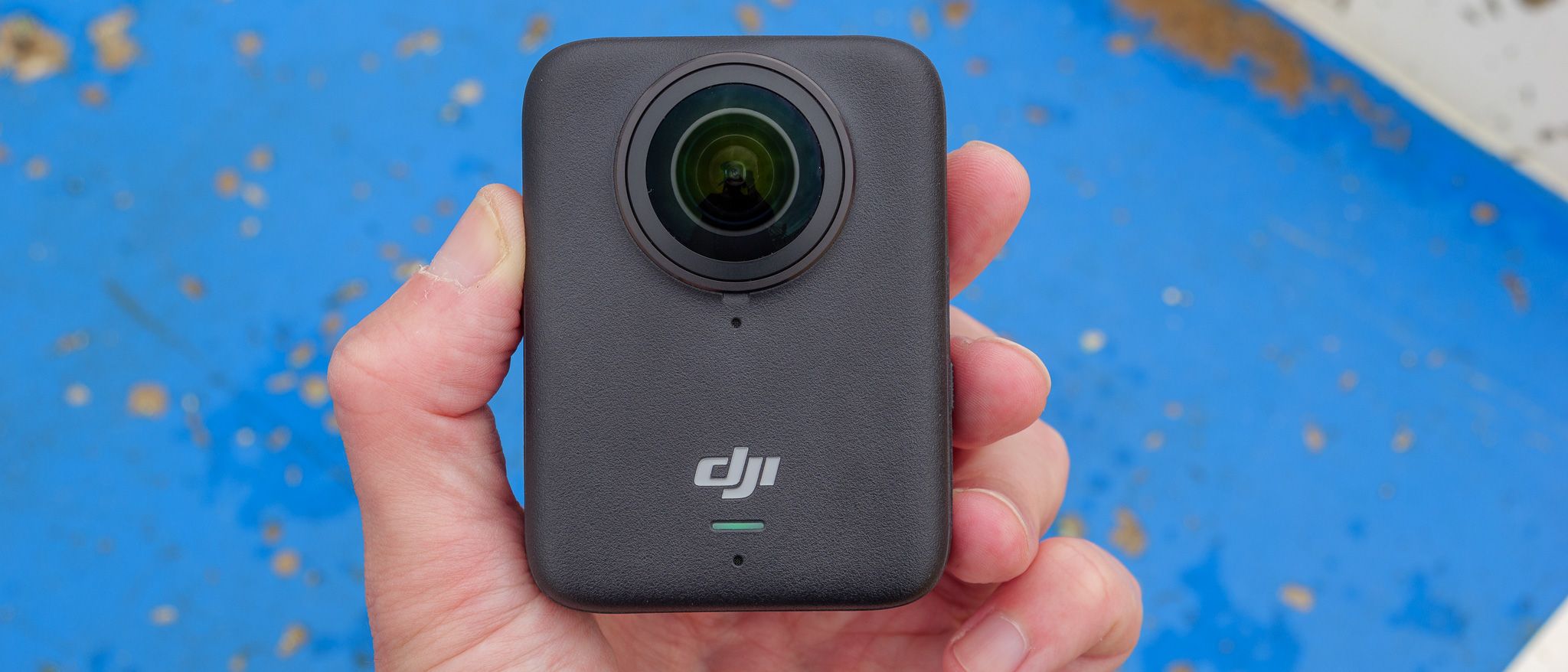
Full review
A generous 105GB of built-in storage
DJI's first-ever 360 camera landed with a confidence that surprised reviewers. TechRadar, awarding 4.5 stars, described it as an undeniably classy effort and a strong challenger to sector leader Insta360 and its best-in-class X5, with great all-round performance, a user-friendly design, solid companion apps and a temptingly affordable price. Digital Camera World went further, calling it not just a brilliant first 360-degree camera but a new one to beat, while Tom's Guide praised it for coming out punching.
In the field the Osmo 360 just works, with the polished hardware and app experience you would expect from a company with DJI's pedigree. It captures 8K/50p 360 video and 120MP stills, includes a generous 105GB of built-in storage so you are not constantly swapping cards, and slots neatly into DJI's existing ecosystem. For a debut product, the level of refinement is the single most impressive thing about it.
Best low-light sensor of the three tested
The Osmo 360's standout is its large, square-shaped sensor, which DC Rainmaker's three-way comparison found to be the best in low light of any current 360 camera, ahead of both the Insta360 X5 and the GoPro Max 2. For creators who shoot at dusk, indoors, or at night, that low-light edge is the camera's biggest reason to buy, producing cleaner, more usable footage where rivals get noisy. Daylight image quality is strong too, even if TechRadar judged it does not outright beat the X5 on overall image quality.
The 120MP stills capture enormous spherical detail, and 8K/50p gives smoother high-resolution motion than the 30p flagships. Where it gives ground is in two specific areas reviewers consistently flagged: the internal audio is weaker than the X5's, and the stabilization, while good, is described as slightly less competent than Insta360's FlowState. Neither is a dealbreaker, especially for DJI owners who can attach a Mic 2, but they keep it a half-step behind the X5 overall.
Shares batteries and mics with Osmo Action
The Osmo 360 is well built and waterproof to 15m without a housing, matching the Insta360 X5 and easily beating the GoPro Max 2's 5m rating, which makes it a viable underwater and watersports camera. The design is user-friendly with the clean, considered ergonomics DJI is known for, and the companion apps already have, in TechRadar's words, the polish of an established player, an unusual achievement for a first-generation product.
Two design choices stand out for DJI owners. The camera accepts existing DJI Mic 2 and Mic Mini transmitters for better audio, and it uses the same 1,950mAh batteries as the Osmo Action line, so anyone already in the DJI ecosystem can share accessories and cells. The one notable omission versus its rivals is that the lenses are not user-replaceable, so a scratched lens is a bigger problem here than on the X5 or Max 2, both of which let you swap glass.
Non-replaceable lenses, a first-gen software gap
The Osmo 360's shortcomings are narrow but real. Tom's Guide pinpointed them precisely: it just loses out to the X5 due to its weaker audio and slightly less competent stabilization. The built-in microphones do not capture as clean a sound as the X5's wind-guarded array, so audio-conscious creators will want to pair it with a DJI mic. The non-replaceable lenses are the other structural drawback, since a deep scratch on a fixed lens is far costlier to deal with than twisting in a fresh one.
As a brand-new entrant, DJI's 360 editing and reframing software, while polished for a debut, is still less mature and feature-deep than Insta360's years-refined app, so power users may occasionally hit limits. The Osmo 360 is an outstanding first effort rather than an outright category winner.
Wins on low light and battery, not audio
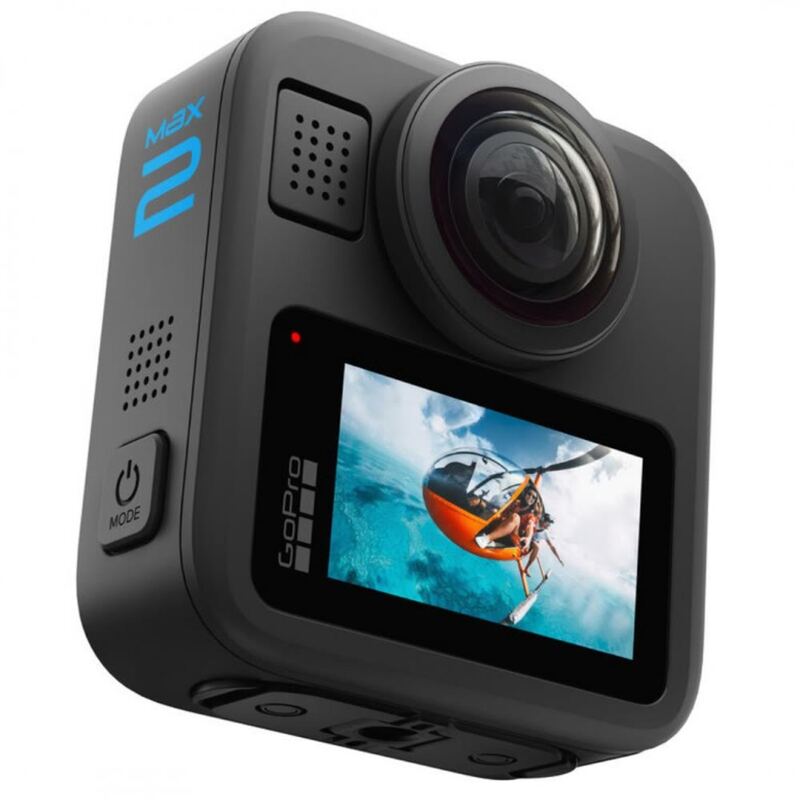
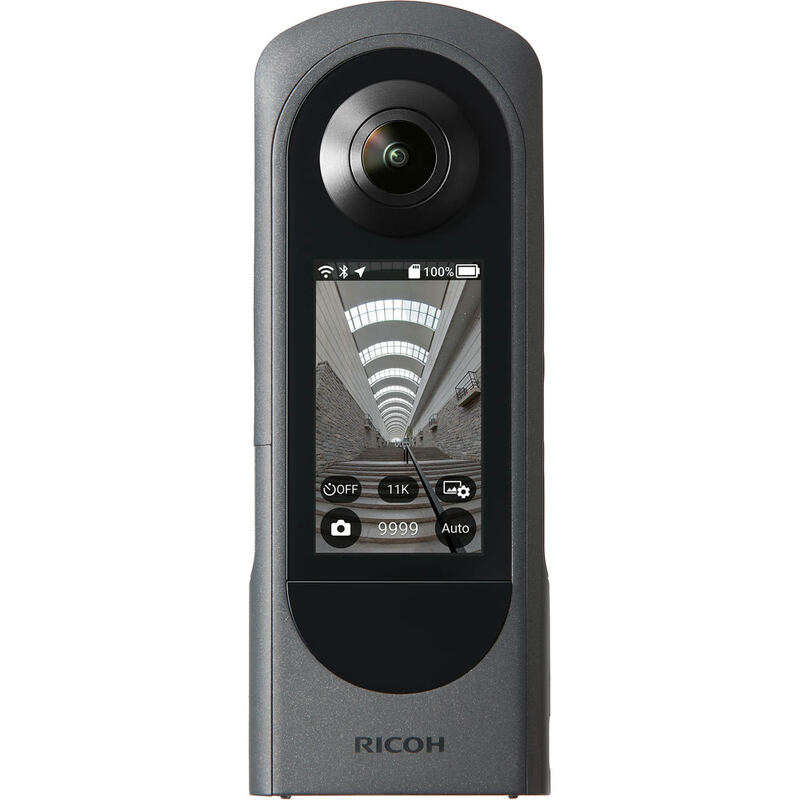
Against the Insta360 X5, the Osmo 360 wins on low light, battery life, and price, while the X5 wins on audio, stabilization, lens replaceability, and overall image quality. Against the GoPro Max 2, the Osmo 360 leads in low light and matches the X5's superior 15m waterproofing, but it cannot match GoPro's mounting ecosystem or daylight sharpness. The Ricoh Theta X is a different proposition aimed at photographers and virtual tours rather than action video.
The Osmo 360's strongest argument is value plus low-light performance: it delivers most of the flagship experience, leads the field after dark, and lasts longer on a charge, all while costing less than the X5. For buyers who already own DJI gear, the shared batteries and mics tip the scales further. It is the smart-money pick of this group, narrowly behind the X5 only because of audio and stabilization.
Class-leading battery life among 360 cameras
The Osmo 360 is ideal for value-conscious creators who want flagship-class 360 capture, the best low-light performance in the category, and class-leading battery life without paying the X5's premium. It is an especially easy recommendation for anyone already invested in DJI's ecosystem, since the shared Mic 2 transmitters and Osmo Action batteries make it cheaper and more convenient to live with.
Look elsewhere if pristine built-in audio or the very best stabilization is your priority, where the Insta360 X5 pulls ahead, or if you need replaceable lenses for rough-and-tumble use. Pure daylight action shooters who want GoPro's mounts should consider the Max 2. But for low-light ability, endurance, and value, the DJI Osmo 360 is a superb and surprisingly polished debut.
Undercuts the X5 on price, despite fixed lenses
Value is the Osmo 360's strongest single argument. TechRadar specifically praised its temptingly affordable price, noting that it impresses with how much it undercuts its main rival on price. For buyers who want flagship-class 360 capture, the best low-light performance in the group, and class-leading battery life, getting all of that for less than the Insta360 X5 is a compelling proposition, and it reframes the whole category's price-to-performance math.
The value case is even stronger for existing DJI owners. Because the Osmo 360 accepts the same DJI Mic 2 and Mic Mini transmitters and shares the 1,950mAh batteries used by the Osmo Action line, anyone already in the DJI ecosystem can reuse accessories and cells they own, effectively lowering the real cost of entry. The one caveat is the non-replaceable lenses, which adds long-term risk if a lens gets scratched. But on pure capability per dollar, the Osmo 360 is the value standout of this list.
Strengths
- +Large square 1-inch-class sensor delivers the best low-light 360 image quality of the group
- +8K/50p 360 capture plus 120MP stills and a generous 105GB of built-in storage
- +Phenomenal battery life, the best of any 360 camera tested
- +Temptingly affordable, undercutting the Insta360 X5 on price
- +Works with existing DJI Mic 2 / Mic Mini and Osmo Action batteries for DJI owners
Watch-outs
- −Weaker internal audio than the Insta360 X5
- −Stabilization is slightly less competent than the X5's FlowState
- −Lenses are not user-replaceable, unlike the X5 and Max 2
- −DJI's 360 editing software is newer and less mature than Insta360's
How it compares
Leads the Insta360 X5 and GoPro Max 2 in the darkest low-light scenes thanks to its larger square sensor, and undercuts the X5 on price, but loses to the X5 on audio and stabilization. Unlike the X5 and Max 2 its lenses are not user-replaceable. Far more capable for action and low-light video than the photo-focused Ricoh Theta X.
Rating sources
“With great all-round performance, a user-friendly design, solid companion apps and a temptingly affordable price, DJI's debut 360 camera is an undeniably classy effort - and a strong challenger to sector leader Insta360 and its best-in-class X5.”
“8K/50p 360-degree recording, phenomenal battery life, plus tons of video features... The Osmo 360 is a tough competitor for the Insta360 X5, although it just loses out due to its weaker audio and slightly less competent stabilization.”
“Not just a brilliant first 360-degree camera, a new 'one to beat'.”
Our 4.5 score is the average of these published ratings. More about methodology.