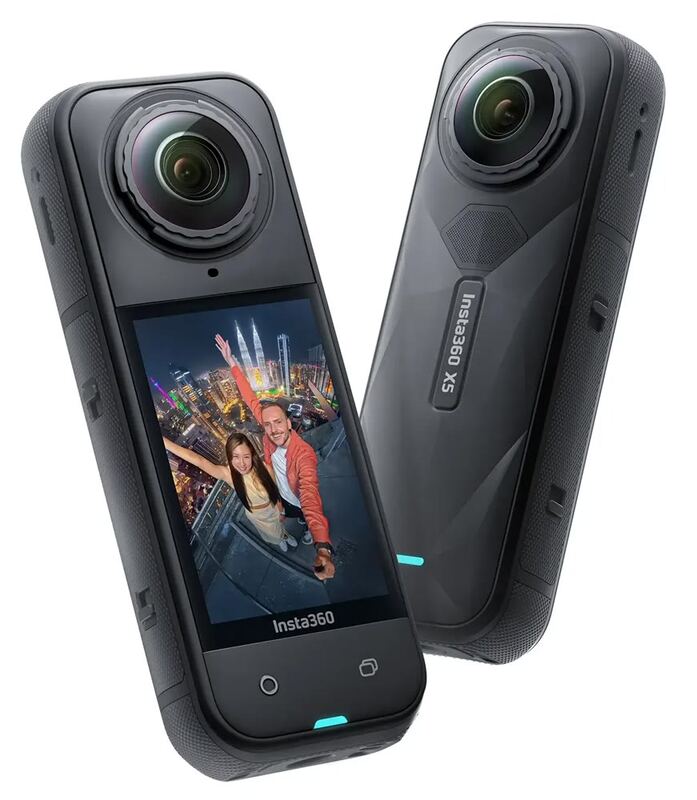
The Insta360 X4 was the best 360 camera of its generation and remains a superb value now that the X5 sits above it. It shoots 8K/30p that reframes to 2.7K, adds a genuinely useful single-lens 4K/60p mode, and pairs excellent stabilization with strong battery life. Against the X5, its one real limitation is weaker low-light performance from the smaller sensors.
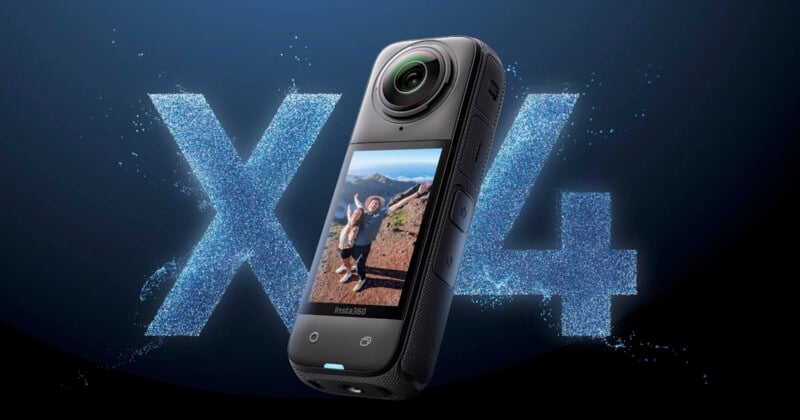
Full review
Once called the best 360 camera you can buy
Before the X5 arrived, the Insta360 X4 was the undisputed best 360 camera on the market, and it remains hugely capable today. TechRadar, which gave it five stars, wrote that it could not think of a more capable handheld 360-degree camera, citing 8K video, great slow-motion, a useful 4K single-lens mode, excellent build quality, and effective stabilization. Tom's Guide, also at five stars, flatly called it the best 360 camera you can buy at the time, praising its very impressive battery life and great stabilization.
The X4's core appeal is the same as the X5's: shoot everything in 360, then reframe the most interesting moments into flat clips afterward, with the invisible selfie stick delivering those signature third-person drone-like shots. Trusted Reviews, awarding 4.5 stars, summed up the practical experience by calling it small, lightweight, well-built and delightfully fuss-free to use, and a camera that sets the action camera benchmark for 360 video.
A single-lens 4K/60p mode for standalone use
The X4 captures 8K/30p 360 footage that reframes to a sharp 2.7K flat output, the resolution that made it a genuine leap over the 5.7K X3 it replaced. That extra resolution means reframed clips hold up well on big screens, and the FlowState stabilization with 360 horizon lock keeps footage glassy during running, biking, and vehicle mounts. A standout addition is the single-lens 4K/60p mode, which lets the X4 double as a competent standalone action camera when you do not need the full sphere.
Where the X4 shows its age relative to the X5 is in low light. Its sensors are smaller than the X5's 1/1.28-inch units, so dim scenes are noisier and less detailed, which is precisely the gap the X5 was designed to close. In good light, though, the X4's image quality is still excellent, and for the money it captures a remarkable amount of detail and dynamic range.
Waterproof to 10 meters, between its rivals
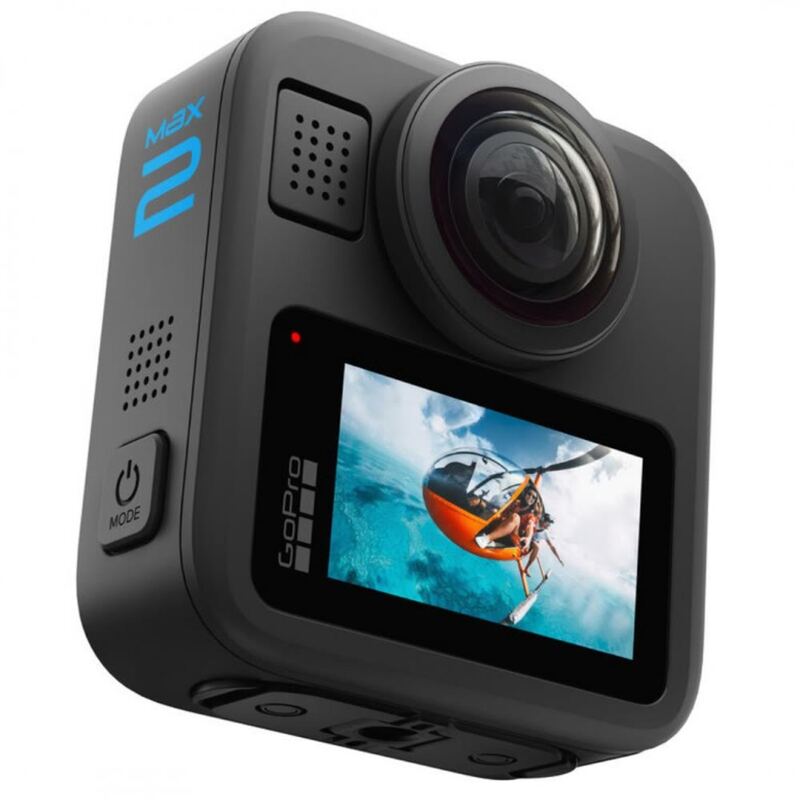
The X4 is well-made and tough, with a waterproof rating of 10m without a housing that sits between the GoPro Max 2's 5m and the X5's 15m. Reviewers consistently praised its build quality, and the body follows the proven X-series candy-bar layout with a responsive touchscreen and a removable, long-life battery that delivers the very impressive endurance Tom's Guide highlighted. It is light enough to carry all day and rugged enough for genuine action use.
Insta360 includes replaceable lens guards to protect the exposed optics, a sensible touch given how vulnerable 360 lenses are to scratches, though the X5 later improved this into a full replaceable-lens system. The mounting threads and accessory compatibility tie into Insta360's broad ecosystem of selfie sticks, mounts, and dive cases. Overall the X4 feels like a thoroughly mature, well-sorted product, which is exactly what you would expect from a camera that held the category crown.
Noisier than the X5 once light fades
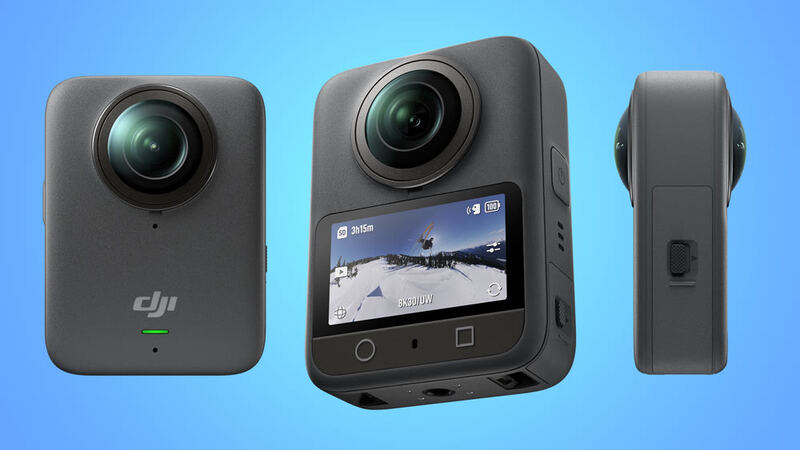
The X4's clearest limitation is the one the X5 directly addresses: low-light image quality. With smaller sensors than its successor, the X4 produces noisier footage in dim conditions, so night, indoor, and dusk shooting is where it falls behind the newer flagship and the large-sensor DJI Osmo 360. If most of your shooting happens after dark, the extra spend on an X5 or Osmo 360 is justified.
Beyond that, the X4 inherits the universal 360 caveats. The 8K capture is demanding to edit, so an underpowered phone or laptop will struggle with reframing, and the stitch line still appears when a subject gets too close to the body. It has also been formally superseded as the flagship, so it no longer gets the newest sensor tech or the latest hardware refinements. These are the trade-offs that come with buying the previous generation at a discount.
A generation behind the X5's sensors
The X4 sits one rung below the Insta360 X5 in capability and price, and the comparison between them is essentially generational: the X5 has bigger sensors for better low light, tougher waterproofing, and a true replaceable-lens system, while the X4 delivers most of the same 8K experience for noticeably less money. Against the GoPro Max 2 and DJI Osmo 360, the X4 is the budget option that gives up some image quality and the newest features but undercuts both on price.
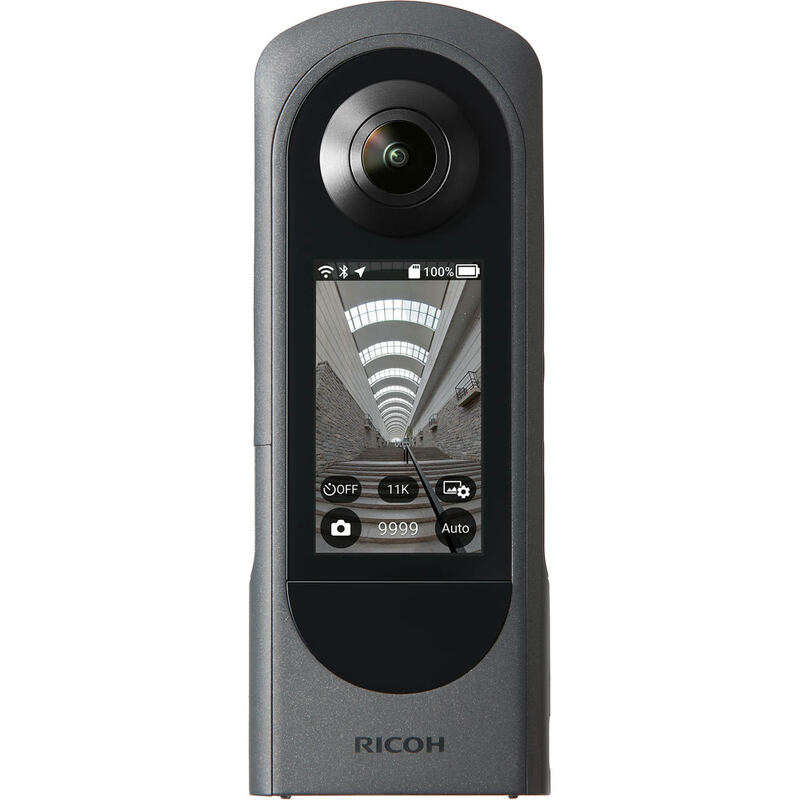
Compared with the Ricoh Theta X, the X4 is the action-and-video specialist while the Theta is the photo-and-virtual-tour tool, so they rarely cross-shop directly. The X4's place in this list is as the value champion: a former flagship that still does almost everything well, making it the smart pick for anyone who wants flagship-tier 360 video without paying flagship prices.
Flagship 8K capture for less money
The X4 is the right call for budget-minded creators who want genuine 8K 360 capture, excellent stabilization, and Insta360's mature app and ecosystem without stretching to the X5. If you shoot mostly in good light and care more about value than the absolute best low-light performance, the X4 delivers a flagship experience for less and remains a thoroughly capable, fuss-free camera.
It is the weaker choice if low-light shooting is central to your work, where the X5 and DJI Osmo 360 pull clearly ahead, or if you want the very latest hardware. But as a discounted former champion that still sets the 360 action-camera benchmark in good conditions, the Insta360 X4 is one of the best-value cameras in this entire category.
The same reframing workflow as the X5, for less
Now that the X5 sits above it, the X4 has become one of the best-value 360 cameras on the market. It delivers genuine 8K capture, a useful single-lens 4K/60p mode, excellent FlowState stabilization, and Insta360's mature app and accessory ecosystem for noticeably less than the current flagship. For a buyer who shoots mostly in good light and does not need the X5's larger low-light sensors, the X4 captures the vast majority of the same experience at a discount.
The value calculation hinges on the price gap to the X5: when the X4 is meaningfully cheaper, it is the smart-money choice, while a small gap makes the newer sensors worth the stretch. It also undercuts the GoPro Max 2 and DJI Osmo 360, making it the budget 8K pick of this list. With the same invisible-selfie-stick magic and reframing workflow as its successor, the X4 remains a thoroughly capable camera that simply costs less, which is exactly what makes it such a strong value play.
Strengths
- +8K/30p 360 capture that reframes to a sharp 2.7K flat output
- +Excellent FlowState stabilization with 360 horizon lock for smooth action footage
- +Useful single-lens 4K/60p mode that competes with standalone action cameras
- +Very impressive battery life and a tough, well-made body
- +Mature Insta360 app with the invisible selfie stick and deep editing effects
Watch-outs
- −Smaller sensors than the X5 mean weaker low-light performance
- −8K editing is demanding on phones and laptops
- −Superseded as the flagship by the X5
- −Stitch line shows on close subjects, as with all 360 cameras
How it compares
The previous-generation flagship below the Insta360 X5, which it trails mainly in low-light image quality due to smaller sensors. Cheaper than the X5 and DJI Osmo 360, making it the value 8K pick, and far more action-capable than the photo-focused Ricoh Theta X.
Rating sources
“We can't think of a more capable handheld 360-degree camera than the Insta360 X4. It packs 8K video, great slow-motion video, a useful 4K single lens mode, excellent build quality, 360-degree horizon lock, effective image stabilization.”
“The Insta360 X4 is the best 360 camera you can buy... It features very impressive battery life and great stabilization, and the companion Insta360 app offers loads of awesome effects.”
“A GoPro Hero still makes more sense for single-lens recording, but for 360 video the Insta360 X4 sets the action camera benchmark. Small, lightweight, well-built and delightfully fuss-free to use.”
Our 4.8 score is the average of these published ratings. More about methodology.