The Fujifilm Instax Wide 400 is a basic, low-cost camera and the only current option for anyone shooting Instax Wide film. Controls take a step back from the 300, though the selfie timer picks up more range. Reviewers call the design bulky and awkward and point out there's no autofocus assistance, but they praise the image quality coming out of the 2:3 format. Simple operation and a low price make it a fit for casual users; anyone wanting advanced features or a camera that travels light should skip it.
Full review
1.4 pounds with a 5-minute auto-shutdown
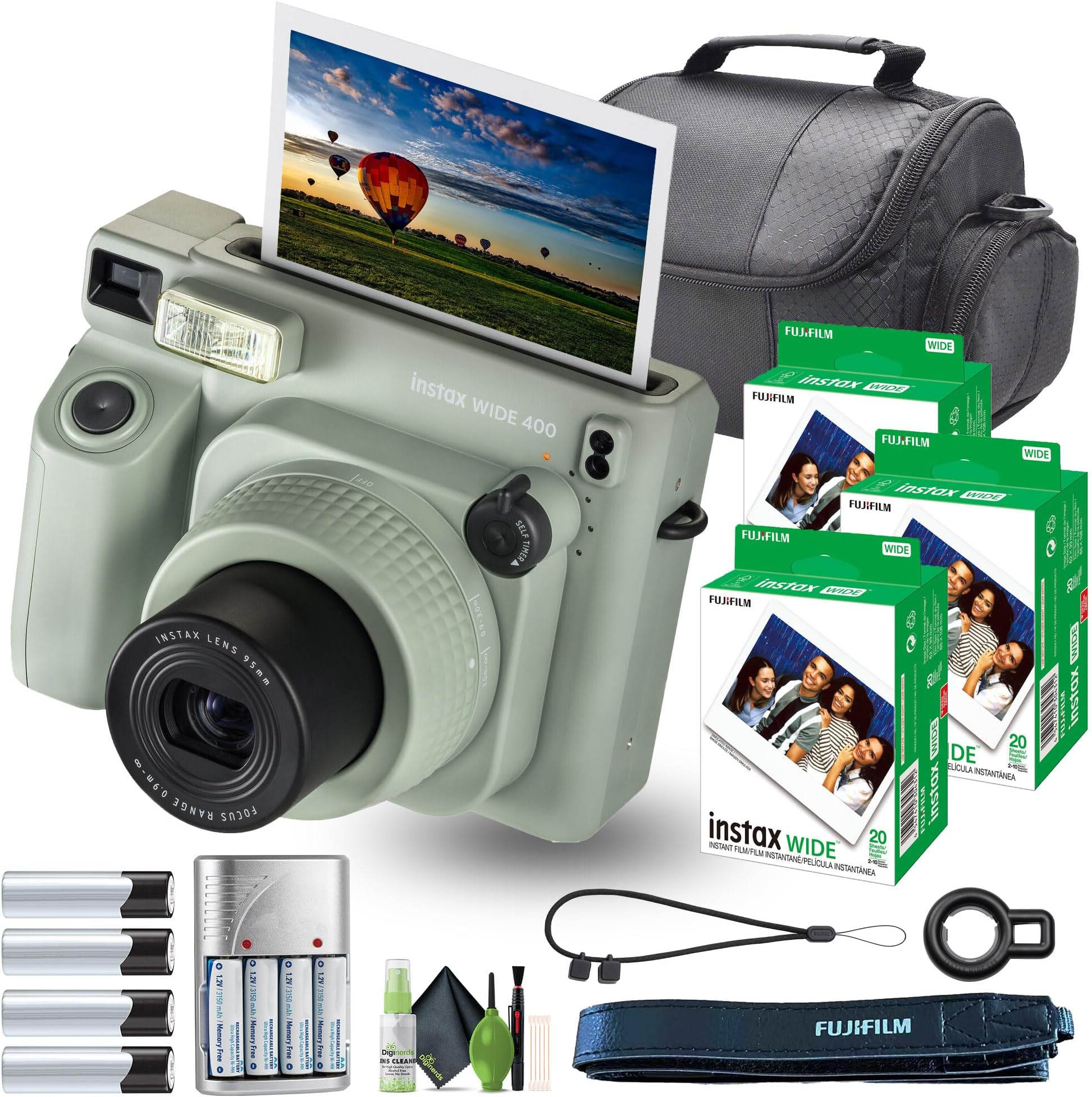
The Fujifilm Instax Wide 400 represents a continuation of the bulky, chunky design philosophy that defines the Instax Wide format, but with a notable aesthetic refinement. Unlike its predecessor, the Wide 300, which was widely criticized for its unattractive two-tone finish and awkwardly protruding components, the 400 adopts a more streamlined look reminiscent of the unicolor Instax SQ1. The camera's green color, described by Dan Finnen as 'fun mint' and by PCMag as 'Sage Green,' is a departure from the varied finishes of previous models, though it maintains the same overall dimensions and weight. Measuring 4.8 by 6.4 by 3.9 inches (HWD) and weighing 1.4 pounds, the Wide 400 is significantly larger than its Mini and Square counterparts, necessitated by the size of the Wide film format. The build quality uses a combination of plastics similar to the Instax Mini 12 and SQ1, which are described as 'cheap but serviceable' by Finnen, though he notes concern about the rubbery plastic on the lens barrel's long-term durability. According to PCMag, the camera's handgrip houses four AA batteries, a standard feature for instant cameras, and includes a helpful five-minute auto-shutdown function to prevent accidental battery drain.
The camera's ergonomics are a mixed bag, with reviewer Chris Gampat from The Phoblographer noting that it's 'big and it has to be' and that 'there isn't much to the Fujifilm Instax Wide 400.' The optical viewfinder has been relocated from the right side to the left side of the lens barrel, a change that Finnen finds marginally better but still uncomfortable. The lens barrel, which serves as the power switch and focus selector, sticks out considerably, making the camera awkward to hold and transport. The metal latch for the film compartment, while functional, is described as a 'bizarre design quirk' by Finnen, who questions why metal was used for the latch when plastic would have been cheaper and more practical for the strap holders. The camera's design is criticized for being 'awkward' and 'weird' by Finnen, though it's acknowledged that its size and appearance may be intentional for the camera's intended audience of casual users who want to create fun, attention-grabbing instant photos.
Controls and Operation
The Instax Wide 400 is a fully automatic camera with minimal user controls, marking a significant step backward from the Wide 300, which offered exposure compensation and flash mode selection. As noted by PCMag's Jim Fisher, the Wide 400 omits manual exposure control and other creative features, limiting its appeal for enthusiasts. The camera operates on a simple twist-and-shoot mechanism: turning the lens barrel powers the camera and selects between two focus zones, with the focus marks only in meters, a detail that Finnen finds problematic for imperial users. The lack of flash-mode and exposure compensation controls means users must rely entirely on the camera's automatic system, which can lead to overexposed images in bright conditions, as noted by Cameralabs' Gordon Laing. The only new feature added is a self-timer dial, which allows for a 10-second delay, and a pair of cubes that push under the camera to point it upward, a feature intended for selfie photography. However, this functionality requires users to remember to clip on an accessory, which can be easily lost, according to Laing.
The camera's operation is straightforward but limited. Finnen describes it as a 'simple camera and a complicated review,' noting that while the lack of controls is intentional for casual users, it makes the camera unsuitable for photographers seeking creative control. The Wide 400's controls are described as 'almost complete' removal of all but the most basic functions, including no flash on/off or exposure compensation, which is a significant regression from the Wide 300. The camera's manual focus system, while functional, requires users to guess the distance to their subject, with no visual aids or indicators to assist in focusing. This manual focus system is described as more problematic with the larger Wide format compared to the smaller Mini and Square formats, where the manual focus is less critical. The camera's simplicity is both its strength and weakness, as it appeals to users who want a no-fuss experience but lacks the flexibility for more advanced users.
Image Quality and Performance
The image quality produced by the Fujifilm Instax Wide 400 is consistent with the characteristics of the Wide film format, which produces prints measuring 98x62mm on paper that's 108x85mm, per Cameralabs. The prints are described as having a '90s look' by Gampat, with hard, direct flash and a softer plastic lens, reminiscent of disposable camera prints from that era. The camera's automatic exposure system, while convenient, can result in overexposure in bright conditions, as noted by Laing, who mentions that the camera can become 'overexposed in sunny conditions, even in England.' The prints are described as 'nice-looking' by Laing, though they lack the creative control that enthusiasts might desire. The camera's performance is also affected by its lack of manual controls, which can lead to inconsistent results, particularly in challenging lighting conditions. The Wide 400's automatic system, while simple, can produce images that are well-exposed in moderate lighting but may struggle in extreme conditions.
Despite its limitations, the Wide 400 is praised for its ability to produce large, head-turning instant photos, as noted by PCMag's Jim Fisher, who describes the camera as producing 'big, glossy prints.' The camera's performance is also compared to other wide-format cameras, such as the Lomo'Instant Wide and the Mint InstaKon RF70, which are significantly more expensive. The Wide 400's image quality is described as 'largest print size among current instants' by PCMag, though it lacks the creative flexibility of higher-end models. The Phoblographer sums up the appeal as 'those big 3x4 prints from the 90s being done in an instant.' The camera's automatic exposure system, while convenient, can result in overexposed images in bright conditions, which is a common issue with analog instant cameras. The Wide 400's simplicity and ease of use are balanced by its lack of creative control, which may disappoint users seeking more advanced features.
User Experience and Target Audience
The Fujifilm Instax Wide 400 is designed for casual users who want a fun, no-fuss experience, with its lack of controls and automatic system tailored for those who simply want to take pictures of friends and family. Finnen notes that the camera seems 'geared towards people who want a casual fun camera for some reason,' and that it's 'far too ugly and huge to really appeal to that group.' The camera's intended audience is described as those who want to take pictures of themselves and friends, with the selfie timer functionality and the ability to prop the camera up on a table being key features. However, the camera's large size and awkward design make it less appealing for casual use, as noted by Gampat, who describes it as 'big and it has to be' and 'awkward to hold and transport.' The camera's design is criticized for being 'unattractive by modern standards,' though it's noted to have a 'desaturated key lime pie' color that's neither flashy nor dull. The camera's target audience is clearly defined as casual users who prioritize ease of use over creative control.
The Wide 400 is positioned as a camera for those who love the idea of 'big 3x4 prints from the 90s being done in an instant,' according to Gampat, who suggests it's ideal for users who appreciate the romanticism of the moment rather than technical perfection. The camera's simplicity is praised by PCMag's Fisher, who notes that it's 'affordable' and 'easy to use,' though he also points out that it lacks manual exposure control and other creative features. The camera is described as a good fit for users who want 'the simplicity of a basic instax MINI camera and just wished it made larger prints.' The camera's lack of manual controls and creative features, however, make it unsuitable for enthusiasts who want to experiment with multiple exposures or off-camera flashes. The Wide 400 is also criticized for being 'too big and awkward' for casual use, as noted by Finnen, who suggests it's 'not really a camera for you but instead, its about all the smiles that youre going to put on faces.' The camera's design and functionality are clearly tailored for a specific niche, but it's not without its drawbacks.
No exposure compensation, unlike the older Wide 300
The Fujifilm Instax Wide 400 falls short in several key areas, most notably in its lack of manual controls and creative features. As noted by PCMag's Fisher and Cameralabs' Laing, the camera omits essential controls such as flash mode selection and exposure compensation, which limits its appeal for photographers seeking creative flexibility. The camera's automatic system, while convenient, can result in overexposed images in bright conditions, a common issue with analog instant cameras. Finnen specifically criticizes the camera for being 'a step back' in terms of controls, noting that it's 'designed to be the most basic of point-and-shoots' and lacks exposure compensation, which was present in the Wide 300. The camera's manual focus system, while functional, is described as problematic, especially for the larger Wide format, as it requires users to guess the distance to their subject without any visual aids. The lack of a mirror on the barrel, unlike the Instax Mini 11 and 12, is also noted as a missed opportunity for better usability.
Another significant shortcoming is the camera's design, which is criticized for being 'awkward' and 'weird' by Finnen, who notes that it's 'far too ugly and huge to really appeal to that group.' The camera's large size and bulky design make it less practical for casual use, and the metal latch for the film compartment is described as a 'bizarre design quirk' that makes no sense from a cost perspective. The camera's lack of a viewfinder correction system for closeups is also noted as a problem, with Finnen stating that the 'viewfinder also has some half-hearted attempts to correct for the viewfinder perspective, giving you a frame-within-the-frame for closeup shots. How close? Youll have to guess!' The camera's automatic system, while simple, is also criticized for being too basic, with no option for multiple exposures or bulb mode, which are features that enthusiasts would expect from a more advanced camera. Finnen sums it up as a camera with 'an almost complete lack of controls' that is 'even simpler than the already-pretty-dumb 300,' though he still reckons it 'ever-so-slightly edges out the 300.'
Built for big nostalgic prints, not creative control
The Fujifilm Instax Wide 400 is best suited for casual users who want a simple, no-fuss camera for taking pictures of friends and family, particularly those who appreciate the nostalgic '90s look of instant photography. It's ideal for users who want to capture large, head-turning prints without the complexity of manual controls or creative features. According to PCMag's Jim Fisher, the camera is 'affordable' and 'easy to use,' making it a good choice for those who simply want to take instant photos without worrying about exposure or flash settings. The camera's automatic system and lack of controls are designed for users who want a fun, attention-grabbing experience rather than technical perfection. Gampat notes that the camera is perfect for those who are 'in love with the idea of those big 3x4 prints from the 90s being done in an instant.' The Wide 400 is also recommended for users who want to create 'lots of smiles on the people around you,' as noted by Gampat, who emphasizes the camera's role in bringing joy to others rather than technical excellence.
However, the camera is not recommended for photographers or enthusiasts who want creative control over their images. The lack of manual exposure control, flash mode selection, and other advanced features makes it unsuitable for users who want to experiment with multiple exposures or off-camera flashes. The camera's automatic system, while convenient, can result in overexposed images in bright conditions, which may disappoint users seeking more precise control. Finnen notes that the Wide 400 is 'the only one Fuji sells that shoots Instax Wide' and that 'Instax Wide is the only Instax format with a large enough image area to compete with Polaroid for serious use,' but he also points out that the camera's lack of controls makes it 'not nearly as fun for taking to parties.' The Wide 400 is best for users who value simplicity and nostalgia over creative flexibility, and who are willing to accept the limitations of an automatic system in exchange for ease of use and large-format prints.
Cheaper than the $899 Mint InstaKon RF70
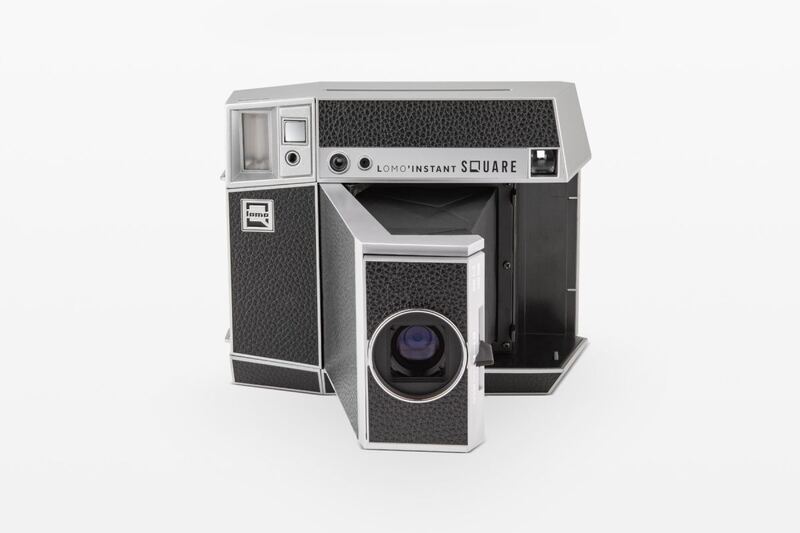
In comparison to other wide-format instant cameras, the Fujifilm Instax Wide 400 is positioned as a budget-friendly option, though it lacks the advanced features of more expensive alternatives like the Lomo'Instant Wide and the Mint InstaKon RF70. The Lomo'Instant Wide, priced at $199.99, is described by PCMag as a better choice for users who want manual exposure control, multiple exposures, or off-camera flash capabilities, despite its age. The Mint InstaKon RF70, priced at $899, is noted as the most advanced wide-format camera, offering features like manual exposure, multiple exposures, and a more sophisticated interface. The Wide 400's simplicity and affordability make it a good entry point for those new to instant photography, but it falls short in terms of creative flexibility compared to these alternatives. The Wide 400 is also compared to the Instax Wide 300, which it largely replaces, with Finnen noting that it's 'nearly the exact same camera as the 300,' though with 'some improvements' such as a lower price point and a more modern design. The Wide 400 is also contrasted with the Instax Mini and Square formats, which are described as 'too small to get good scans,' making the Wide format a better choice for serious use.
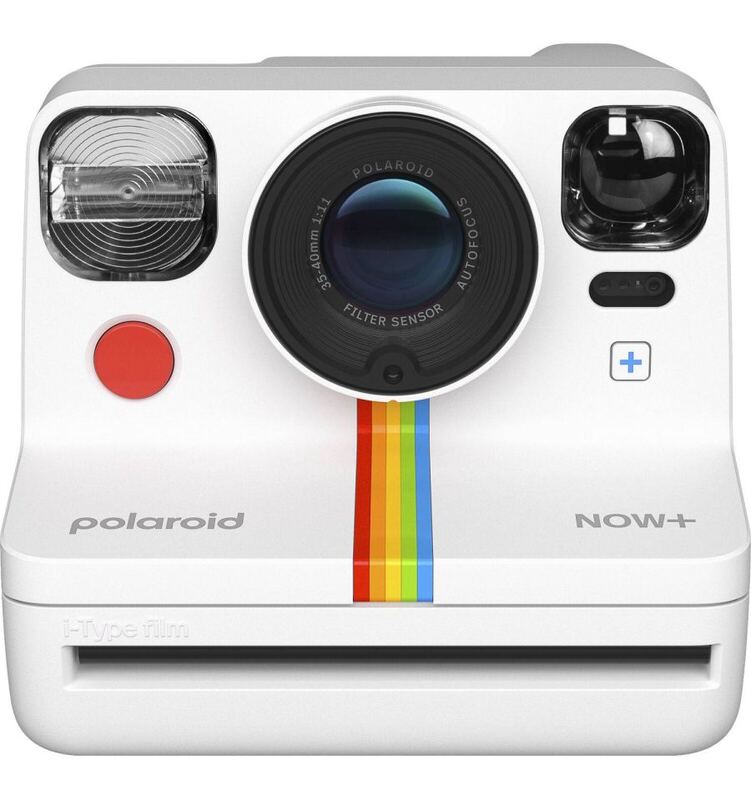
The Wide 400 is also compared to other instant cameras in terms of size and portability. While it's larger than the Instax Mini 99 and SQ1, which are described as 'much smaller' and 'feel much smaller' than the Wide 400, it's still significantly larger than the Polaroid Now+, which is noted as 'feels much smaller than the Wide 400 thanks to its squatter silhouette.' The Wide 400's size and bulk are necessary to accommodate the larger Wide film format, but they also make it less practical for casual use. The camera's design and functionality are compared to the Lomo'Instant Wide and Mint InstaKon RF70, which are significantly more expensive but offer more creative control and advanced features. The Wide 400 is positioned as a budget-friendly option for casual users who want large-format prints without the complexity of advanced features, but it lacks the sophistication of its more expensive counterparts.
149.95 dollars for large-format simplicity
At a price point of $149.95, the Fujifilm Instax Wide 400 offers a reasonable value proposition for casual users who want a simple, no-fuss camera for taking large-format instant photos. PCMag's Jim Fisher notes that the camera is 'affordable' and 'easy to use,' making it a good choice for those who don't want to invest in more advanced features. The camera's simplicity and ease of use are balanced by its lack of creative control, which may disappoint enthusiasts. The Wide 400 is described as 'the least worst of the bunch' by Finnen, who notes that its price of $150 USD in 2024 is low enough that users can 'overlook many of its flaws in a vacuum.' The camera's price point is also compared to the Instax Wide 300, which was a more expensive model, and the Wide 400 is seen as a more affordable upgrade. The camera's value is also tied to its ability to produce large-format prints, which are described as 'head-turning' by PCMag. The Wide 400's price is justified by its ability to deliver on the promise of large-format instant photography, though it lacks the creative flexibility that more advanced users might expect.
However, the camera's value is also limited by its lack of features and controls, which may make it less appealing to users who want more creative flexibility. The Wide 400 is positioned as a budget-friendly option, but its simplicity and lack of advanced features make it less competitive with more expensive alternatives like the Lomo'Instant Wide and the Mint InstaKon RF70. The camera's value is also affected by its design, which is criticized for being 'awkward' and 'weird,' making it less practical for casual use. Despite these drawbacks, the Wide 400 is seen as a good option for users who want a simple, no-fuss camera for taking large-format instant photos, particularly those who appreciate the nostalgic '90s look of instant photography. The camera's value is ultimately determined by its ability to deliver on its core promise: large, attractive instant photos without the complexity of manual controls.
Strengths
- +Simple point-and-shoot design suitable for casual users
- +Includes expanded selfie timer functionality with flick-to-trigger and foot timer
- +Beautiful 2:3 aspect ratio image quality from the Instax Wide format
- +Affordable price point at $150 USD as of 2024
Watch-outs
- −Lacks controls like flash on/off and exposure compensation, per Dan Finnen
- −Manual focus with no indicators or sensors to assist
- −Bulk and awkward build that is difficult to hold and transport, per Dan Finnen
How it compares
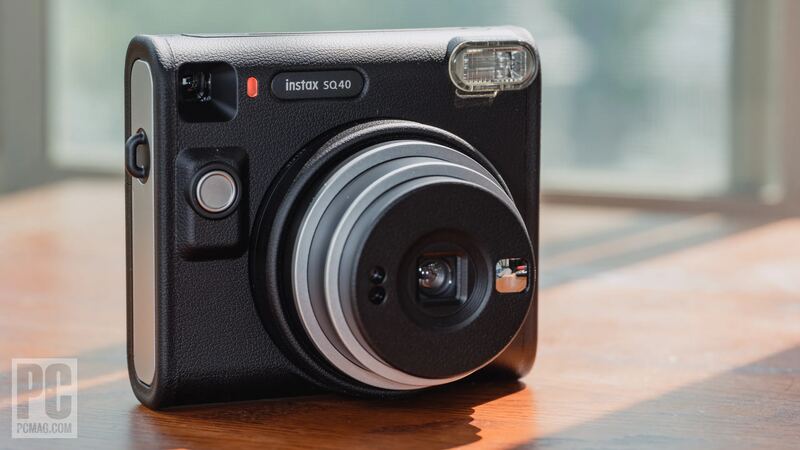
The Fujifilm Instax Wide 400's affordable price point and 2:3 aspect ratio make it a budget-friendly alternative to the Polaroid I-2's advanced features and the Lomo Instant Square's creative modes. Unlike the Fujifilm Instax Square SQ40, it doesn't produce square prints but offers a more basic, low-cost option. Compared to the Polaroid Snap 2, it lacks digital capture but provides a more traditional instant camera experience.
Rating sources
“The Instax Wide 400 is an important camera because its the only one Fuji sells that shoots Instax Wide. And Instax Wide is the only Instax format with a large enough image area to compete with Polaroid for serious use.”
“in most situations, the WIDE 400 produced nice-looking prints, although like most analogue instax models, it can become overexposed in sunny conditions”
Our 3.3 score is the average of these published ratings. Ratings marked * were derived from the reviewer’s written analysis or video transcript — the publisher didn’t print an explicit numeric score, so we inferred one from their own words. Click through to verify. More about methodology.