Outdoor Gear Lab found that the Jackery SolarSaga 100 generates energy significantly faster than competing panels in both direct and indirect sunlight, maintaining stable output even under cloudy conditions. The unit folds to a compact 1.4-inch thickness with an integrated handle for easy transport, though it lacks waterproofing and requires protection from rain. While built-in USB ports offer convenient charging for small electronics, the absence of a dedicated cable pouch can lead to disorganization during storage. This panel is ideal for car campers and remote workers who prioritize rapid power replenishment, but its 7.9-pound weight makes it unsuitable for lightweight backpacking.
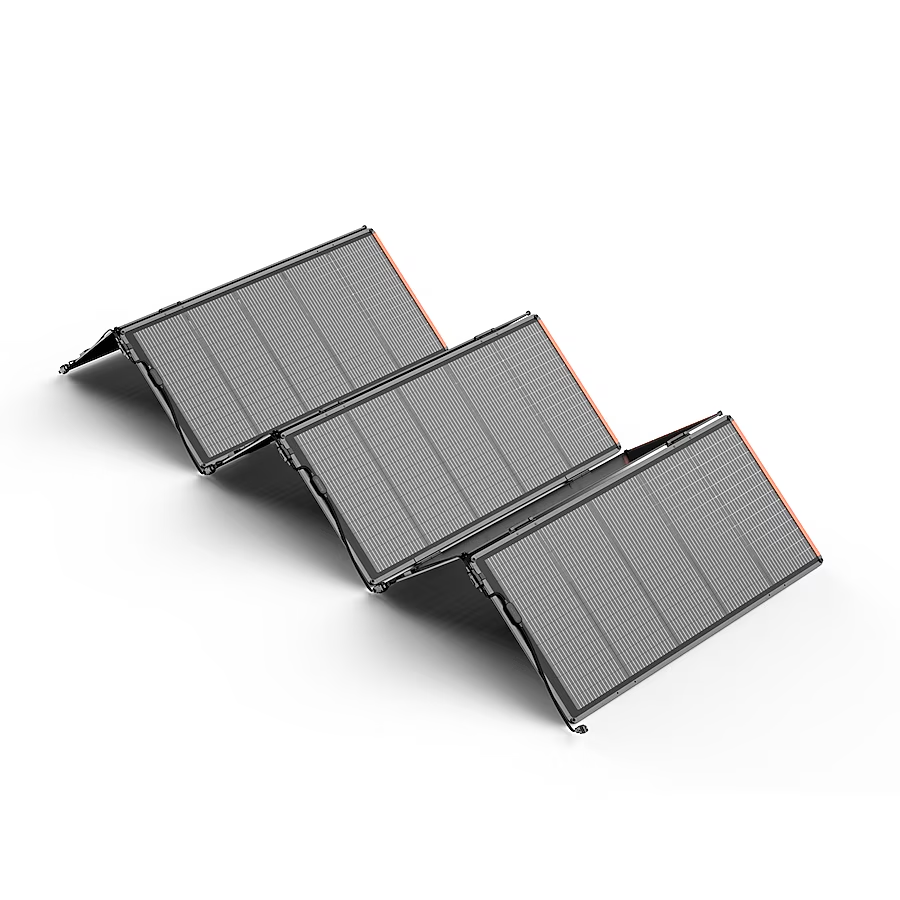
Full review
Direct sunlight charging efficiency
Outdoor Gear Lab measured the Jackery SolarSaga 100 generating an impressive 57.4 watt-hours of energy in a single hour during direct solar testing at 5,000 feet elevation in Colorado. This output was recorded as over 40 percent faster than several competing 100-watt panels evaluated simultaneously under identical environmental conditions. The panel maintained a consistent average peak output of 50.7 watts even as the sun angle shifted throughout the day, demonstrating high stability compared to other monocrystalline silicon models in its class.
The efficiency of these solar cells allows users to capitalize on brief windows of clear weather between cloud cover without losing significant charge momentum. Outdoor Gear Lab noted that this rapid charging capability provides substantial freedom for campers who spend daylight hours away from their power stations, ensuring the battery replenishes quickly once returned to camp. The consistent watt output reduces the anxiety associated with variable solar conditions.
Performance under indirect and cloudy skies
Outdoor Gear Lab simulated thick cloud cover by placing a white sheet over the panel during testing, recording an energy generation of 17.4 watt-hours in one hour at high altitude. This performance significantly outpaced most other panels tested, proving that the SolarSaga maintains utility even when direct sunlight is unavailable. The monocrystalline cells demonstrated superior efficiency in low-light scenarios compared to standard alternatives.
Even deeper shade conditions yielded measurable results, with the panel pumping out 13.3 watts while partially shaded. Only a single other panel managed to beat this specific output metric during indirect charging evaluations. This capability makes the SolarSaga an excellent option for campers frequently visiting regions that are not consistently sunny, as it continues to generate usable power when standard panels might stall or produce negligible output.
Physical dimensions and portability
An integrated handle provides a comfortable grip for carrying the unit across campgrounds or from a parking area to a tent site. Hagensieker noted that the handhold inspires confidence due to its ergonomic design and sturdy construction.
Folded together by strong embedded magnets, the panel occupies minimal space compared to rigid alternatives. Shutter Muse highlighted that the rounded corners and soft covering allow it to be shoved into small spaces among duffel bags without damaging other gear or itself. This compact form factor is particularly valuable for vehicle-based camping where interior storage space is at a premium.
Setup mechanics and physical handling
Setting up the SolarSaga involves simply unfolding the two halves and deploying fold-out kickstands on the rear. Hagensieker described the process as taking only seconds, requiring no tools or complex assembly. The low-profile design sits at a slight angle when deployed, optimizing sun exposure without needing external stands or ropes.
Shutter Muse pointed out that while the setup is straightforward, the included power cable is approximately six feet long. This length can sometimes be insufficient if the battery station must remain inside a vehicle for shade while the panel stays in direct sunlight. Users may need to purchase third-party extension cables with 8mm connectors to achieve optimal positioning flexibility.
Water resistance and weather exposure
A critical limitation of this unit is that it is not waterproof. Shutter Muse emphasized that Jackery explicitly states the panel should not be exposed to heavy rain or submersion, advising users to clean it only with a damp cloth rather than hosing it down. Hagensieker found it unusual for an outdoor solar device to lack water resistance, noting that moisture can reduce efficiency and potentially damage internal components if left in wet conditions.
Direct USB charging capabilities
The rear zippered pocket houses a small hub featuring both a USB-C port delivering 5V at 3A and a standard USB-A port providing 5V at 2.4A. Hagensieker praised this inclusion as highly practical for directly charging phones, cameras, or small battery packs without needing to connect the main power station first.
An LED indicator lights up between the ports when sufficient sunlight is available to generate power. This feature allows users to quickly verify that the panel is active and producing electricity for smaller devices. Shutter Muse confirmed that this regulated circuit works effectively for keeping essential electronics topped off during photography trips or short camping excursions.
Storage organization and cable management
Outdoor Gear Lab identified a lack of dedicated pouches for storing cables as a notable drawback. While the rear pocket holds the main power output cable, users reported that additional accessories or smaller charging wires can become disorganized inside the folded unit.
Hagensieker mentioned that the Anderson connector storage compartment is functional but leaves other small items without a secure place. This absence of comprehensive organization means campers must bring separate bags for their wiring, which adds minor bulk to an otherwise streamlined package.
Suitability for remote work and car camping
10Adventures tested the SolarSaga paired with a Jackery Explorer 500 power station during four days of car camping, reporting that the combination allowed them to keep two laptops, three iPads, and multiple phones charged continuously. The stable power supply enabled their family to log into school accounts and work remotely while surrounded by nature, effectively blending outdoor recreation with professional obligations.
Limitations for backpacking and heavy loads
The 7.9-pound weight of the panel makes it impractical for traditional backcountry backpacking where every ounce matters. 10Adventures noted that adding this weight to a hiking pack is not ideal for deep wilderness trips, suggesting the unit is better suited for car camping, RV travel, or base camp scenarios.
Strengths
- +Charges devices faster than most other panels in both direct and indirect sunlight conditions
- +Folds to a compact size of just 1.4 inches thick for easy storage in vehicles or gear bags
- +Includes built-in USB-A and USB-C ports for directly charging small electronics like phones and cameras
- +Features an integrated handle and lightweight design that makes it easy to carry around camp
Watch-outs
- −Not waterproof, requiring users to protect the panel from rain and moisture exposure
- −Does not fold down as small as some competing panels, taking up more storage space when packed
- −Lacks a dedicated pouch for storing cables, which can lead to disorganization
How it compares
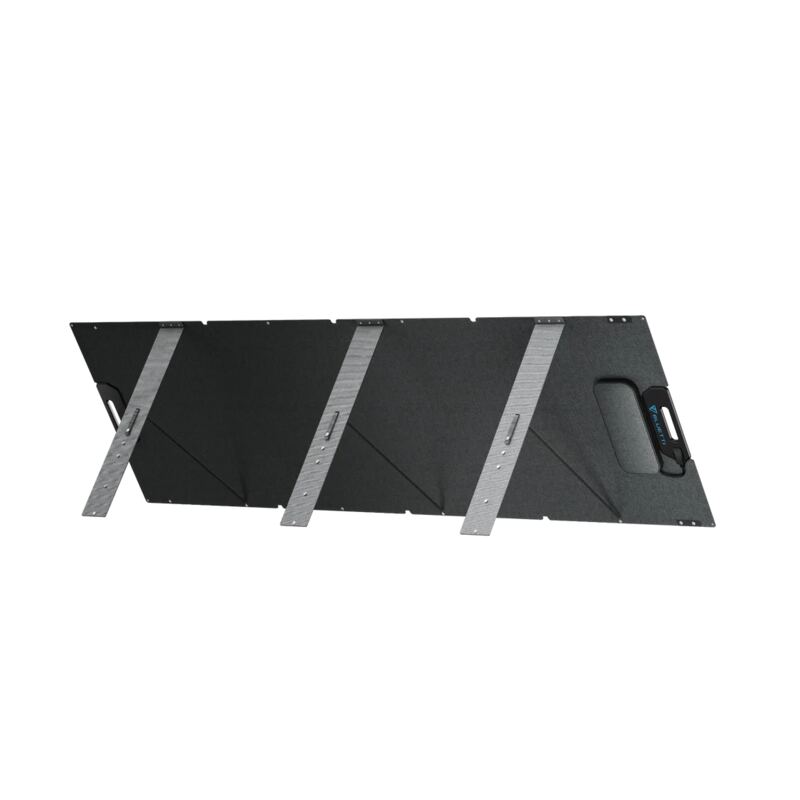
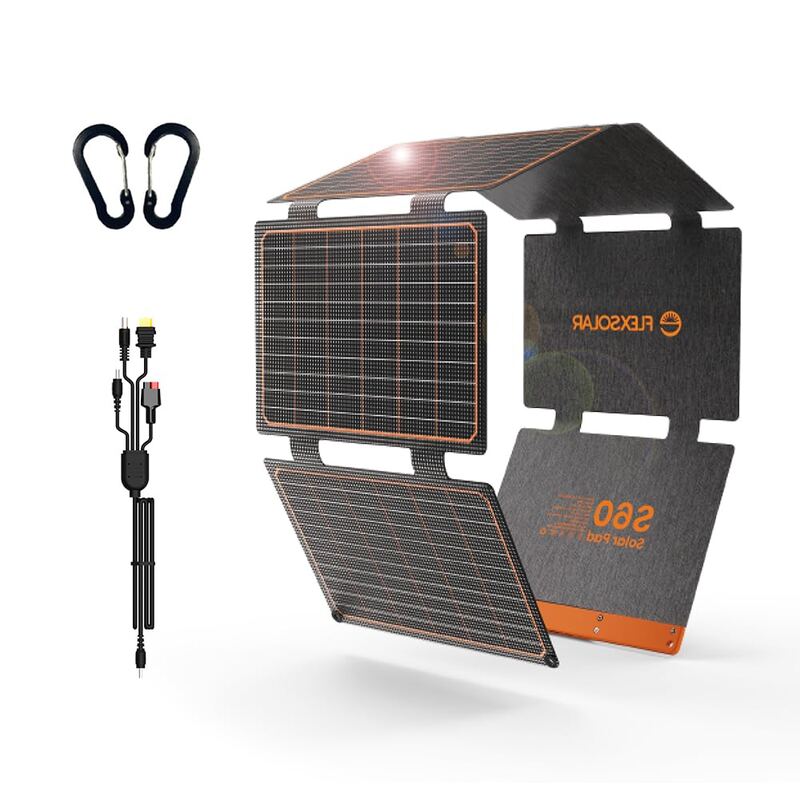
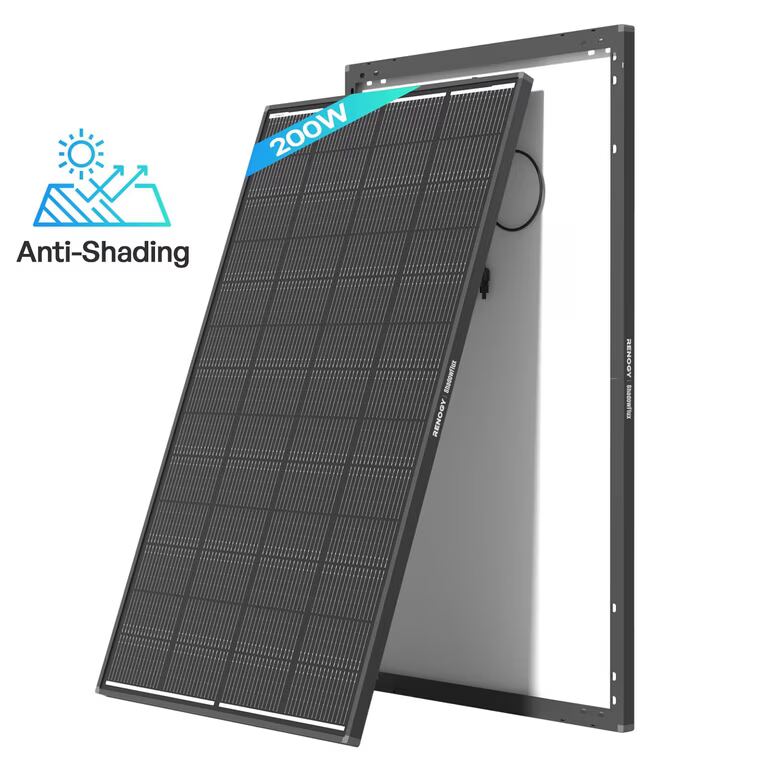
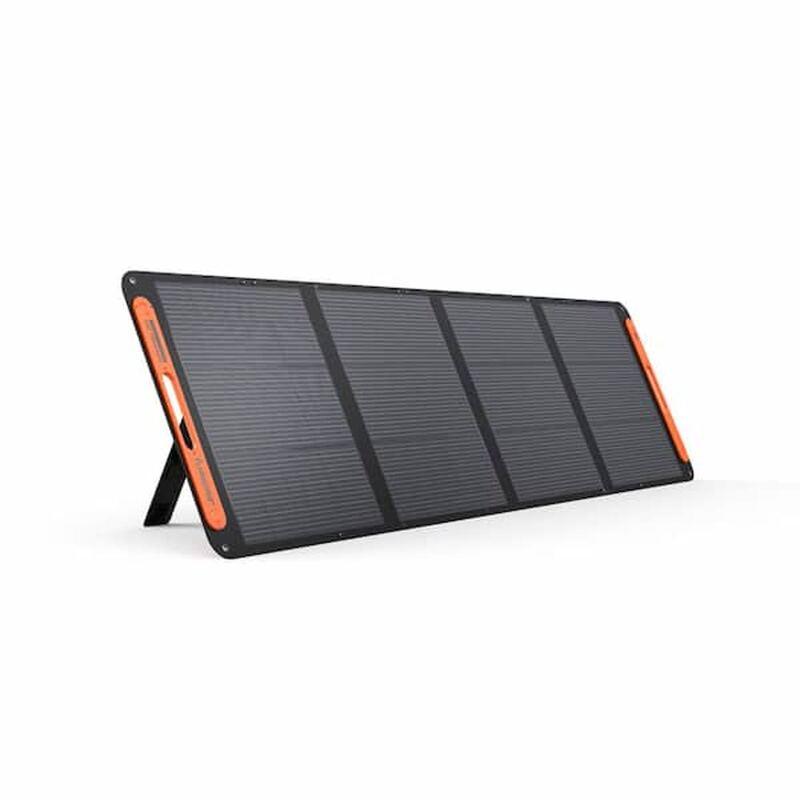
The Jackery SolarSaga 100W are not waterproof, unlike the IP65-rated Bluetti PV350 and FlexSolar 60W, limiting their use in wet conditions. They also lack the high wattage of the Renogy 200W or Jackery SolarSaga 200.
Rating sources
“The Jackery SolarSaga 100 is an inexpensive, highly functional, and very portable 100-watt solar panel that's perfect for your solar camping setup.”
“We think this technology is an absolute game-changer for fusing car camping with remote work.”
Our 4.5 score is the average of the 2 scored reviews above; 2 more reviewed it without printing a score and are not in the average. Ratings marked * were derived from the reviewer’s written analysis or video transcript — the publisher didn’t print an explicit numeric score, so we inferred one from their own words. Click through to verify. More about methodology.