Verdict
Ranked #5 of 5Reviewed by Mike Hunter·May 24, 2026

Kershaw Leek 1660

Averaged from 3 derived from review text
The verdict

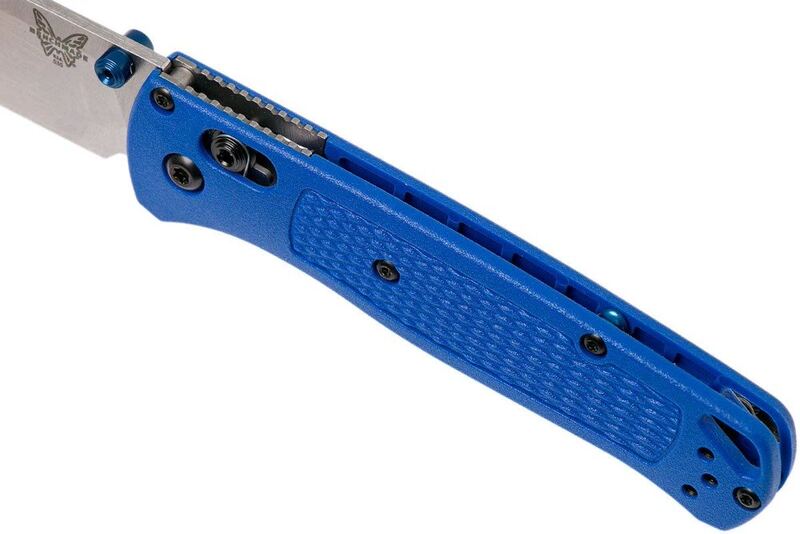
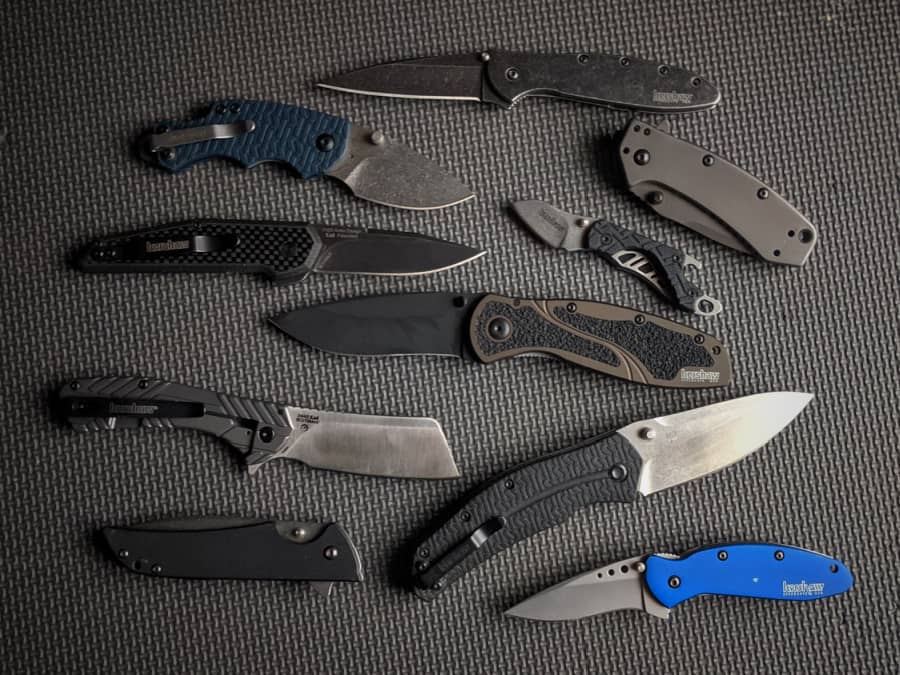
The Kershaw Leek 1660 is a Ken Onion design that has sold in huge numbers for two decades, and it still defines the slim, dressy assisted-flipper category. Its 3-inch Sandvik 14C28N blade rides Kershaw's SpeedSafe assist in a 4-inch closed, 3 oz package that disappears into a pocket. KnifeInformer scored it 79% and CleverHiker rated it 4.9/5, both praising the slicing geometry and value while flagging the one universal weakness: a needle tip fragile enough that owners report snapping it. It is the most elegant and affordable knife here, ideal for light office and EDC tasks, but its delicate point keeps it out of hard-use territory.
Kershaw Leek 1660

Full review

Real-World Performance

The Leek has been one of the best-selling pocket knives in America for two decades, and the appeal is immediately obvious in the pocket. KnifeInformer, which scored it 79%, called the slim profile minimalist design at its best, and the 3-inch blade in a 4-inch closed handle hits a sweet spot of size that few knives match. CleverHiker rated it 4.9 out of 5 and said it will quickly become your favorite pocket knife thanks to its highly portable design and strong performance across testing metrics.

The Leek is fundamentally a slicer. The blade stock is very thin and the grind thins it further, so right out of the box it has a lot of bite and goes through cardboard and packaging with ease. For office tasks, opening mail, breaking down boxes and general light EDC, the Leek's geometry is hard to beat, and its understated stainless look makes it one of the few knives equally at home in a suit pocket. The whole package is remarkably compact: a 3-inch blade folds into a 4-inch closed length and just 3 oz, a footprint slim enough to vanish in a dress-slacks pocket. BetterPocketKnife, which rated it 4.5 out of 5, and BladeReviews both treat that slim, refined profile as the Leek's signature, the reason it has stayed relevant for two decades while flashier designs came and went.

SpeedSafe and the Frame Lock

The Leek's signature is Ken Onion's SpeedSafe assisted opening. KnifeInformer noted the assist makes the knife so easy to open that it might just come close to skirting the line between legal and illegal assisted mechanisms, and BladeReviews reported the knife opens with a satisfying snap, even after thousands of flips. A push on the thumb stud or a pull on the flipper tab, and the blade snaps open and locks.

Lockup comes from a frame lock that KnifeInformer found works perfectly, keeping the blade safely locked open while still allowing an easy one-handed close. The all-steel handle is what gives the Leek its slim, dressy character, though it is slipperier than a textured G-10 grip in wet conditions, a fair trade for the elegant profile.

Steel and Value

The current Leek uses Sandvik 14C28N, the same Swedish steel found in the CIVIVI Yonder. KnifeInformer placed it firmly in the upper mid-range category and called it a formidable price-to-performance ratio, which is the Leek's whole proposition: a refined, USA-made, assisted-opening folder for well under $80. The steel takes a keen edge and resists corrosion, ideal for the light cutting the Leek is built for.

Value is a recurring theme in Leek reviews. For the money, you get an iconic design, a satisfying assisted action and a slim carry, all backed by Kershaw's domestic manufacturing and warranty. It is consistently recommended as a first quality knife or a sharp-looking second knife for dressier occasions.

The current 14C28N blade is also a meaningful upgrade over the older Leek variants that shipped with softer steels, bringing the Leek's edge performance in line with modern budget folders like the Yonder. That keeps the Leek competitive on substance and not just nostalgia: it sharpens easily, resists corrosion in a pocket and takes a fine edge that suits the knife's precision-slicing role. For a design that has been in production for two decades, the combination of a refreshed steel, USA manufacturing and a sub-$80 price is a rare value that few competitors can claim.

Where It Falls Short

The Leek's defining weakness is its tip. The same needle point that makes it precise is notoriously fragile; KnifeInformer warned the tip can be incredibly fragile, snapping off with even moderate pressure, and BladeReviews acknowledged that while very precise, it is somewhat fragile. Owners report snapping the last millimeter of the blade doing things as mundane as tightening eyeglass screws. This is not a knife for prying, and side loads will break the point.

Beyond the tip, KnifeInformer noted the edge is prone to rolling, so the blade benefits from care during tougher cutting. The all-steel handle, while slim and attractive, offers less grip security than G-10 when wet. And in some jurisdictions the assisted opening sits close to the legal line, something buyers should check locally. None of these undermine the Leek's role as a light-duty slicer, but they firmly rule it out as a hard-use tool.

How It Compares to Alternatives

The Leek is the slimmest and dressiest knife in this group, and the only one with spring-assisted SpeedSafe deployment. Like the CIVIVI Yonder it runs budget-friendly 14C28N steel, trailing the Benchmade Bugout 535's CPM-S30V, the Knafs Lander 2's S35VN and the Spyderco Para Military 2's CPM-S45VN for edge retention. Its slim stainless handle is a different design philosophy entirely from the chunky, grippy G-10 of the Para Military 2.

Where the Leek loses ground is durability. Its needle tip is far more delicate than even the Para Military 2's already-thin point, making it the least suited knife here to anything beyond light cutting. Buyers who want a similarly priced but tougher everyday folder should look at the Yonder, which has a sturdier blade shape, while those wanting a dressy slim knife will find the Leek unmatched on style. It is best understood as a complement to the other knives here rather than a direct competitor: where the Bugout, Para Military 2, Lander 2 and Yonder are all do-everything folders in various weights, the Leek is a specialist in slim elegance and fast assisted deployment. Many enthusiasts own a Leek alongside a tougher knife precisely because it fills the dress-carry niche the others cannot, and at its price there is little reason not to add one to the rotation.

Long-Term Ownership and Value

Two decades of sales have proven the Leek's basic design is durable in the ways that matter for its role. The 410 stainless handle resists corrosion and dings, the frame lock holds up over thousands of cycles, and BetterPocketKnife confirmed the SpeedSafe assist stays crisp with use. The recurring durability caveat is always the tip; BetterPocketKnife noted the tip has very little steel and seems like it will be very fragile for anything other than light use, so owners learn to avoid prying with it.

On value, the Leek is one of the easiest recommendations in EDC. For well under $80 you get an iconic, USA-made, assisted-opening folder with a modern Sandvik steel and a slim profile that works in any setting. Kershaw backs it with a solid warranty, and the design's longevity means parts and support are easy to find. It is the kind of knife people buy as a first quality folder and keep for years, or pick up as a dressy companion to a bigger workhorse.

Who It's Best For

The Leek is for the buyer who wants a slim, elegant, satisfying-to-flip knife for light everyday tasks, especially in settings where a chunky tactical folder would look out of place. Office workers, frequent travelers and anyone who values a low-profile, dressy carry will love its thin handle and fast assisted action, all at a budget-friendly price.

Avoid it if you are hard on knives or need to pry, in which case the fragile tip will let you down and the Spyderco Para Military 2 is the better tool. Buyers who want a sturdier blade at a similar price should consider the CIVIVI Yonder, and those prioritizing edge retention should step up to the Benchmade Bugout 535. But for a slim, classic, assisted EDC, the Leek remains the standard.

Strengths

  • +SpeedSafe assisted opening flips the slim blade open fast and one-handed
  • +Sandvik 14C28N blade offers an excellent price-to-performance ratio
  • +Very thin slicing geometry bites into cardboard and packaging with ease
  • +Slim 0.31-inch stainless handle and 3 oz weight make it pocket-friendly and dressy
  • +Frame lock holds a rock-solid lockup and is hard to defeat once open

Watch-outs

  • The needle tip is notoriously fragile and can snap off under modest side load
  • Edge can roll, so the blade needs care during tougher cutting
  • All-steel handle is slipperier than G-10 in wet conditions
  • Assisted opening sits close to the legal line for some local knife laws

How it compares

The Kershaw Leek 1660 is the slimmest, dressiest knife in this group and the only one with spring-assisted SpeedSafe deployment. Like the CIVIVI Yonder it uses budget-friendly 14C28N steel, trailing the Benchmade Bugout 535's CPM-S30V and the Knafs Lander 2's S35VN. Its needle tip is far more delicate than the Spyderco Para Military 2's already-thin point, so it is the least suited here to anything beyond light cutting.

Who this is for

At a glance: office and light-EDC users who want a slim, elegant assisted flipper.

Why you’d buy the Kershaw Leek 1660

  • SpeedSafe assisted opening flips the slim blade open fast and one-handed.
  • Sandvik 14C28N blade offers an excellent price-to-performance ratio.
  • Very thin slicing geometry bites into cardboard and packaging with ease.

Why you’d skip it

  • The needle tip is notoriously fragile and can snap off under modest side load.
  • Edge can roll, so the blade needs care during tougher cutting.
  • All-steel handle is slipperier than G-10 in wet conditions.

Rating sources

Our 4.3 score is the average of these published ratings. Ratings marked * were derived from the reviewer’s written analysis or video transcript — the publisher didn’t print an explicit numeric score, so we inferred one from their own words. Click through to verify. More about methodology.
Frequently asked questions

Is the Kershaw Leek 1660 worth buying?
The Kershaw Leek 1660 is a Ken Onion design that has sold in huge numbers for two decades, and it still defines the slim, dressy assisted-flipper category. Its 3-inch Sandvik 14C28N blade rides Kershaw's SpeedSafe assist in a 4-inch closed, 3 oz package that disappears into a pocket. KnifeInformer scored it 79% and CleverHiker rated it 4.9/5, both praising the slicing geometry and value while flagging the one universal weakness: a needle tip fragile enough that owners report snapping it. It is the most elegant and affordable knife here, ideal for light office and EDC tasks, but its delicate point keeps it out of hard-use territory.
What is the Kershaw Leek 1660's biggest strength?
SpeedSafe assisted opening flips the slim blade open fast and one-handed
What is the main drawback of the Kershaw Leek 1660?
The needle tip is notoriously fragile and can snap off under modest side load
What sources back the 4.3/5 rating?
Our 4.3/5 rating is the average of scores from 3 independent edc pocket knives reviews — knifeinformer.com, betterpocketknife.com, and bladereviews.com. Click any source on the product page to read the original review.

How it compares

See all 5
Spyderco Para Military 2
#1 · Top Score

Spyderco Para Military 2

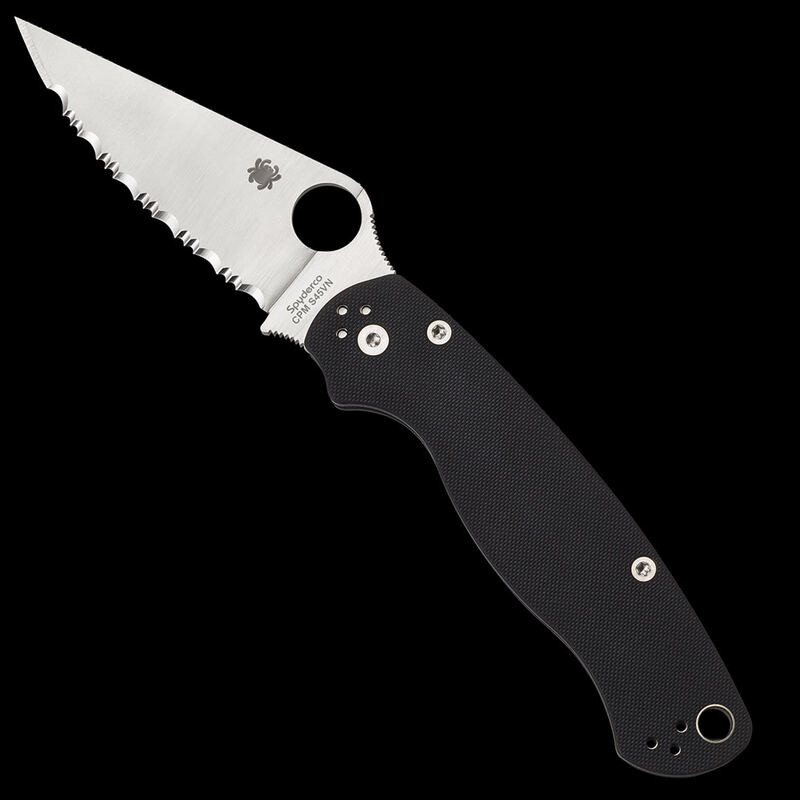
The Para Military 2 is the most capable hard-use folder in this group, with a rigid G-10 handle that outlasts the Benchmade Bugout 535's flexier Grivory under pressure. For edge retention and corrosion resistance its blade steel edges out the Bugout and the CIVIVI Yonder. The trade-off is weight: at 3.9 oz it is the heaviest carry here, more than double the Bugout and a full ounce over the Knafs Lander 2.

Knafs Lander 2
#2

Knafs Lander 2

The Lander 2's fast-swap scale system makes it the most customizable knife in this group, something neither the Benchmade Bugout 535 nor the Spyderco Para Military 2 offers. At 2.9 oz it carries between the 1.85 oz Bugout and the 3.9 oz Para Military 2. For edge retention its blade steel trails the Para Military 2's newer alloy slightly but outclasses the budget steel in the CIVIVI Yonder.

Benchmade Bugout 535
#3

Benchmade Bugout 535

The Bugout 535 is the lightest knife in this group at 1.85 oz, well under the Spyderco Para Military 2's 3.9 oz and the Knafs Lander 2's 2.9 oz. It cuts as cleanly as the Para Military 2 thanks to a similarly thin grind, but its Grivory handle flexes where the Para Military 2's G-10 stays rigid. Buyers who want the same ultralight carry for far less money should look at the CIVIVI Yonder, which trades the AXIS lock for a crossbar lock.

CIVIVI Yonder
#4

CIVIVI Yonder

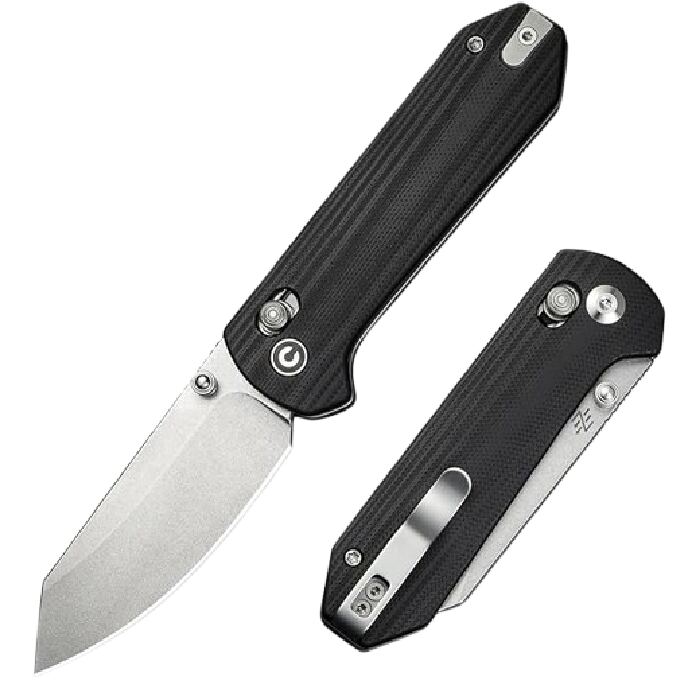
The CIVIVI Yonder is the budget choice here, costing roughly a quarter of the Benchmade Bugout 535 or Spyderco Para Military 2 while delivering a similarly thin, slicy grind. Its budget blade steel is the softest in this group and needs more frequent sharpening than the Bugout or the Knafs Lander 2. Like the Lander 2 it uses a crossbar-style lock rather than the Para Military 2's Compression Lock.

Kershaw Leek 1660
4.3/5· $68.41
Check Price on Amazon