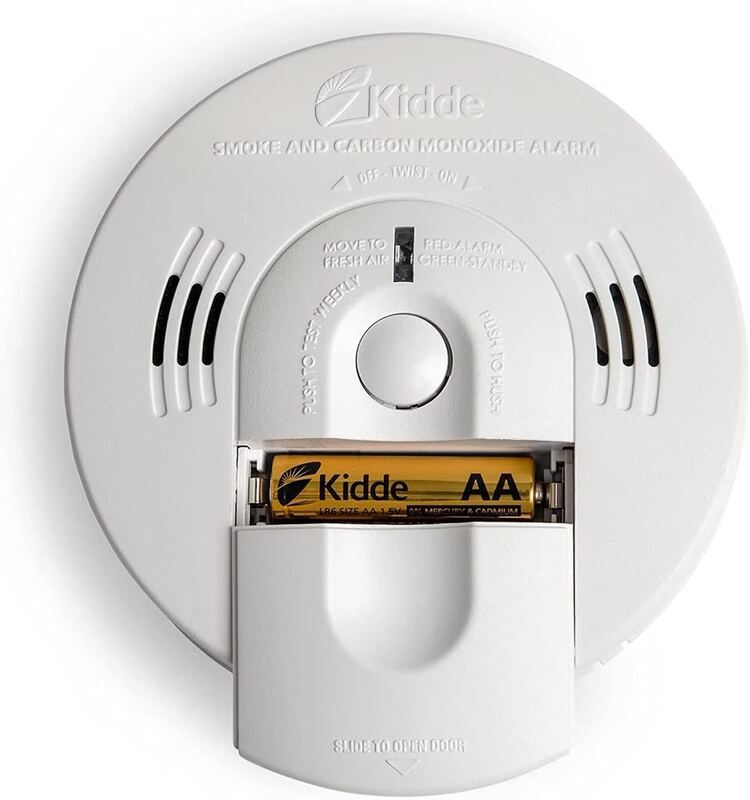
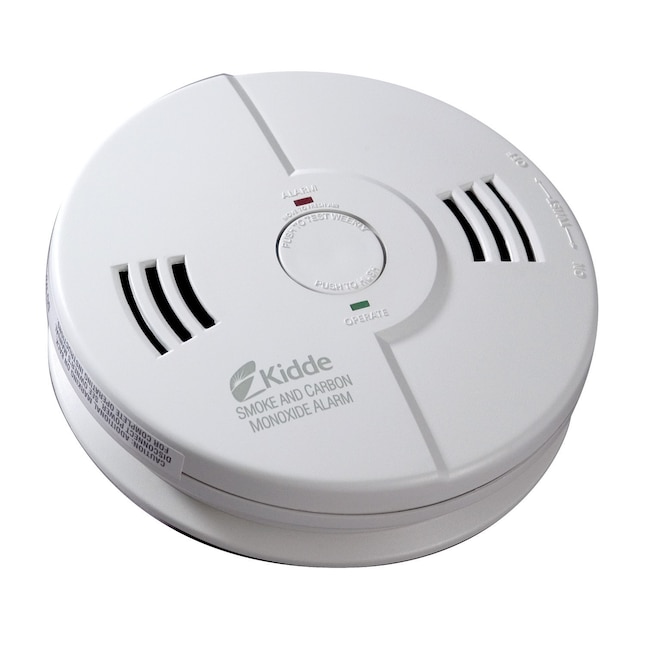
Kidde's dual smoke and carbon monoxide alarm is a hardwired detector with a 10-year battery sealed inside, so the only maintenance is the annual test. Detection is reliable and the notifications useful, but the smart-home side is thin next to alarms built around a full platform.
Full review
Hardwired, with a 10-year battery sealed inside
This is a hardwired alarm with a sealed 10-year cell as backup, so it keeps working through a power cut and never needs a battery swap. Installation is a round mounting plate on two screws and a three-wire harness, black, white and a red interconnect lead. Wire nuts are not in the box. The body stands about 2 inches off the ceiling, which is chunky next to the flattest current designs.
Voice alerts that name the hazard, at 85 decibels
The alarm combines a siren with spoken alerts that distinguish smoke from carbon monoxide, which matters at two in the morning when the difference determines whether you open a window or leave the house.
Interconnects up to 24 units on the red wire
The red lead ties alarms together so that one unit tripping sounds all of them, up to 24 devices on a single interconnect. In a multi-story house that is the feature that actually matters, because a basement fire has to wake a bedroom two floors up. Wiring it is the fiddly part of an otherwise simple install, and it is worth planning before the drywall goes back.
A dust cover for painting and drywall work
A removable plastic cover ships with the alarm to keep dust and paint fumes out during renovation, which is the usual cause of a brand-new detector shrieking at a decorator. It is a small, practical touch. The design is otherwise plain and busy rather than discreet, and it will read as a piece of equipment on a ceiling rather than disappearing into it.
Smart features stop short of a platform
If the point of buying a connected alarm is automation, with lights coming on, a fan shutting off and a camera clip when it trips, this is not the model that delivers it.
Owner reports of early failures
Against the professional reviews sit a run of owner complaints about units failing well inside the ten-year term and about false alarms starting within the first year, along with poor support when they do. Those reports are not universal, and hardwired alarms see harder installs than most gear, but they are consistent enough that recording the purchase date and testing monthly is worth the trouble.
Strengths
- +Smart alerts with smartphone notifications
- +Easy installation and setup
- +Long battery life with low-battery warnings
- +Dual sensor technology for smoke and CO detection
Watch-outs
- −Limited smart home integration with only basic automation support
- −No built-in siren override for testing
How it compares
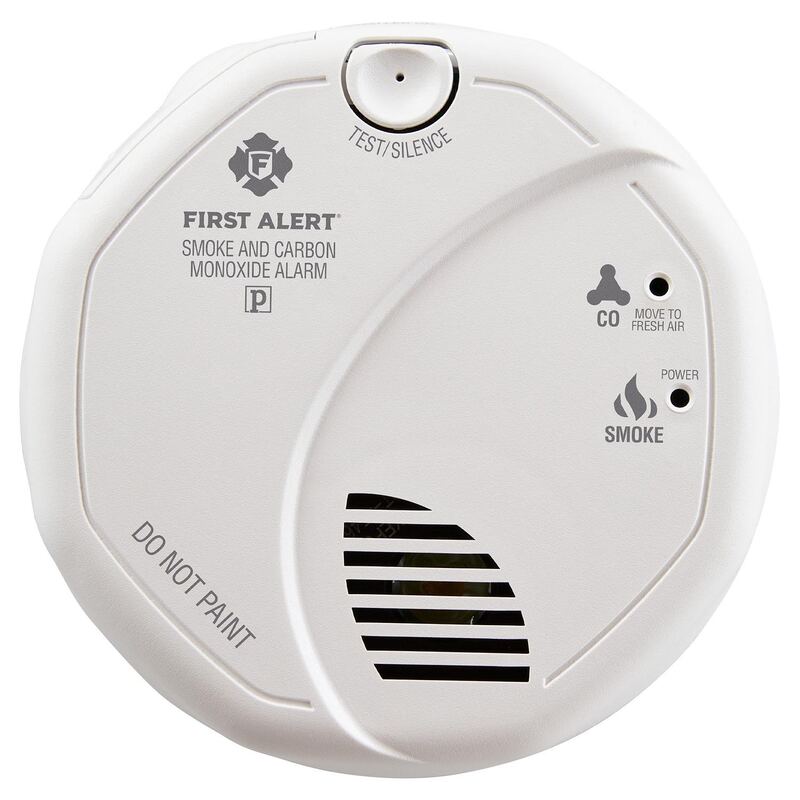
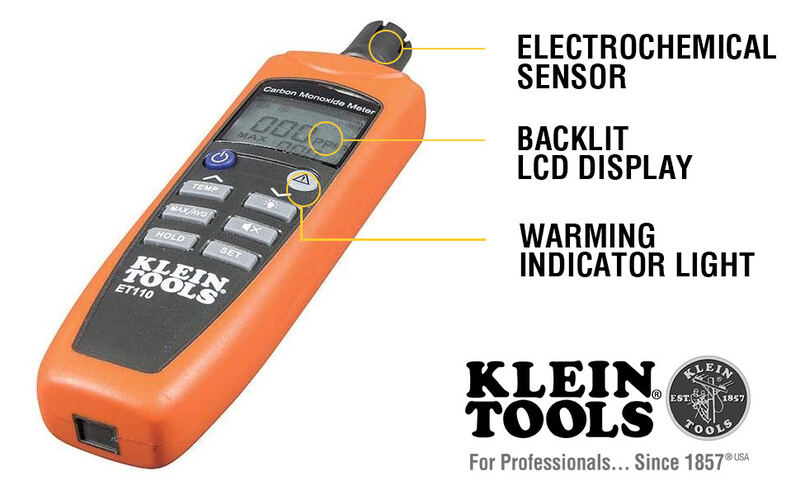
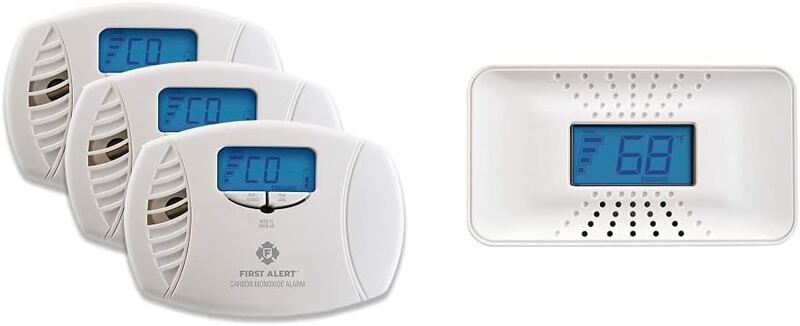
The Kidde Ring Smart Alarm provides smartphone notifications and easy setup, but lacks the advanced interconnect features of the hardwired model. Unlike the First Alert SC5, it offers only basic automation support and no Wi-Fi connectivity, making it a middle-ground option between basic and smart models. While the Klein ET110 provides professional-grade accuracy, the Kidde model focuses on simplicity and reliability.
Rating sources
Published reviews for this product are thin — the — score is synthesised from the published reviews our research system read (reflected in the pros & cons above) rather than a set of numeric ratings we can point to directly. See methodology for how we handle this case.