The MSR Hubba Hubba LT 2 is the pick for backpackers who want a light tent that can take a beating. Its 20-denier nylon canopy and floor are notably more durable than the gossamer fabrics on many ultralight rivals, yet it still keeps weight to a reasonable 3 pounds with a roomy, non-tapered 32-square-foot floor. CleverHiker has kept it on its best-tents list for years, and Switchback Travel praises its balance of weight, protection, and livability. Smallish vestibules and a premium price are the main trade-offs.
Full review
Durability and Build Quality
Durability is the Hubba Hubba LT 2's signature strength. Where many ultralight tents use 10- or 15-denier fabrics that demand constant vigilance, MSR builds the LT 2 from resilient 20-denier nylon throughout. CleverHiker, whose tester Ian Krammer used the tent for two years while climbing all 58 Colorado 14ers, found the fabric highly resistant to punctures and tears, making it great for rugged environments. That toughness is the reason it has stayed on CleverHiker's best-tents list for years.
Climbing all 58 of Colorado's highest peaks over two years is exactly the kind of punishing, repeated use that exposes a tent's weaknesses, and the Hubba Hubba came through it intact. That track record is worth more than any single bench test, because it reflects real fabric abrasion, repeated pitching and striking, exposure to alpine wind and grit, and the general wear of a hard-used shelter. The LT 2 is built to absorb that kind of life and keep performing, which is precisely what separates it from lighter, more fragile tents.
MSR has a long reputation for storm-worthy, expedition-grade shelters, and the LT 2 inherits that DNA in a lighter package. The poles, hubs, and stake-out points all feel built to last, and the overall construction quality is a step above the more delicate ultralight competition. This is a tent you can take into rocky, abrasive terrain without babying it the way you would the Copper Spur.
That durability also pays off over the life of the tent. A backpacking tent is a significant investment, and a shelter that survives hundreds of nights without a torn floor or a failed seam is cheaper in the long run than a featherweight tent you have to replace after a couple of seasons of hard use. The Hubba Hubba LT 2 is built to be that long-haul tent, which is a meaningful part of its value even at a premium price.
Livability and Interior Space
MSR redesigned the LT generation with a rectangular, non-tapered 32-square-foot floor specifically to accommodate modern wide rectangular sleeping pads. CleverHiker notes the rectangular floor has enough space for two rectangular pads, while the ample storage options keep gear off the floor. That pad-friendly geometry is a meaningful advantage over the tapered Copper Spur floor for couples who both use wide pads.
Two doors and two vestibules mean neither occupant has to climb over the other, and the interior storage pockets keep small items organized. At 40 inches of peak height it is sit-up comfortable, and the modernized design feels refined and purposeful. It is not the most cavernous tent here, the Dagger feels larger, but it makes excellent use of its footprint.
The non-tapered floor deserves emphasis because it solves a real annoyance. Many lightweight tents taper toward the foot to save fabric and weight, which works fine for mummy pads but pinches when two people use wide rectangular pads that do not narrow at the bottom. The Hubba Hubba LT 2's rectangular floor lets two such pads lie flat and parallel without overlapping or riding up the walls, a small geometric decision that makes a noticeable difference in real two-person comfort, and one of the more underrated reasons couples gravitate to this tent.
Weather Protection and Ventilation
The LT 2 uses 20-denier silicone-coated nylon on both the floor and rainfly for water resistance and durability, and MSR's heritage in foul-weather shelters shows in how confidently it handles rain and wind. Pitched taut, it sheds weather reliably, and the robust fabric means you worry less about a stray branch puncturing the floor in a storm. That confidence in foul conditions is a direct dividend of MSR's storm-shelter heritage, and it is something cheaper tents simply cannot replicate.
Ventilation is a particular strength in warm conditions. The trade is that it uses somewhat less mesh than the airiest tents, so on a hot, still night it can feel a touch warmer than an all-mesh canopy, though the vents help.
Vestibule too small for two packs and boots
The most consistent complaint is vestibule size. Switchback Travel, which praises the tent's balance, dislikes the fairly small vestibule space, expensive pricing, and limited mesh for ventilation. Two packs plus boots can crowd the vestibules, so couples carrying a lot of gear may find the covered storage tighter than they would like.
Price is the other consideration. At around $550 it is competitive with the Copper Spur but not a bargain, and CleverHiker points out that its durability and weather resistance make it a bit heavier than many ultralight options, with more affordable alternatives available. You are paying for toughness and refinement, which is exactly the right trade for some buyers and the wrong one for gram-counters.
The limited-mesh, less-airy canopy is the final minor knock. MSR uses more solid fabric than an all-mesh tent, which improves warmth and weather sealing but can make hot, still summer nights feel a little stuffy until you open the vents and doors. For most three-season use this is a non-issue, and in cooler or wetter conditions the extra solid fabric is an advantage, but desert and humid-summer hikers should be aware of it.
Trades a bit of weight for a tougher floor
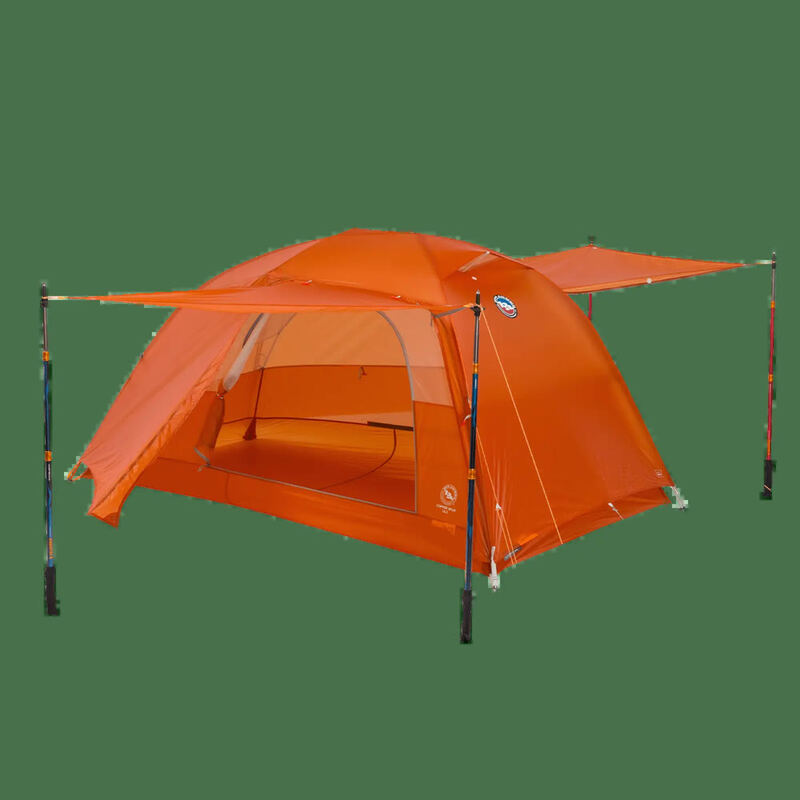
The LT 2's clearest rivalry is with the Big Agnes Copper Spur UL2. The Copper Spur is slightly lighter and a bit more livable, but the Hubba Hubba is meaningfully more durable and has a more pad-friendly rectangular floor. Which one wins depends on whether you prioritize the last few ounces and a touch more space, or long-term toughness in rough terrain. For many buyers it comes down to temperament: gram-counters lean Copper Spur, while those who would rather not worry about their gear lean Hubba Hubba.
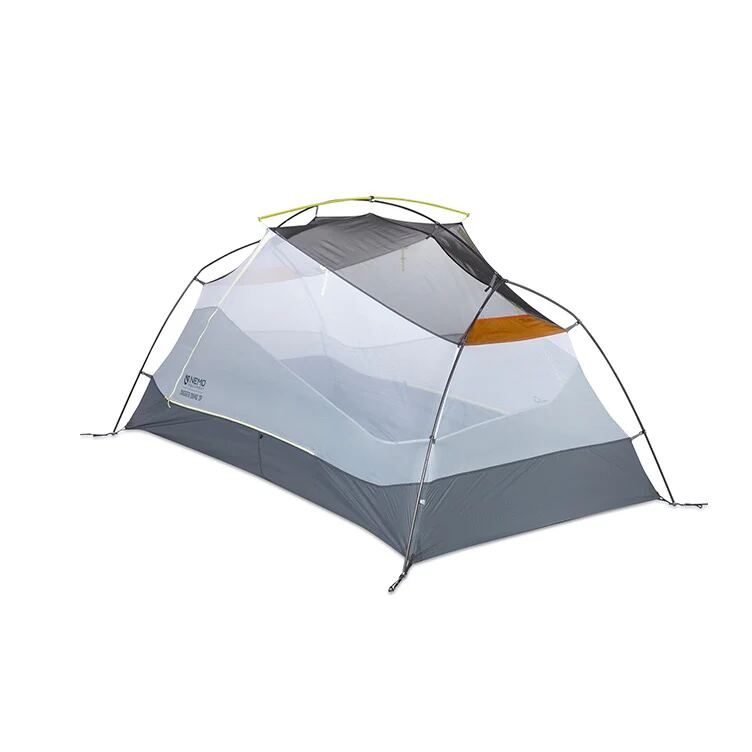
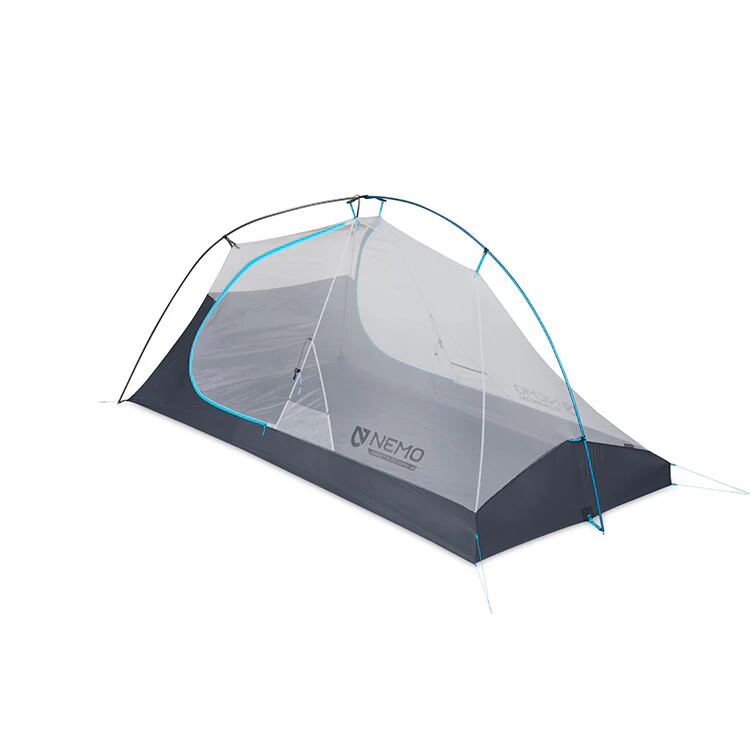
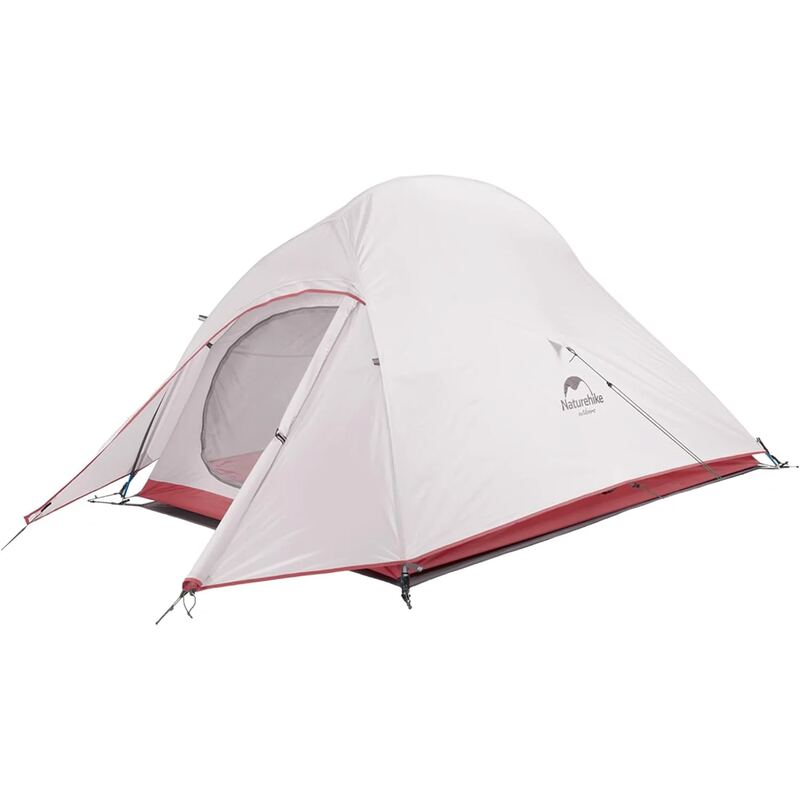
Against the NEMO Dagger OSMO 2, the MSR is lighter but less roomy; against the NEMO Hornet Elite OSMO 2, it is heavier but vastly more durable and comfortable for two; and against the budget Naturehike Cloud Up 2, it is in a different class of quality, weather protection, and longevity, at a much higher price. The through-line is that the Hubba Hubba never offers the most of any single attribute, but it offers a deeply dependable blend of all of them, with durability as the standout.
Built for hikers who buy once and abuse it
Choose the MSR Hubba Hubba LT 2 if you hike in rugged, abrasive, or high-mileage conditions and want a light tent that will survive years of hard use. It is also the best pick for couples who both sleep on wide rectangular pads and want a floor that fits them without a fight.
Look elsewhere if you want the absolute best weight-to-livability ratio (the Big Agnes Copper Spur UL2), the roomiest interior regardless of weight (the NEMO Dagger OSMO 2), the lightest possible shelter (the NEMO Hornet Elite OSMO 2), or the lowest price (the Naturehike Cloud Up 2).
The Hubba Hubba LT 2 ultimately rewards the backpacker who thinks in seasons and years rather than single trips. It is the tent for someone who would rather buy once and use it hard for a decade than chase the lightest possible weight and replace gear more often. That long-haul, take-it-anywhere durability, paired with a genuinely pad-friendly floor, is a combination no other tent on this list matches as completely.
Strengths
- +Excellent durability for the weight, with resilient 20-denier nylon throughout
- +Roomy non-tapered 32 sq ft floor fits two rectangular pads side by side, per SectionHiker
- +Strong, well-tested weather protection from a brand with a storm-worthy reputation
- +Light for how rugged it is, at a 3 lb minimum (per SectionHiker) and 3 lb 6 oz packed
- +Excellent warm-weather ventilation and a refined, modernized design
Watch-outs
- −Vestibules are fairly small for stashing two packs plus boots
- −Premium price competitive with, but not cheaper than, top rivals
- −Less mesh than some tents, which can feel warm on hot, still nights
- −Heavier than the lightest ultralight options in the category
How it compares
The durability champion of the group. It is tougher than the lightweight Big Agnes Copper Spur UL2 and far more rugged than the delicate NEMO Hornet Elite OSMO 2, while weighing less than the NEMO Dagger OSMO 2. Its rectangular 32 sq ft floor is more pad-friendly than the tapered Copper Spur UL2 floor, though its vestibules are smaller than the Dagger's.
Rating sources
“Constructed with resilient 20-denier nylon throughout, the fabric is highly resistant to punctures and tears, making it great for rugged environments”
“one of the most competitive balances of weight, protection, and livability”
Our 4.5 score is the average of these published ratings. Ratings marked * were derived from the reviewer’s written analysis or video transcript — the publisher didn’t print an explicit numeric score, so we inferred one from their own words. Click through to verify. More about methodology.