The NEMO Dagger OSMO 2 is the comfort-first choice: it trades a bit of weight for one of the roomiest, most livable interiors in the category, with near-vertical walls, generous vestibules, and thoughtful touches throughout. Its OSMO poly-nylon fabric leads the industry in water resistance and resists the sag that plagues wet nylon. CleverHiker rates it 4.6 out of 5 and Switchback praises its livability and easy setup. The catch is weight, at around 4 pounds it is not a tent for ounce-counters.
Full review
Livability and Interior Comfort
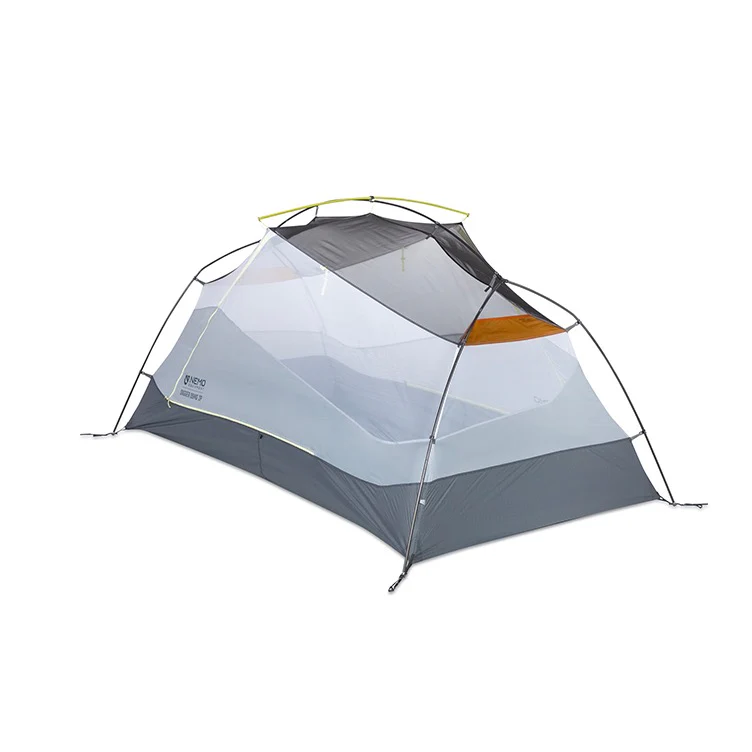
Livability is the Dagger OSMO 2's reason for being. Where lighter tents shave grams at the cost of interior volume, the Dagger leans the other way, delivering near-vertical walls, a roomy floor, and a genuinely spacious feel for two. CleverHiker founder Dave Collins, who backpacked several hundred miles with it including the rugged Skyline Trail in Jasper and Banff, loved its roomy interior, nearly vertical walls, and clever details that offered him and his partner a lot of space and convenience.
The thoughtful touches add up. The straight-zipper doors can be opened with one hand, the unique door clips hook them mostly out of the way, and the ceiling headlamp pocket turns your light into a lantern for soft interior light. Combined with large, usable vestibules, the result is one of the most comfortable two-person backpacking tents you can buy, which is exactly why CleverHiker scores it 4.6 out of 5, among the highest marks they award any tent.
Those details are not gimmicks; they change how the tent feels over a multi-day trip. Being able to open a door one-handed while holding a headlamp or a mug, having the door stay clipped out of the way instead of flopping into the doorway, and turning the ceiling into a soft lantern at night are the kinds of small conveniences you notice every evening in camp. The Dagger accumulates a lot of those little wins, and together they explain why testers who live in it for extended trips come away so fond of it.
Weather Protection and the OSMO Fabric
NEMO's proprietary OSMO poly-nylon ripstop is the Dagger's standout technical feature. OutdoorGearLab notes the fabric leads the industry in water resistance with a whopping 2000mm waterproof rating on the bathtub floor and 1500mm on the fly. Just as importantly, the poly-nylon blend resists the wet sag that causes ordinary nylon flies to droop and loosen overnight in the rain, so the tent stays taut and protective through a storm.
The large vestibules reinforce the weather story, giving each occupant a covered, dry place to stash a pack and boots without dragging mud into the sleeping area. For three-season backpacking in genuinely wet climates, the Dagger's fabric is among the most reassuring in the category.
The Dagger OSMO comes with a removable Landing Zone, a waterproof storage tub that sits in either vestibule and keeps gear off wet ground. Small touches like that, combined with the trapezoidal fly geometry that sheds water cleanly, show that NEMO designed the Dagger for real-world wet-weather camping rather than just spec-sheet numbers, which is reassuring when the forecast turns.
Setup and Everyday Use
Setup is a recurring highlight. Switchback Travel describes the Dagger as a cinch to set up, and notes the current version is lighter and cheaper than the prior generation. The hubbed pole structure goes up quickly, the color-coded attachments are intuitive, and the freestanding design pitches anywhere.
Day to day, the Dagger feels like a tent designed by people who actually camp. The door clips, the lantern pocket, the easy one-handed zippers, and the generous storage all make the small rituals of camp life smoother. It is the kind of tent that grows on you the more nights you spend in it.
Switchback Travel also highlights that the current generation is lighter and cheaper than the prior version, which matters because the Dagger's one real weakness has always been weight. NEMO has steadily trimmed grams without sacrificing the roominess that defines the tent, narrowing the gap with lighter rivals while keeping the spacious interior that makes it special. It is still not an ultralight tent, but it is lighter than it used to be for the same comfort, and that steady refinement is why it remains a top recommendation despite weighing more than its rivals.
Rainfly door clip hangs low in heavy rain
Weight is the Dagger's clear compromise. At around 4 pounds packed it is noticeably heavier than the Copper Spur UL2 or Hubba Hubba LT 2, and CleverHiker is explicit that while its weight is reasonable for shorter trips split between pairs, it is not a lightweight tent, so they do not recommend it for long-distance adventures or strenuous hikes with lots of elevation gain. If you count ounces, this is not your tent.
There is also a minor design niggle: CleverHiker found the rainfly door clip is positioned low, causing the door to hang awkwardly over the entrance, which is particularly inconvenient during heavy rain as it forces you to stoop low. Ventilation is good but not class-leading. None of these are dealbreakers for the Dagger's target user, but they are the reasons it ranks third rather than first.
Put simply, the Dagger is the tent for people who decide that weekend comfort outranks the scale. If your typical trip is one or two nights, split between two people, the extra pound is barely noticeable on the trail and the payoff in living space is felt every minute you are in camp. It is only on long-distance routes and big-elevation days, where that pound compounds mile after mile, that the weight becomes a genuine liability rather than a fair trade.
Trades a pound for real living space
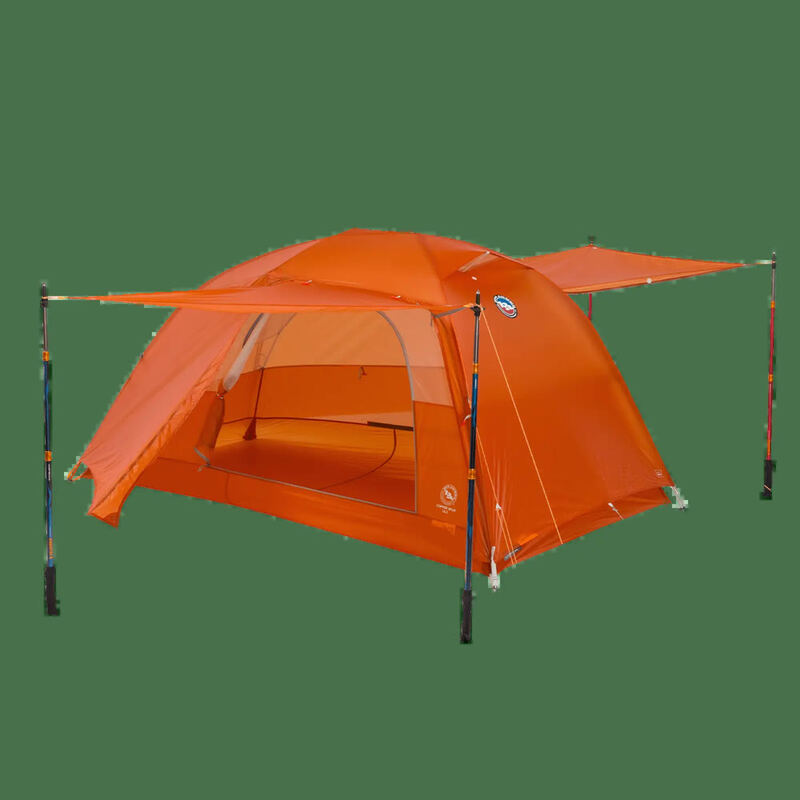
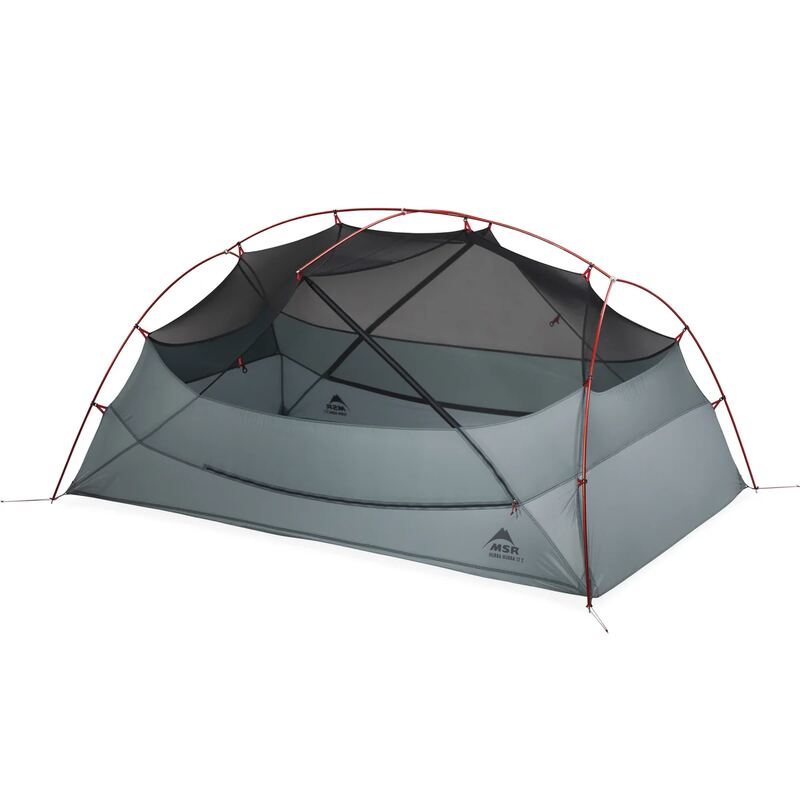
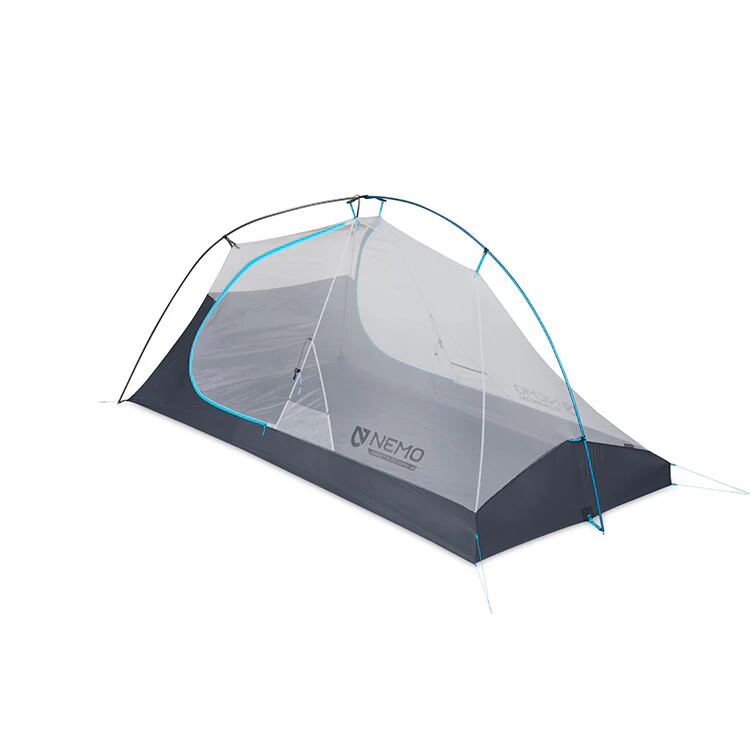
The Dagger is the roomy-comfort counterpoint to the lighter tents above it. Against the Big Agnes Copper Spur UL2 it offers a more spacious, vertical-walled interior but weighs more; against the MSR Hubba Hubba LT 2 it is roomier with bigger vestibules but again heavier; and against the NEMO Hornet Elite OSMO 2, its own ultralight sibling, it is in a completely different comfort class, trading the Hornet's featherweight for real living space.
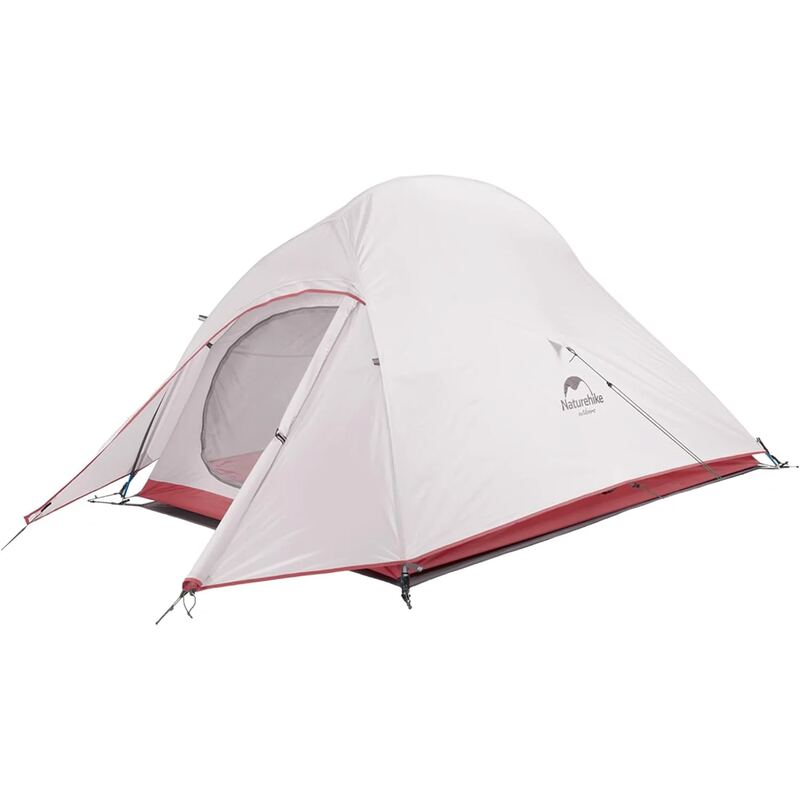
Against the budget Naturehike Cloud Up 2, the Dagger wins decisively on space, fabric technology, vestibule size, and build, at several times the price. It is the tent to pick when comfort matters more than the last pound in your pack. The clearest way to frame the choice: if you and a partner plan to spend real downtime in the tent waiting out weather or relaxing in the evening, the Dagger's extra space transforms that experience in a way no lighter tent here can.
Made for couples who linger in camp
Choose the NEMO Dagger OSMO 2 if you value interior comfort, big vestibules, easy setup, and reassuring wet-weather performance, and your trips are weekends or shorter where carrying an extra pound is not a dealbreaker. It is ideal for couples who want to actually enjoy hanging out in their tent.
Look elsewhere if weight is your priority for long miles or big climbs (the Big Agnes Copper Spur UL2 or NEMO Hornet Elite OSMO 2), if you want maximum durability in rough terrain (the MSR Hubba Hubba LT 2), or if you are shopping on a tight budget (the Naturehike Cloud Up 2).
The Dagger earns its loyal following precisely because it refuses to treat comfort as an afterthought. In a category where most tents brag about how few ounces they weigh, the Dagger makes the case that the experience of being in the tent, the headroom, the elbow room, the easy doors, and the dry, generous vestibules, matters too. For the right camper, that philosophy makes it the most enjoyable tent on this entire list to actually live in night after night.
Strengths
- +Exceptional livability with a roomy interior and near-vertical walls
- +Industry-leading OSMO fabric: 2000mm floor and 1500mm fly waterproofing that resists sag
- +Large, usable vestibules for stashing two packs and boots out of the weather
- +Clever details: one-handed straight-zipper doors, door clips, and a ceiling lantern pocket
- +Easy, intuitive setup praised by testers as a cinch
Watch-outs
- −Heavier than top rivals at around 4 lb packed, not a class leader in weight
- −Not ideal for long-distance or high-elevation trips where every ounce counts
- −Rainfly door clip sits low and can make the door hang awkwardly in heavy rain
- −Ventilation is good but not class-leading
How it compares
The most livable tent in this lineup, with a roomier feel than the Big Agnes Copper Spur UL2 or MSR Hubba Hubba LT 2 and far more space than the cramped NEMO Hornet Elite OSMO 2. The trade is weight: it is heavier than the Copper Spur UL2 and Hubba Hubba LT 2. Its OSMO fabric outperforms the standard nylon on the budget Naturehike Cloud Up 2 in wet-weather sag resistance.
Rating sources
“loved its roomy interior, nearly vertical walls, and clever details that offered him and his partner a lot of space and convenience”
“impressive livability, large vestibules, and a cinch to set up; lighter and cheaper than the prior version”
Our 4.2 score is the average of these published ratings. Ratings marked * were derived from the reviewer’s written analysis or video transcript — the publisher didn’t print an explicit numeric score, so we inferred one from their own words. Click through to verify. More about methodology.