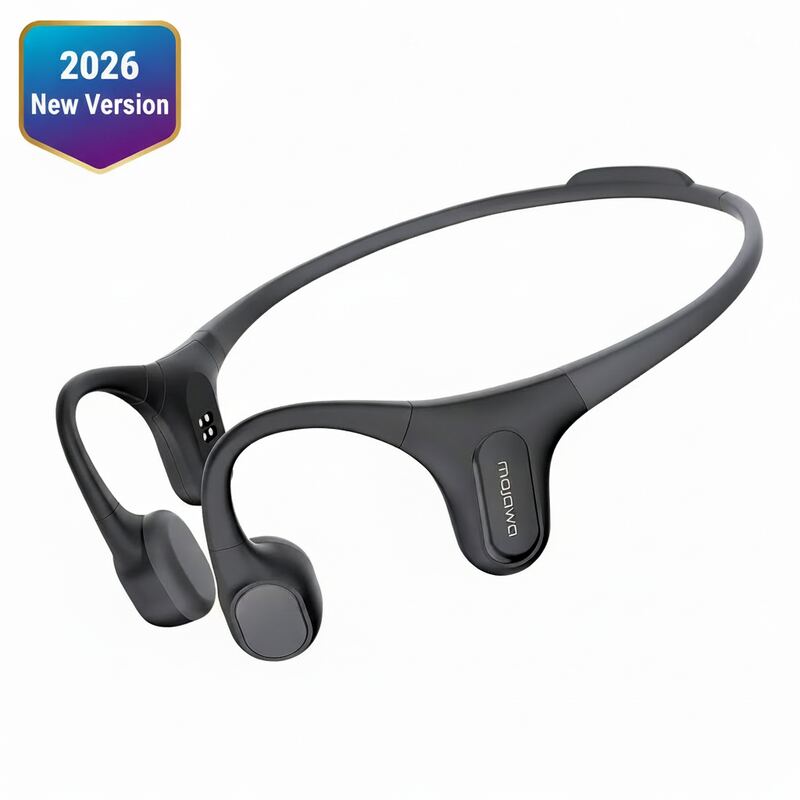
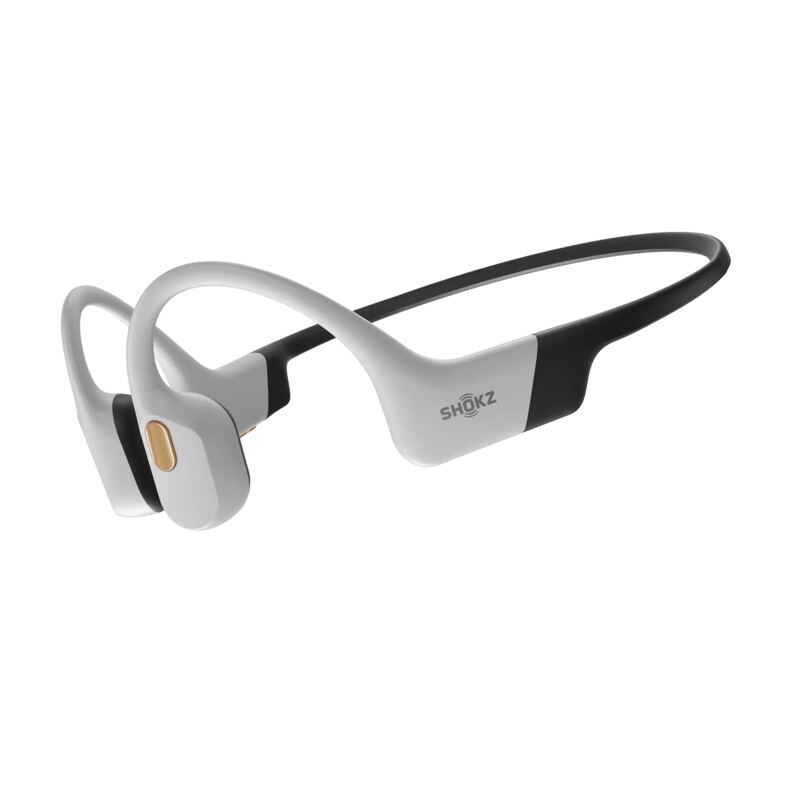
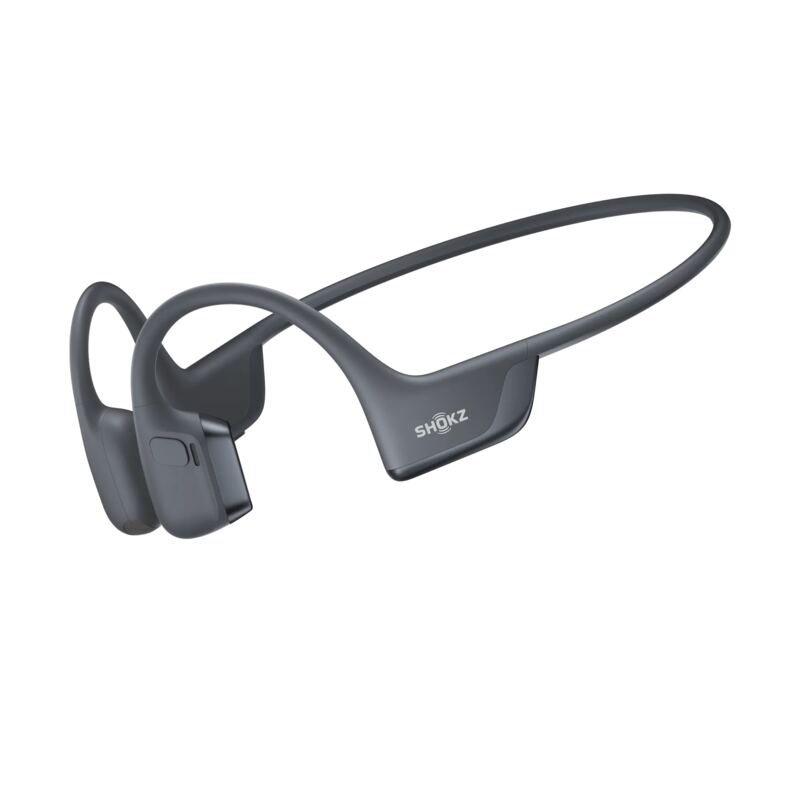
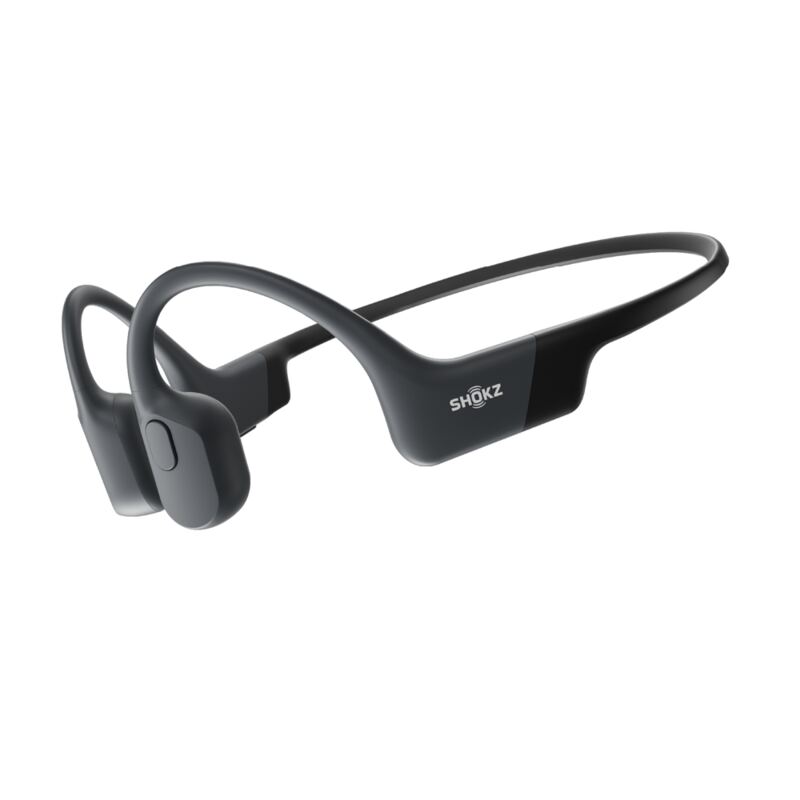
The Nank Runner Diver2 Pro (from Naenka) is the most aggressively waterproofed pick here, with an IP69 rating that beats the IP68 of its rivals, plus 32GB storage and Bluetooth 5.4. Soundphile Review scored it 7/10 and TechRadar called it one of the best waterproof headphones available. Sound is the weak spot: very midrange-forward with little bass.
Full review
Maximum Waterproofing
The Nank Runner Diver2 Pro, sold under the Naenka brand, is built around one standout spec: an IP69 waterproof rating achieved through nano coating and ultrasonic welding. That's a notch above the IP68 of the Shokz OpenSwim Pro and Mojawa Run Plus and the highest grade in this roundup, making it the pick for the most demanding open-water and diving use. TechRadar didn't hedge, calling it "unquestionably one of the best pair of bone conduction headphones on the market, and certainly the best pair of waterproof headphones."
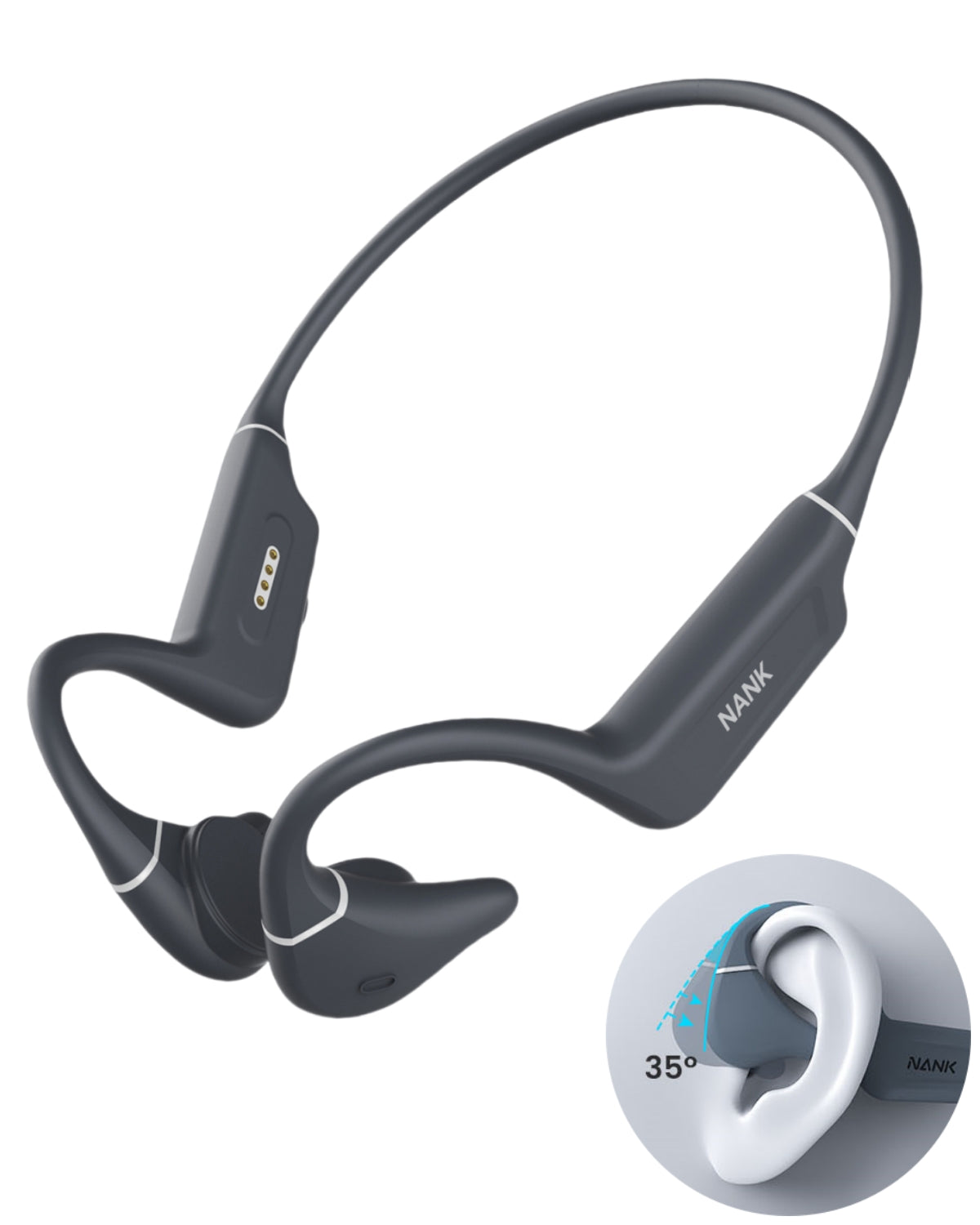
Like its swim-focused rivals it carries 32GB of onboard MP3 storage for underwater playback, and it adds Bluetooth 5.4 with dual-device connection for streaming on land. A distinctive feature is its 35-degree adjustable ear hook, which lets you toggle between a fully open-ear position and a noise-canceling mode that blocks more of your surroundings.
Midrange-forward tuning capped near 85 dB
Sound is where the Diver2 Pro slips behind the field. Audiophile Heaven was blunt that this is an earphone for someone who "want[s] a sound that is all mids," describing severe bass and treble roll-off with a midrange concentrated roughly between 200 Hz and 6 kHz and a maximum volume around 85 dB. Soundphile Review, which scored it 7/10, heard it differently as somewhat V-shaped with surprisingly powerful mid-bass and prominent treble, but agreed the treble peaks make music fatiguing over time and that instrument separation suffers.
The two reviews disagree on the exact tonal balance, but they converge on the conclusion: this is a functional, midrange-forward signature suited to podcasts, audiobooks and casual listening rather than a headphone you buy for music fidelity. Soundphile still found it pleasant enough to earn its "seal of approval," with the caveat that the flaws are real and worth weighing before buying.
Battery and Storage
Nank rates the Diver2 Pro at up to 10 hours of playback, with a 10-minute charge giving about an hour of listening. Ten hours splits the difference between the eight-hour OpenRun and Run Plus and the 12-hour OpenRun Pro 2, and it's plenty for long swim sessions or a day of intermittent use. The 32GB of storage handles a substantial offline library for phone-free swimming, the core use case, since Bluetooth simply will not transmit through water and any swimming headphone has to fall back on local files to be useful in the pool.
Loading music is handled over the TF-card-style storage system, and reviewers including The Gadgeteer confirmed the transfer-and-play workflow is straightforward once set up. The dual-connection Bluetooth 5.4 on the wireless side is a genuine convenience for land use, letting you pair a phone and a laptop simultaneously and switch between a call and media without re-pairing, a feature the cheaper standard OpenRun does not offer.
Fit and Design
At around 32 grams the Diver2 Pro is the heaviest headphone in this group, and reviewers consistently note it's thicker and bulkier than Shokz's slimmer designs, a consequence of packing in the MP3 module and the larger battery needed for 10 hours of playback. The Gadgeteer found that once on, the headphones fit well without bending the ears or putting pressure on any one point, and the titanium band held position across testing.
The standout design element is the 35-degree adjustable ear hook, which lets you physically rotate the transducers between a fully open-ear position for awareness and a tighter noise-canceling position that presses closer to the cheekbone to block more ambient sound. It's a clever mechanical answer to the perennial bone-conduction complaint that environmental noise drowns out music, and it's something none of the Shokz models or the Mojawa Run Plus offer. The cost of all this capability is the extra bulk, which is the most common knock reviewers level at the design.
Sound sacrificed for IP69 durability
The sound is the clear ceiling on this product. Its midrange-heavy tuning and roughly 85 dB volume cap mean it can be drowned out in noisy environments and won't satisfy anyone who cares about bass or detail, areas where even the bone-conduction-only Mojawa Run Plus pulls ahead. Audiophile Heaven was candid that the device makes deliberate sound-quality sacrifices in exchange for its extreme durability and IP69 sealing, framing it as a specialist purchase rather than a music-first one.
The bulkier 32-gram frame and shorter one-year warranty also trail the two-year coverage on the Shokz models. And while Soundphile Review found the headphones genuinely pleasant to use, it explicitly cautioned that they are limited and carry flaws buyers need to weigh before purchase. This is a tool built for a specific job, not an all-rounder, and stretching it outside the pool exposes its compromises.
Built for open-water divers, not audiophiles
Buy the Nank Runner Diver2 Pro if you are an open-water swimmer or diver who prioritizes maximum IP69 waterproofing and onboard storage above all else and accepts that sound quality is a secondary concern. The adjustable noise-canceling hook is a real bonus for swimmers who also bike or train in noisy gyms and want one device that adapts to both. For better-sounding swim headphones at a similar or lower price, the Mojawa Run Plus is the stronger all-rounder; for the best sound on land, the Shokz OpenRun Pro 2 wins outright. The Diver2 Pro earns its place in this lineup precisely by going further into the water than anything else here.
Strengths
- +Class-leading IP69 waterproofing using nano coating and ultrasonic welding, the highest rating in this group
- +32GB onboard MP3 storage plus Bluetooth 5.4 for above-water streaming
- +35-degree adjustable ear hook switches between open-ear and a noise-canceling mode
- +Up to 10 hours of playback with a 10-minute charge giving an hour of listening
- +Costs less than the Shokz OpenSwim Pro while exceeding it on water resistance
Watch-outs
- −Sound is heavily midrange-focused with rolled-off bass and treble; reviewers note minimal physicality
- −Bulkier and thicker than Shokz's slimmer frames to fit the MP3 module
- −Instrument separation suffers due to the bone-conduction approach
- −Maximum volume tops out around 85 dB, which can be drowned out in noisy settings
How it compares
The most waterproof option here, with an IP69 rating that exceeds the IP68 Shokz OpenSwim Pro and Mojawa Run Plus, but its midrange-only sound is weaker than all of them, including the air-conduction Shokz OpenRun Pro 2.
Rating sources
“The Nank Runner Diver2 win my seal of approval, though with the caveat that they're limited and have a few flaws which you need to consider when buying them.”
“If you want a sound that is all mids, if you need an earphone that will survive swimming, and if you need the highest grade of IP rating, Nank Runner Diver2 PRO is a good option.”
“The Nank Runner Diver2 Pro are unquestionably one of the best pair of bone conduction headphones on the market, and certainly the best pair of waterproof headphones.”
Our 4.0 score is the average of these published ratings. Ratings marked * were derived from the reviewer’s written analysis or video transcript — the publisher didn’t print an explicit numeric score, so we inferred one from their own words. Click through to verify. More about methodology.