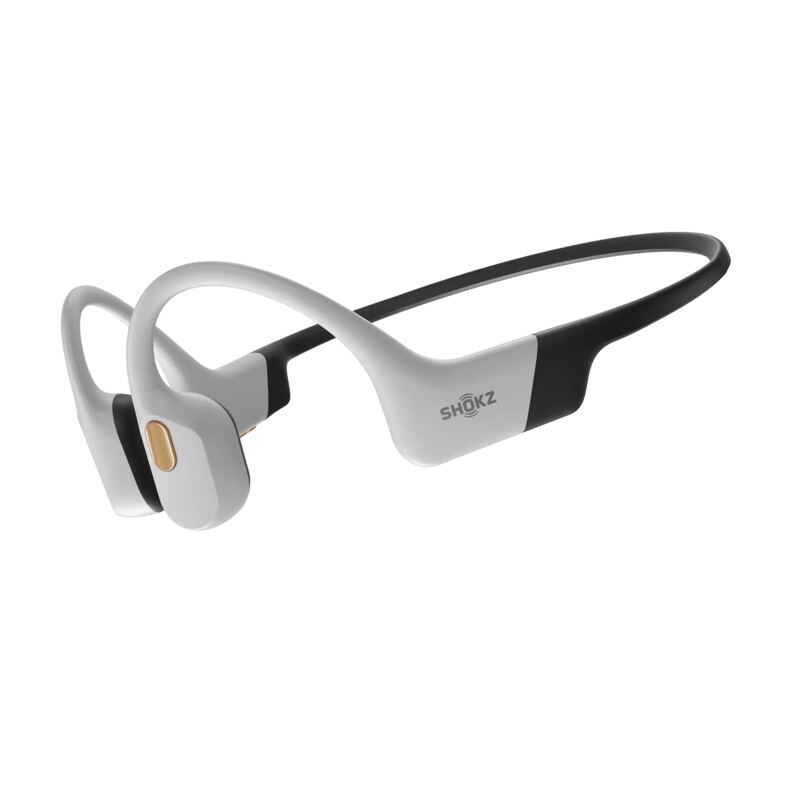
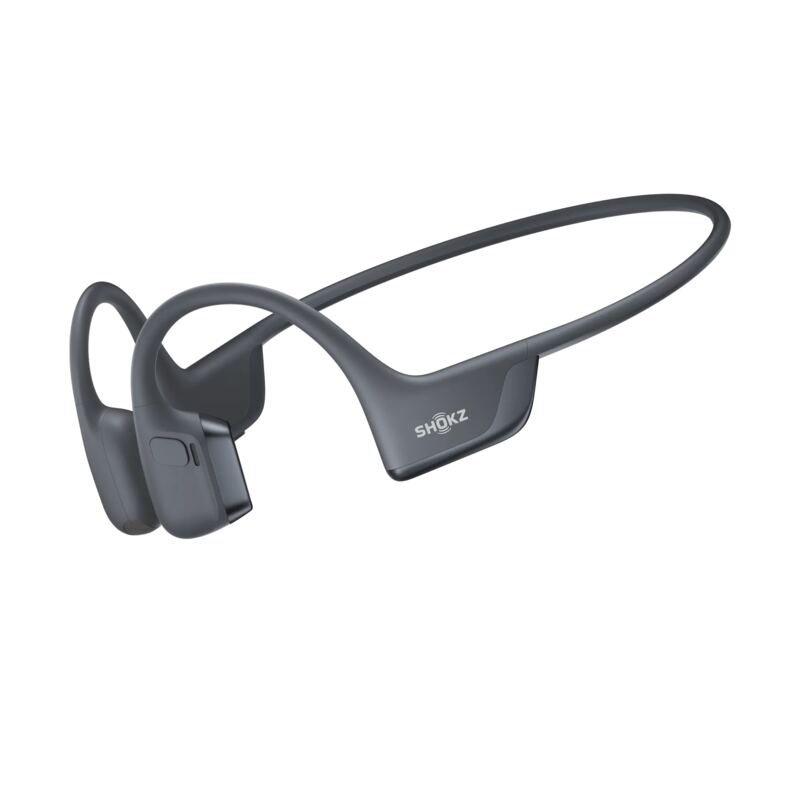
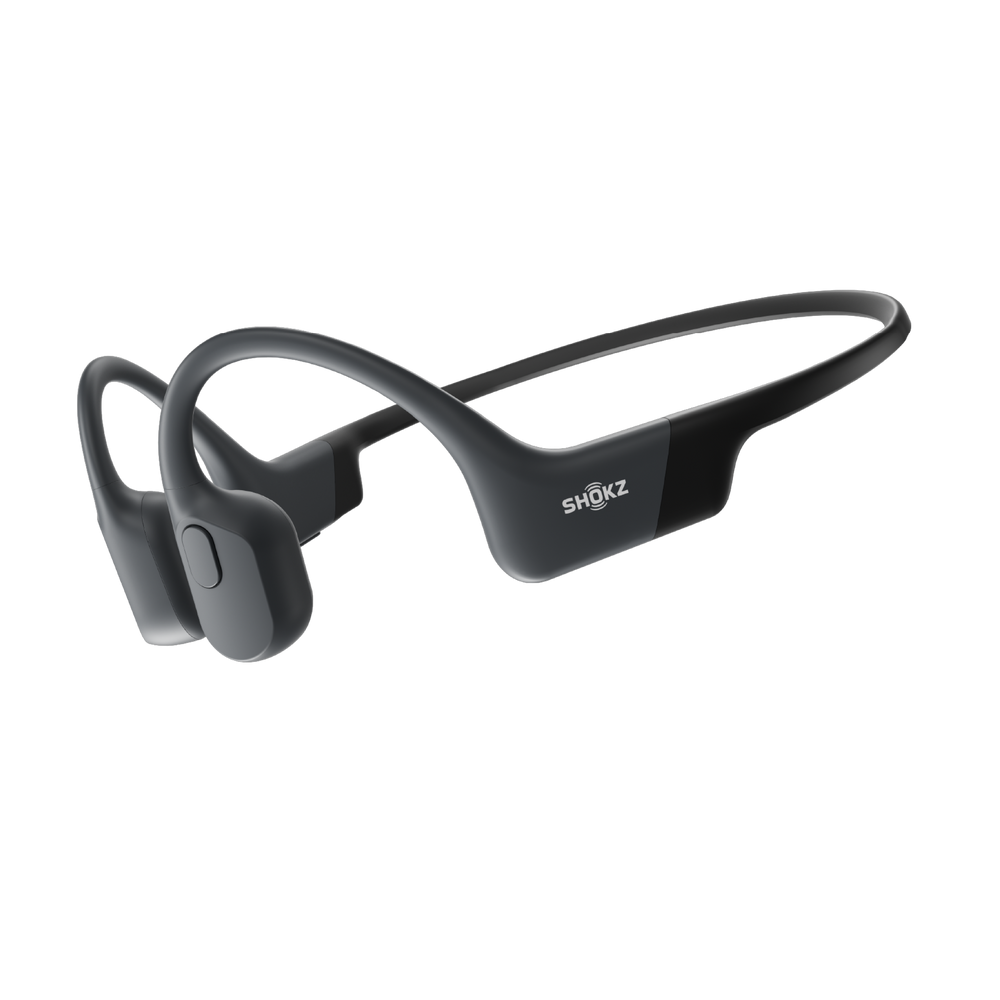
The plain OpenRun is the cheapest current Shokz and the one that trades features for toughness. SoundGuys rates it 7 out of 10, RTINGS and Believe in the Run both 4 out of 5, and all three land in the same place: a 26-gram titanium band that disappears on a run, full situational awareness, and thin bass. Against the OpenRun Pro 2 you give up the air-conduction driver and USB-C charging, and gain an IP67 rating the pricier model does not have.
Full review
26 grams of titanium that stays put
The band is titanium and the whole headphone weighs 26 grams, which is the number that explains its reputation, because after a few minutes you stop noticing it. Believe in the Run wore it across many workouts and found it stayed in place without adjustment. Nothing sits in or over the ear, so traffic, other runners and your own footfall all come through undiminished, which is the reason anyone chooses bone conduction over earbuds in the first place.
One driver, so bass is thin
There is a single bone-conduction transducer and no air-conduction speaker, and that is where the sound stops. SoundGuys notes that quality shifts noticeably with how the band sits and with jaw movement, which is inherent to the technology rather than a defect in this model. Speech is clear, so podcasts and audiobooks are well served, while bass-heavy music arrives flat. RTINGS describes it as well built with a stable, comfortable fit, which is a fair summary of what the money buys.
IP67, which the pricier Pro 2 does not match
The IP67 rating is the OpenRun's genuine advantage over the more expensive Pro 2: fully sweat- and dust-proof, fine in rain, rinseable under a tap. Shokz still does not suggest swimming with it, because there is no onboard storage and Bluetooth does not travel through water. For anyone who trains hard in bad weather the cheaper model is the more durable one, which is an unusual thing to be able to say about a product line.
Eight hours, and a proprietary magnetic charger
Battery life is rated at eight hours and SoundGuys' testing came out around there, with a ten-minute charge returning about 1.5 hours. The connector is a two-pin magnetic puck rather than USB-C, so there is a specific cable to lose, and both SoundGuys and Believe in the Run flag it as the most dated thing about the product. Eight hours is also short for ultra-distance efforts, and the headphones want a manual shutdown rather than sleeping reliably on their own.
No app, a beep on every press, and a weak mic
There is no companion app and no EQ, so the default tuning is the only tuning. SoundGuys found the beep on every button press irritating and rated microphone quality poor for calls in noisy places. Believe in the Run adds that volume can lose to highway or construction noise, which is the flip side of an open-ear design rather than a fault in the drivers. None of it is disqualifying for a running headphone, but together it explains why this sits below the Pro 2 rather than beside it.
Strengths
- +IP67 rating means full sweat and dust resistance, more robust than the pricier OpenRun Pro 2's IP55
- +Light 26g titanium frame that reviewers say disappears during long runs
- +8-hour battery with a 10-minute quick charge giving 1.5 hours of playback
- +Open-ear design keeps you fully aware of traffic and surroundings
- +Costs $50 less than the OpenRun Pro 2 while keeping the same secure fit
Watch-outs
- −Single bone-conduction driver with no air-conduction speaker, so bass is thin
- −Proprietary magnetic charging connector instead of USB-C
- −No companion app or custom EQ
- −Microphone quality is poor for calls in noisy environments
How it compares
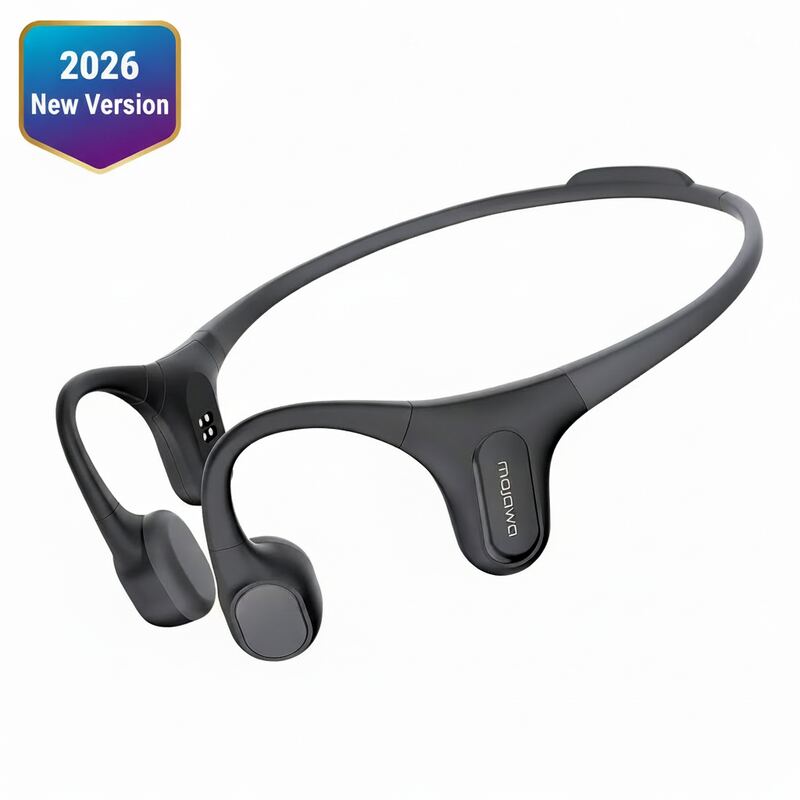
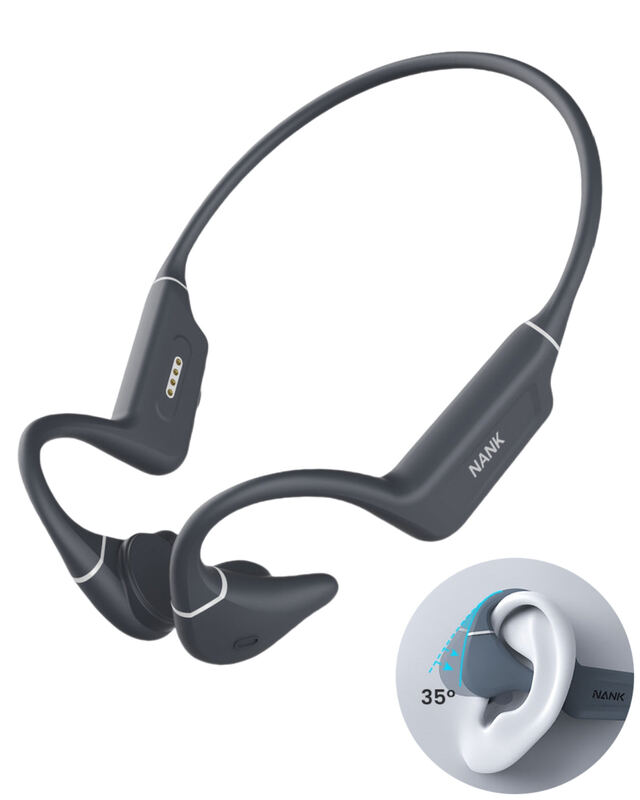
The value pick of the lineup: tougher IP67 sealing than the OpenRun Pro 2 but a single driver with weaker bass, and no onboard storage like the Shokz OpenSwim Pro, Mojawa Run Plus or Nank Runner Diver2 Pro carry for swimming.
Rating sources
“The Shokz OpenRun are a mild upgrade to one of the most popular bone conduction headphones around, the Aeropex by AfterShokz.”
“If you're one who loves listening to music, podcasts, or audiobooks while needing to hear the world around you, the OpenRun is right up your alley.”
Our 3.7 score is the average of these published ratings. Ratings marked * were derived from the reviewer’s written analysis or video transcript — the publisher didn’t print an explicit numeric score, so we inferred one from their own words. Click through to verify. More about methodology.