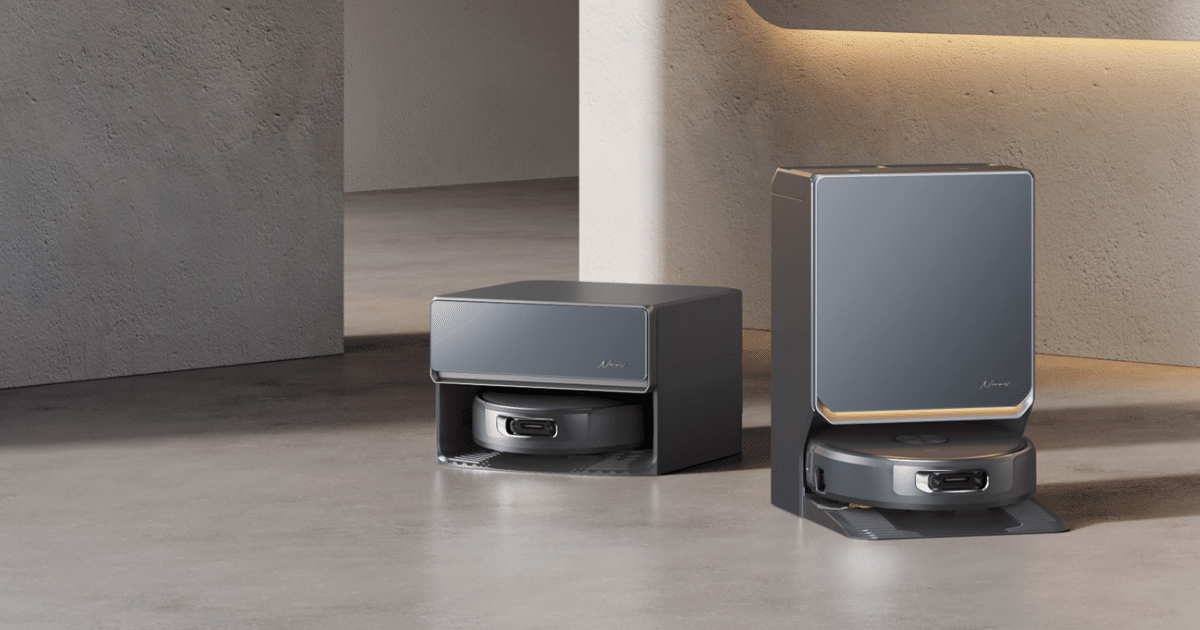
The Narwal Flow 2 is a top-of-the-line robot vacuum: embedded lidar, dual cameras and a rolling track mop that washes itself while it works, all fed by a dock that empties the bin and dries the mop with heated air. Bob Vila's month with it returned full marks and Basic Tutorials scored it 97 out of 100, though How-To Geek's 7 out of 10 is a cooler read. At $1,499.99 it is priced for people who want the whole system automated, and early owners report mapping and app problems that a machine this expensive should not have.
Full review
Lidar, cameras and a 10-TOPS processor
Navigation runs on embedded lidar backed by dual HD cameras and a 10-TOPS processor, which Narwal uses to run a visual language model on the robot rather than in the cloud. In practice that means the vacuum classifies what it sees and assigns a risk level to it, steering wide of pet mess and cables while still tracking close to furniture edges instead of leaving a border of uncleaned floor. The 95 mm chassis clears most sofas and beds. Owners in open-plan homes have had the least success with it, reporting maps that need virtual barriers to keep the robot on task and occasional strandings under low furniture and on the edges of rugs.
31,000 Pa against a 300 ml bin
Suction is rated at 31,000 Pa, at the top of what the category currently advertises, and the robot has the airflow to lift grit out of medium-pile carpet rather than skate over it. Anti-tangle brush geometry keeps long hair from wrapping the roller, which is the difference between a weekly empty and a monthly session with a pair of scissors. The onboard bin is only 300 ml, small by any measure, and the design leans on the dock to empty it after every run — fine while the dock is doing its job, awkward if the robot ever works away from it. Battery life is quoted at 275 minutes, enough to cover a large floor plan in a single pass.
FlowWash keeps the mop from spreading dirt
The mopping hardware is the most interesting part of the machine. Instead of two spinning discs, the Flow 2 uses a rolling track mop that is continuously rinsed and scraped as it turns, with 16 spray angles and water heated to 140°F. The practical effect is that dirt leaves with the water rather than being pushed into the next room, and the roller stays damp instead of sodden. It lifts 10 mm on carpet and extends sideways to reach along baseboards. The dirty water tank gets genuinely foul after a few runs and needs rinsing more often than the marketing implies, and the side brushes can flick debris back onto floor the robot has already covered.
A dock that empties, washes and dries
The dock handles the maintenance: it empties the bin, washes the mop roller in hot water and dries it with heated air, which is what stops a damp roller from smelling by the third day. Clean and dirty water tanks load from the top and lift out easily, and a full clean tank covers roughly two cleaning cycles in an average home. Bob Vila singled out the design, noting ambient lighting and a shape that can sit in a living room instead of being hidden in a utility corner. Matter support is included. Early firmware was less polished, with some owners finding the robot failing to redock and in one case reading its own dock as an obstacle.
Bob Vila's month on mixed floors
Bob Vila ran the Flow 2 for a month in a Florida house with carpeted bedrooms, tiled living space and a kitchen, against dog hair, muddy paw prints and ordinary spills, and gave it 5 out of 5. A full vacuum-and-mop pass covered about 400 square feet in roughly 50 minutes. That is the shape of the machine's strength: everyday mess across mixed flooring, handled without supervision and without anyone following the robot around to move furniture out of its way. It is a large, expensive appliance sold on the promise that it needs nothing from you between water changes, and on that specific promise it delivers.
Four scores, and a wide spread
The published verdicts do not agree. Bob Vila's 5 out of 5 and Basic Tutorials' 97 out of 100 treat it as close to the state of the art, Mashable's 4.5 out of 5 is warm, and How-To Geek's 7 out of 10 is the outlier and the most useful number here — the score of someone impressed by the hardware and less impressed by the software wrapped around it. That matches what owners describe: an app that is adequate rather than good, mapping that needs supervision for the first few runs, and multi-floor handling that is clearly less efficient than single-floor. At $1,499.99 the hardware is ahead of the software running it.
Strengths
- +Embedded lidar plus dual HD cameras and on-device object recognition
- +31,000 Pa suction with anti-tangle brush geometry
- +Rolling track mop rinses and scrapes itself while it cleans
- +Dock empties the bin, washes the roller and dries it with heated air
Watch-outs
- −Onboard bin holds only 300 ml, so the robot depends on the dock
- −Mapping and app reliability problems reported by early owners
- −Multi-floor navigation is noticeably less efficient than single-floor
- −Dirty water tank needs rinsing often, and the side brushes can scatter debris
How it compares
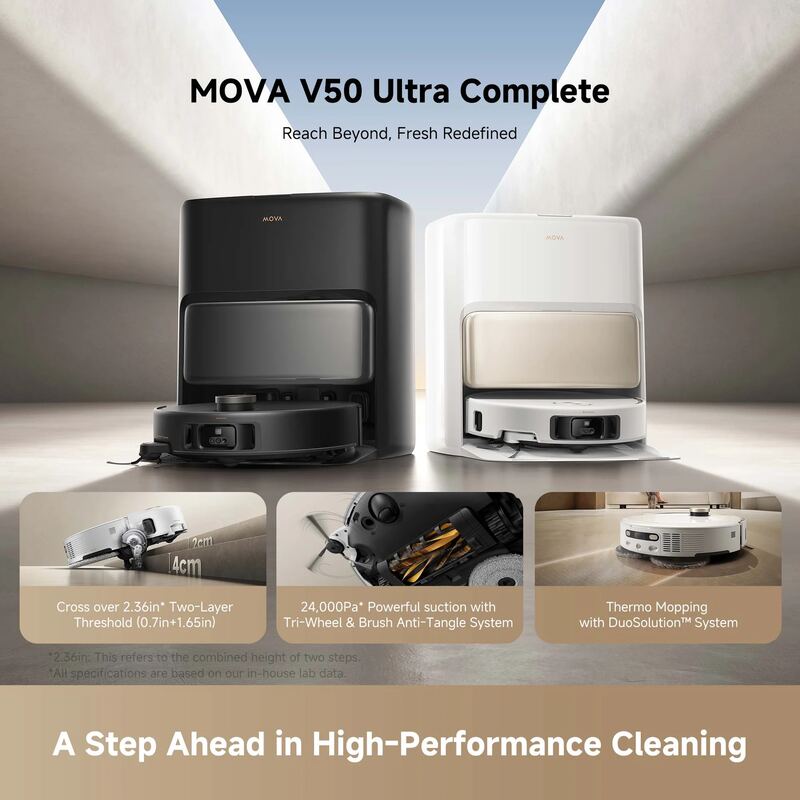
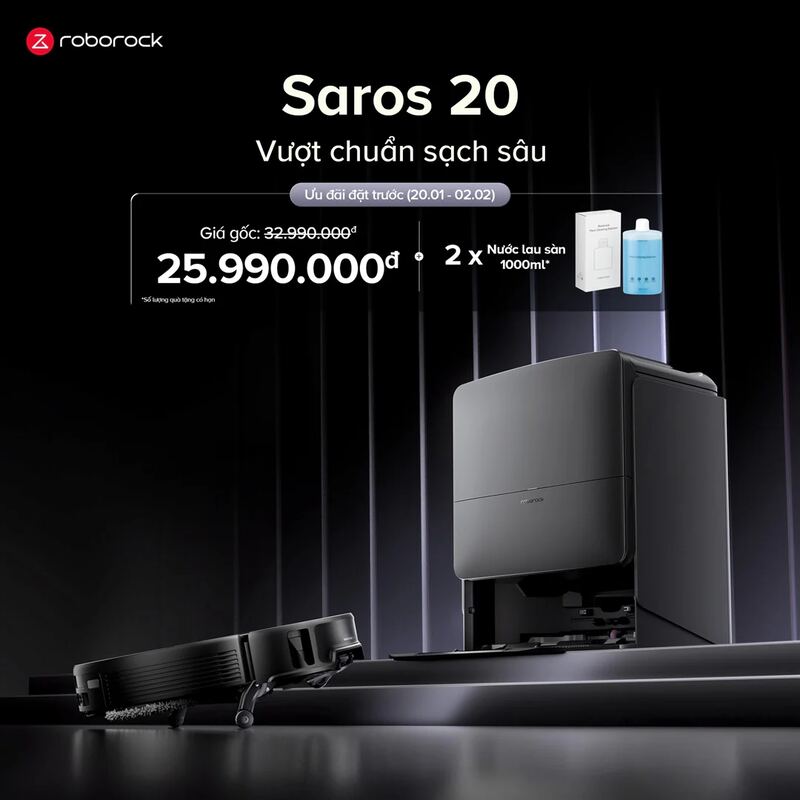
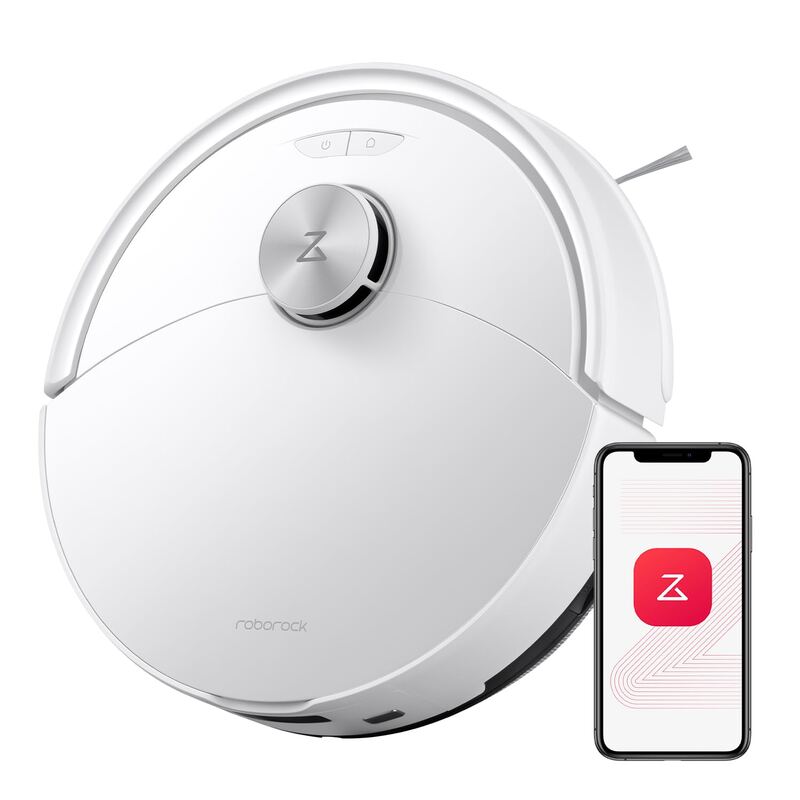
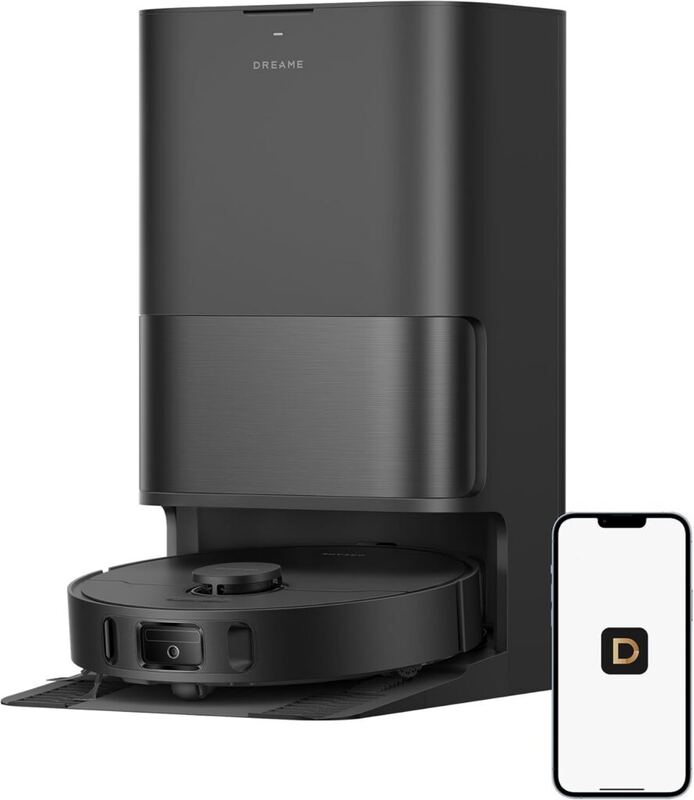
The Narwal Flow 2 leads in AI-driven navigation with its Visual Language Model and dual HD cameras, surpassing the Dreame X60 Max Ultra and Roborock Saros 20 in object recognition. However, it underperforms in mopping effectiveness compared to the Ecovacs T90 Pro Omni and Mova V50, and its app reliability issues make it less ideal than the Roborock Q10 S5+ for consistent performance.
Rating sources
Our 4.5 score is the average of these published ratings. More about methodology.